
 Ramos Leo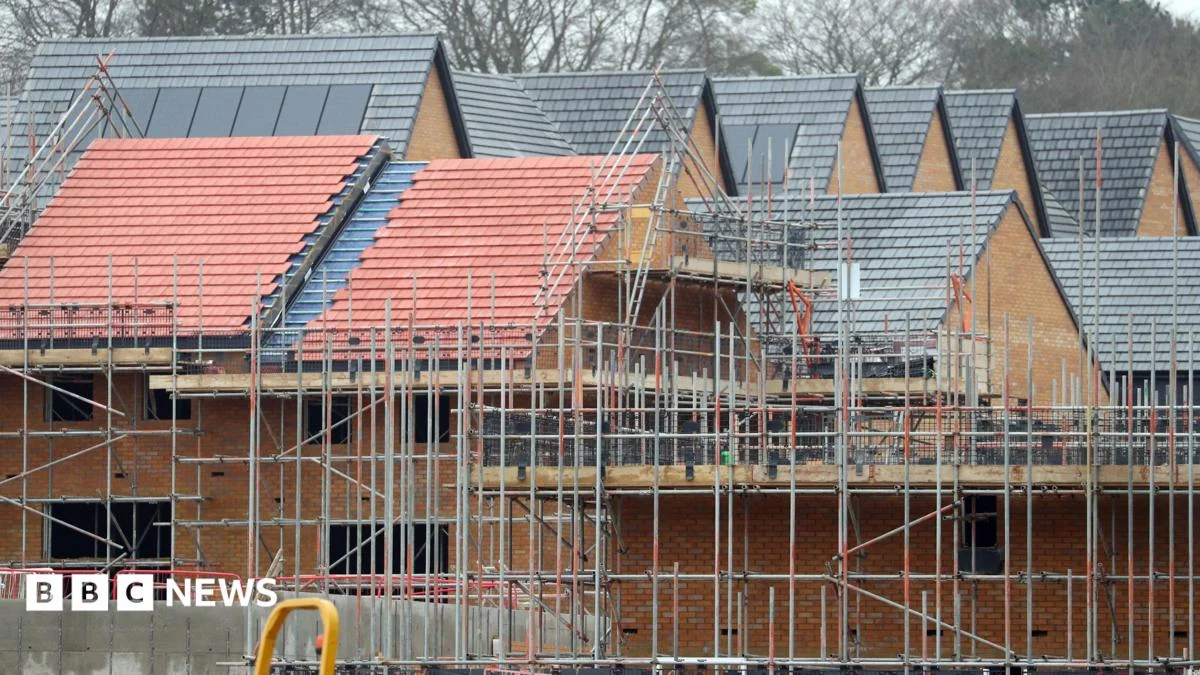
Thirteen key areas with elected mayors will initially gain these enhanced powers. These include prominent city regions such as Greater Manchester, Liverpool City Region, the West of England, and the West Midlands. Beyond these initial areas, the powers will also extend to mayors in several other Combined Authorities: North East England, South Yorkshire, West Yorkshire, York and North Yorkshire, Hull and East Yorkshire, Greater Lincolnshire, Cambridgeshire and Peterborough, East Midlands, and Tees Valley. This broad application signifies a concerted effort to decentralise certain planning decisions to a regional level, vesting greater control in directly elected regional leaders.
Housing Minister Matthew Pennycook articulated the government’s rationale, stating that these new powers are an "essential part of the toolkit that mayors need to effectively deliver new homes and regeneration." The government believes that by empowering mayors, they can overcome local bureaucratic hurdles and speed up the delivery of much-needed housing and commercial developments. This is particularly pertinent given the Labour government’s ambitious target, pledged in the 2024 general election, to build 1.5 million homes in England by the end of the decade.
Despite the urgency, the housebuilding sector has expressed concerns that this target may be missed. In London, for instance, housebuilding has reportedly fallen in recent years. However, Pennycook maintained that Sir Sadiq Khan’s existing "call in" powers have been instrumental in helping the London mayor "unblock strategic growth sites" within the capital, suggesting a precedent for the broader application of these powers. Acknowledging the "really stretching" nature of the 1.5 million homes target, Pennycook stressed the moral imperative behind it, citing the alarming statistic that nearly 180,000 children are currently living in temporary accommodation. He argued that "any smaller target wouldn’t be commensurate with the scale of the challenge" facing the nation.
In addition to these "call-in" powers, mayors are also set to gain the ability to grant "up-front permission" for developments. This innovative mechanism aims to further streamline the construction process, potentially allowing building to commence "without a developer having to apply" for individual planning consent for certain pre-approved sites or types of development. This could significantly reduce lead times for developers, offering greater certainty and potentially attracting more investment into regeneration projects. Furthermore, mayors will be given a "bigger say" over how housing funding is allocated and spent within their respective areas. The government has indicated that it will direct Homes England, the national housing and regeneration agency, to align its priorities more closely with those identified by local mayors, thereby enhancing regional control over development strategies and resources.
A consultation outlining the precise operational mechanics of these new powers is anticipated to be published next week, allowing stakeholders to provide feedback on the proposed framework. The government has, however, sought to reassure critics that local councils will continue to handle the vast majority of planning applications. It has also emphasised that all mayoral decisions, despite the increased power, must still adhere strictly to established national and local planning rules and regulations, suggesting that these powers are intended to be strategic interventions rather than a wholesale takeover of local planning functions.
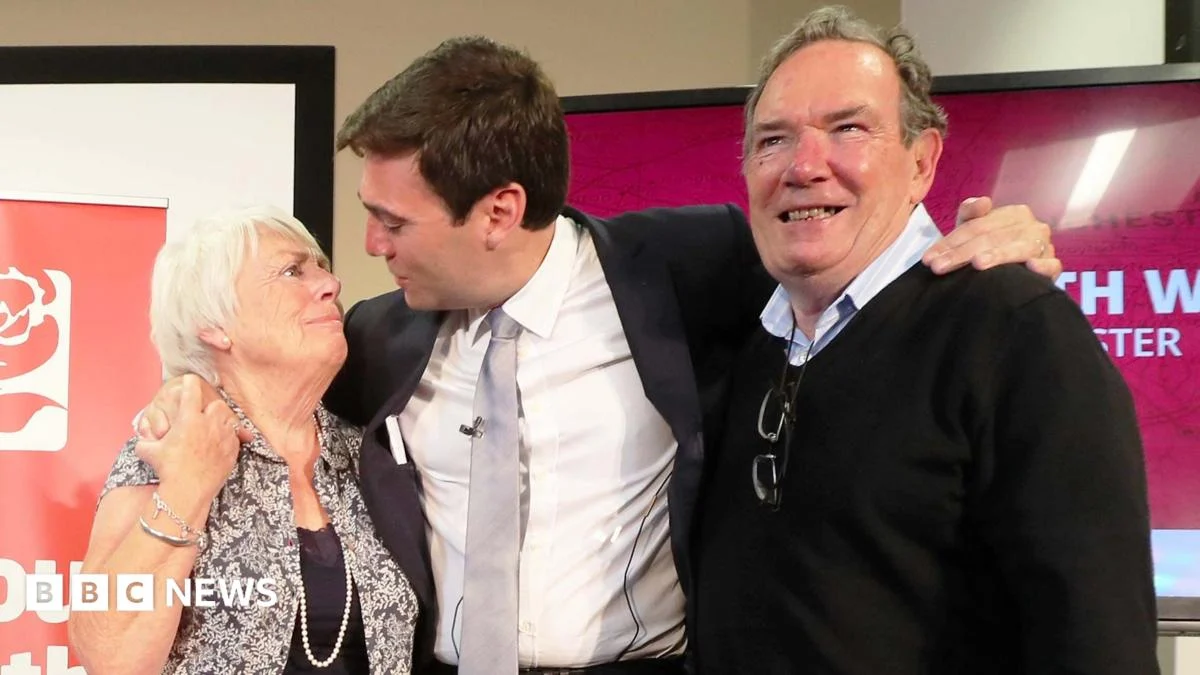
This shift in policy aligns strongly with the long-held advocacy of Andy Burnham, the new Prime Minister, who served as Mayor for Greater Manchester for nearly a decade. Burnham has consistently championed the transfer of more powers to local and regional mayors, viewing it as crucial for effective governance and economic development outside of Westminster. He articulated this philosophy to the Sunday Times, stating, "Challenge does need to be made to local decision-making and actually it cuts both ways. Sometimes it’s the other way round. It’s the local authority putting forward something that’s unacceptable in terms of the impact on the community. It’s a two-way street." This perspective suggests that mayoral oversight can act as a vital check on both developers and, occasionally, on local authorities themselves.
Burnham’s commitment to empowering mayors extends beyond planning. Last month, he pledged to grant all mayors a share of income tax revenue, underscoring his vision to "bring power home" to "every postcode" across the country. Earlier this week, he also announced a pioneering secondment programme designed to dispatch high-performing civil servants from central government departments to work within mayoral offices, aiming to bolster their capacity and expertise. This holistic approach signals a fundamental reorientation towards a more devolved, regionally-led model of governance.
However, the proposed changes have not been met with universal approval, drawing criticism from various political quarters. Sir James Cleverly, the shadow housing secretary, representing the Conservative opposition, voiced strong objections. He accused the government of "simultaneously stripping councils across the country of their ability to make planning decisions in their own communities, while making it easier to build traveller sites against local wishes." Cleverly’s comments highlight a significant concern regarding the erosion of local democratic control and the potential for unpopular developments to be pushed through against community sentiment. He also challenged the effectiveness of Labour mayors, suggesting they had failed to meet housing targets, and contrasted this with the Conservative plan to "get Britain building and moving again with our plan to scrap stamp duty on the family home."
Gideon Amos, the Liberal Democrat housing and planning spokesperson, echoed these sentiments, asserting that "taking powers away from communities and local councillors is taking powers away from local people." He argued against "silencing residents and handing mayors a blank cheque," instead advocating for "empowering local councils with the resources to deliver genuinely affordable homes alongside the infrastructure to support them." This critique underscores the importance of local community involvement and the need for adequate infrastructure to accompany new housing, concerns that many fear might be overlooked in a more centralised, mayoral-led system.
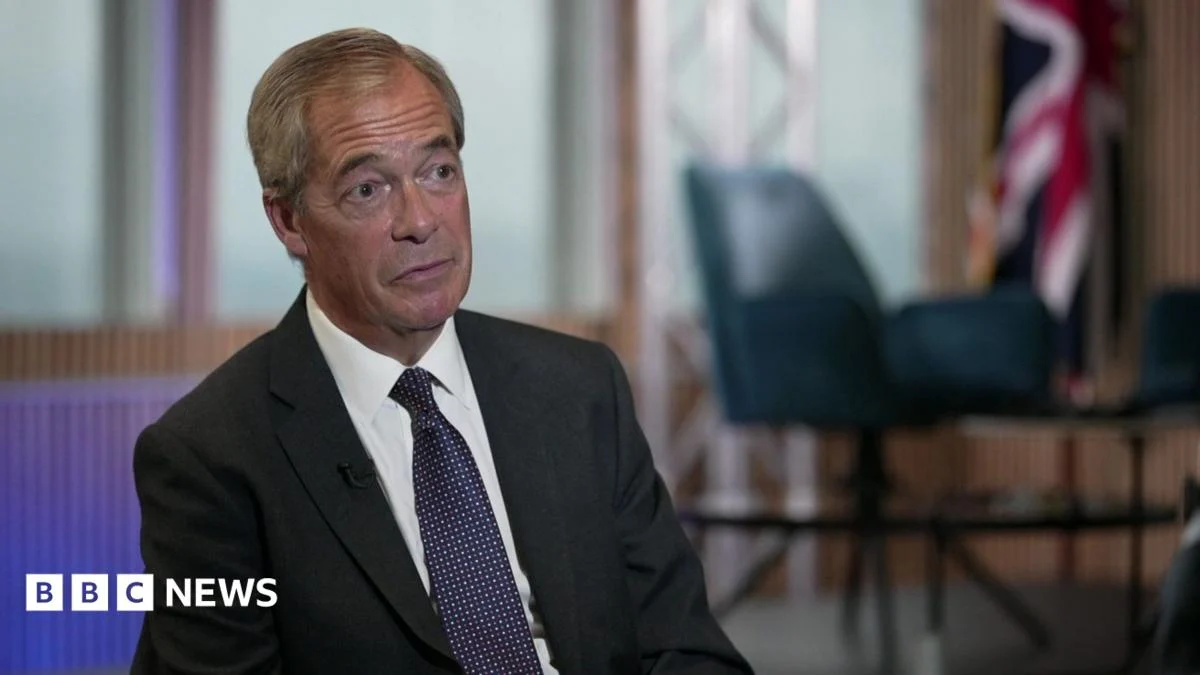
The Greens, through their deputy leader Mothin Ali, dismissed the policy as "more tinkering from the Labour government when local authorities continue to be forced by government into austerity budgets." This perspective suggests that the fundamental issues facing local councils, particularly financial constraints, are not being addressed, and that simply shifting powers to mayors is a superficial solution. Reform UK went further, accusing Labour of "centralisation in disguise." They argued that "Westminster is stretching its tentacles outward instead of giving real power, resources and decision-making capabilities to devolved authorities," implying that the new mayoral powers are merely a mechanism for central government to exert influence through regional proxies rather than genuine devolution of autonomy.
Concerns about the fairness and equity of this approach have also emerged from within Burnham’s own party and from the Liberal Democrats, who fear it could inadvertently create a "two-tier system." This system, critics argue, would discriminate against areas that do not have an elected mayor, potentially leaving them at a disadvantage in terms of housing funding, development priorities, and strategic planning influence.
The proposed transfer of planning powers to mayors marks a significant moment in English local governance and planning policy. It represents a clear commitment from the Labour government to accelerate housebuilding and regeneration, driven by an urgent national housing crisis. While proponents argue it will unlock vital development and streamline processes, critics warn of a potential democratic deficit, the erosion of local community voice, and the risk of creating an uneven playing field across England. The forthcoming consultation will be critical in shaping the final implementation of these powers, which are poised to fundamentally reshape the landscape of planning and development across the country.


 George Anjay
 Nakalama John
 atisusanti
 Roy Suryo
 Nana Banana