Ramos Leo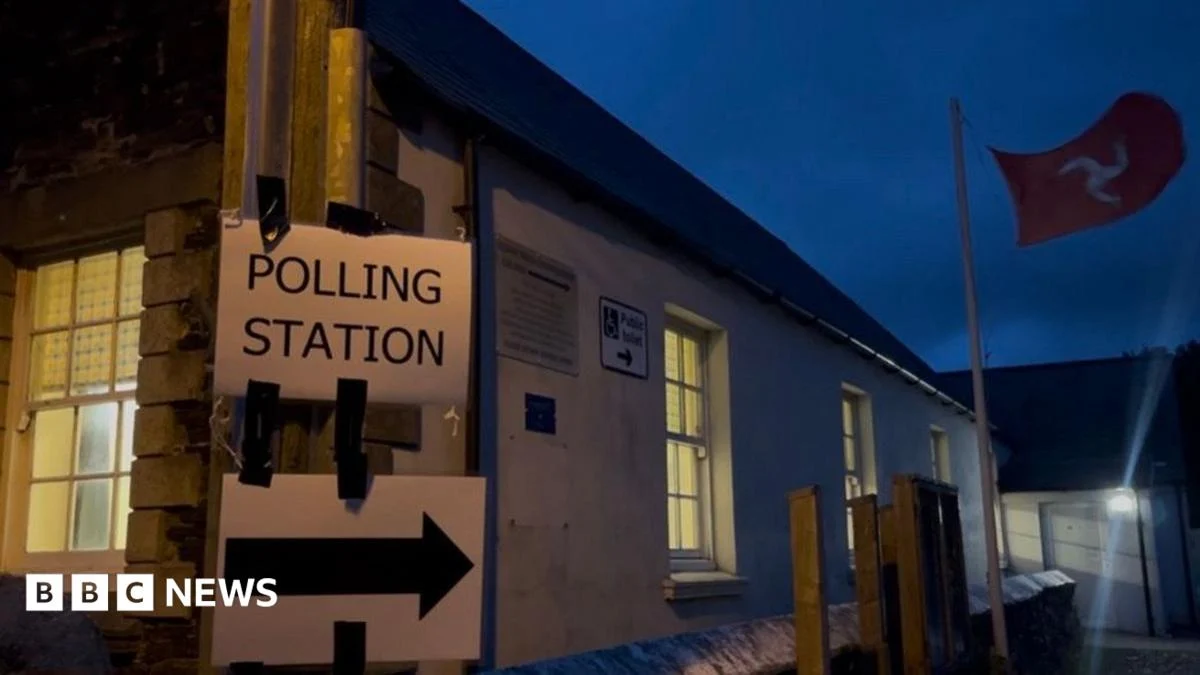
The ministers identified by the exit polls as likely to be unseated are Environment, Food and Agriculture Minister Clare Barber, Education, Sport and Culture Minister Daphne Caine, and Enterprise Minister Tim Johnston. The potential departure of these key figures from the Council of Ministers could necessitate a substantial reshuffle and potentially a re-evaluation of departmental strategies in these critical areas. Clare Barber’s potential loss might reflect public sentiment on environmental policies, agricultural support, or food security issues. Daphne Caine’s predicted defeat could stem from dissatisfaction with educational reforms, funding for sports, or cultural initiatives. Meanwhile, Tim Johnston’s struggle might be linked to concerns about the island’s economic development, support for local businesses, or enterprise strategies. Such high-profile losses within the ministerial ranks typically point to broader public discontent with the government’s overall agenda or its handling of specific challenges.
Further indicating a widespread desire for new blood, former minister Rushen MHK Michelle Haywood, and the current deputy speaker of the Keys are also predicted to lose their seats. The potential loss of a former minister and a key parliamentary official underscores the depth of the electoral challenge faced by established politicians and suggests a significant portion of the electorate is seeking a fresh start, regardless of previous governmental roles or legislative experience.
Perhaps the most nail-biting contest predicted by the exit polls is in Ayre and Michael, where Chief Minister Alfred Cannan finds himself in a precarious position, fighting to retain his place in the House of Keys. The polls suggest an incredibly tight race, with only a single percentage point separating him from the candidate in third place. Should the Chief Minister lose his seat, it would plunge the Manx political system into unprecedented territory, creating a leadership vacuum and requiring a swift and potentially complex process to identify a new leader for the island. Even if he retains his seat by such a narrow margin, it would undoubtedly weaken his mandate and influence within the new House of Keys, making the task of forming a stable government and pursuing his agenda considerably more challenging. The Ayre and Michael contest thus stands as a microcosm of the wider uncertainty gripping the Manx political establishment.
Overall, the exit polls paint a picture of significant generational and ideological turnover, suggesting there will be 15 new MHKs entering the House of Keys. While this influx of new talent is substantial, the gender balance appears to be shifting slightly, with eight women predicted to be elected, down from the ten who secured seats in the 2021 election. This change suggests that while the electorate is keen on fresh faces, the specific demographic composition of the new parliament might not mirror previous trends, prompting questions about representation and diversity within the Keys. The guaranteed entry of eight new faces into Tynwald is already secured, as a third of the seats in the Keys were not contested by outgoing MHKs. This structural fact ensures a significant degree of renewal, irrespective of the outcomes in contested races, setting the stage for a notably different legislative body.
Delving into the specifics of constituency predictions, the exit polls offer a granular look at the emerging landscape:
- Arbory, Castletown and Malew: Kirrie Jenkins is predicted to secure a seat, while the second seat is deemed too close to call between Jason Moorhouse and Steve Crowther. This tight contest highlights the competitive nature of multi-member constituencies and the potential for every vote to count.
- Ayre and Michael: Stephen Broad is projected to win, leaving the high-stakes battle between Chief Minister Alfred Cannan and Phil Corkhill for the remaining seat. The outcome here will have island-wide ramifications.
- Douglas Central: Peter Shimmin and Chris Thomas are predicted to be the successful candidates, suggesting a degree of continuity or a clear mandate for these individuals in a key urban area.
- Douglas East: Andy Saunders is expected to win, with Joney Faragher and Dave Mackey locked in an incredibly close contest for the second position. This central Douglas constituency often reflects diverse urban priorities.
- Douglas North: David Ashford and Damien Ciappelli are projected winners, indicating a clear preference in this part of the capital.
- Garff: Richard Henthorne and Aishlinn Creer are predicted to take the seats, signaling a potential shift or reinforcement of local representation in this diverse area.
- Glenfaba and Peel: Katryna Baptist and Geoffrey Pugh are the anticipated winners, suggesting new representation for this western constituency.
- Middle: Jane Poole-Wilson and James Cochrane are projected to secure the seats, indicating the electorate’s choices in this central region.
- Rushen: Michael Crowe is predicted to win, with the second seat being too close to call between Mark Kemp and Simon Williams. Rushen, a southern constituency, frequently sees competitive races reflecting its unique community concerns.
The issues that dominated the election campaign in 2026 were a clear reflection of the anxieties and aspirations of the Manx public. Foremost among these was the critical challenge of keeping young people on the island. This encompasses concerns about job opportunities matching skills and ambitions, the availability of affordable and suitable housing, and the provision of social and cultural amenities that make the island an attractive place for younger generations to build their lives. Many candidates campaigned on promises to create more dynamic employment sectors, invest in youth programs, and foster a vibrant community atmosphere to stem the tide of outward migration.
Closely linked to this was the pervasive issue of the availability and cost of housing. The island, like many desirable locations, has grappled with escalating property prices and a shortage of affordable homes, impacting both young families and essential workers. Debates centered on land use planning, the role of government in providing social housing, the regulation of the rental market, and strategies to encourage sustainable development without eroding the island’s unique character.
Wind farms emerged as another significant electoral talking point, balancing the urgent need for renewable energy and climate action with concerns about visual impact, environmental considerations, and community consultation. The debate often pitted proponents of green energy infrastructure against those worried about the impact on the island’s natural beauty and tourism, leading to complex discussions about balancing progress with preservation.
Healthcare waiting times continued to be a pressing concern for residents, reflecting broader pressures on public health services. Candidates were pressed on strategies to recruit and retain medical staff, improve efficiency within the health system, invest in new technologies, and ensure equitable access to quality care across the island. The long waits for various treatments and appointments were a source of frustration for many voters, making healthcare reform a key platform for numerous hopefuls.
Finally, the impacts of spiralling expenses for small businesses resonated deeply across the island’s economy. With inflation, energy costs, and other operational expenses on the rise, many local businesses faced significant challenges to their viability. Candidates proposed various solutions, including tax relief, grants, business support schemes, and initiatives to boost local spending and reduce regulatory burdens, recognizing the vital role small enterprises play in the Manx economy and community fabric.
Voting took place across the island from 08:00 BST on Thursday, with polls closing at 20:00, allowing a full day for residents to cast their ballots and have their voices heard on these critical issues. The democratic process now transitions to the next phase. Those individuals who have been successfully elected as a Member of the House of Keys (MHK) will be officially sworn in on Tuesday by the first and second deemsters, marking their formal entry into the Manx legislative assembly.
Following this, the newly constituted House of Keys will convene on 13 October for a crucial sitting. During this session, the MHKs will undertake the significant responsibility of nominating a Chief Minister, who will then be formally appointed by the Lieutenant Governor, and a Speaker of the House of Keys. This process will ultimately determine the leadership and direction of the Manx government for the coming term, shaping the island’s policies and priorities in response to the clear signals sent by the electorate through these election results. The coming weeks will undoubtedly be a period of intense political negotiation and anticipation as the Isle of Man embarks on a new chapter, potentially under significantly altered leadership.

 George Anjay
 Nakalama John
 atisusanti
 Roy Suryo