Nana Banana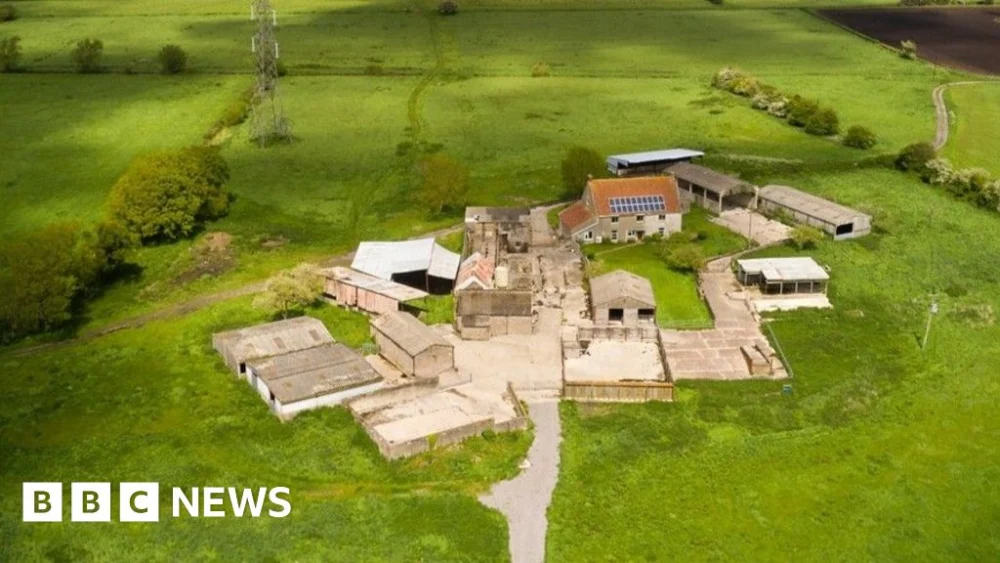
Honeygar Farm is uniquely situated on the Somerset Levels and Moors, a landscape renowned for its ecological importance and one of the few remaining areas in the United Kingdom that still harbours deep lowland peat. These ancient, waterlogged wetland ecosystems are formed over thousands of years as dead plant material accumulates in cool, anaerobic, and acidic conditions, preventing complete decomposition. Unlike their upland counterparts, lowland peatlands exist at altitudes typically below 150 metres, often in river valleys or coastal plains, and face distinct threats and require specific restoration approaches. The scarcity of such deep lowland peat makes Honeygar an invaluable site for concentrated study and intervention.
The ecological significance of peatlands cannot be overstated. As Georgia Dent, CEO of the Somerset Wildlife Trust, articulated, the research project at Honeygar is envisioned as a catalyst for finding innovative solutions to critical challenges, including adapting to the accelerating impacts of climate change and improving the quality of our precious water resources. The United Nations highlights that peatlands, despite covering a mere 3% of the Earth’s land surface, act as colossal carbon sinks, storing more carbon than all the world’s forests combined. This immense carbon storage capacity is due to the waterlogged conditions that slow down decomposition, effectively locking away atmospheric carbon for millennia. However, when peatlands are drained for agriculture, forestry, or development, they release vast quantities of stored carbon dioxide into the atmosphere, becoming significant contributors to greenhouse gas emissions.
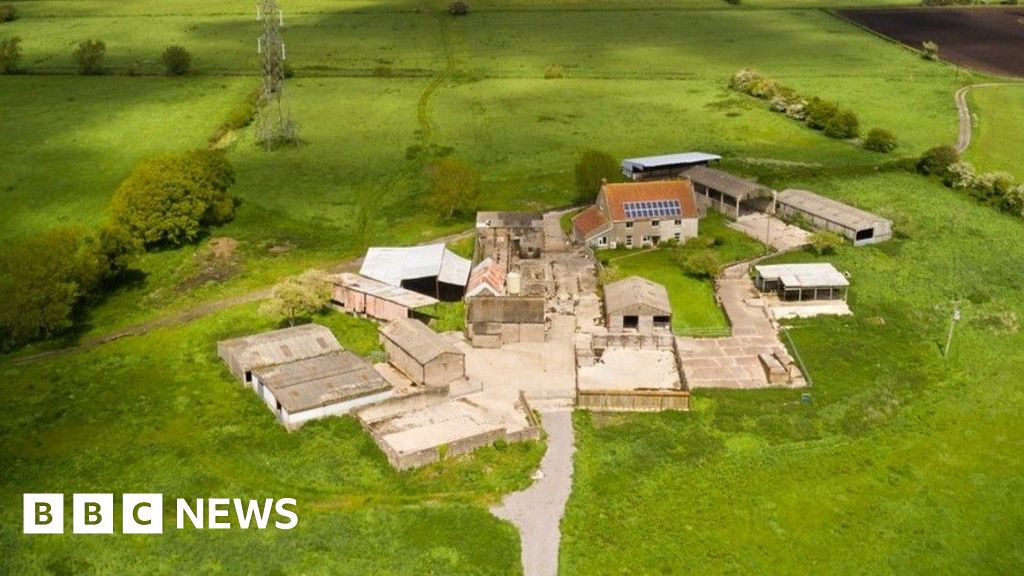
Historically, research and restoration efforts concerning peatlands have largely concentrated on upland sites. While vital, this focus has left a substantial gap in our understanding and management strategies for lowland peatlands, which often exist in closer proximity to human settlements and agricultural land, presenting a different set of challenges and opportunities for integration with sustainable land use. Honeygar Farm presents an unparalleled opportunity to generate robust, real-world evidence on how these critical lowland peatland ecosystems can be managed effectively to support diverse wildlife populations, promote sustainable land practices, and foster resilient local economies.
The vision for Honeygar extends beyond mere scientific inquiry; it is a call for collective action. Dent elaborated on the aspiration for Honeygar to become an "internationally recognised hub for research, innovation, and collaboration." The centre aims to forge powerful partnerships, bringing together a diverse array of stakeholders including researchers, academics, land managers, conservationists, businesses, land agents, and other professionals. This collaborative ecosystem is designed to facilitate the sharing of knowledge, best practices, and innovative solutions, empowering a united response to the ecological and climate challenges faced both locally within the UK and on a global scale. The insights gained from Honeygar will be crucial in informing future policy, guiding effective land management practices, and ensuring the judicious allocation of resources for peatland conservation.
The proposed redevelopment of Honeygar Farm embraces a philosophy of sustainability and resilience. The plans detail the transformation of existing farm buildings, incorporating advanced energy and water-efficient designs. These structures are specifically engineered to withstand the anticipated impacts of climate change, including increased risks of flooding, potential power disruptions, and rising temperatures, ensuring the centre’s long-term viability and functionality. Computer-generated images, provided by Poynton Bradbury Architects, illustrate a thoughtful design featuring large wooden barns, integrated planters, and expansive green spaces, harmonising with the natural environment. Crucially, the designs also include designated spaces specifically for nature, such as integrated habitats for local wildlife and insects, reinforcing the project’s commitment to biodiversity. These could manifest as green roofs, wildlife corridors, or carefully designed ponds that mimic natural wetland features.
Beyond its scientific mission, the Honeygar research centre is conceived as a community asset. The planning application includes provisions for public access, featuring a circular walking path that will allow visitors to experience the restored landscape firsthand. Designated viewing areas will offer opportunities for observation and appreciation of the natural environment. Essential amenities such as public toilets will enhance visitor comfort, while flexible spaces will be available for hire, potentially hosting educational workshops, community meetings, or small events. A significant part of the community engagement plan involves the restoration of the existing orchard, which will not only enhance biodiversity but also provide a tangible link to the site’s agricultural heritage and a space for community participation.
The Somerset Levels and Moors, a landscape shaped by centuries of human interaction with its unique wetland environment, serves as the perfect backdrop for this initiative. This area has a rich history of drainage for agriculture, which has contributed to the degradation of peatlands, but also a strong legacy of conservation efforts. Placing the research centre here underscores the urgent need for local solutions that can inform national and international strategies. The national and international relevance of lowland peat restoration cannot be overstated; the UK, with its history of extensive peatland degradation, is a critical testbed for developing effective restoration techniques. The project has the potential to generate significant economic benefits, including job creation in research, conservation, and eco-tourism, and could even spur new sustainable industries such as paludiculture – the cultivation of biomass on wet peatlands. Educational outreach will be a cornerstone of the centre’s activities, engaging schools, universities, and the wider public in understanding the importance of peatlands and inspiring future generations of environmental stewards. Furthermore, the findings from Honeygar are expected to have profound policy implications, influencing national land use strategies, agricultural subsidy schemes, and the UK’s broader climate change mitigation targets.
While the journey to establish such a centre may present challenges – securing sustained funding, navigating potential technical complexities of restoration, and implementing long-term monitoring programmes – the opportunity is immense. Honeygar Farm offers a unique convergence of a critical environmental need, a suitable site, and a dedicated organisation ready to lead. It stands as a beacon for a future where sustainable land management and cutting-edge research converge to tackle climate change and protect precious ecosystems. The plans will now be considered by the local planning authority as part of the statutory planning process, marking a pivotal moment for the future of lowland peatland research and conservation in the UK.



 Roy Suryo
 George Anjay
 Ramos Leo
 atisusanti