Nana Banana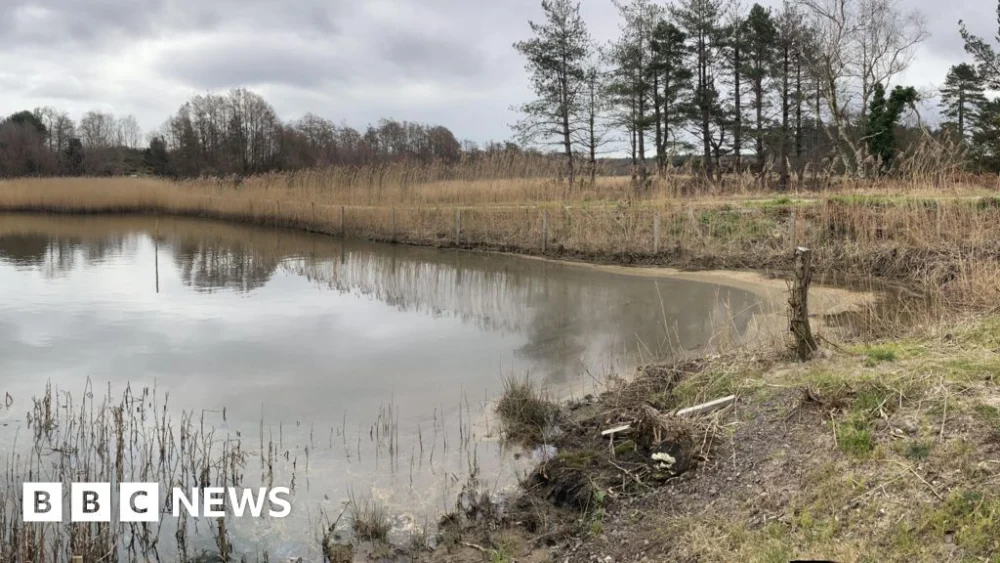
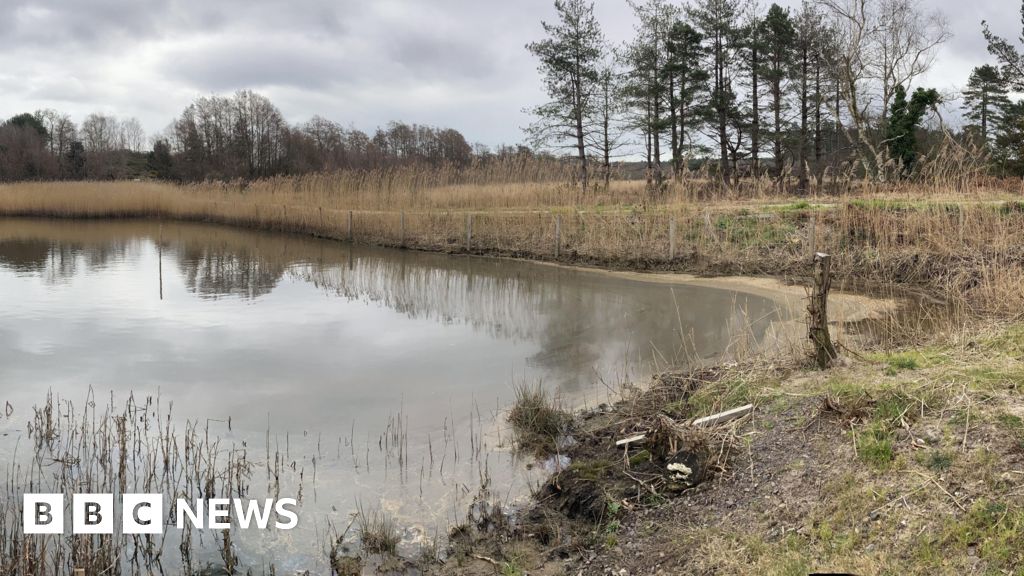
A major incident was officially declared on March 26, 2023, when a pipeline operated by Perenco, traversing under Owers Bay within the confines of Poole Harbour, suffered a rupture. The pipeline, part of the infrastructure connecting to the Wytch Farm oil field, released approximately 200 barrels of oily water into the pristine marine environment. Investigations conducted by Perenco attributed the cause of the rupture to microbial corrosion within the buried pipeline, highlighting a critical flaw in maintenance or monitoring protocols.
Poole Harbour, renowned as the largest natural harbour in Europe, holds an unparalleled ecological significance. Its designation as a Site of Special Scientific Interest (SSSI) reflects its unique and diverse habitats, including expansive intertidal mudflats, salt marshes, and seagrass beds, which provide crucial feeding and breeding grounds for a myriad of migratory bird species, rare invertebrates, and marine life. The introduction of crude oil into such a delicate ecosystem posed an immediate and severe threat, risking long-term contamination of sediments, poisoning of wildlife, and disruption of the intricate food web.
In the immediate aftermath of the spill, Perenco invested substantial resources into the initial emergency response and subsequent clean-up operations. These efforts involved deploying containment booms, skimmers, and undertaking manual removal of oil from affected shorelines and marsh areas. The company also implemented a series of preventative measures designed to avert any recurrence of such an incident, likely involving enhanced pipeline inspection regimes, material upgrades, and advanced corrosion monitoring technologies.
The final compensation package, meticulously negotiated and agreed upon with the Environment Agency, totals £6.1 million. This comprehensive figure accounts for various aspects of the incident and its resolution. A sum of £2.6 million was allocated to cover the costs associated with the early response efforts, including emergency personnel, equipment deployment, and initial assessments. An additional £2.4 million was designated for the extensive clean-up operations, reflecting the complexity and scale of removing oil from sensitive habitats. Furthermore, £115,000 was allocated specifically for detailed ecological surveys, crucial for understanding the full extent of the environmental impact and for guiding long-term restoration strategies.
The spill had immediate and far-reaching consequences for the local community and economy. Following the declaration of a major incident, the affected areas of Poole Harbour were closed to the public. Swimmers, beachgoers, anglers, and sailors were strongly advised to stay away, leading to significant disruption for recreational activities and local businesses dependent on the harbour’s accessibility and environmental health. The closure impacted tourism, fishing, and various watersports, causing a ripple effect throughout the local economy.
Beyond the direct costs of clean-up and response, Perenco also committed to a broader compensation package aimed at supporting affected parties and investing in local environmental and community projects. This included £620,000 distributed to various entities directly impacted by the spill, addressing losses incurred from business interruptions or operational restrictions. A further £400,000 was pledged to local wildlife initiatives and other charitable causes, demonstrating a commitment to fostering long-term recovery and community resilience.
Several key organisations within the Dorset region have been earmarked to receive this crucial funding, enabling them to expand their vital work. Dorset Wildlife Trust (DWT) was among the prominent recipients. Brian Bleese, the chief executive of DWT, articulated how the funding would be instrumental in launching "a suite of high-impact conservation projects that improve water quality, restore wetlands, and support nature’s recovery across Poole Harbour and its wider catchment." These projects are expected to include initiatives such as monitoring water quality parameters, restoring degraded salt marsh habitats through strategic planting and re-profiling, establishing buffer zones along waterways to reduce agricultural run-off, and implementing specific species recovery programs for vulnerable populations affected by the oil spill. DWT’s longstanding expertise in local conservation will ensure these funds are deployed effectively to maximize ecological benefit.
The Friends of Dolphin, a charity dedicated to providing accessible boat trips, also received funding. This organisation offers free, inclusive boat excursions around Poole Harbour for individuals with disabilities, promoting wellbeing and connection with nature. The financial injection will enable the Friends of Dolphin to maintain and upgrade their specialized vessels, ensuring continued safety and accessibility. It will also support the expansion of their services, potentially reaching more beneficiaries and enhancing their operational capacity to offer more frequent and diverse trips, thereby mitigating some of the social impacts felt by vulnerable groups during the harbour’s closure.
Wild Bird Rescue Dorset, an essential local charity, will utilize the funding to significantly enhance its bird care facilities and establish safer recovery spaces. Oil spills pose a grave threat to seabirds and waterfowl, leading to hypothermia, poisoning from ingesting oil during preening, and impaired flight capabilities. The specialized care required for oiled birds, including meticulous cleaning, rehabilitation, and long-term monitoring, is resource-intensive. This funding will facilitate the acquisition of advanced veterinary equipment, the construction of new aviaries and recovery pools, and the training of additional volunteers and staff, thereby improving the chances of survival and successful release for affected birds.
Poole Harbour Commissioners (PHC), the statutory body responsible for managing and operating Poole Harbour, will also benefit from the compensation. The funds will support their ongoing conservation work, which includes managing protected areas within the harbour, monitoring marine biodiversity, and implementing sustainable practices. Crucially, the money will also be used to improve public access to the harbour, potentially through enhanced pathways, educational signage, and facilities that promote responsible enjoyment of the natural environment. PHC’s role in delivering long-term benefits for both the environment and local communities is central to the harbour’s future resilience and sustainability.
The Environment Agency played a critical role in overseeing the investigation and negotiating this compensation package. Their enforcement action underscores the regulatory commitment to holding polluters accountable and ensuring that environmental damage is not only cleaned up but also adequately compensated for. The legal framework surrounding such incidents emphasizes the "polluter pays" principle, ensuring that the financial burden of environmental restoration falls upon those responsible for the harm.
This incident serves as a stark reminder of the delicate balance between industrial operations and environmental protection, particularly in areas of exceptional ecological value like Poole Harbour. The comprehensive financial settlement, coupled with Perenco’s commitment to preventative measures and community support, represents a significant step towards recovery. However, the full ecological restoration of such a complex ecosystem will require sustained monitoring, dedicated conservation efforts, and ongoing vigilance to ensure that the natural heritage of Poole Harbour is preserved for future generations. The ramifications of the 2023 spill will likely be felt for years, necessitating a collaborative approach from industry, regulators, and local communities to ensure the long-term health and resilience of this invaluable natural asset.



 Roy Suryo
 George Anjay
 Ramos Leo
 atisusanti