
 Nana Banana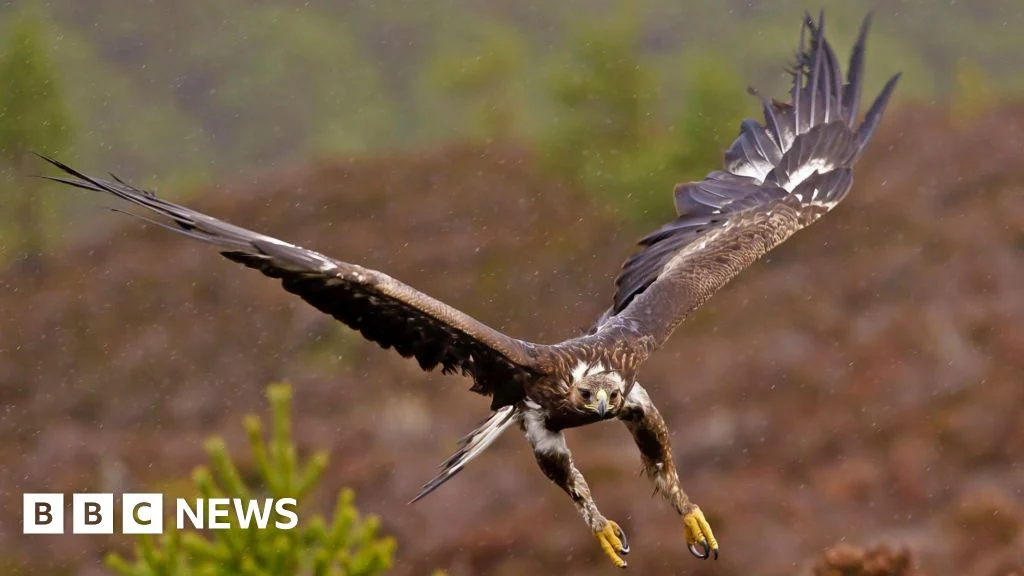
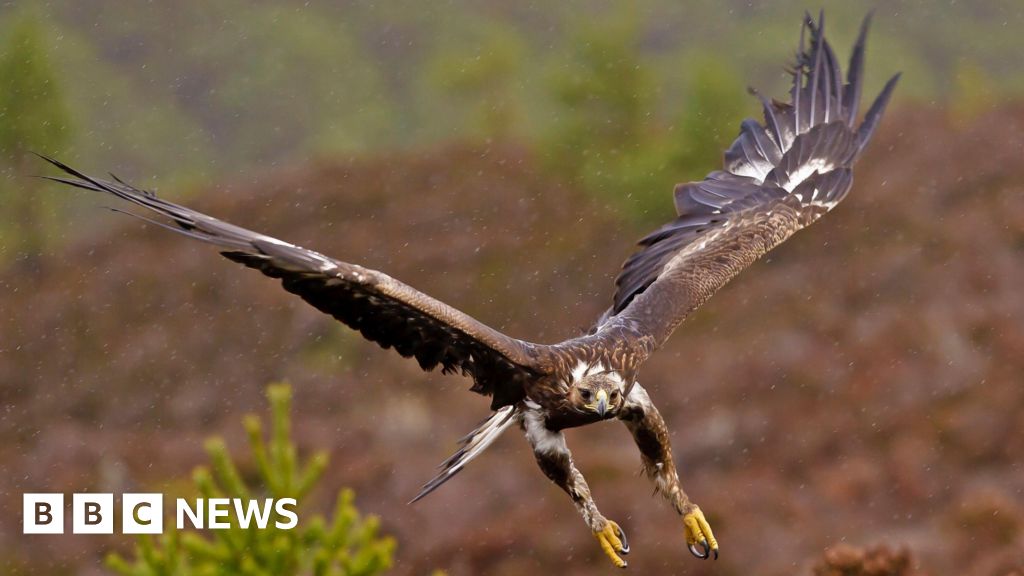
Golden eagles, magnificent birds of prey that once soared across English skies, are poised for a triumphant and permanent return, backed by a significant £1 million government pledge aimed at reintroducing the species as early as next year. This landmark commitment marks a pivotal moment for nature recovery in England, seeking to reverse a tragic historical decline that saw Britain’s second-largest bird of prey systematically eradicated from the country during the 19th century.
The deliberate and often brutal campaign of hunting that led to their extinction was driven by a perceived threat to livestock, particularly lambs, and to game birds like grouse, which were valuable for shooting estates. Despite their formidable reputation and status as apex predators, these iconic birds, capable of reaching breathtaking speeds of up to 200 mph in a dive and spotting a rabbit three miles away with their razor-sharp vision, were relentlessly persecuted. For over a century, the sight of a golden eagle gracing the English landscape has been a rarity, confined mostly to occasional wanderers from Scotland.
Now, a collaborative effort spearheaded by Forestry England and the charity Restoring Upland Nature (RUN) aims to change this. Forestry England, having conducted extensive research into suitable habitats, will launch a comprehensive public consultation, building on the success of RUN’s initiative to re-establish the species along the Scottish border. The government’s financial backing underscores the national importance of this rewilding project, which is seen as a crucial step in restoring ecological balance.
Environment Secretary Emma Reynolds articulated the broader vision behind the project, stating, "Aside from being Britain’s second largest bird of prey with an impressive two-metre wingspan, the golden eagle is a keystone species that can play a vital role in nature recovery more widely." This sentiment reflects a growing understanding within government and conservation circles of the interconnectedness of ecosystems and the profound impact that the reintroduction of an apex predator can have. The government has, in recent years, demonstrated a commitment to species reintroduction programmes, including the successful re-establishment of pine martens, beavers, and white-faced darter dragonflies, as part of a wider strategy to reverse biodiversity loss.
Ed Parr Ferris, species recovery manager at Forestry England, elaborated on the ecological benefits. He explained that bringing golden eagles back can help regulate mesopredators – species that occupy the middle of the food web – such as foxes and badgers. "Golden eagles are impressive and beautiful birds, and one of our only remaining apex predators in Britain. Any predator applies a pressure on a system to balance all the different other animals that are living in that place… allow[ing] space for rarer animals to survive and to thrive," Ferris noted. Their presence can create a cascade effect, leading to healthier and more diverse ecosystems.
Forestry England’s exhaustive feasibility study evaluated 28 potential locations across England. Out of these, eight were identified as providing the optimal climate, suitable landscape, and minimal potential for disturbance, with Northumberland emerging as the favoured site for the initial reintroduction. The specific release location, however, is being withheld for the safety and security of the birds, a precaution sadly necessitated by past incidents of persecution.
The groundwork for this ambitious English project has been laid by the remarkable success of the Scottish border re-establishment scheme. Over the last eight years, 28 golden eagle chicks, sourced from the Scottish Highlands and the Orkney Isles, have been successfully relocated and established in the Scottish Borders. While some of these magnificent birds have occasionally ventured south into England, the study estimated that without direct intervention, it would take an estimated 20 years for the population to naturally expand and settle further south. This underscores the need for an active reintroduction programme to accelerate their return to England.
Restoring Upland Nature (RUN), the charity behind the successful Scottish border scheme, will be at the forefront of the £1 million programme in England, managing its implementation over the next three years. Dr. Cat Barlow, CEO of RUN, anticipates that, following a crucial period of public consultation with landowners and farmers, the first chicks could be introduced as early as next summer. Dr. Barlow highlighted the dual importance of this next step, not only for the species itself but also for engaging the broader public in the critical issue of nature recovery. "It is really difficult to get people excited about peat restoration. But something like a golden eagle can get new audiences excited, and get them aware of how the whole ecosystem can work together," she explained, emphasizing the charismatic appeal of these birds in galvanizing public interest in conservation.
However, the reintroduction plan is not without its challenges and detractors, particularly from farming communities. While widespread support has been noted, concerns about the potential threat golden eagles pose to lambs have been raised. Prof Davy McCracken, professor of agriculture ecology at Scotland’s Rural College, voiced reservations about the proposed 18-month consultation period, suggesting it might be insufficient. "You’ve got to remember that land managers and farmers who may be most concerned about being impacted, have very intensive periods of seasonal activity – times when they can’t necessarily engage effectively in any consultation," he pointed out, advocating for a more flexible and extended engagement process.
William Maughan, National Farmers Union North Regional Board Chair and a farmer himself, echoed these sentiments, stressing that "thorough, meaningful and clear" engagement with farmers is absolutely crucial for the project’s long-term success. He firmly stated, "Farmers cannot be expected to carry the cost, risk, and responsibility of poorly implemented reintroduction projects." These concerns are understandable, given the economic pressures faced by rural communities.
Conservationists are keen to address these anxieties. Ed Parr Ferris clarified that golden eagles exhibit different behaviours from what is often perceived. "We do recognize they can take small lambs very occasionally as a part of their diet, but that’s rare, and it’s far more likely that they’ll be taking carrion," he explained. The feasibility study’s estimates suggest that golden eagles would be responsible for a very small fraction of lamb losses in their hunting range, between 0.15% and 3% of all losses.
Dr. Cat Barlow acknowledged the difficulty in shifting deeply ingrained perceptions, but pointed to the Scottish project as a model for success. "It started from quite a challenging start point. There has been a lack of trust between the shooting community, for example, and conservationists and raptor workers," she said. By strategically hiring a retired gamekeeper, RUN managed to build bridges and bring many people, including shooting estates, onside, with some even now assisting in building artificial nests. This demonstrates the power of direct engagement and understanding local perspectives.
Prof McCracken offered farmers some "comfort" from the Scottish project’s success but understood their ongoing concerns, particularly in light of broader discussions around reintroducing other carnivorous predators like lynx. "We have a tendency to look at things in isolation," he noted. "One species on its own might not have a major impact. It’s just being aware there may be cumulative effects… having two or three additional species reintroduced." This highlights the need for a holistic approach to rewilding efforts.
The potential for conflict between human activities and wildlife remains an ever-present reality. A stark reminder came in February when one of the eagles relocated to the Scottish Borders, named Hamlet, was tragically found with pellet wounds, underscoring the ongoing threat of illegal persecution. This incident, along with the decision to keep the exact release location confidential, illustrates the careful balance required to protect these magnificent birds as they reclaim their rightful place in England’s natural heritage. The permanent return of golden eagles to England represents not just a conservation victory, but a powerful symbol of national commitment to restoring biodiversity and fostering a deeper connection with the wild.



 George Anjay
 Nakalama John
 atisusanti
 Ramos Leo
 Roy Suryo