
 Ramos Leo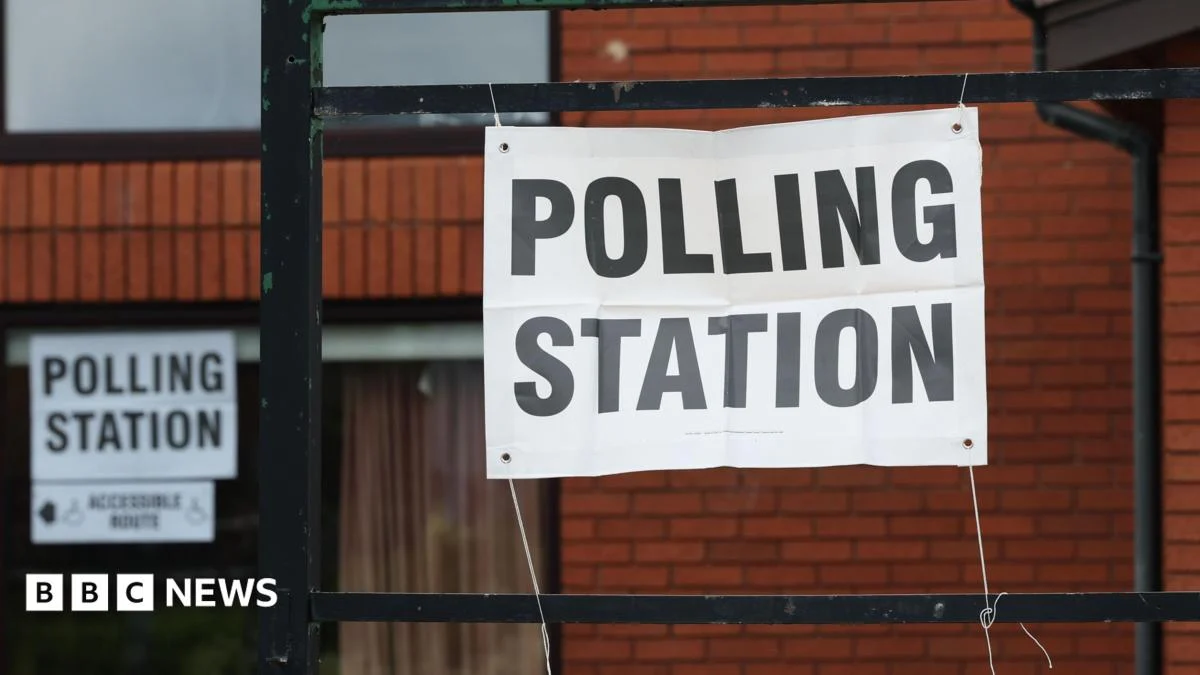
The catalyst for this snap election was Andy Burnham’s remarkable trajectory from local leadership to national prominence. His success in last month’s Makerfield parliamentary by-election, a seat he contested after a period of significant national profile building as Mayor, provided the initial step. Constitutionally, Members of Parliament are not permitted to simultaneously hold mayoral positions, thereby triggering his immediate resignation from the Greater Manchester mayoralty. However, the subsequent, rapid chain of events saw Burnham, fresh from his by-election victory, swiftly emerge as a leading contender for the leadership of his party, culminating in his appointment as Prime Minister earlier this month. This unprecedented rise has left Greater Manchester at a pivotal juncture, needing to elect a new leader while its former Mayor now steers the country.
The role of the Mayor of Greater Manchester is multifaceted and carries significant devolved powers, making this election profoundly impactful for the region’s 2.8 million residents. The Mayor chairs the Greater Manchester Combined Authority, a statutory body comprising the leaders of the ten Greater Manchester councils. Together, they oversee strategic decisions across a wide array of vital public services and policy areas. These responsibilities include setting the strategic vision for transport, encompassing the Bee Network integrated public transport system; leading on housing and homelessness initiatives, including significant investment in affordable homes; overseeing policing and fire services through direct accountability for the Chief Constable and Chief Fire Officer; driving economic development and investment to foster job creation and regional prosperity; developing skills and education strategies to equip the workforce for future challenges; and championing environmental sustainability and climate action targets for the city region. The Mayor acts as a powerful advocate for Greater Manchester on both national and international stages, negotiating with central government for funding and greater autonomy, and promoting the region’s interests. The new Mayor will inherit a complex set of challenges, from addressing the ongoing cost of living crisis and enhancing regional transport infrastructure to tackling persistent inequalities and continuing the ambitious journey towards net-zero carbon emissions.
Voters across the metropolitan boroughs of Bolton, Bury, Manchester, Oldham, Rochdale, Salford, Stockport, Tameside, Trafford, and Wigan are participating in the democratic process today. The results of the election are eagerly anticipated and are scheduled to be announced on Friday, following the collation and counting of votes. The outcome will not only determine the region’s leadership for the coming term but also set the tone for Greater Manchester’s relationship with a national government now led by its former Mayor.
The election employs the supplementary vote (SV) system, a mechanism designed to ensure the winning candidate secures a broader mandate. Under this system, voters are given the option to select both a first-choice candidate and a second-choice candidate on their ballot paper. The initial stage of the count involves tallying all first-choice votes. If any candidate achieves more than 50% of these first-preference votes, they are immediately declared the winner. However, if no candidate crosses this 50% threshold, the system moves to a second stage. In this "run-off" round, all candidates except for the two highest-polling individuals from the first round are eliminated from the race. The second-choice votes from those ballots cast for the eliminated candidates are then reallocated to the remaining top two contenders. For instance, if a voter’s first choice was for an eliminated candidate, and their second choice was for one of the top two, that second-choice vote is added to the relevant candidate’s tally. The candidate who accumulates the most votes after this reallocation process is then declared the winner. This system aims to produce a Mayor with stronger overall support, preventing a candidate from winning with a mere plurality of votes when there are multiple contenders. It also encourages voters to express a preference beyond their most favoured candidate, acknowledging the multi-party nature of the electoral landscape.
Here is a list of the seven candidates who are standing in the mayoral election, presented in alphabetical order by surname, along with a brief overview of their platforms:
-
Councillor Maria Sanchez (Labour Party): A long-serving local councillor and former Deputy Mayor, Sanchez campaigns on a platform of continuity and progressive change. Her priorities include expanding the Bee Network to improve public transport reliability and affordability, accelerating the delivery of genuinely affordable housing, and strengthening community safety initiatives through increased investment in youth services and neighbourhood policing. She aims to build on the legacy of the previous administration while addressing new challenges faced by residents.
-
David Henderson (Conservative Party): A prominent local business leader with a background in urban development, Henderson focuses on economic regeneration and fiscal responsibility. His manifesto pledges include attracting more private investment to create high-skilled jobs, cutting waste within the GMCA budget, and advocating for lower council taxes. He also proposes a review of transport projects to ensure maximum economic benefit and efficiency, alongside a commitment to tougher measures on crime.
-
Dr. Eleanor Vance (Reform UK): An academic and commentator, Dr. Vance’s campaign centres on accountability and local autonomy. She advocates for a significant reduction in bureaucracy within the GMCA, greater transparency in decision-making, and a direct challenge to central government on issues of funding and immigration policy. Her platform also emphasizes public safety and a focus on core services, promising to put the needs of working families first.
-
Jonathan Mills (Liberal Democrats): A community activist and environmental advocate, Mills highlights green issues and mental health support. His proposals include accelerating Greater Manchester’s transition to renewable energy, investing heavily in walking and cycling infrastructure, and expanding access to mental health services across all age groups. He also champions local democratic reforms to give communities a stronger voice in regional decisions.
-
Peter O’Malley (Independent): A former trade union official and lifelong resident of Salford, O’Malley is running as an independent with a strong focus on workers’ rights and tackling poverty. His platform calls for a living wage for all Greater Manchester workers, increased support for local businesses, and a robust strategy to reduce homelessness and food poverty. He pledges to be a non-partisan voice for ordinary people, free from party political constraints.
-
Sarah Jenkins (Green Party): An environmental scientist and climate change campaigner, Jenkins’s campaign is entirely focused on ecological sustainability and social justice. She advocates for radical changes to public transport to make it entirely green and free at the point of use, investing in green jobs and skills, and implementing ambitious targets for biodiversity and clean air. Her vision is for Greater Manchester to become a leading eco-city.
-
Councillor Ben Carter (Independent): A veteran local councillor with a reputation for cross-party collaboration, Carter is standing as an independent with a focus on delivering practical improvements for residents. His platform prioritizes fixing local roads, improving local public services, and ensuring fair distribution of resources across all ten boroughs. He promises to be an accessible and responsive Mayor, dedicated to community-level issues rather than grand political gestures.
To ensure every eligible citizen can participate, the location of your nearest polling station can be found on your official polling card, which should have been delivered to your registered address. Alternatively, comprehensive information regarding polling station locations is available by searching on your local council’s official website. This election represents a significant moment for Greater Manchester, as it navigates a new political landscape and elects a leader who will shape its future for years to come, especially with its former Mayor now in Downing Street. The region watches with bated breath to see who will step up to the challenge of leading this dynamic and ambitious metropolitan area.

 George Anjay
 Nakalama John
 atisusanti
 Roy Suryo
 Nana Banana