
 Nana Banana
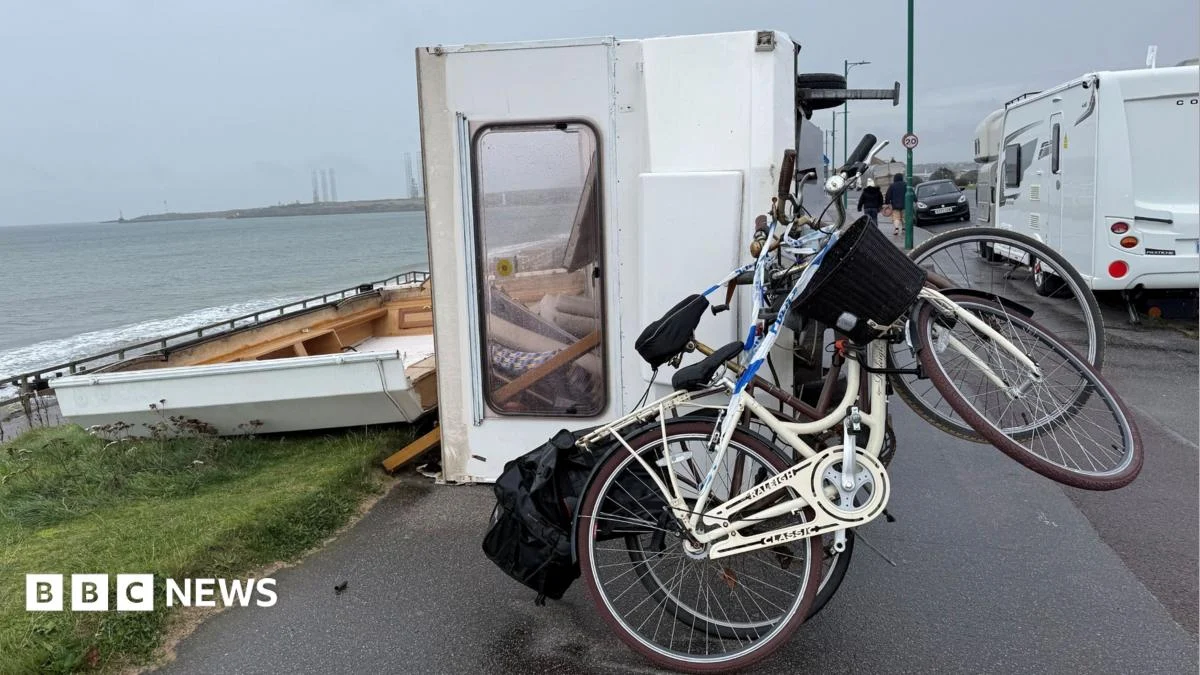
While this latest weather front is not anticipated to be as widely destructive as Storm Boelo or Storm Austen, which battered the nation in quick succession, its arrival highlights a period of sustained tumultuous weather for Scotland. Due to its projected lower intensity compared to the criteria for named storms, this system has, as yet, not been officially designated. Should future storms meet the Met Office’s naming thresholds for the 2026/2027 season, the next available name on the storm list is Chloe, signifying the ongoing cycle of atmospheric disturbances affecting the British Isles.
The impending system follows closely on the heels of Storm Boelo, which unleashed considerable havoc across various regions of Scotland just hours prior. On Monday, Boelo brought widespread heavy flooding, inundating roads, disrupting public transport networks, and threatening properties in several low-lying areas. Simultaneously, the storm delivered ferocious wind gusts, reaching speeds of up to 85mph (137km/h) in some exposed locations. These extreme conditions led to significant structural damage, toppling trees, and causing extensive power outages that plunged tens of thousands of homes into darkness.
Tragically, the severe weather associated with Storm Boelo also claimed a life. A 60-year-old man died on Sunday after being struck by a falling tree at Mid Kelton, a rural community near Castle Douglas in Dumfries and Galloway. The incident serves as a stark reminder of the profound dangers posed by high winds and the critical importance of heeding weather warnings and exercising extreme caution during such events. Emergency services responded swiftly, but the power of the storm proved fatal in this devastating instance, prompting renewed calls for public vigilance.
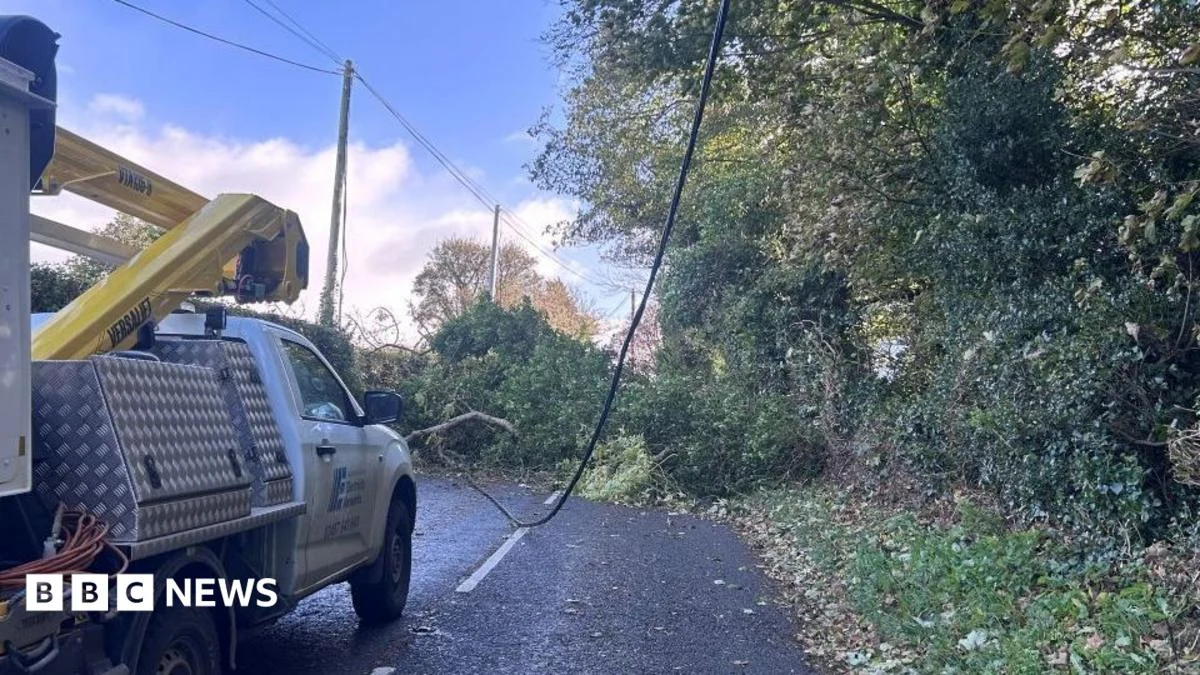
The immediate aftermath of Storm Boelo saw widespread efforts to restore essential services. On Monday evening, Scottish and Southern Energy Networks (SSEN), the primary electricity distribution company for the north of Scotland, confirmed that work was ongoing to reconnect the supplies of approximately 15,000 homes that remained without power. Engineers faced immense challenges, battling against persistent strong winds, heavy rain, and the complex logistics of reaching damaged infrastructure in often remote and difficult-to-access locations. SSEN deployed extensive resources, including hundreds of field teams, to expedite repairs and restore power to affected communities as quickly and safely as possible. The prolonged nature of the outages underscored the resilience required from both the utility providers and the impacted residents.
Meanwhile, Scottish Power Energy Networks (SPEN), which serves customers primarily in central and southern Scotland, including Ayrshire and Dumfries and Galloway, reported significant progress in their own restoration efforts. SPEN initially saw around 50,000 customers lose power due to Storm Boelo. By Monday evening, the company announced that all but a "very small number" of these customers were expected to have their electricity supplies restored by 02:00 on Tuesday. This rapid recovery built upon substantial efforts over the weekend, where almost 100,000 homes across both SSEN and SPEN service areas had their power successfully reconnected, highlighting the scale of the initial disruption and the intensive work undertaken by engineers round the clock.
In addition to wind-related hazards, the Scottish Environment Protection Agency (SEPA) issued a series of flooding alerts, emphasizing the risk posed by heavy rainfall and coastal conditions. SEPA placed an amber risk of flooding in effect for the Northern and Western Isles, as well as Caithness and Sutherland, indicating a significant potential for disruption and property damage. Furthermore, areas of the southwest and Argyll, including the Solway Firth and Firth of Clyde, were warned to expect volatile conditions characterized by large waves and strong winds. These combined factors made flooding of low-lying land highly likely, particularly in coastal communities susceptible to storm surges and high tides. SEPA urged residents in these areas to remain vigilant, prepare for potential flooding, and follow advice from local authorities.
Responding directly to SEPA’s warnings, Highland Council took proactive measures to protect vulnerable infrastructure. Flood gates on the mile-long Caol and Lochyside flood protection scheme, situated near Fort William, were closed. This critical scheme, designed to safeguard hundreds of homes and businesses from coastal and riverine flooding, demonstrated its importance in mitigating the impact of the severe weather. The council’s swift action aimed to prevent inundation and minimise disruption for the local population.
Police Scotland reiterated the ongoing high risk of disruption across the country, with adverse weather conditions anticipated to persist into Tuesday. Assistant Chief Constable Mark Sutherland issued a stark warning, stating that although the amber weather warning for the most severe impacts of Storm Boelo was no longer in place, disruption was "likely well beyond that due to further poor weather, fallen trees and other damage caused by the storm." He urged the public to consider if their journeys were absolutely necessary, to check travel advice before setting out, and to drive with extreme caution, particularly on rural roads where debris or standing water might pose hazards. Police Scotland emphasised the collective responsibility to ensure safety during this challenging period.
The Scottish Government also acknowledged the gravity of the situation and the prolonged nature of the severe weather. Social Justice and Housing Secretary Shirley-Anne Somerville, speaking to BBC Scotland News, admitted that there were "challenges ahead" given the continuous onslaught of adverse conditions. She strongly urged local councils across Scotland to review their readiness plans, ensuring that emergency services, infrastructure teams, and community support networks were fully prepared to respond to any further impacts. Somerville stressed that authorities were working tirelessly to ensure "everything that can be done is being done" to protect communities and facilitate recovery.
Beyond governmental and local authority actions, Secretary Somerville also highlighted the crucial role that every individual could play in enhancing collective resilience. She encouraged households to become "as resilient as we can," advocating for practical steps such as preparing emergency kits, securing loose outdoor items, and understanding local flood risks. Furthermore, she emphasised the importance of community spirit, urging people to engage in "looking after neighbours and friends," particularly those who may be elderly, vulnerable, or living in isolated areas. This collective approach, combining official preparedness with community vigilance, was presented as essential in navigating the ongoing weather challenges and ensuring Scotland emerges stronger from this period of relentless storms. The cumulative impact of Austen, Boelo, and now this unnamed third system, continues to test the resilience of Scotland’s infrastructure and its people.


 George Anjay

 Nakalama John
 atisusanti
 Ramos Leo

 Roy Suryo
