
 Ramos Leo
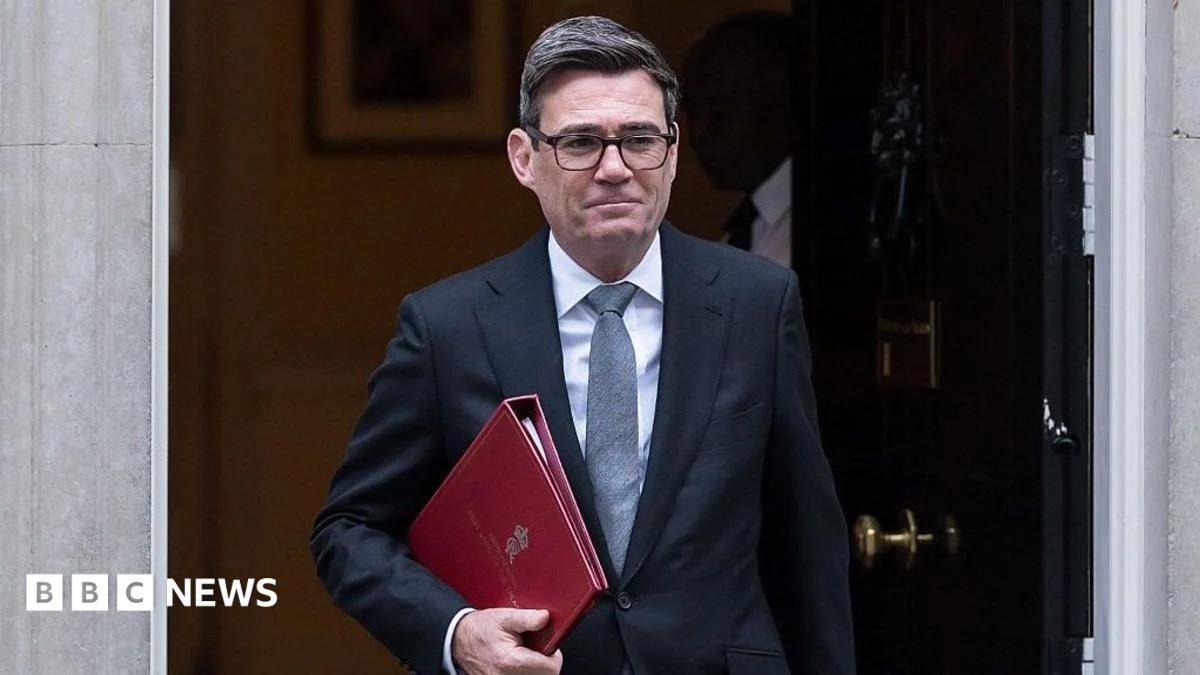
However, Andy Burnham, the prominent Labour figure, has no such reservations. Indeed, he has actively sought to engage with the issue, repeatedly stating in the last few weeks, "let’s talk about Brexit." His consistent argument is that the current deal between the UK and EU isn’t good enough, hindering economic growth and failing to deliver optimal outcomes for British citizens and businesses. Over the weekend, he amplified his position, suggesting he wanted an "honest discussion" about freedom of movement. This call is particularly potent given that countries in the EU’s single market are required to sign up to freedom of movement, which permits people to live and work across all member states. Considering the seismic role immigration played in galvanizing many voters during the EU referendum in 2016, even reopening the question of freedom of movement feels like a significant political gambit. It challenges the established post-Brexit consensus and risks reigniting deeply entrenched divisions that many in Westminster have preferred to keep dormant.
On Monday morning, the Prime Minister appeared to add further detail, suggesting that any return to freedom of movement in the UK would only occur if sanctioned by a national referendum. This intervention, whether deliberate or a misinterpretation, added another layer of complexity to Burnham’s already bold proposal. Later, though, his team wouldn’t repeat that specific condition, instead emphasising that Burnham wants to initiate a broad-based conversation without, at this point, committing to any possible outcome. This retraction or clarification highlighted the inherent volatility of the issue and the careful tightrope walk required when discussing such sensitive policy areas.
The immediate reaction within political circles was mixed. Some of Burnham’s own Members of Parliament felt this was a self-inflicted tangle, an unnecessary diversion that could have been avoided at a time when Labour is attempting to project a united front and focus on domestic issues. They worry about alienating segments of the electorate who voted for Brexit specifically to end freedom of movement. Others, however, perceive merit in Burnham’s penchant for narrating his thoughts and possible direction publicly, thereby using his prominent position to seek to dominate the political debate. This school of thought suggests that by forcing the conversation, Burnham can shape the narrative and potentially push the Labour Party, and indeed the country, towards a more pragmatic and economically beneficial relationship with the EU.
While the Labour Party’s centre of gravity generally tilts towards a collective instinct that a closer relationship with the EU would be preferable to the status quo, there are palpable differences of emphasis and indeed outright disagreements about precisely how much closer that relationship should be and when it would be politically wise to pursue such changes. These internal tensions underscore the difficulty of forging a coherent and electorally viable Brexit policy, especially one that addresses the economic realities while respecting the democratic mandate of the 2016 referendum. Burnham’s intervention, therefore, while bold, highlights these lingering unresolved questions within the Labour Party and the wider British political landscape. Any move towards re-evaluating the current deal would necessitate complex negotiations, potential economic restructuring, and a delicate balancing act to unite a fractured electorate.
Beyond the complexities of Brexit, another thorny issue has emerged, testing Labour’s internal cohesion and its commitment to environmental targets: energy policy. Last week, Energy Secretary Miatta Fahnbulleh approved drilling in the Jackdaw field in the North Sea, located approximately 150 miles east of Aberdeen. This field is principally a gas field, and Fahnbulleh grounded her justification in the pressing need to provide the UK with greater energy security, particularly at a time of escalating geopolitical instability marked by the war in Ukraine and ongoing conflicts in the Middle East. Her argument posited that the gas from Jackdaw could be tapped into and serve British homes and businesses pretty much straight away, offering a vital domestic supply amidst global energy volatility. Crucially, she also outlined a plan for the tax revenue generated from this project to be put into an "energy wealth fund," with the stated aim being to invest these funds directly into renewable and low carbon energy projects, thereby accelerating the UK’s transition to a greener future.
However, the approval of Jackdaw immediately raised questions about other proposed projects, most notably the Rosebank field, situated 80 miles north-west of the Shetland islands, with its primary focus on oil extraction. Labour figures both in and outside government openly acknowledge that Rosebank presents a much, much harder sell to plenty in their own party and beyond. The environmental implications of a new, large-scale oil field are far more contentious than a gas field, particularly given the UK’s ambitious net-zero targets and its role as a global leader in climate action. Some within the party, who nevertheless want to see the Rosebank project go ahead, fear that the Energy Secretary herself is not likely to be convinced that it should be approved, signalling a potential internal deadlock.
It is in that fraught context that we should interpret the actions of allies of the Chancellor (implicitly, the current UK Chancellor of the Exchequer). They have pointedly made it known that he is in favour of the Rosebank project. His public language on the day Jackdaw was approved was particularly telling. While discussing the Energy Wealth Fund, he stated: "It means the extra tax revenues that come from North Sea oil and gas can be directed into developing more clean energy projects for the future." Note his explicit reference to "oil," which subtly but significantly broadened the scope of the fund beyond just gas, thereby laying the groundwork for Rosebank’s potential approval. Fahnbulleh herself had previously distinguished Rosebank as "a different proposition" to Jackdaw, underscoring the differing views at the heart of government.
The core dilemma remains: can those who worry, in particular, about the substantial carbon emissions from a new oil field, be won over by an argument grounded in this being a geopolitically pragmatic and environmentally credible part of the transition to cleaner fuels? Proponents argue that domestic oil production reduces reliance on more carbon-intensive imported fuels and provides essential energy security during the transition phase. They also point to the economic benefits, including job creation and significant tax revenues that could fund renewable energy projects, mirroring the Jackdaw justification.
Some Labour MPs certainly hope this nuanced argument can prevail, but they acknowledge it’s a tall order to persuade some, including influential figures within the government itself. The depth of feeling on this issue is such that if Rosebank were to be approved against significant internal opposition, it could, as the original article hints, raise the profound question of ministerial resignations. Such an outcome would not only expose deep fissures within the Labour Party’s environmental and economic policy but also cast a shadow over its ability to present a united and credible front as a government-in-waiting. The political stakes for both Brexit re-evaluation and fossil fuel expansion are immensely high, making the upcoming Budget and the ongoing internal debates critical junctures for Andy Burnham and the Labour Party.


 George Anjay

 Nakalama John
 atisusanti

 Roy Suryo
 Nana Banana
