George Anjay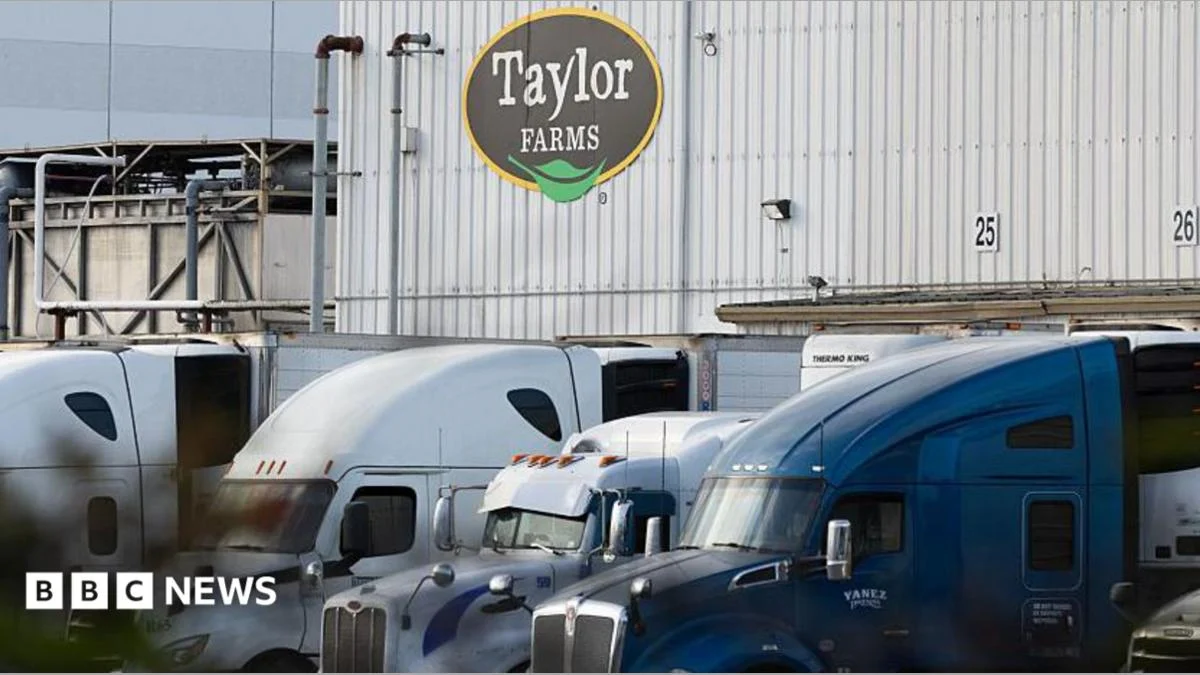
A critical breakthrough in the ongoing investigation into a widespread explosive diarrhea outbreak across the United States has been announced, with health officials confirming that a sample of iceberg lettuce from the food supplier Taylor Farms has tested positive for the parasite responsible for the debilitating illness. This parasitic contamination has affected thousands of individuals, leading to widespread gastrointestinal distress and significant public health concern. The Food and Drug Administration (FDA) revealed that the implicated sample, identified as belonging to Taylor Farms, was obtained during targeted surveillance efforts and, crucially, is not part of the company’s current voluntary recall that was initiated on Friday.
Taylor Farms, a significant supplier to the popular fast-food chain Taco Bell, had previously announced its proactive step of voluntarily removing all iceberg lettuce sourced from central Mexico from the U.S. market. This broad removal was accompanied by a detailed list of affected products, underscoring the company’s efforts to contain the potential spread of the pathogen. While no fatalities have been reported in connection with this outbreak, the severity of the infections is evident in the substantial number of hospitalizations, with at least 94 individuals requiring medical care due to confirmed cyclosporiasis infections.
The distinction between a voluntary product removal and a formal recall is significant in public health and consumer protection. A recall, mandated by regulatory bodies like the FDA, compels companies not only to retrieve affected products from the market but also to actively notify consumers about the risks and the steps being taken. This process is generally more comprehensive, costly, and legally binding than a voluntary removal, which relies on the company’s own initiative and cooperation. The FDA’s involvement in collecting the positive sample during its targeted import surveillance highlights the agency’s commitment to tracing the root cause of foodborne illness outbreaks and ensuring the safety of the nation’s food supply.
In a statement confirming the positive test result, the FDA emphasized that "Taylor Farms has confirmed that this positive product is not part of their current recall." This statement, however, does not diminish the gravity of the finding. The agency is now diligently working with Taylor Farms to ascertain the full scope of the implicated lot, specifically to determine if any portion of it is still present in the commercial supply chain or has reached consumers’ homes. This ongoing investigation aims to ensure that no contaminated product remains available for consumption, thereby preventing further infections.
The onset of the cyclosporiasis infections was first officially detected by the FDA on May 13th. Cyclospora cayetanensis, the parasite identified as the culprit, is known for its incubation period, which can extend up to two weeks from the time of exposure. This delayed onset can make it challenging to pinpoint the source of infection immediately, as individuals may consume the contaminated food days before symptoms manifest. The symptoms associated with this foodborne illness are characterized by a prolonged period of watery diarrhea that can persist for several days, often accompanied by sudden and significant weight loss and a noticeable loss of appetite. These debilitating symptoms can severely impact an individual’s quality of life and necessitate medical attention.
The Centers for Disease Control and Prevention (CDC) has been instrumental in tracking the outbreak and has linked thousands of infections to Cyclospora, with iceberg lettuce supplied by Taylor Farms and distributed to Taco Bell locations in at least five states being identified as the primary vehicle of transmission. The affected states currently identified by the CDC are Indiana, Kentucky, Michigan, Ohio, and West Virginia. In response to these findings, the CDC has issued a strong advisory to consumers, urging them to refrain from eating shredded iceberg lettuce served at Taco Bell restaurants in these specific states. This targeted warning is crucial for preventing further cases and protecting public health in the most affected regions.
Taco Bell, in its efforts to comply with public health recommendations and ensure customer safety, has confirmed that it has completed the removal of all affected Taylor Farms lettuce from its restaurant operations. This swift action by the fast-food giant demonstrates a commitment to addressing the immediate risks posed by the contaminated product. The company’s cooperation with health officials and its proactive removal of the ingredient are vital steps in mitigating the impact of the outbreak.
Taylor Farms, in its public statement, has outlined the comprehensive measures it is undertaking in response to the confirmed contamination. The company has stated that it has immediately "stopped receiving product from the implicated lot, suspended distribution of the iceberg lettuce from Central Mexico, notified [its] customers and [is] continuing to work with the FDA, CDC, and state authorities." This multi-faceted approach demonstrates a serious commitment to addressing the issue, from halting further distribution of potentially contaminated product to engaging with all relevant regulatory and health bodies.
The scope of the recall initiated by Taylor Farms is extensive, encompassing iceberg lettuce sold in 27 states. This broad recall highlights the widespread distribution of the implicated product and the potential for a large number of consumers to have been exposed. Furthermore, the FDA has identified that the Marketside-branded iceberg lettuce, also sold at Walmart locations across 15 states, is included in this recall, indicating a wider reach of the contaminated supply chain than initially understood. The collaborative efforts between Taylor Farms, Walmart, Taco Bell, and federal and state health agencies are crucial for a thorough investigation and effective containment of this public health threat. The ongoing monitoring and testing by the FDA, coupled with the proactive measures taken by the involved companies, aim to restore consumer confidence and prevent future outbreaks of this nature. The investigation continues to unravel the complex pathways of food distribution and identify any potential vulnerabilities that could lead to such widespread contamination.




 Nakalama John
 Ramos Leo
 Nana Banana