
 Ramos Leo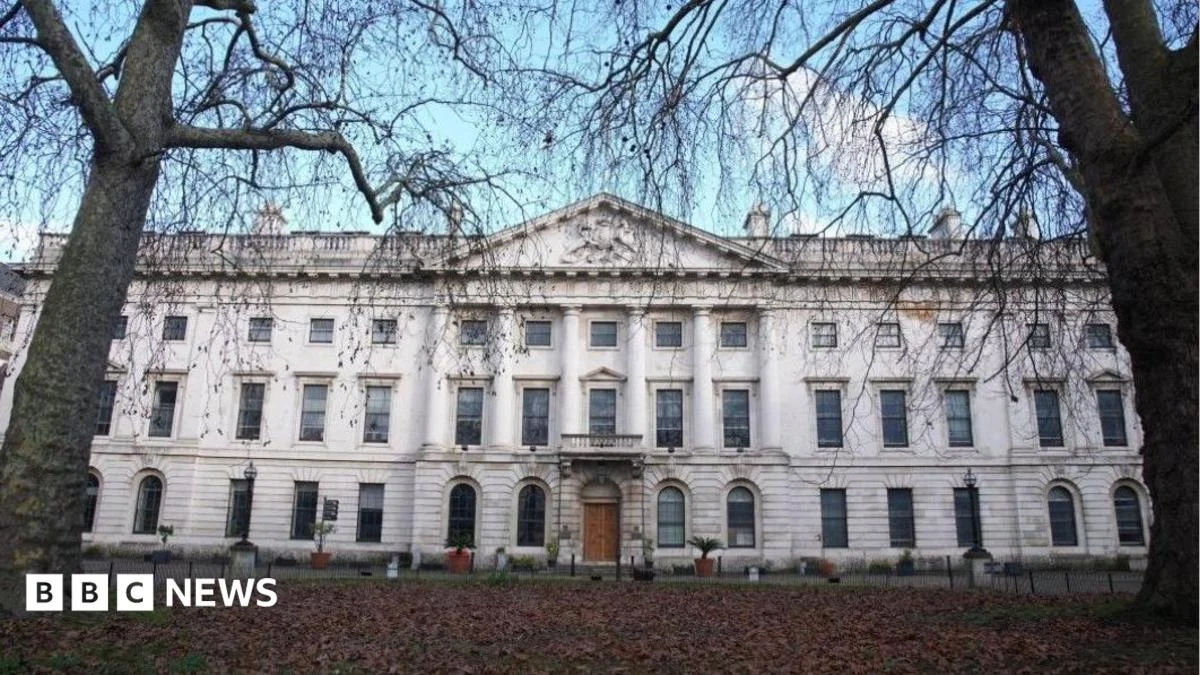
The High Court’s decision has been met with profound disappointment and dismay by a coalition of local residents and businesses, represented by the Royal Mint Court Residents’ Association (RMCRA). The RMCRA, acting on behalf of families and commercial entities residing in approximately 100 properties surrounding the proposed embassy site, has vociferously campaigned against the development, citing a litany of serious concerns. Their primary fears revolve around the potential for the sprawling diplomatic complex to become a nexus for espionage and surveillance, a base for the extraterritorial enforcement of what they describe as "draconian" Chinese laws, and a focal point for targeting dissidents residing within the United Kingdom.
The RMCRA’s concerns regarding espionage are rooted in the site’s proximity to key financial institutions in the City of London, government buildings, and other sensitive national infrastructure. They argue that a diplomatic mission of this scale, operated by a state known for its sophisticated intelligence capabilities, could facilitate intelligence gathering operations, including electronic surveillance and cyber activities, posing a tangible national security risk. The historical context of the Royal Mint Court, a site traditionally associated with national sovereignty and security, further amplifies these anxieties among local inhabitants.
Beyond the immediate threat of intelligence operations, residents express profound apprehension about the potential for the embassy to be used to extend the reach of China’s domestic legal framework into the UK. This concern is particularly acute in the context of China’s increasingly assertive posture regarding its national security laws, which have been criticized for their broad scope and extraterritorial application, notably in Hong Kong. Campaigners fear that the embassy could become a centre for monitoring, intimidating, and potentially coercing Chinese nationals and individuals critical of the Chinese government residing in the UK, including Uighurs, Tibetans, Hong Kong democracy activists, and Falun Gong practitioners. The mechanisms for such actions could range from psychological pressure on family members in China to direct surveillance and harassment within the UK, effectively undermining the safety and freedom of expression for these vulnerable communities.
Another significant point of contention raised by the RMCRA pertains to safety regulations, specifically the risk of fire and the enforceability of safety obligations. The association articulated a worry that the Chinese government might disregard stringent UK safety standards, and that any failure to comply would be rendered effectively unchallengeable due to the protections afforded by diplomatic immunity. Diplomatic immunity, a cornerstone of international law codified in the Vienna Convention on Diplomatic Relations, grants diplomatic missions and their staff extensive exemptions from the host country’s laws and jurisdiction. While intended to ensure the smooth functioning of international relations, residents argue that in this context, it could create a dangerous loophole, leaving them exposed to potential hazards without adequate recourse, particularly in an urban residential environment.
The legal challenge mounted by the RMCRA named the Ministry of Housing, Communities and Local Government (MHCLG) and the London Borough of Tower Hamlets as defendants. Both government bodies staunchly defended their decision-making process, asserting that they had "conscientiously and carefully had regard" to the residents’ multifaceted concerns throughout the planning stages. This defence underscored the rigorous and extensive consultation processes undertaken, involving public engagement, detailed impact assessments, and careful consideration of all objections raised. The planning authorities maintained that they had meticulously balanced local community interests against the broader national and international implications of hosting a major diplomatic mission, a process inherent in decisions of such national significance.
The High Court hearing, which took place earlier this month, saw two eminent judges preside over the judicial review. Mrs Justice Lieven, sitting alongside Lord Justice Dingemans, delivered the judgment that ultimately dismissed the RMCRA’s challenge on all grounds. In her ruling, Mrs Justice Lieven explicitly stated that there was "no doubt" that the government had taken into account the specific identity of the applicant – the Chinese government – when considering the planning permission. This acknowledgement underscores the unique geopolitical considerations inherent in decisions concerning foreign embassies, where national interests, foreign policy, and international relations often intersect with local planning regulations. Such decisions invariably involve a delicate balance between facilitating diplomatic relations and safeguarding domestic concerns.
A particular focus of the RMCRA’s challenge had been the non-disclosure of a "blast assessment" during the initial planning decision phase. This document, typically a sensitive report detailing the potential effects of a terrorist explosion, was deemed crucial by the residents for understanding the full scope of security risks. However, Mrs Justice Lieven found no procedural unfairness in the claimant not having received a copy of this assessment at the time. She stated definitively: "There was no unfairness to the claimant by reason of these documents not having been disclosed." The court’s reasoning likely hinged on the sensitive nature of such security documents, which are often withheld from public disclosure to prevent the compromise of national security or intelligence operations. The judgment implicitly affirmed the authorities’ discretion in managing classified information, particularly when balancing public transparency against national security imperatives.
The High Court’s ruling, while a setback for the RMCRA, is not the final chapter in their campaign. Undeterred by the judgment, the association has publicly declared its intention to appeal against the High Court’s decision. This signifies a continued commitment to their cause, suggesting that the legal battle over the Chinese mega embassy could escalate to higher courts, potentially the Court of Appeal, prolonging the contentious saga. An appeal would require the RMCRA to demonstrate that the High Court made an error in law or procedure, a higher bar to clear than in the initial judicial review.
The broader context of this decision is set against a backdrop of increasingly strained relations between the UK and China. Over recent years, the UK government has adopted a more critical stance towards Beijing on a range of issues, including human rights abuses in Xinjiang, the erosion of democratic freedoms in Hong Kong, and concerns over cyber security and intellectual property theft. Despite these tensions, the UK, like most nations, maintains the principle of diplomatic engagement, necessitating the provision of suitable facilities for foreign missions. The construction of a mega embassy reflects China’s growing global influence and its desire for a diplomatic presence commensurate with its status as a world power, capable of housing a large contingent of staff, consular services, cultural outreach programmes, and, inevitably, intelligence gathering operations.
The decision to allow such a large and prominent embassy at a historically significant and central London location therefore carries substantial symbolic weight. It represents a complex interplay of international law, national security considerations, local community concerns, and geopolitical realities. As the RMCRA prepares its appeal, the debate surrounding the Chinese mega embassy at the old Royal Mint Court is poised to continue, highlighting the ongoing challenges of balancing diplomatic necessity with domestic security and community welfare in an ever-more interconnected and contentious world. The implications of this project extend far beyond the confines of Tower Hamlets, touching upon the very nature of state sovereignty, international relations, and the protection of fundamental freedoms within the United Kingdom.


 George Anjay
 Nakalama John
 atisusanti
 Roy Suryo
 Nana Banana