Roy Suryo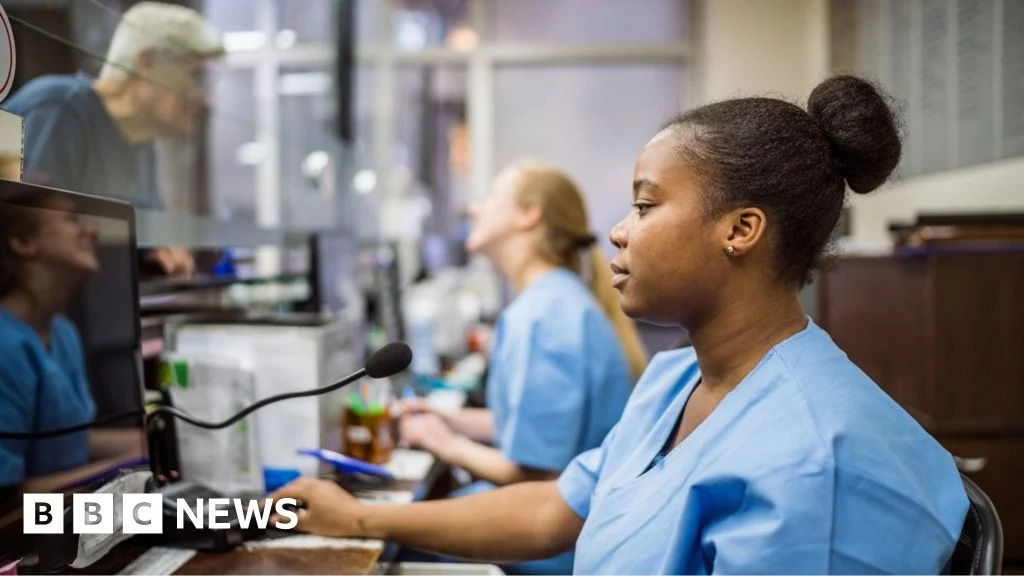
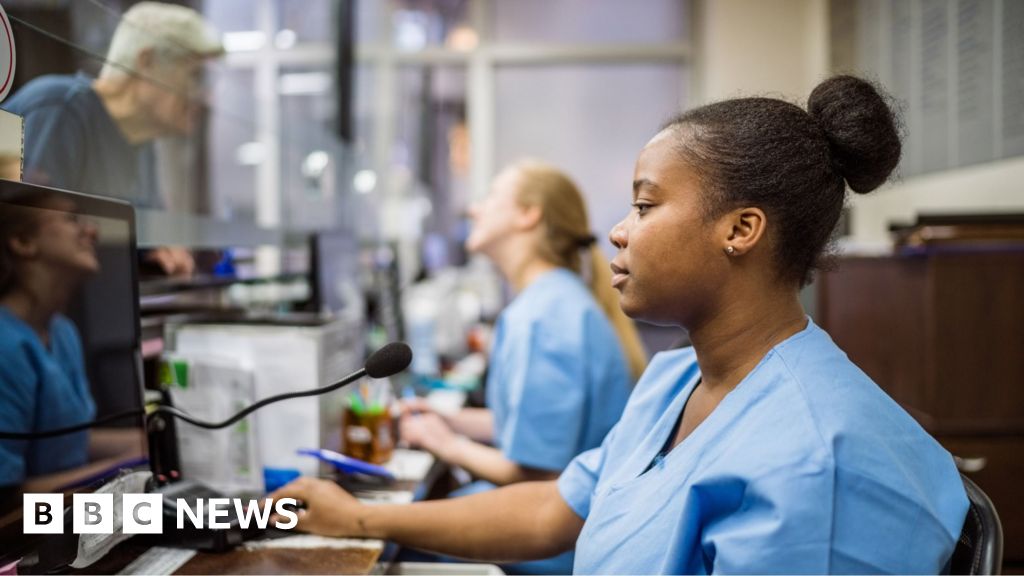
Cardiff, Wales – In a significant development for the Welsh NHS, hospital waiting lists have experienced a record-breaking reduction in January, marking the eighth consecutive month of decline. The latest figures released by the Welsh government reveal a substantial drop in the total number of patient pathways, a key metric representing the journey from referral to treatment, now standing at 713,048. This represents a decrease of nearly 28,000 patients compared to the previous month, offering a glimmer of hope amidst persistent challenges within the healthcare system.
This encouraging trend is being attributed, in part, to a substantial £120 million investment by the Welsh government, specifically earmarked to tackle the burgeoning waiting list crisis. The injection of funds appears to be yielding tangible results, with health boards reportedly delivering an additional 187,000 outpatient appointments and completing 37,000 cataract operations to date, directly linked to this dedicated funding. Health Secretary Jeremy Miles lauded these achievements, stating, "This set of record-breaking figures show just how hard the NHS is working. Health boards are delivering more outpatient appointments, especially in the evenings and at weekends, and more operations, including cataract surgery – new ways of working to make sure people are seen and treated faster. This is real, tangible progress for people in Wales."
Despite the overall positive trend in reducing the total number of patients waiting, a more nuanced examination of the data reveals persistent areas of concern. By certain measures, waiting times have actually increased. The number of patients experiencing delays beyond the stipulated target times for both diagnostic tests and therapies has reached an all-time high since 2024. This indicates that while more patients are being processed overall, the duration of their wait for specific investigations and treatments remains a critical issue.
Furthermore, performance against the 62-day target for cancer care has seen a concerning dip. In January, only 57% of cancer patients began their treatment within this crucial two-month timeframe, a decline of 3.7 percentage points from the previous month. This places the service further away from its overarching goal of achieving a 75% performance rate in this vital area.
However, the data also provides context for the cancer care figures. In the same month, there was a notable increase in the number of patients referred with suspected cancer, as well as a rise in those who were subsequently informed they did not have the disease. These statistics offer valuable insight into the sheer volume of individuals being assessed by the cancer services for the first time, highlighting the diagnostic pressures on the system. The increased referrals, while contributing to longer waits for some, also signify a proactive approach to identifying potential cancers earlier.
The Welsh government’s investment has been strategically deployed to boost capacity and efficiency. The focus on outpatient appointments, including extended hours and weekend services, alongside increased surgical capacity, particularly for procedures like cataract removal, aims to alleviate pressure points and accelerate patient flow. The success of these initiatives is crucial for restoring public confidence and ensuring timely access to care across the nation.
The political landscape, however, paints a different picture, with opposition parties sharply criticizing the Welsh government’s handling of the NHS. Plaid Cymru’s health and social care spokesman, Mabon ap Gwynfor, highlighted that over half a million people in Wales are still on an NHS waiting list, with 5,000 individuals enduring waits exceeding two years. This, he argued, directly contradicts previous promises made by the Labour government to eliminate such prolonged waits. He further pointed to the low 57% performance in cancer treatment initiation as evidence of "Labour’s failing record when it comes to the NHS."
Reform UK’s James Evans echoed these sentiments, describing the latest figures as "appalling" and directly blaming "27 years of Plaid and Labour failure." He emphasized the stagnation in progress for the longest treatment waits and the alarming rise in diagnostic waiting lists, which have reached their highest point in over two years.
The Conservative health spokesman, Peter Fox, unequivocally stated that the NHS is "broken" under the Plaid-backed Labour governments. He stressed the worsening cancer waiting times, with fewer patients receiving timely treatment and no apparent prospect of sustained improvement. Fox concluded by asserting that "Labour and Plaid are failing those in need of urgent and life-saving care."
These starkly contrasting viewpoints underscore the deeply polarized political debate surrounding the state of the Welsh NHS. While the government celebrates record drops in overall waiting lists as a testament to its investment and strategic interventions, opposition parties remain critical, focusing on persistent issues such as prolonged waits for specific treatments, the cancer care performance, and the sheer number of individuals still awaiting essential medical attention.
The impact of the £120 million investment is a critical factor in the ongoing narrative. This funding was designed to be a catalyst for change, enabling health boards to expand services, adopt innovative working practices, and ultimately reduce the backlog of patients. The reported increase in outpatient appointments and cataract surgeries suggests that the investment is being effectively utilized in these areas. However, the challenge of addressing the longest waits and the critical 62-day cancer target remains a significant hurdle.
The Welsh government’s strategy appears to be a multi-pronged approach, focusing on increasing capacity through extended working hours and additional appointments, while also seeking to optimize patient flow through the system. The success of these measures will be closely monitored in the coming months. The significant increase in referrals for suspected cancer, while a positive indicator of early detection efforts, places an additional strain on the system, necessitating a careful balance between increasing throughput and maintaining acceptable waiting times.
The political rhetoric surrounding the NHS in Wales is invariably intense, particularly in the lead-up to elections. Opposition parties are keen to capitalize on any perceived weaknesses in the government’s healthcare strategy, and the waiting list figures, despite the recent positive trend, provide ample ammunition. The focus on specific metrics, such as two-year waits and cancer treatment times, highlights the areas where public concern is likely to be highest.
Looking ahead, the sustainability of the current downward trend in waiting lists will be a crucial determinant of future success. The Welsh government will need to demonstrate a continued commitment to investment and innovation, while also addressing the systemic issues that contribute to prolonged waits. The challenge is not merely about reducing numbers but about ensuring that every patient receives timely and appropriate care, regardless of their condition. The coming months will be critical in determining whether the recent record drop in waiting lists represents a sustained turnaround or a temporary reprieve in the ongoing battle to deliver a high-performing NHS in Wales. The interplay between government policy, healthcare provision, and public expectation will continue to shape the future of healthcare in the nation.



 Nakalama John
 atisusanti
 Ramos Leo