Nakalama John
Adding to the gravity of the situation, Simone Rossi, the chief executive of major energy supplier EDF, has issued a stark warning that the UK is "walking into a second energy crisis." Rossi’s comments highlight a widespread concern across the energy sector, urging immediate government intervention. He specifically advocated for an extension of the existing VAT cut on electricity, currently set to expire in April, pushing for it to be reduced from 5% to 0%. Furthermore, Rossi called for swift approval and development of new domestic energy sources, including the Jackdaw gas field off Aberdeen and the Rosebank oil field off Shetland, to bolster national energy security and potentially mitigate future price shocks.

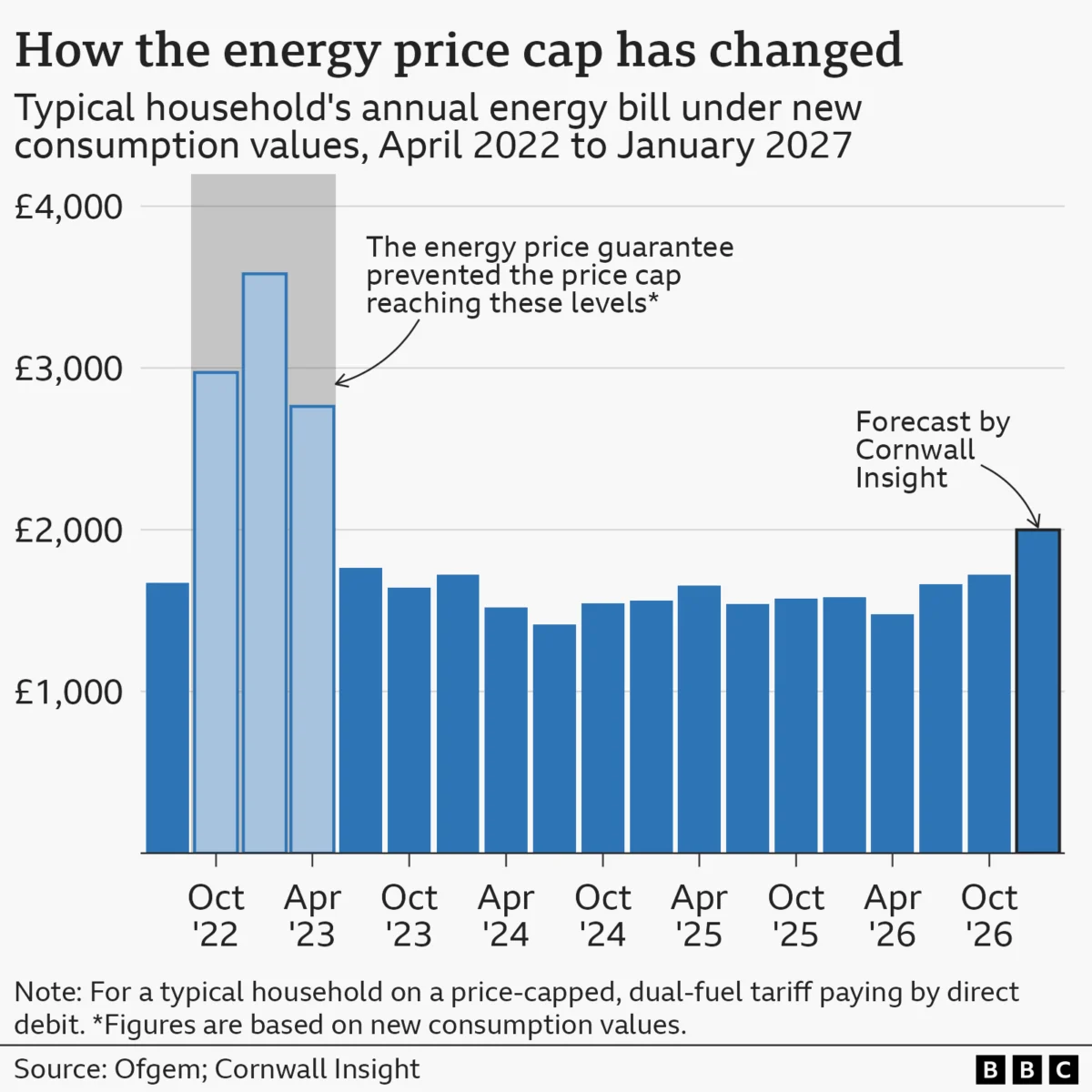
This latest forecast builds on an already challenging energy landscape. Approximately 20 million households across England, Scotland, and Wales are currently on variable energy tariffs, governed by Ofgem’s price cap, which limits the maximum price suppliers can charge per unit of gas and electricity. From Thursday, these households will experience an immediate 4% increase in their energy prices. This translates to roughly an extra £60 per year, or £5 per month, pushing a typical annual bill for a dual-fuel household paying by direct debit to £1,723, if sustained for a full year. The government’s existing VAT cut, which shaves approximately £45 off a typical annual bill, has somewhat softened this immediate blow, preventing an even higher increase. However, this relief is overshadowed by the looming January forecast.
Cornwall Insight’s latest analysis paints a much bleaker picture for the new year, suggesting that the typical annual bill will soar to £1,999. This projected 16% rise represents the largest single increase in household energy bills in four years, threatening to plunge many families into deeper financial hardship during the coldest and most energy-intensive months. Craig Lowrey, principal consultant at Cornwall Insight, underscored the severity of the situation, stating, "These prices are going to hit households hard. January is already a difficult month for many, with cold weather and bank balances still recovering from Christmas."

The primary drivers behind this anticipated surge in prices are multifaceted and globally interconnected. Lowrey attributes the predicted rise to ongoing disruptions in global gas supplies, largely exacerbated by geopolitical conflicts, particularly in the Middle East. This instability has contributed to persistently low gas storage levels across Europe, creating a volatile market where wholesale prices are highly sensitive to any further supply shocks or increased demand. The forecaster warned that the substantial effort required to replenish these gas stocks could mean high energy bills persist "well beyond the winter," indicating a prolonged period of elevated costs for consumers.
Cornwall Insight’s forecasts are widely respected within the industry and political circles, boasting a strong track record of accuracy in predicting energy market movements. Similar dire predictions have also been voiced by various energy suppliers, lending further credence to the consultancy’s outlook. It is important to note that this remains a forecast at this stage; Ofgem will not make its official announcement regarding the January price cap until late November. While an unexpected easing of tensions in the Middle East or other significant shifts in global energy markets could potentially lessen the impact on billpayers, the pricing period for the January cap is already halfway complete. With no immediate signs of a diplomatic breakthrough or a substantial drop in international energy costs, a significant increase in prices for those not on fixed tariffs is deemed "all but certain," according to Lowrey.

For individuals like Aaron Richards from Maidenhead, this news signals a further tightening of an already stretched budget. "I try to eat less takeaways, work more overtime, and try to budget a bit better, but at the same time, we shouldn’t have to," he lamented. Aaron, who drives a diesel car, is simultaneously contending with record-high petrol and diesel prices for his daily commute, exacerbating his financial strain. "I just feel like everything’s going up. How far is it going to go? Someone’s got to step in," he urged, reflecting a widespread sentiment of exasperation and a plea for government intervention. He also highlighted the severe societal impact, noting, "I know people who can’t afford to heat their house and they’re struggling at the moment. Housing and eating are two of life’s essentials that everyone should have. It shouldn’t be a challenge to have any of those things."
Years of relatively high domestic energy bills have accumulated into a national crisis of unpaid debt. Recent data from Ofgem reveals that customers collectively owe over £5 billion in unpaid bills and charges to energy suppliers. This staggering sum not only reflects the immense pressure on households but also poses a significant risk to the stability of the energy market itself. The regulator has put forward a proposed debt relief scheme, but campaigners are pressing for its urgent implementation, alongside government funding to ensure its effectiveness. Adam Scorer, chief executive of the fuel poverty charity National Energy Action, voiced strong concerns, stating, "This is unsustainable, not just for households but also for the market as a whole." He called upon the government to utilize the upcoming Budget to "deliver additional targeted support for households most at risk this winter, alongside action to tackle energy debt and improve the least energy-efficient homes."

Prominent political figures have also weighed in on the unfolding crisis. Mayor Andy Burnham of Greater Manchester, speaking from the Labour conference in Liverpool, acknowledged the severity of the situation. He told BBC Radio 4’s Today programme that he would not dismiss EDF boss Simone Rossi’s "second energy crisis" warning as an overstatement, adding that the escalating costs of home energy, petrol, and diesel were "very difficult indeed" for residents. Burnham affirmed that Labour was actively "looking at any measure that can give people breathing space, that can take the pressure off." The government, meanwhile, has consistently maintained that it is exploring various avenues to offer "breathing space" to billpayers navigating the broader cost of living crisis, though specific new measures beyond the existing VAT cut have yet to be detailed.
As the nation braces for a challenging winter, the spotlight remains firmly on Westminster to deliver tangible support. The confluence of global supply volatility, geopolitical tensions, and already depleted household finances creates a perfect storm, threatening to push millions into further hardship. The calls from industry leaders, charities, and the public for urgent, targeted intervention underscore the critical need for a comprehensive strategy to not only address the immediate financial burden but also to build long-term resilience against future energy shocks.

Get in touch
How will you be affected by the price cap rise? Do you have a story to share?
Related topics


 Roy Suryo