
 Nakalama John
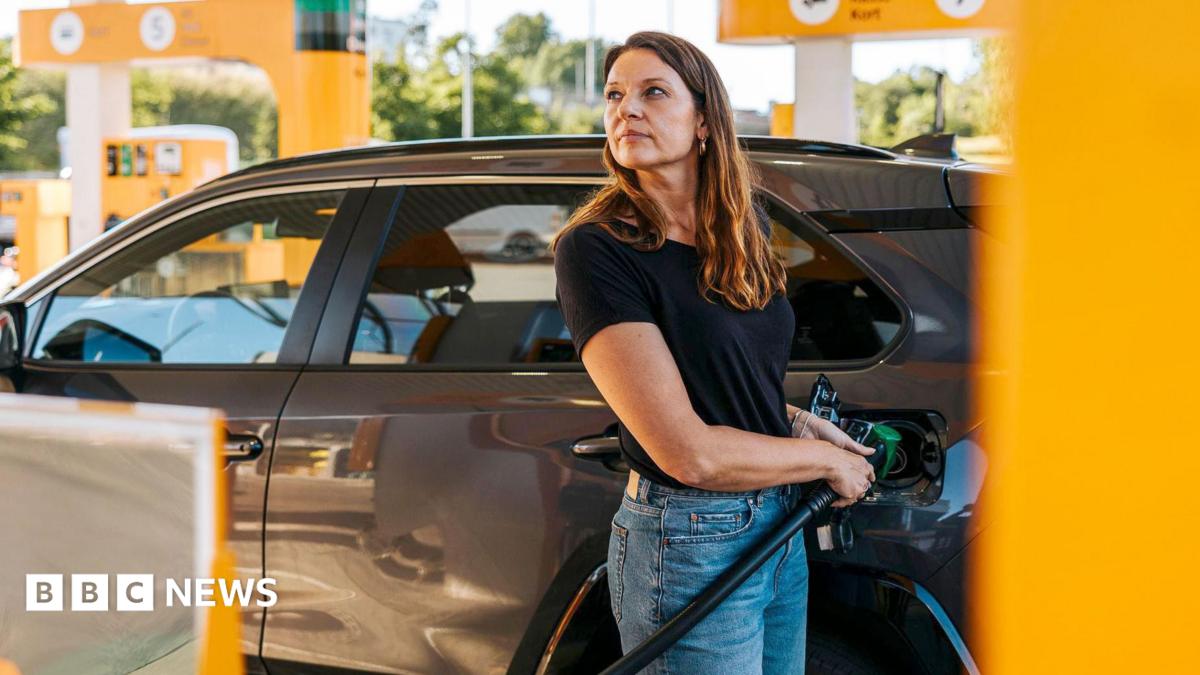
The United Kingdom is currently experiencing unprecedented costs at the fuel pumps, with diesel prices soaring to an all-time high, primarily driven by the escalating fallout from geopolitical tensions in the Middle East, particularly involving the US, Israel, and Iran. The average price for a litre of diesel has now reached a staggering 199.33p, according to data compiled by the RAC motoring body. This new record surpasses the previous peak of 199.09p, which was set on 25 June 2022, in the turbulent aftermath of Russia’s full-scale invasion of Ukraine earlier that year. The visual of a woman filling her car at a station with yellow pumps serves as a stark reminder of the financial burden faced by millions of motorists across the nation.
Over the past seven months, the intensified "Iran war" – a term encompassing a complex web of regional conflicts, proxy engagements, and heightened military activity – has severely disrupted the production and, crucially, the transportation of wholesale oil across the Middle East. This destabilisation has had a direct and dramatic impact, causing the prices of refined fuels, including diesel, to surge globally. Initially, there was a brief respite in motor fuel prices when a framework deal to de-escalate fighting was reportedly agreed upon by the US and Iran in June. However, this relief proved short-lived as regional tensions quickly resurfaced, sending prices climbing once again. Adding another layer of complexity and potential upward pressure, US President Donald Trump has indicated a consideration of banning US diesel producers from selling their products overseas. Such a move, if implemented, could further tighten global supply and push UK prices even higher.
How do wholesale oil prices affect the cost of petrol and diesel at the pump?
The intricate link between crude oil prices and the cost consumers pay at the pump is fundamental to understanding the current crisis. Crude oil is the primary raw material from which petrol and diesel are refined. Consequently, any significant increase in the wholesale cost of crude oil inevitably translates into more expensive fuel for motorists. Beyond the cost of crude, pump prices are also heavily influenced by global demand, the available refining capacity, transportation costs, the strength of the pound against the dollar, and various taxes and duties imposed by the government.
Industry analysts frequently use a rule of thumb that suggests every $10 increase per barrel in the wholesale oil price pushes up pump prices by approximately 7p per litre. This direct correlation highlights the sensitivity of retail fuel prices to fluctuations in the international oil markets. Since the initial escalation of the Middle East conflict, the price of Brent crude – the global benchmark for wholesale oil prices – has experienced extreme volatility. News of further conflict or supply disruptions typically drives prices up, while any glimmer of hope for an end to hostilities or increased supply tends to push prices down.
Before the current Middle East crisis began, Brent crude was trading just above $70 a barrel. The onset of intensified fighting saw it peak dramatically, soaring to over $120. Following the reported framework deal in early July, prices temporarily retreated, falling back to near the $70 mark. However, with the collapse of subsequent peace talks and renewed tensions, the price has once again climbed, now consistently remaining above $100 a barrel. This volatility underscores the profound impact of geopolitical instability on global energy markets.
Further exacerbating the supply crunch, Russia has implemented an export ban on diesel. This decision was a direct response to a series of drone attacks by Ukraine on its refineries, as well as a measure to stabilise domestic fuel supplies. Given that Europe, including the UK, previously relied heavily on Russian diesel imports, this ban has removed a significant volume of supply from the international market, thereby adding further upward pressure on prices.
What has happened to petrol and diesel prices in the UK?
The impact of these global events on UK fuel prices has been stark. Before the Middle East conflict intensified, the average price of petrol stood at 132.83p per litre, and diesel at 142.38p. The current figures reveal the extent of the surge: diesel has now reached its record high of 199.33p. While petrol prices have also climbed significantly to an average of 174.23p a litre, this is the highest in over four years but remains below its absolute peak of 191.5p recorded during the summer of 2022. The disparity between petrol and diesel prices can often be attributed to higher global demand for diesel from commercial sectors (e.g., haulage, logistics, agriculture) and specific refining complexities.
Simon Williams, head of policy at the RAC, has emphasised that sustained relief for motorists at the pumps will not materialise until there is a "sustained lower oil price – over several weeks, not days." He also pointed out that due to the slow process of transporting oil and refined fuels across the globe, price movements in wholesale oil markets typically take about a fortnight to fully reflect at the pump. This lag means that consumers often feel the pinch of rising wholesale costs weeks after they occur, and conversely, benefit from price drops only after a delay.
Fuel retailers have faced accusations of "price gouging" during this period of heightened costs. However, the official markets regulator, likely the Competition and Markets Authority (CMA), has stated that it has "not seen evidence of retailers actively changing their pricing strategies to take advantage of the crisis." This suggests that the current high prices are predominantly a reflection of increased wholesale costs rather than opportunistic mark-ups by retailers. To empower drivers, a government scheme called Fuel Finder allows motorists to compare the cost of fuel offered by different petrol stations across the UK, encouraging competition and helping consumers find the cheapest options.
In response to the escalating fuel costs, the then Prime Minister Sir Keir Starmer announced in May that a planned 5p increase in fuel duty, originally slated for September, would be postponed until the end of December. While the UK government has "limited leverage when it comes to ending the US/Iran war," as noted by Williams, there are domestic measures it could take. Lowering fuel duty further or reducing the rate of Value Added Tax (VAT) on fuel could "ease the burden" on households and businesses. Chancellor John Healey has indicated that the "place" and "time" for the government to address questions surrounding rising petrol and diesel prices will be the Budget at the end of October, though specific details on potential fuel duty changes remain undisclosed.
Why has the Iran war had a big impact on oil prices?
The ongoing geopolitical tensions in the Middle East, often referred to as the "Iran war" or "Middle East conflict" in the context of its economic impact, have sent global oil prices soaring primarily because they have effectively threatened or, at times, closed the Strait of Hormuz. This narrow waterway is one of the world’s most critical maritime chokepoints, through which approximately 20% of the world’s oil and a significant portion of its liquefied natural gas (LNG) normally passes. Any disruption or perceived threat to shipping in the Strait of Hormuz immediately triggers fears of global supply shortages, driving up oil prices.
The closure, or even the heightened risk of closure, severely limits global supplies by bottlenecking access to major oil-producing regions. Even if a deal is eventually agreed upon to fully reopen the strait and ensure safe passage, experts caution that it will take considerable time before normal levels of shipping resume. Consequently, the ripple effects of the conflict and its impact on this vital maritime artery are expected to continue affecting the global economy, including fuel prices, for potentially many months to come.

Will Trump ban US diesel exports?
The suggestion by US President Donald Trump to potentially ban US producers from selling diesel overseas introduces another layer of uncertainty and concern for international markets. While he has floated the idea, a formal ban has not yet been implemented, and opinions differ on the seriousness and feasibility of such a threat.
If enacted, many analysts agree that such a ban would severely hurt countries heavily dependent on US diesel imports, including the UK and several European nations, which would face even tighter supply and higher prices. The rationale behind such a move would likely be to reduce domestic US diesel prices in the short term, thereby appealing to American consumers. However, critics argue that while it might offer temporary relief, it could have significant unintended negative consequences. These include potentially discouraging US production in the long term, distorting global markets, and ultimately putting renewed pressure on US diesel prices as the international supply chain adjusts. The long-term economic and diplomatic repercussions of such a protectionist measure would be substantial.
Where does the UK get its oil and gas?
The United Kingdom is a net importer of both oil and gas, meaning it relies heavily on international markets to meet its energy demands. The majority of the UK’s oil and gas imports typically originate from major global producers, with the United States and Norway being key suppliers. Consequently, the price the UK pays for these essential commodities is directly determined by global market rates, which are subject to a multitude of influences, including geopolitical events, supply and demand dynamics, and currency fluctuations.
Although the UK does possess its own oil reserves in the North Sea, much of the crude oil extracted from these fields is often exported for refining elsewhere. This is due to various factors, including the specific type of crude oil extracted (which may be better suited to certain international refineries) and the UK’s own refining capacity. This reliance on imports and global market prices means that events like the Middle East conflict and the Russian export ban have a direct and significant impact on the cost of fuel for UK consumers.
The confluence of escalating geopolitical tensions, particularly in the Middle East, the strategic disruption of key shipping lanes like the Strait of Hormuz, and supply-side shocks such as Russia’s diesel export ban, has created a perfect storm for UK diesel prices. With potential further actions from the US looming, and the long lead times for market adjustments, motorists and businesses are likely to continue facing elevated costs for the foreseeable future. Addressing this challenge will require a multifaceted approach, combining international diplomacy to stabilise oil markets with potential domestic policy interventions to ease the burden on consumers.



 George Anjay
 Ramos Leo
 Nana Banana
 atisusanti