
 Nakalama John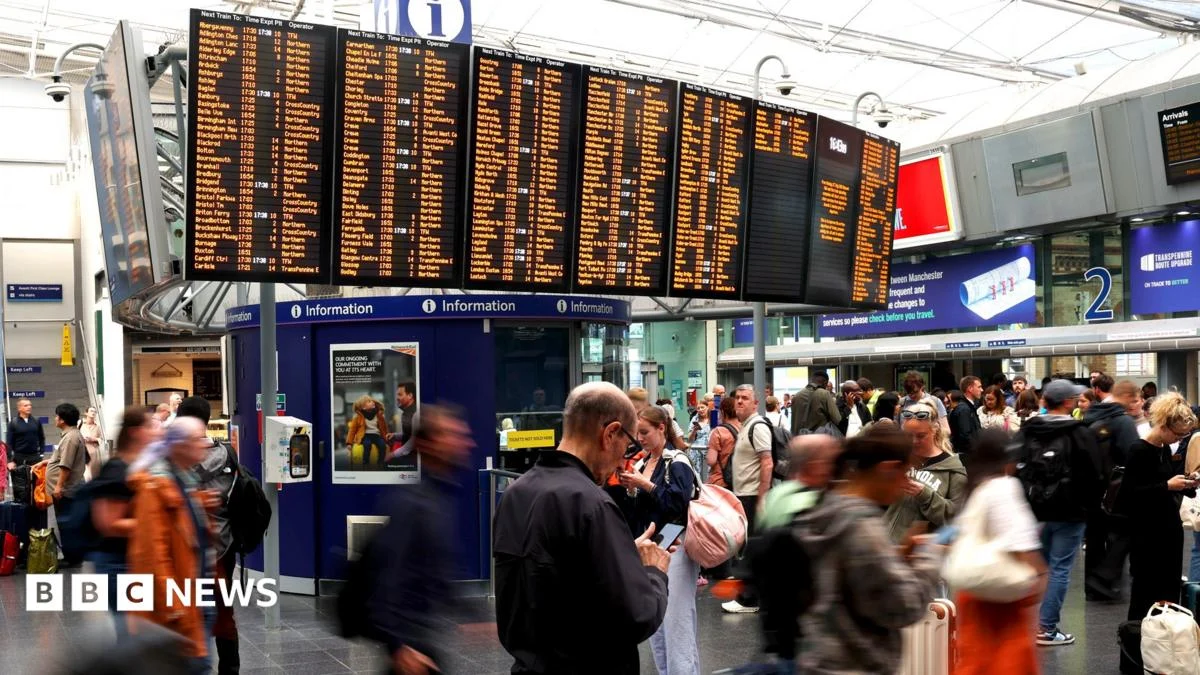
The power failure which hit a crucial Network Rail operations centre in Manchester, though lasting a mere 90 seconds, sparked widespread disruption across the British railway network, leaving thousands of commuters facing chaos and raising profound questions about the resilience of critical national infrastructure. This rare but impactful incident has placed Network Rail under intense scrutiny, demanding a thorough examination of its systems’ ability to cope with and respond to even fleeting interruptions.
Network Rail, the publicly-owned body responsible for Britain’s vast railway infrastructure – encompassing tracks, signals, embankments, and major stations – found itself at the heart of this unfolding crisis. The problem originated at its operating centre in Manchester, where crucial controls are housed, enabling trains to run safely across large parts of the North West. The centre was affected by a localised power cut, which was resolved within 90 seconds. Given the paramount importance of such an operating hub, backups are in place. However, the subsequent disruption has cast a shadow over their effectiveness, prompting a detailed investigation into why they failed to seamlessly maintain operations.
Chris Wright, Network Rail’s North West route director, clarified to the BBC that "we didn’t experience a 90-second interruption," insisting that the core systems were back online even sooner. Yet, he conceded a critical point: "some of Network Rail’s communications systems did not respond how we would have expected, and then needed reconfiguring and replacing." This admission highlights a significant vulnerability within the operational architecture, prompting Wright to add, "We’ve got to work really hard very quickly now to understand why that’s the case."
The immediate consequence of this communications failure was a direct impact on the railway’s signalling network – the complex array of lights, points, and track circuits that serve as the "traffic lights" of the railway, dictating train movements and ensuring safety. With signalling affected, a fundamental safety protocol dictated that trains had to stop, freezing movement across large swathes of the region. Compounding the issue, systems required a full reboot – a complex, time-consuming process involving rigorous safety checks and sequential activation to ensure integrity. Furthermore, some components within the signalling control systems sustained damage, requiring replacement. This added crucial hours to the recovery effort, as engineers had to source, install, and rigorously test new parts before services could safely resume.
The scale of the disruption becomes clear when considering the intricate network of trains and crews across the North West. When services grind to a halt, hundreds of trains are left stranded, often between stations or at platforms, causing a massive backlog. This, in turn, disrupted crew rosters, leaving drivers and guards out of position and unable to reach their next services. The domino effect was swift: delays propagated rapidly, affecting connecting services, disrupting onward travel, and creating congestion at major hubs like Manchester Piccadilly, Liverpool Lime Street, and impacting routes towards London Euston. Passengers, many unaware of the specific cause, faced packed platforms, overcrowded trains once services partially resumed, and a frustrating lack of real-time information as communication systems struggled to catch up. For many, the 90-second outage translated into hours of frustrating delays and cancellations, transforming routine commutes into arduous journeys.
In the wake of the incident, Network Rail has issued a public apology to affected customers and promptly launched a comprehensive internal investigation. Bosses have assured the public that engineers are working diligently to "build additional resilience into our signalling systems to ensure that this doesn’t happen again." This commitment likely involves a multi-pronged approach: reviewing uninterruptible power supply (UPS) systems, rigorous testing of generator switchovers, and re-evaluating critical communication network architecture for greater redundancy and fail-safe mechanisms. The investigation will scrutinise system logs, operational protocols, and the performance of primary and backup power and communication infrastructure. The goal is to identify both the immediate cause and any underlying systemic weaknesses.
While there’s nothing to specifically link this incident to other recent problems, such as speed restrictions during extreme heat or ongoing industrial disputes, it undeniably contributes to a broader erosion of public confidence. Passengers have endured a challenging few years, grappling with issues like operator performance inconsistencies, widespread strikes, and persistent fare increases, despite a freeze on regulated fares in England this year. Each new disruption, regardless of its specific nature, further fuels a sense of disillusionment among a public increasingly questioning the reliability and value for money of the rail network.
Rail engineer and writer Gareth Dennis has insightfully drawn a link between this incident and the significant funding pressures and job cuts that Network Rail has contended with in recent years. He raised crucial questions, including: "Are their staff suitably resourced? Are there enough staff to be ensuring that things like those checks of that supply are happening?" These questions underscore a fundamental concern: that an underfunded or understaffed organisation could inadvertently compromise its ability to maintain preventative checks and rapid response capabilities essential for safety-critical infrastructure. Maintenance, system upgrades, and thorough testing of backup systems are often the first areas to feel the pinch during budgetary constraint.
Network Rail operates under five-year funding settlements, signed off by the government. The latest settlement, covering the 2024-29 period, saw the government commit £44.1 billion, representing a £3 billion increase from the previous five-year cycle. While appearing substantial, factors like soaring inflation, which inflates the cost of materials, energy, and labour, coupled with a rise in extreme weather events – demanding more frequent repairs and resilience investments – have left this funding under severe pressure. Introducing Network Rail’s new business plan, former chief executive Andrew Haines noted that the constrained budget meant funding would "need to go further than ever before." This reality often forces difficult choices between essential maintenance, critical upgrades, and necessary staffing levels.
Adding another layer of complexity to Network Rail’s operational environment is the government’s ambitious long-term rail policy. This policy centres on nationalising passenger rail operators not already in public control (a process already initiated for several operators under past Conservative governments), then bringing the running of train services and infrastructure under a new organisation called Great British Railways (GBR). Under this vision, Network Rail is expected to be abolished as a separate entity, its functions absorbed into GBR. Ahead of this full transition, some joint management teams have been formed, for example in the South West, aiming to foster greater collaboration between infrastructure and operations.
The incident in Manchester serves as a stark reminder of the inherent fragility of highly integrated systems and the intricate interplay between funding, resilience, and operational reliability. It brings into sharp focus the perennial question facing policymakers: how much taxpayer money to spend supporting both passenger rail services and investing in infrastructure? As government budgets remain squeezed, every major disruption intensifies the debate about priorities, long-term investment strategies, and structural reforms intended to deliver a more robust and reliable railway for the future. The 90-second power cut, far from a minor blip, has become a potent symbol of the significant challenges facing Britain’s railway network as it navigates a complex future.
With additional reporting by Mark Allison


 atisusanti
 Nana Banana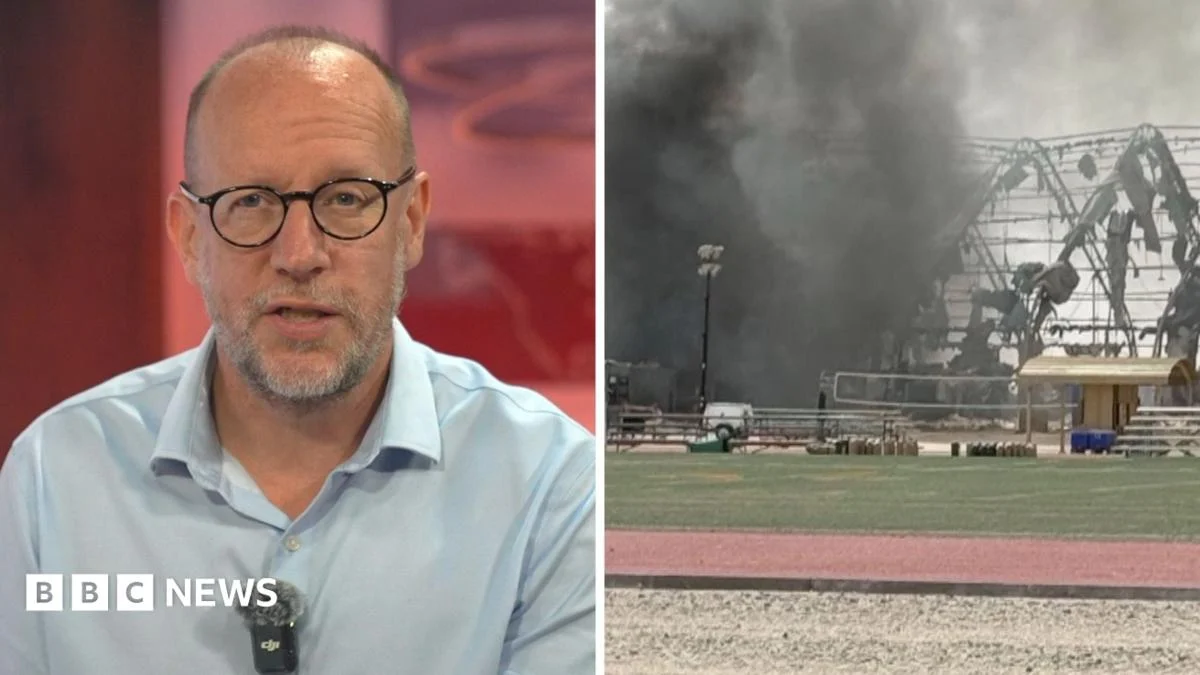
 George Anjay
 Ramos Leo