
 Nakalama John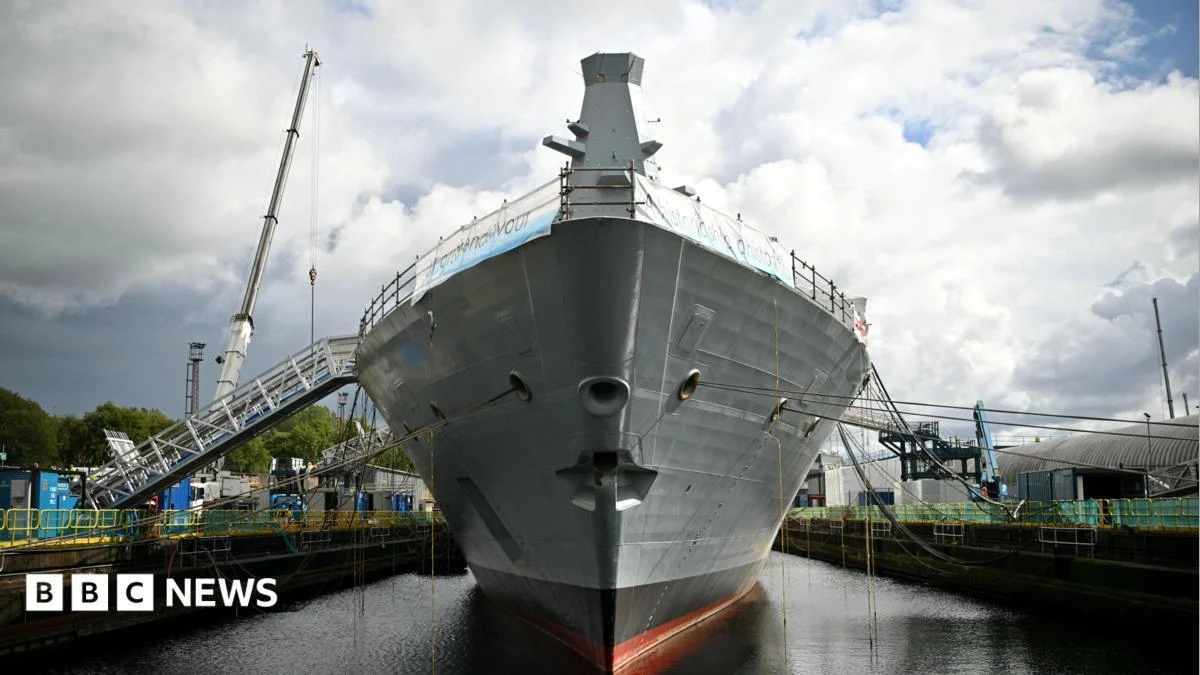
The Stoke-on-Trent-based group specified that the potential divestment targets a "substantial part" of its mechanical engineering division, encompassing key entities such as Goodwin Steel Castings (GSC), Goodwin International (GI), Noreva, Easat, and Pumps. These businesses are integral to the production of highly specialised components, often operating in demanding environments and requiring exceptional precision and reliability. The company’s board has initiated a comprehensive strategic review, a process designed to meticulously "consider a range of potential options to maximise value for shareholders whilst ensuring continuity for all stakeholders, including customers, and the long-term prosperity of its businesses." This dual objective underscores a delicate balancing act between commercial imperative and long-term industrial responsibility.
Goodwin, which holds a prominent position on the London Stock Exchange despite being majority owned and managed by the founding Goodwin family, emphasised that discussions are currently ongoing, and there is "no certainty that a transaction will be entered into." To navigate this complex strategic assessment, the board has enlisted the expertise of Rothschild & Co, a renowned global financial advisory firm, to guide them through the review process. This engagement signals the serious nature of the considerations and the company’s commitment to exploring all avenues for shareholder value enhancement.
The mechanical engineering division at the heart of this potential sale is far from a typical industrial operation. It is a critical, high-tech enterprise, serving as a key supplier of advanced components to both UK and US frigate and submarine programmes. Its contributions are vital for some of the most sensitive and strategically important defence projects currently underway. Among these are Britain’s formidable Dreadnought programme, tasked with constructing the Royal Navy’s next-generation nuclear deterrent submarines – vessels that represent the ultimate guarantee of national security. Furthermore, Goodwin’s components are integral to the Type 26 frigate programme, which is developing a fleet of advanced anti-submarine warships designed to protect global shipping lanes and project naval power. The nature of these programmes demands components that can withstand extreme pressures, temperatures, and operational stresses, highlighting the unique capabilities and engineering prowess embedded within Goodwin’s operations.
Goodwin Steel Castings and Goodwin International, specifically mentioned in the context of the strategic review, have been significant contributors to the company’s profitability. According to Goodwin’s latest annual report, these divisions have seen a boost in their financial performance, benefiting directly from the increasing global defence spending. This uptick in defence expenditure, driven by geopolitical instability and a renewed focus on national security across many economies, has created a robust market for specialized defence suppliers like Goodwin. The company’s ability to produce highly complex, high-integrity castings and precision-engineered components makes it an indispensable partner in these sophisticated defence projects.
The market’s reaction to the news was immediate and positive, with Goodwin’s shares climbing by approximately 10% on Friday morning. This surge indicates investor confidence in the potential for a sale to unlock significant value, perhaps reflecting a perceived undervaluation of these critical defence assets within the broader company structure. A report published in the Financial Times corroborated this market sentiment, stating that several potential buyers with established records in the defence sector had already expressed interest in Goodwin in recent weeks. This suggests that the strategic review is not occurring in a vacuum but is responding to existing market interest, further solidifying the likelihood of a successful divestment. These potential buyers are likely looking to acquire a strategically important supplier, secure critical components for their own defence portfolios, or consolidate capabilities within the defence industrial base.
Russ Mould, investment director for AJ Bell, offered valuable insights into the situation, underscoring the strategic importance of Goodwin’s assets. "The company is a major supplier to UK and US submarine programmes and has also benefited from bumper defence spending across other parts of its business," Mould observed. His comments highlight the depth of Goodwin’s involvement in high-stakes defence projects and the broad positive impact of the current defence market on its operations.
Mould also provided important context regarding the backdrop to this strategic review, referencing a "big hit" the company took in March when it lost two significant contracts and faced order delays in the Middle East. While the current consideration of a sale is presented as a move to maximise shareholder value, these previous setbacks might have contributed to a broader re-evaluation of the company’s structure and risk profile. This suggests that the strategic review is not solely about capitalising on a strong defence market but also potentially about streamlining operations or mitigating future risks.
Despite the recent challenges, Mould’s analysis reaffirmed the intrinsic value of companies like Goodwin within the UK’s industrial landscape. "Yet the interest in Goodwin’s defence arm is a reminder that the UK has a collection of engineering businesses which are global leaders in their respective niches," he added. This statement underscores the often-underappreciated strength of Britain’s specialist engineering sector, which quietly forms the backbone of advanced manufacturing and defence capabilities. Goodwin, with its long history stretching back to 1883, exemplifies this tradition of excellence and innovation.
The potential sale of a substantial part of its mechanical engineering division raises significant questions about the future trajectory of Goodwin as a standalone entity. While a divestment could inject substantial capital and potentially allow the remaining parts of the business to focus on other growth areas, it also means shedding a highly profitable and strategically important segment. Russ Mould acknowledged this uncertainty, stating, "What any sale would mean for the future of Goodwin as a standalone business remains an open question but it is likely to still derive a significant chunk of its revenue from military spending regardless." This suggests that even after a potential sale, Goodwin might retain other elements of its business that continue to serve the defence sector, or its remaining divisions might have applications that cross over into military-related industries.
The strategic review marks a pivotal moment for Goodwin. It represents a calculated move to adapt to evolving market dynamics, optimise its asset portfolio, and potentially unlock greater value for its shareholders. The outcome of these discussions, and whether a transaction ultimately materialises, will undoubtedly shape the company’s identity and strategic focus for decades to come, while also having implications for the broader UK and international defence supply chains that rely on its specialised engineering expertise.



 atisusanti
 Nana Banana
 George Anjay
 Ramos Leo