
 Nana Banana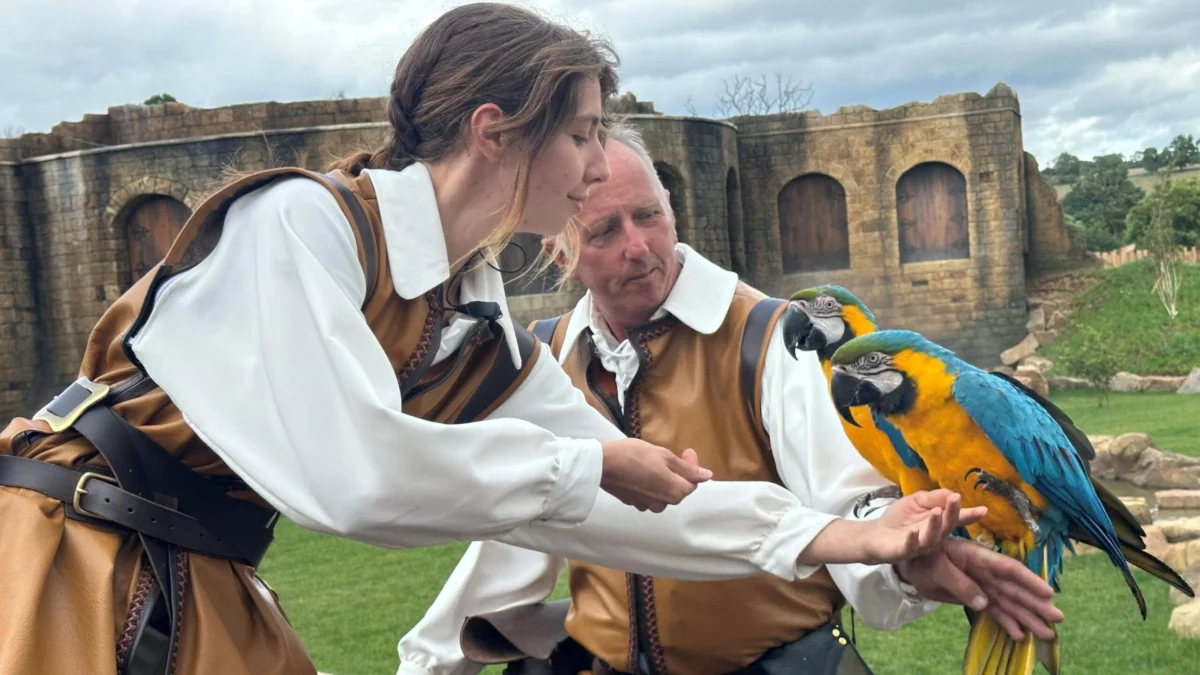
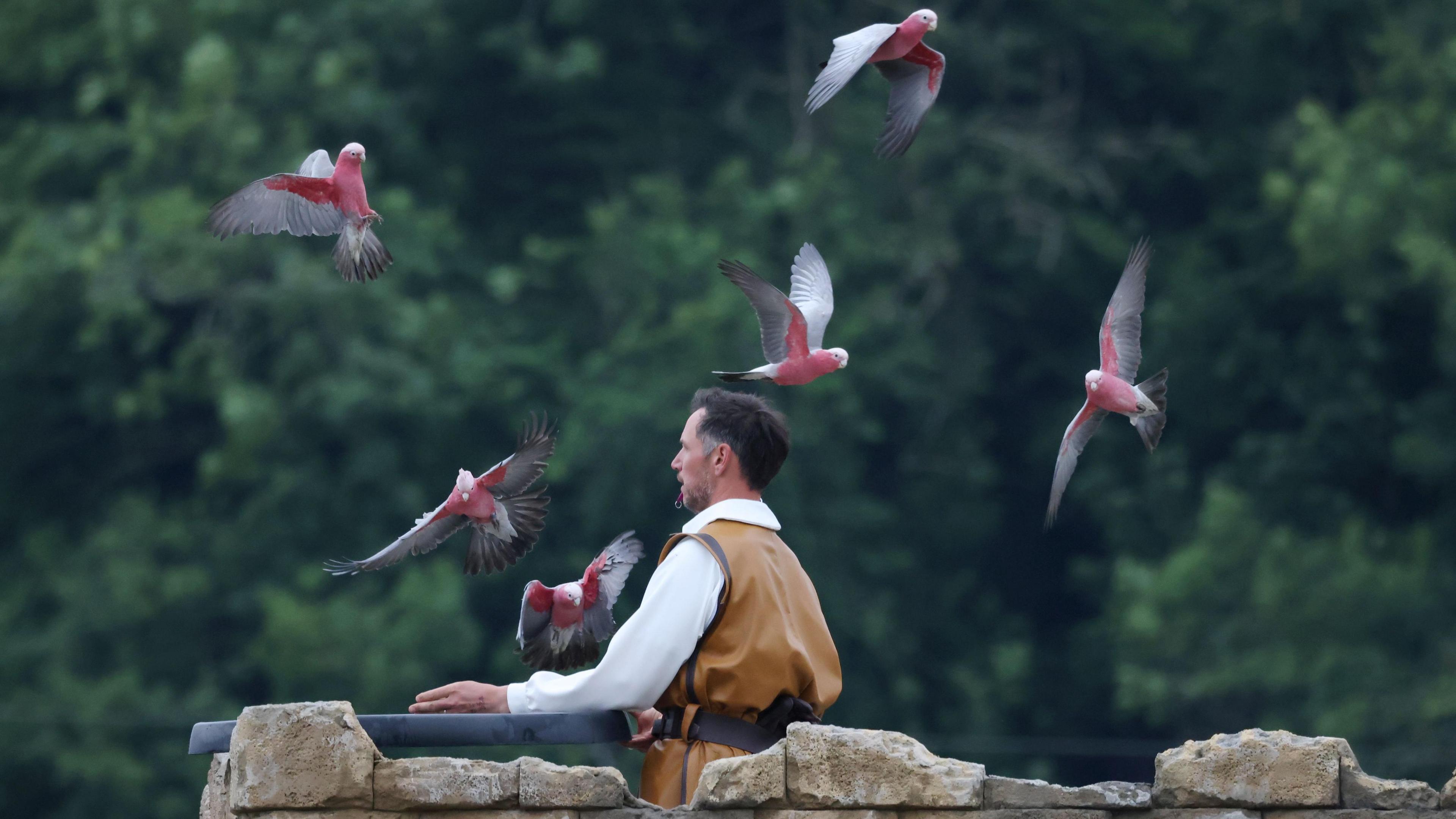
The journey of some of Kynren’s avian residents highlights the global challenges facing endangered species. When customs officers at Heathrow Airport intercepted an illegal shipment of vibrant pink-breasted cockatoos, known as galahs, from Australia, they faced a unique "giggling problem." These highly intelligent and social birds, often victims of the illicit pet trade, required an immediate and suitable sanctuary. Fortunately, Jimmy Robinson, with his extensive expertise and the burgeoning infrastructure at Kynren, was ready to provide a permanent home. The arrival of this "giggle of galahs" marked just one step in the meticulous, three-year planning and development of The Lost Feather, a spectacle designed not only to entertain but also to educate and inspire conservation.
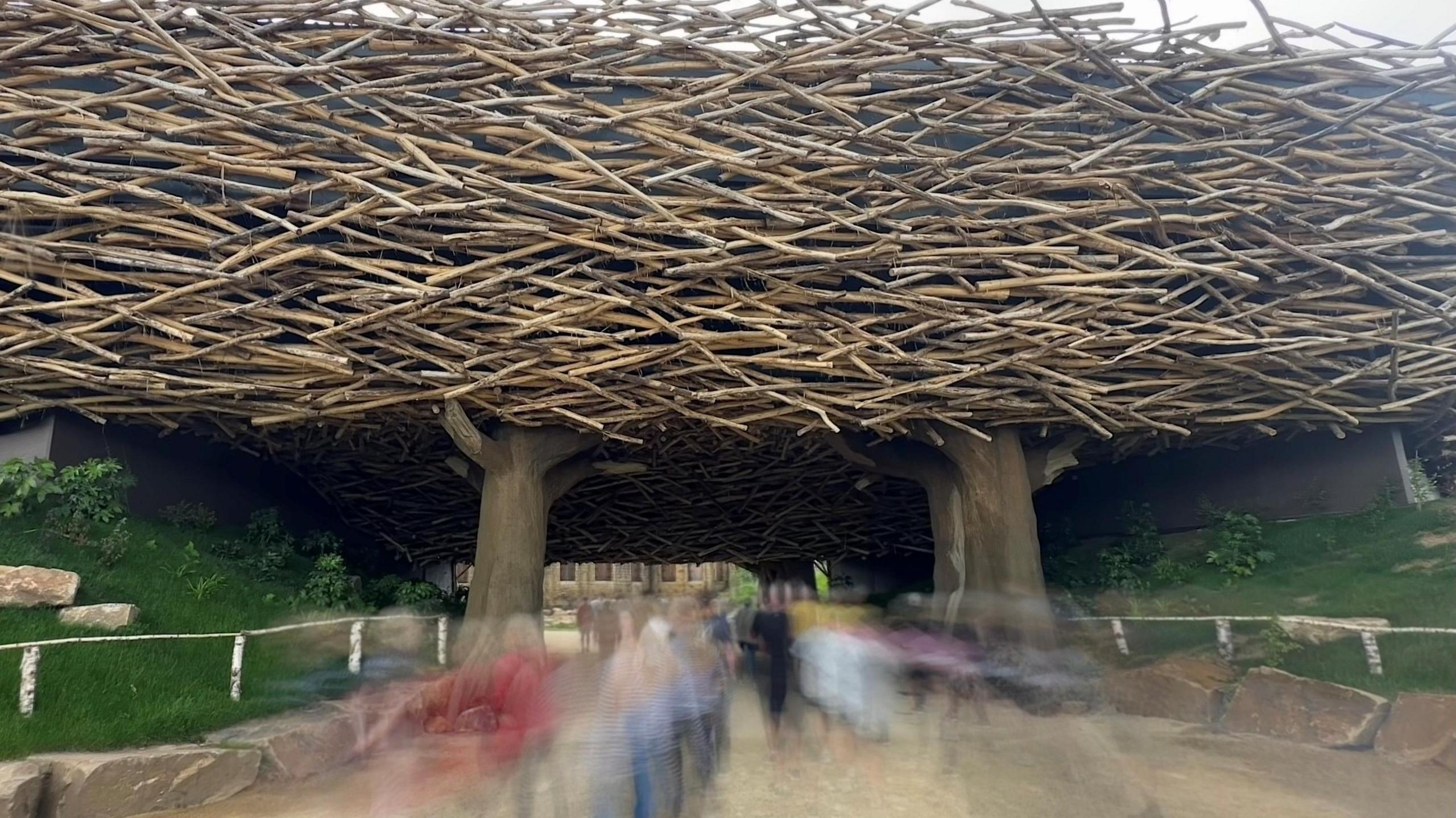
While Kynren’s other captivating performances delve into historical narratives – from the fierce Vikings and industrious Victorians to the legendary Lambton Worm, and the overarching "An Epic Tale of England" evening show – Jimmy Robinson’s segment is dedicated entirely to the avian world. The Lost Feather unfolds within a uniquely designed open-air arena that strikingly resembles a giant bird’s nest, a fitting habitat that even wild swallows quickly adopted for their own nesting, a testament to its naturalistic appeal.
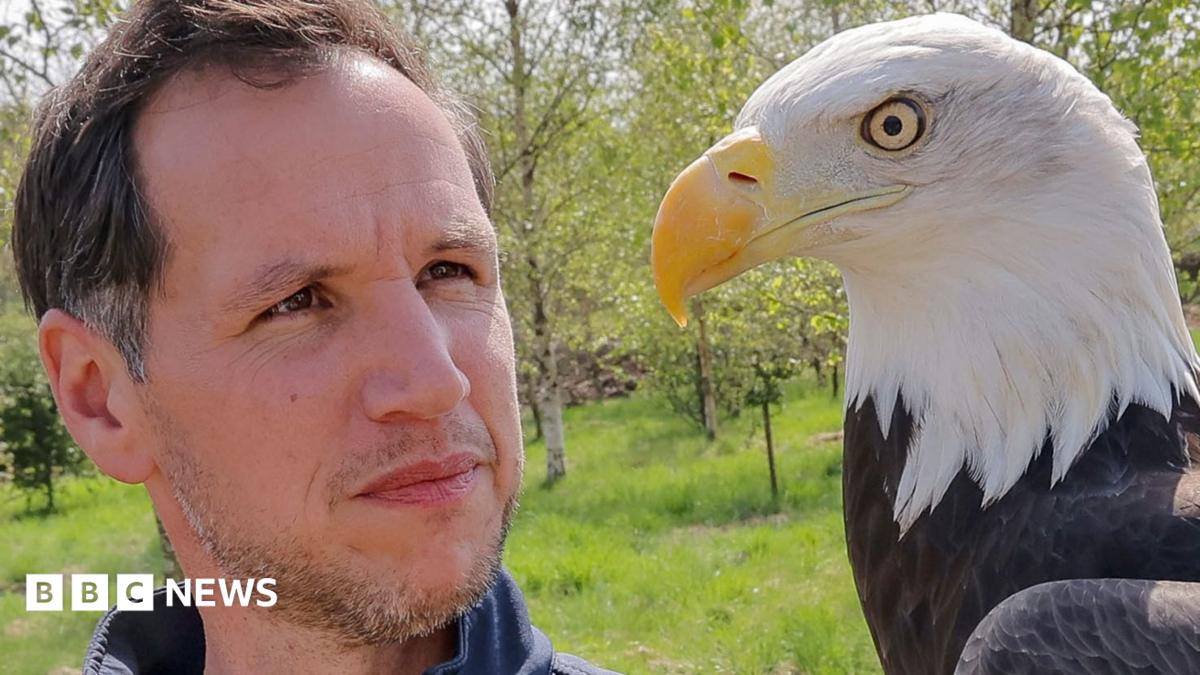
Jimmy, supported by a dedicated 16-strong team, oversees the welfare of 170 birds, representing 35 distinct species. These magnificent creatures, ranging from the intelligent ravens and elegant cranes to powerful falcons and stately storks, reside year-round in purpose-built aviaries and expansive enclosed orchards nestled behind the impressive 2,500-seat theatre. Each bird has been carefully selected, often sourced from reputable zoos and private collections across the UK and Europe, ensuring their welfare and genetic diversity.
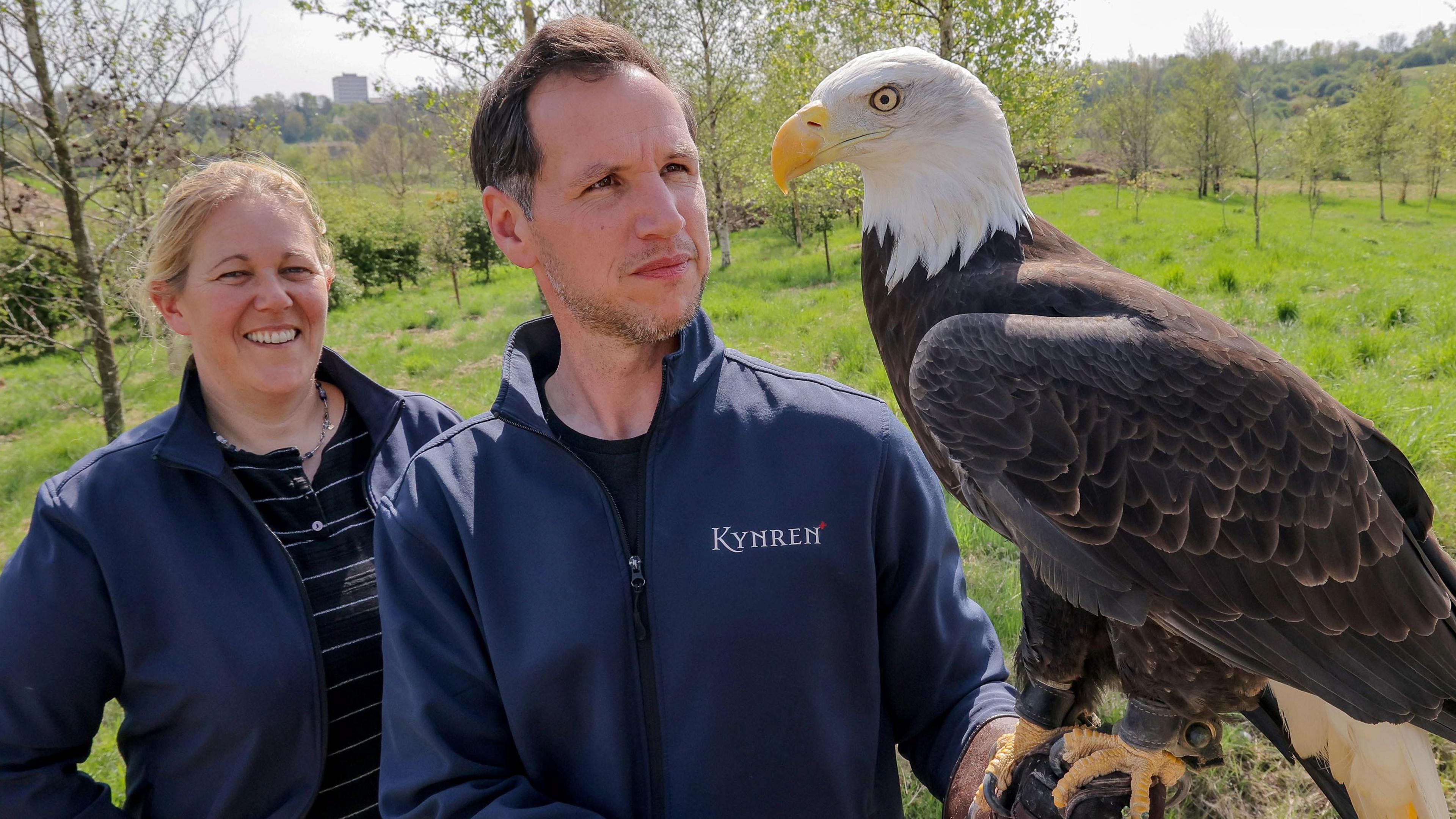
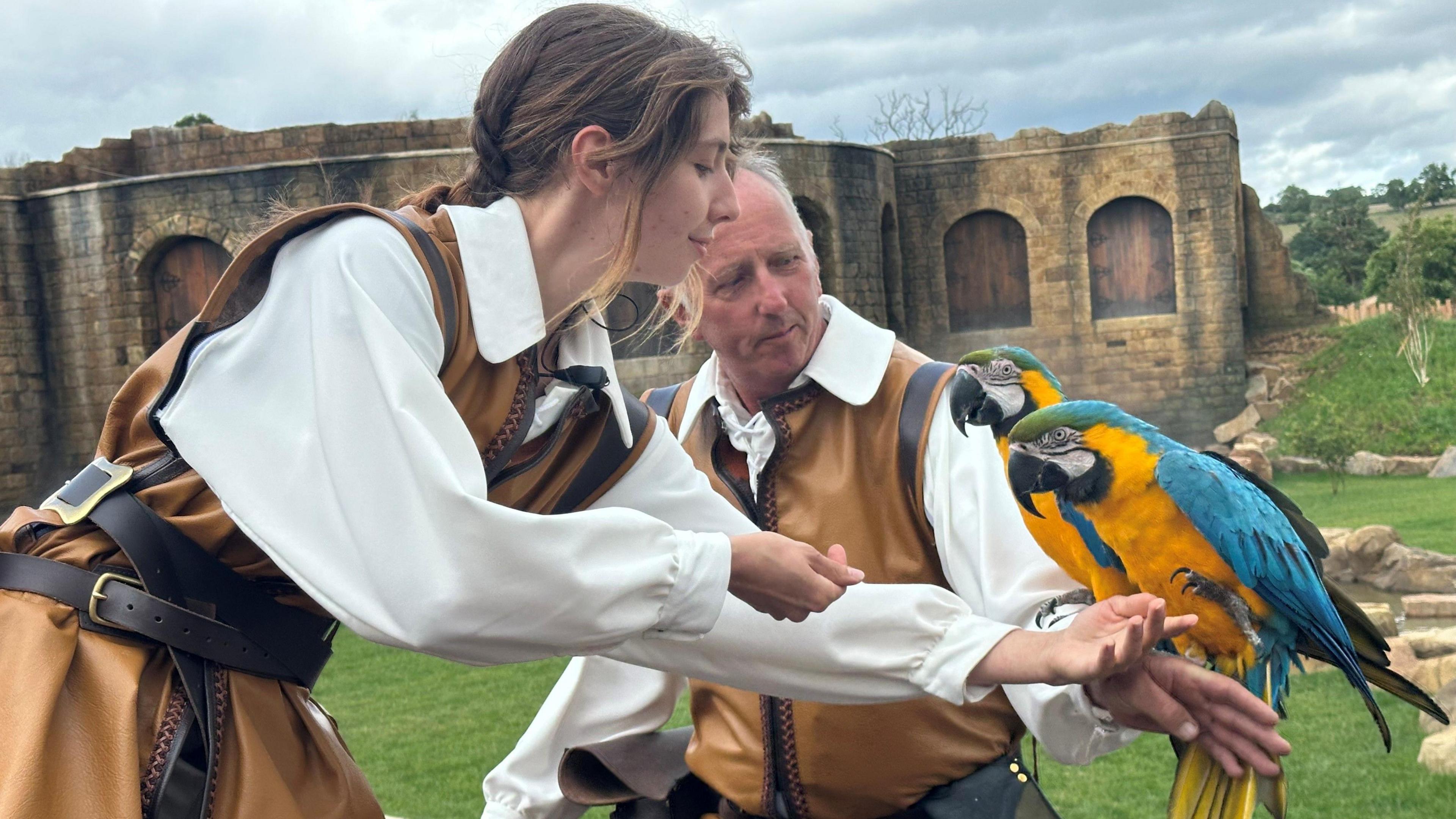
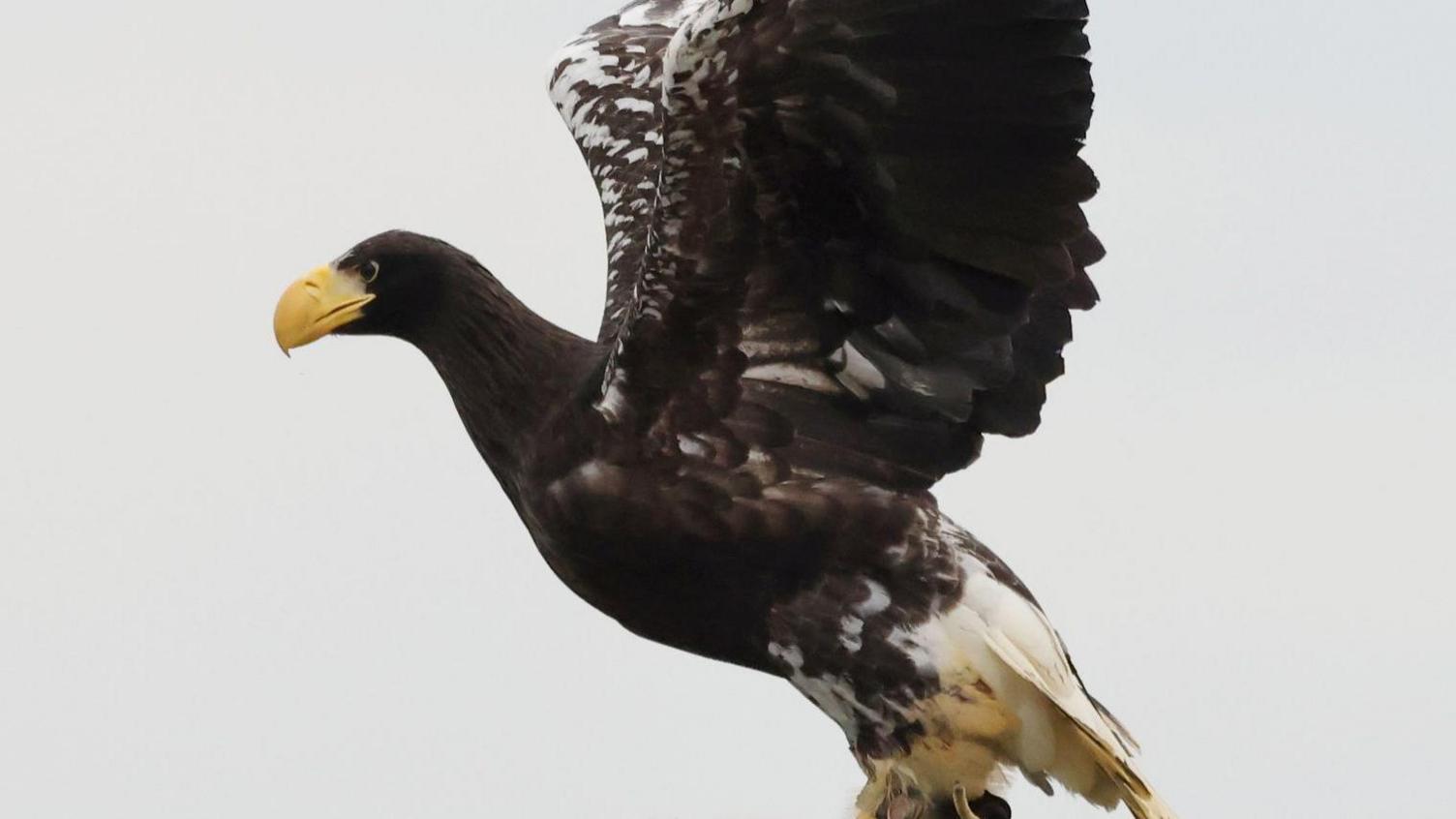
Among Kynren’s most impressive residents are Ariadne and Arkas, a majestic pair of Steller’s sea eagles. These enormous raptors, native to the remote coastlines of Russia and Japan, are a critically endangered species, making their presence at Kynren particularly significant. Ariadne, with her striking plumage and powerful build, has developed a surprisingly fond appreciation for the spectacular fireworks display that concludes Kynren’s main evening show; her aviary has been thoughtfully positioned to offer her a prime viewing spot. Other captivating personalities include Peanuts and Coco, two vibrant blue and yellow macaws, who greet staff with a cheerful "all right" and bid them "goodbye," showcasing their remarkable intelligence and vocal abilities. The galahs, ever-present, fill their enclosure with incessant chatter, adding a lively soundtrack to the park.
Each bird at Kynren undergoes rigorous training through positive reinforcement techniques, ensuring they are happy and comfortable participating in the flying displays. Their safety is paramount, and each bird is fitted with a tracker, allowing the team to easily locate them should they venture beyond the Kynren site – an event that recently saw a peregrine falcon enjoying an unscheduled excursion to nearby Spennymoor.
Jimmy emphasizes that the birds chosen for the show are "meaningful" to people, selected for their "culturally and historically significant" roles alongside humans throughout history. "They’re not here just for people to look at," he asserts, explaining that the show aims to weave "a story about why humans are fascinated with birds." The ultimate goal is to foster a profound "connection" between visitors and the birds, harkening back to a time when humans were more attuned to the natural world, symbolized by the simple pleasure of being "woken by the dawn chorus."
The broader mission of The Lost Feather extends far beyond entertainment. "The ideal goal would be to inspire people to work in conservation," Jimmy explains. "But if one person leaves this arena and wants to help birds in their back garden, we’ve achieved our mission." This tiered approach to inspiration seeks to empower visitors at all levels to contribute to avian conservation.
While acknowledging that animal shows can sometimes draw criticism from animal welfare activists, Kynren’s approach is rooted in a robust conservation ethos and exemplary animal husbandry. The attraction actively leverages its platform to address critical conservation issues. A cornerstone of this commitment is the establishment of breeding programmes for critically endangered species. Jimmy and his team are already preparing for the future, focusing on the African white-backed vultures and the African grey crowned cranes, both facing severe threats in their native habitats.
The African white-backed vultures, often misunderstood and "much-maligned," are among Jimmy’s personal favorites. He passionately explains their indispensable role: "They are essential to eco-systems," detailing how these vital scavengers efficiently remove "tonnes of waste on a phenomenal scale." The catastrophic decline of vulture populations, primarily due to poisoning and habitat loss, has dire consequences. "If we lose vultures, we lose a vital ecological role, and that has devastating effects," Jimmy warns. A healthy captive population, established through careful breeding, could represent a "last lifeline" for these magnificent birds. Kynren is actively connecting with other conservation programmes to ensure genetic diversity and maximize the impact of their efforts to "help birds in the wild." Similarly, the endangered African grey crowned cranes, known for their striking appearance and elaborate courtship rituals, will benefit from Kynren’s breeding initiatives, contributing to global efforts to safeguard their future.
Beyond international efforts, Kynren is deeply committed to local conservation. In partnership with the Hampshire-based Hawk Conservancy Trust, Jimmy and his team are investigating the concerning decline of kestrels in the North East of England. This collaborative research aims to "try and work out" the underlying causes of this decline – which could range from habitat loss and reduced prey availability to pesticide use – and "how we can help reverse that."
From autumn, Kynren will also expand its practical conservation work by offering "real estate" for wild native owls. The project will install carefully designed nest boxes across the 700-acre Bishop Auckland site, and extending to strategic locations from Northumberland down to North Yorkshire, providing crucial nesting opportunities for barn, tawny, and little owls. "We give them places to nest and we monitor the youngsters," Jimmy explains. "Then we help to encourage the environments they live in as a more stable place for them." This hands-on approach directly addresses habitat loss, a significant factor in the decline of many wild bird populations. Furthermore, a dedicated team of volunteers has been meticulously trained to conduct comprehensive spring and autumn field surveys across the region, meticulously recording the status and trends of wild bird populations. This valuable data will inform future conservation strategies and highlight areas most in need of intervention.
Back at the Kynren site, the birds of The Lost Feather receive exceptional care. They are fed a specialized diet from reputable zoo suppliers and are flown daily, not just for performance, but for essential "enrichment and exercise." During the colder winter months when the attraction closes, the birds are kept "snug and warm" in their well-appointed aviaries. Jimmy humorously likens his role to providing the "ultimate hotel service for birds." "My job is to make sure their rooms have been made when they return after flying," he quips, emphasizing the meticulous attention to detail. "We freshly fold their towels and all that sort of stuff." This level of care underscores Kynren’s commitment to the well-being of its feathered residents.
"Come rain or shine, we are here looking after the birds and making sure they are healthy and happy," Jimmy affirms. He stresses that the performances are a natural extension of their innate behaviors: "We’re not asking the birds to do something unusual. We’re asking them to just simply do what they have evolved to do for millions of years – fly." With the shows ready to launch, Jimmy concludes with palpable excitement, declaring that the project is "quite literally ready for take off," poised to make a significant impact on both public appreciation and the vital conservation of endangered avian species.


 George Anjay
 Nakalama John
 atisusanti
 Ramos Leo
 Roy Suryo