Nakalama John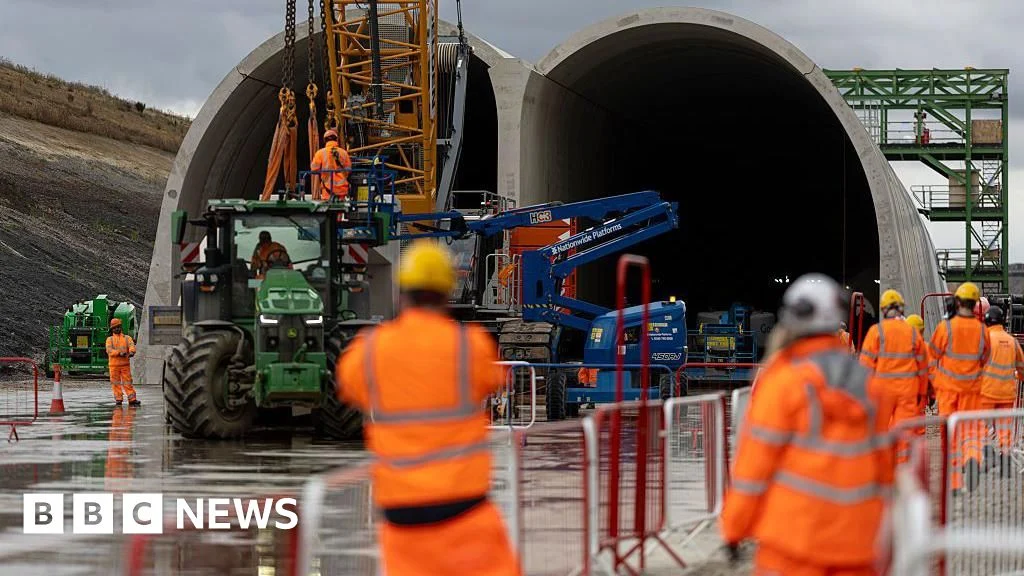
The decision to contemplate such a fundamental alteration underscores the profound challenges facing HS2. Designed to be one of the fastest conventional railways in the world, with trains capable of reaching speeds of up to 360km/h (224mph), the very essence of "high speed" is now being re-evaluated in the face of financial pressures. This move represents a significant departure from the initial vision for HS2, which promised to revolutionise inter-city travel, slash journey times, and provide much-needed capacity on Britain’s congested rail network.
HS2’s chief executive, Mark Wild, had been expected to deliver a crucial update this month, confirming that the line would not be completed until well after the current 2033 deadline and that its cost would soar beyond £100 billion in today’s prices. However, this highly anticipated announcement has been strategically postponed until after the upcoming May elections, a clear indication of the political sensitivity surrounding the project’s precarious state. Among the various cost-saving options being meticulously scrutinised is the implementation of a lower initial operating speed for trains on the newly constructed line.
The ambitious design speed of 360km/h (224mph) for HS2 significantly surpasses the speeds of most high-speed trains currently operating in the UK, which typically reach around 200km/h (125mph). Even the Channel Tunnel Rail Link (HS1), a crucial international artery, operates at a maximum of 300km/h. This exceptional speed capability for HS2 was intended to set a new benchmark for rail travel in the UK, delivering substantial reductions in journey times between major cities. However, achieving and maintaining such speeds comes with enormous financial and engineering implications, impacting everything from track design and signalling systems to rolling stock specifications and ongoing maintenance.
A significant hurdle identified by Department for Transport (DfT) sources relates to the testing of trains at their intended operating speeds. The sheer velocity necessitates either a bespoke test track specifically designed for 360km/h operations or the completion of a substantial portion of the railway itself before comprehensive high-speed testing can commence. The DfT argues that constructing such a dedicated test facility or waiting for the main line to be fully operational would inevitably delay the project’s completion by several years and add billions of pounds to the already bloated budget. This presents a Catch-22 situation: the very feature that defines HS2’s ambition is proving to be a major obstacle to its timely and cost-effective delivery.
In a highly unusual and politically charged suggestion, DfT sources have floated the alternative of sending HS2 trains to China for testing on their extensive network of existing high-speed tracks. While China boasts the world’s largest and most advanced high-speed rail system, capable of supporting the speeds HS2 aims for, such a proposal would undoubtedly spark considerable debate. Beyond the logistical complexities and significant costs of transporting rolling stock halfway across the globe, the optics of relying on a foreign nation to test a British flagship infrastructure project would likely be perceived as a symbolic concession of technical prowess and an admission of domestic project failure. It raises questions about national pride, industrial capability, and the long-term strategic independence of UK rail development.
The government has not shied away from expressing its profound dissatisfaction with the project’s trajectory. Last year, the Transport Secretary publicly branded the scheme an "appalling mess," a sentiment that reflects growing frustration within Whitehall over the project’s management, expenditure, and seemingly intractable problems. This criticism highlights a broader political narrative that has shifted from enthusiastic endorsement to cautious scrutiny and, in some quarters, outright exasperation. The Conservatives, facing a challenging political landscape, are under immense pressure to demonstrate fiscal responsibility and deliver value for taxpayer money, making the HS2 project a particularly thorny issue.
Mark Wild, appointed as chief executive of HS2 in May 2024 (under the previous government, according to the source, implying a relatively recent appointment to oversee the next critical phase), brings a wealth of experience from his previous role as chief executive of Crossrail, the project that ultimately became London’s highly successful Elizabeth Line. His appointment signalled a concerted effort to bring a steady hand to the helm of HS2, with a clear mandate to bring the project back on track. Wild has reportedly spent more than a year meticulously working on a comprehensive "reset" of the entire project. This "reset" is intended to deliver a brutally honest and realistic assessment of the project’s current status, outlining a credible schedule for completion and establishing a revised, achievable budget. The current re-evaluation of operating speeds is undoubtedly a direct outcome of this intensive review process.
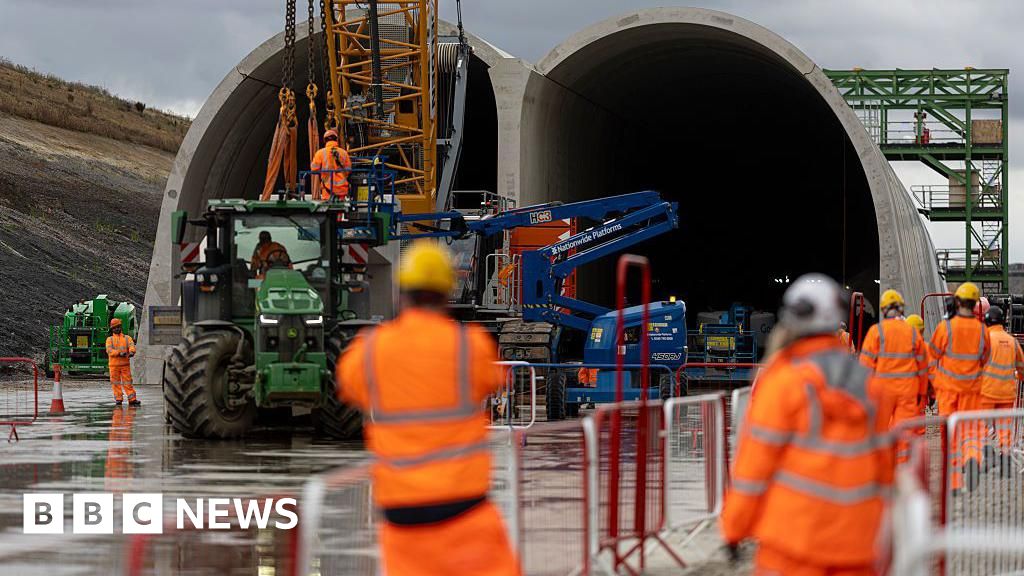
Despite the ongoing controversies and delays, significant progress has been made on the ground. A number of major civil engineering developments, including vast tunnels and intricate bridges, have been constructed along the route from London towards Birmingham. These visible signs of progress stand in stark contrast to the financial and scheduling woes that continue to plague the project’s overall timeline, reinforcing the reality that while much has been built, the railway remains years away from becoming operational.
The journey of HS2 has been marked by a series of significant scale-backs and changes in scope. Originally conceived as a Y-shaped network designed to connect London with not only Birmingham but also Leeds and Manchester, the northern sections of the project have been progressively cancelled. The eastern leg to Leeds was scrapped in 2021, followed by the complete cancellation of the northern leg beyond Birmingham to Manchester in October 2023. These cancellations, justified by the government as necessary to redirect funds to other transport projects in the North and Midlands, have profoundly altered the project’s character and diminished its original transformational vision. Under the current, truncated plans, HS2 trains are still expected to travel from Birmingham towards Manchester, but crucially, they will do so at reduced speeds, utilising existing West Coast Main Line tracks rather than dedicated high-speed infrastructure. This compromise further erodes the high-speed promise and raises questions about the overall return on investment for the remaining London-Birmingham segment.
The implications of running HS2 trains slower than originally planned are multifaceted. While it could indeed yield substantial cost savings by potentially allowing for less demanding civil engineering, less powerful traction systems, and reduced maintenance requirements over the line’s lifespan, it also fundamentally alters the project’s value proposition. The primary benefits touted for HS2 were not just increased capacity but also significantly reduced journey times, fostering better connectivity and economic growth across the UK. A slower HS2 would dilute this key selling point, potentially reducing its attractiveness to business travellers and impacting the economic modelling that underpinned its initial justification. It could also fuel public cynicism, as taxpayers are asked to fund a project that increasingly deviates from its initial, ambitious promises. The ongoing saga of HS2, now contemplating a reduction in its very defining feature, reflects the immense challenges inherent in delivering mega-infrastructure projects in the 21st century, where financial realities often collide with grand visions.




 George Anjay
 atisusanti
 Ramos Leo