Nakalama John
Professor David Bailey, an esteemed expert from the Birmingham Business School, voiced profound concerns that such substantial redundancies could severely impede the company’s crucial ability to innovate and adapt in the future. His apprehension is shared by many who understand the delicate balance between cost-cutting measures and the preservation of critical intellectual capital. The direct impact on JLR’s immediate employees is undeniable, but the repercussions extend far beyond its internal operations. David Roberts, the chairman of Coventry-based Evtec Group, a key supplier to JLR, highlighted the sheer scale of the interconnectedness, estimating that up to 200,000 jobs across the UK could be directly or indirectly tied to JLR’s operations, illustrating the profound multiplier effect of such decisions.
The planned cuts are slated to unfold over the coming 24 months, with a primary focus on the head office functions located in Whitley, Coventry. This geographical concentration of redundancies within a pivotal region for the UK automotive industry raises significant concerns regarding the potential erosion of the West Midlands’ highly specialised skill base. The region has historically been a hub of automotive engineering and development, and the loss of experienced personnel could have lasting detrimental effects on its industrial capacity and future prospects.
Professor Bailey articulated the inherent danger in such a strategy, stating, "The danger there is, in part, if they cut for example too many workers in research and development that could affect their future ability to develop new cars." He stressed that JLR is currently navigating a "really critical phase," and the internal atmosphere at the firm would undoubtedly be charged with "real concern about what’s happening." While acknowledging the myriad issues confronting JLR, Professor Bailey maintained that workforce reductions, particularly in areas vital for future growth, present a considerable risk.
He further elaborated on a concerning economic cycle that often follows such decisions: "When margins are squeezed, companies cut costs and investment; when investment is delayed, the UK becomes less competitive; and when competitiveness falls, future investment increasingly goes elsewhere." This ominous progression paints a stark picture of the long-term consequences if not managed strategically. Professor Bailey also underscored the urgent need for robust government assistance to enable the British motor industry to effectively compete in the burgeoning electric vehicle (EV) market. He emphasized that the sector’s importance transcends mere factory floor employment, explaining: "It anchors research and development, engineering capability, component suppliers and regional economies." The permanent loss of these integral capabilities, he warned, would be "extremely difficult to recreate," representing an irreplaceable blow to the nation’s industrial fabric.
For companies like Evtec Group, which supplies critical parts to JLR, the news translates into immediate and tangible anxiety. Chairman David Roberts described the period as a "worrying time," noting the precarious position of many jobs within the supply chain. He lamented the potential for a permanent exodus of skilled labour from the sector: "A lot of the jobs here, if they go, they go, they leave the sector. And these are jobs with real skills that take years to build and it’s easier to lose them." The loss of such highly specialised expertise, honed over decades, represents a significant blow to the industry’s collective capability.
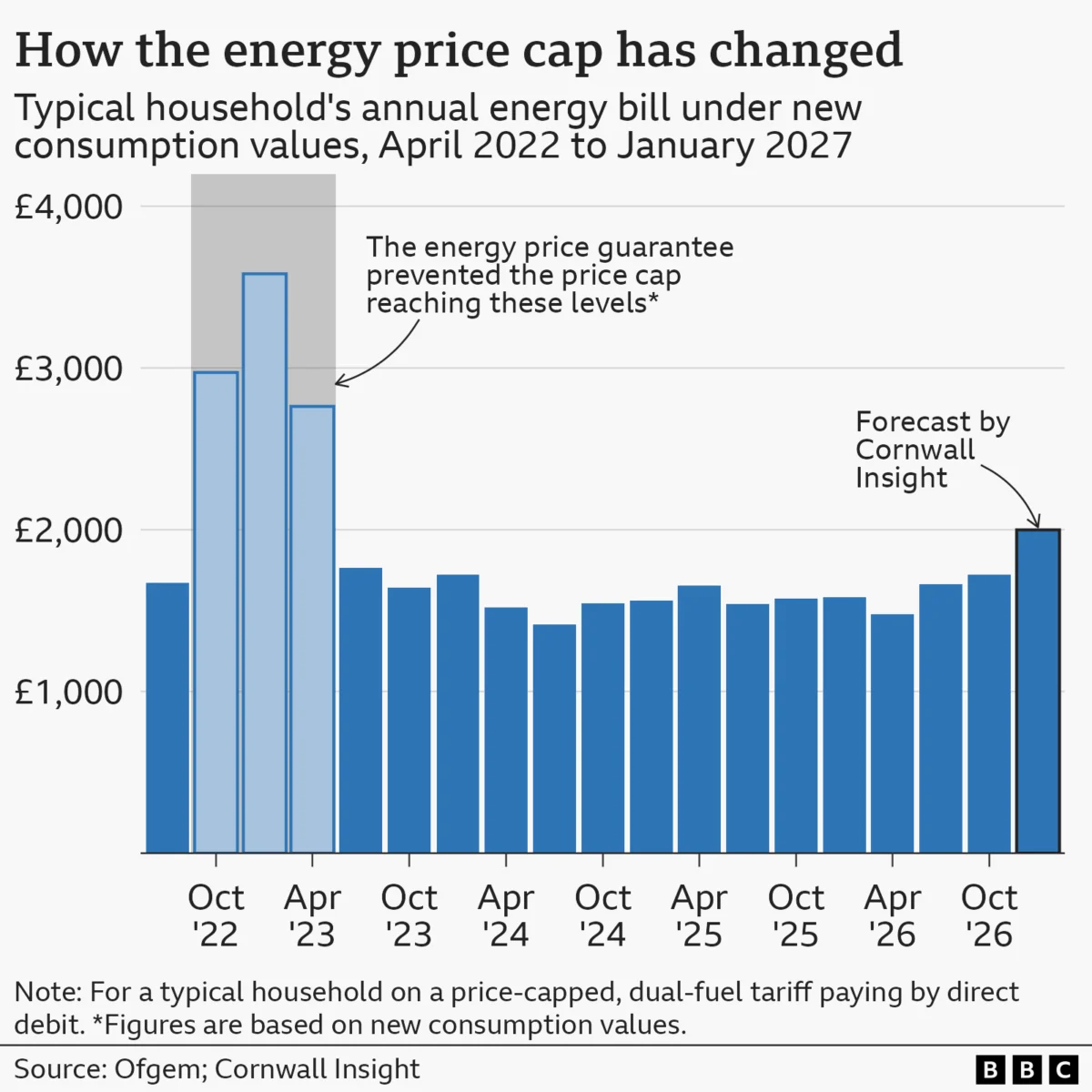
JLR’s decision to downsize comes against a backdrop of formidable challenges. The company has grappled with persistent falling sales in key global markets, exacerbated by intense competition from rapidly emerging Chinese manufacturers who are quickly establishing dominance in the electric vehicle space. Last year, the company also endured the crippling consequences of a devastating cyber-attack that severely paralysed production, causing significant financial losses and operational disruptions. Compounding these issues are the ongoing pressures of escalating energy prices and broader global economic headwinds, which have squeezed margins and inflated operating costs across the manufacturing sector.
Paradoxically, even as it cuts jobs, JLR has simultaneously committed billions of pounds in a monumental effort to reinvent itself for an electric future. This ambitious "Reimagine" strategy involves a complete overhaul of its vehicle lineup, manufacturing processes, and brand positioning, aiming to establish itself as a leader in modern luxury electric vehicles.
Dr. Steve McCabe, a political economist from Birmingham City University, offered a perspective that frames the job cuts as a strategic, albeit painful, manoeuvre. He believes these actions are integral to JLR’s long-term survival strategy. "What JLR are trying to do is clean themselves up and make themselves more efficient in the hope that allows them to survive," he explained. Dr. McCabe expressed a cautious optimism, adding, "The hope is of course that it’s a temporary thing," implying that these measures are intended to streamline operations and ensure the company’s viability during a critical transition period, rather than signal a permanent decline.
The company’s transformative journey is set to reach another crucial milestone with the highly anticipated unveiling of a new electric car on 6 October. This launch is not merely another product release; it represents a pivotal moment for JLR, embodying the success or failure of its ‘Reimagine’ strategy. Kevin Moreley, a former managing director of the iconic Rover Group, underscored the immense stakes involved. He revealed that he had initially viewed JLR’s earlier estimations of around 300 redundancies as "a little optimistic," particularly given the inherent unpredictability surrounding the launch of a new Jaguar model and the broader context of massive industry-wide transformations, such as Volkswagen’s reported plan to make 100,000 workers redundant. Moreley’s stark warning encapsulates the precarious nature of the situation: "4,000 will not be the end of it if the new Jaguar doesn’t sell the numbers they hope." This statement highlights the ongoing vulnerability of the workforce and the deep dependency on the market’s reception of JLR’s new electric offerings.
The automotive industry is in the midst of its most profound transformation in over a century, driven by regulatory pressures, environmental concerns, and shifting consumer preferences towards electric vehicles. For legacy automakers like JLR, this transition demands colossal investments in new technologies, battery production, and charging infrastructure, while simultaneously managing the decline of traditional internal combustion engine vehicle sales. The job cuts at JLR, therefore, are not an isolated incident but a stark reflection of the immense pressures and strategic recalibrations required for survival and success in this rapidly evolving global landscape. The outcome of JLR’s ‘Reimagine’ strategy, and the success of its new electric models, will determine not only the fate of its remaining workforce but also hold significant implications for the future of the UK’s automotive manufacturing prowess and its critical skill base.



 Roy Suryo