
 Nana Banana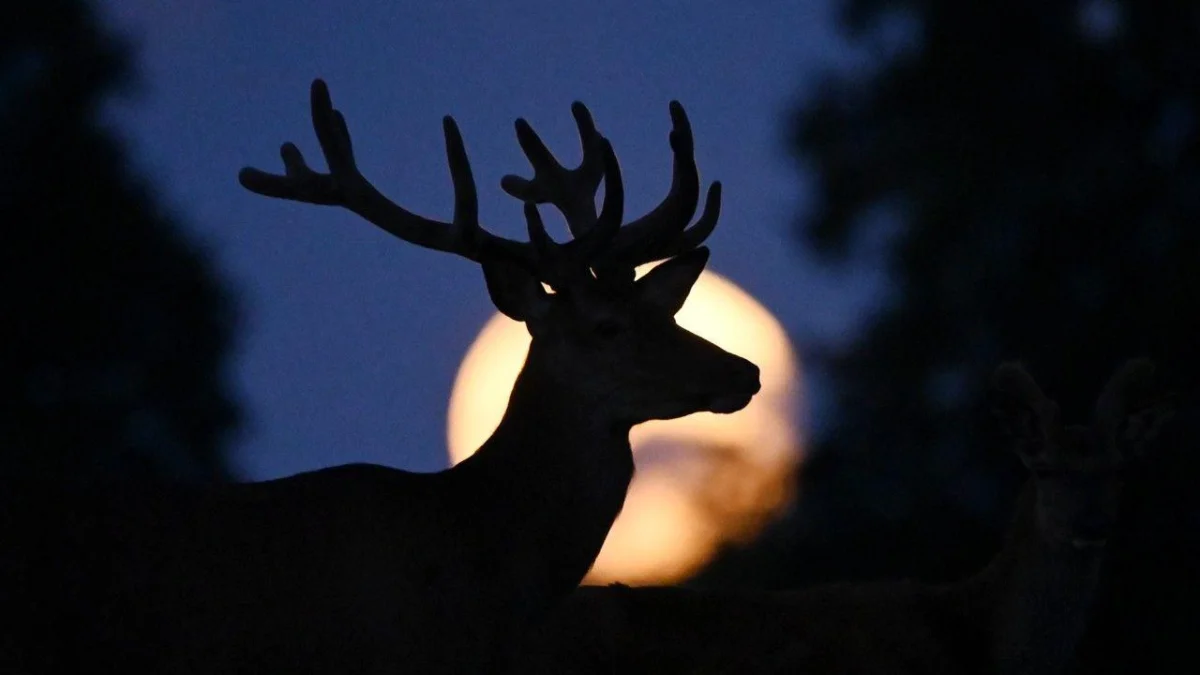
Prepare for a celestial spectacle as the July full Moon, affectionately known as the Buck Moon, illuminates the night sky across the UK and beyond in 2026. This eagerly anticipated event promises a stunning display for skygazers, marking the second full Moon of the astronomical summer. On Wednesday, July 29, 2026, at precisely 12:18 BST (11:18 UTC), the Moon will reach its peak illumination. While this exact moment of maximum fullness occurs during daylight hours for the UK, observers will still be treated to a magnificent sight as the Moon rises in the east and graces the evening sky on Tuesday, July 28, and Wednesday, July 29, appearing gloriously full to the naked eye throughout both nights.
Understanding the Buck Moon’s Appearance
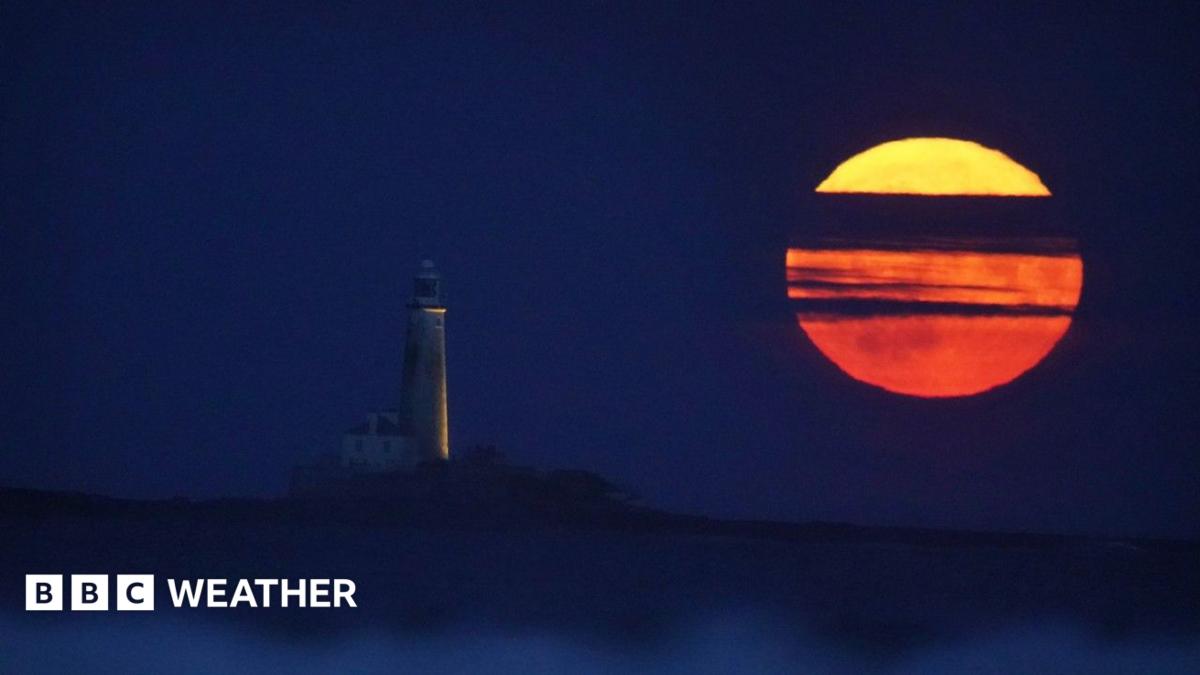
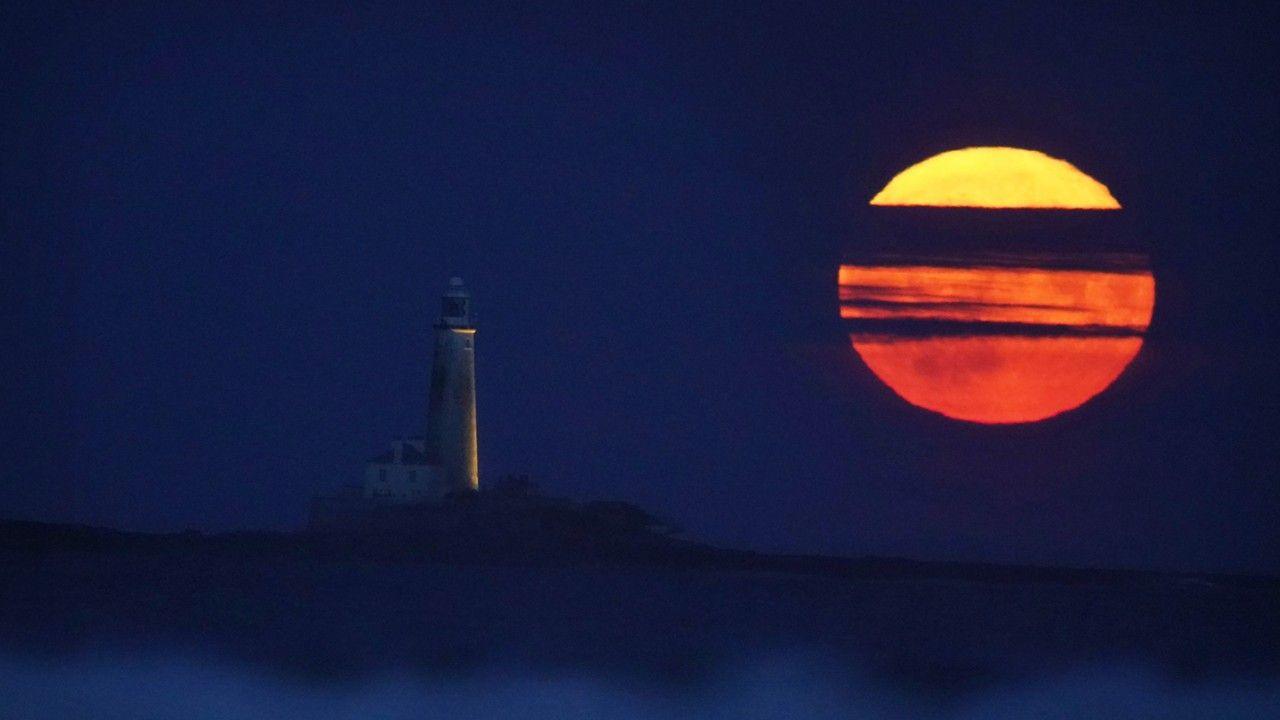
For those in the UK, the prime viewing opportunities will be during the evenings of July 28 and July 29. As the sun sets and twilight deepens, look towards the eastern horizon. The Moon will appear largest and most vibrant shortly after moonrise due to a phenomenon known as the "Moon illusion." This optical trick makes the Moon seem enormous when viewed near the horizon, with terrestrial objects providing a sense of scale. While the Buck Moon in 2026 is not classified as a "supermoon" – a term for a full Moon occurring near its closest approach to Earth (perigee) – it will still be a breathtaking sight, casting its silvery glow across the landscape.
To fully appreciate the Buck Moon, find a viewing spot away from city lights, if possible, to minimize light pollution. Even in urban areas, the full Moon is bright enough to be seen clearly, but a darker environment will enhance its brilliance and allow for better appreciation of surrounding stars. No special equipment is needed, but a pair of binoculars can offer a more detailed view of the lunar surface, revealing craters and maria (dark plains) with surprising clarity. For photographers, capturing the Buck Moon as it rises above a distinct horizon, perhaps framed by trees or buildings, can create striking images.
Why is it called the Buck Moon? Unpacking its Rich History
Like many of the year’s full Moons, the July full Moon carries a descriptive nickname rooted in ancient traditions and natural cycles. The moniker "Buck Moon" originates from various Native American tribes, particularly those from the Algonquin, Ojibwe, Dakota, and Lakota cultures, who used the Moon’s phases to track the changing seasons and guide their agricultural and hunting practices.
The name "Buck Moon" specifically refers to the time of year when male deer, or bucks, are in a rapid growth phase of their antlers. After shedding their old antlers in spring, new velvety antlers begin to grow, reaching their full size by late summer. July marks a significant period in this growth cycle, hence the direct association. This natural phenomenon was a crucial indicator for these communities, signaling the abundance of summer and the progression towards autumn.
Beyond the Buck Moon, this celestial event is known by several other evocative names, reflecting different natural occurrences or agricultural activities:
- Thunder Moon: Popularized by the Royal Observatory in Greenwich, this name acknowledges the frequent thunderstorms that characterize mid-summer in many regions.
- Hay Moon: Reflecting the vital hay harvest that typically takes place in July, ensuring feed for livestock through the winter.
- Salmon Moon: Used by some coastal tribes, referring to the time when salmon swim upstream to spawn.
- Raspberry Moon: Denoting the ripening of raspberries and other berries during this mid-summer period.
- Feather Moulting Moon: A name from some indigenous groups for the time when birds begin to shed their old feathers and grow new ones.
These diverse names underscore humanity’s long-standing connection to the lunar cycle and its role in understanding and navigating the natural world.
Will I be able to see it? 2026 UK Weather Outlook
While forecasting the exact weather for July 2026 is impossible, we can consider typical summer conditions in the UK. July often brings a mix of sunshine and occasional showers, but prolonged periods of cloud cover across the entire country are less common than in other seasons.
For a clear view of the Buck Moon, ideally, you’ll want cloudless skies. Historically, central, southern, and eastern areas of England tend to experience more settled and clearer conditions during mid-summer evenings. Northern England, Scotland, Wales, and Northern Ireland, while beautiful, can be more susceptible to Atlantic weather systems, which might bring variable cloud and scattered showers.
However, even with some patchy cloud, the full Moon’s brightness means it can often be glimpsed between breaks. Keep an eye on local weather forecasts closer to July 28-29, 2026, for the most accurate predictions. Regardless of the exact conditions, the Moon’s commanding presence in the night sky makes it worth stepping outside to look up.
What else is happening in the summer sky? A Stellar Line-up for 2026
The Buck Moon is merely one highlight in a spectacular summer of celestial events planned for 2026. August, in particular, promises an astronomical feast that will captivate sky-watchers across the globe.
The Perseid Meteor Shower: A Dazzling Display (Peak: August 12-13, 2026)
The Perseids, widely regarded as one of the best meteor showers of the year, will be active throughout late July and much of August, with its peak occurring overnight on August 12 into the predawn hours of August 13, 2026. This shower is famous for its bright, fast meteors, often leaving persistent trains of light. The Perseids originate from the debris left behind by Comet Swift-Tuttle as Earth passes through its dusty trail. Under ideal dark sky conditions, observers can expect to see up to 60-100 meteors per hour (the Zenithal Hourly Rate, or ZHR). In 2026, the Moon will be a waning crescent during the Perseid peak, meaning its light interference will be minimal, creating excellent viewing conditions for this spectacular annual event. Find a dark spot after midnight, lie back, and let your eyes adjust to the darkness for at least 20 minutes. The meteors appear to radiate from the constellation Perseus, but they can be seen anywhere in the sky.
The Total Solar Eclipse: A Rare European Spectacle (August 12, 2026)
Coinciding with the Perseid meteor shower peak is a truly monumental event: a total solar eclipse on August 12, 2026. This will be the first total solar eclipse visible over mainland Europe since 1999, generating immense excitement among astronomers and the public alike. The path of totality will sweep across parts of Greenland, Iceland, and most notably, northern Spain and Portugal. Observers within this narrow band will witness the awe-inspiring moment when the Moon completely obscures the Sun, revealing its ethereal corona.
For those in the UK, while we won’t experience totality, we will be treated to a significant partial solar eclipse. The Moon is expected to cover around 90% of the Sun at its peak for many parts of the UK. This means the sky will noticeably dim, and if viewed safely, the Sun will appear as a crescent. It is absolutely crucial to use proper eye protection (certified solar eclipse glasses or viewers) when observing any phase of a partial solar eclipse. Looking directly at the Sun, even when partially obscured, can cause permanent eye damage. Projecting the Sun’s image through a pinhole camera is another safe viewing method. Timings for the partial eclipse will vary slightly across the UK, but it will be a daytime event, offering a dramatic spectacle.
The Partial Lunar Eclipse: A Late-Night Treat (August 28, 2026)
Rounding out August’s celestial calendar is a partial lunar eclipse in the early hours of August 28, 2026. A lunar eclipse occurs when the Earth passes directly between the Sun and the Moon, casting a shadow on the lunar surface. In a partial lunar eclipse, only a portion of the Moon enters Earth’s umbra (the darkest part of the shadow), meaning part of the Moon will appear darkened or even reddish-brown, while the rest remains illuminated. This event will be visible across much of Europe, including the UK, providing another opportunity to witness the intricate dance of our solar system. Unlike solar eclipses, lunar eclipses are entirely safe to view with the naked eye, binoculars, or a telescope.
Other Summer Highlights:
Beyond these major events, summer 2026 will also offer opportunities to spot various planets. Look for bright Venus in the evening sky at times, and Mars, Jupiter, and Saturn might also make appearances depending on their orbits. Identifying prominent summer constellations like Lyra, Cygnus, and Aquila, forming the Summer Triangle, provides a familiar roadmap for navigating the starry expanse.
From the illuminated orb of the Buck Moon to the swift streaks of Perseid meteors and the rare grandeur of both solar and lunar eclipses, summer 2026 is poised to be an unforgettable season for astronomy enthusiasts and casual sky-watchers alike. So, mark your calendars, prepare your viewing spots, and get ready to look up.




 Roy Suryo

 Nakalama John
 atisusanti
 Ramos Leo
