George Anjay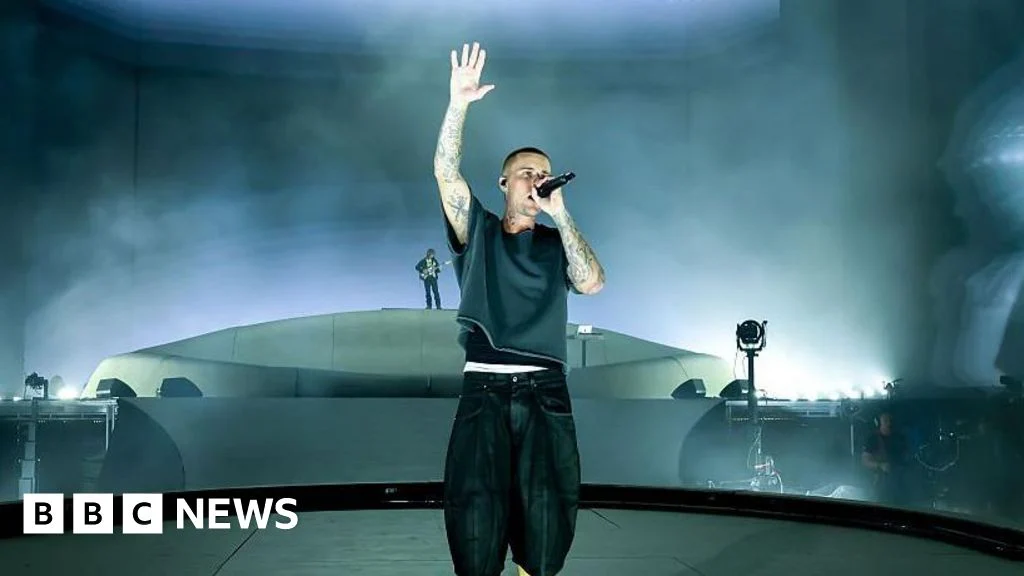
The vast expanse of the California desert pulsed with anticipation as Justin Bieber, a titan of pop music, took center stage at Coachella, delivering a headlining performance that was both a triumphant return and a deeply personal journey through his iconic career. For legions of fans who have followed his meteoric rise from YouTube sensation to global superstar, Saturday night’s set was a potent cocktail of nostalgia, self-reflection, and a powerful reminder of the enduring impact of his music. This marked Bieber’s most significant live engagement in four years, a poignant comeback following the unforeseen health challenges that led to the cancellation of his extensive "Justice" world tour.
In a move that resonated with the very origins of his fame, Bieber, now 32, captivated the massive Coachella crowd by embracing the platform that first propelled him into the global spotlight. Much of his performance was ingeniously framed around his relationship with YouTube. He was frequently seen seated at a laptop, bathed in the glow of the screen, as he sang along to YouTube music videos of his earliest, chart-topping hits. The immediate crowd response to anthems like "Baby" and "Never Say Never" was electric, a collective exhalation of joy and shared memory. This creative staging wasn’t merely a gimmick; it was a profound acknowledgment of his roots, a direct nod to the countless hours fans spent discovering and connecting with his music through the video-sharing giant.
Adding another layer of intimacy to the spectacle, Bieber interspersed his performance with the very home videos that had first captured the industry’s attention when he was a mere 12-year-old prodigy. These grainy, authentic glimpses into his childhood and early musical aspirations were projected onto the colossal screens flanking the stage, allowing the audience to witness his extraordinary evolution firsthand. In a particularly meta touch, Bieber appeared to engage with the live comments scrolling across the YouTube stream of his set, blurring the lines between the digital and physical realms and creating a truly immersive experience for those in attendance and watching online.
The set opened with Bieber standing alone on an otherwise stark stage, a deliberate choice that underscored his individual presence and the weight of the moment. He delved into tracks from his recent albums, "Swag" and "Swag II," released in 2025, showcasing his contemporary artistry. However, it was his subsequent pivot to his extensive back catalogue that truly ignited the festival grounds. With a disarming smile, he posed the rhetorical question to the roaring crowd, "How far back do you go?" This simple query served as an invitation to embark on a sonic expedition, a retrospective exploration of the soundtrack to so many lives.
In a candid and perhaps cathartic moment, Bieber also played the clip that had recently propelled him into viral online discussions and sparked widespread speculation about his mental well-being. In the footage, he is seen confronting a photographer, his words, "It’s not clocking to you, I’m standing on business," echoing with a newfound assertiveness. His decision to recontextualize this moment within the grander narrative of his performance suggested a desire to reclaim his story and address public perceptions with a sense of control and resilience.
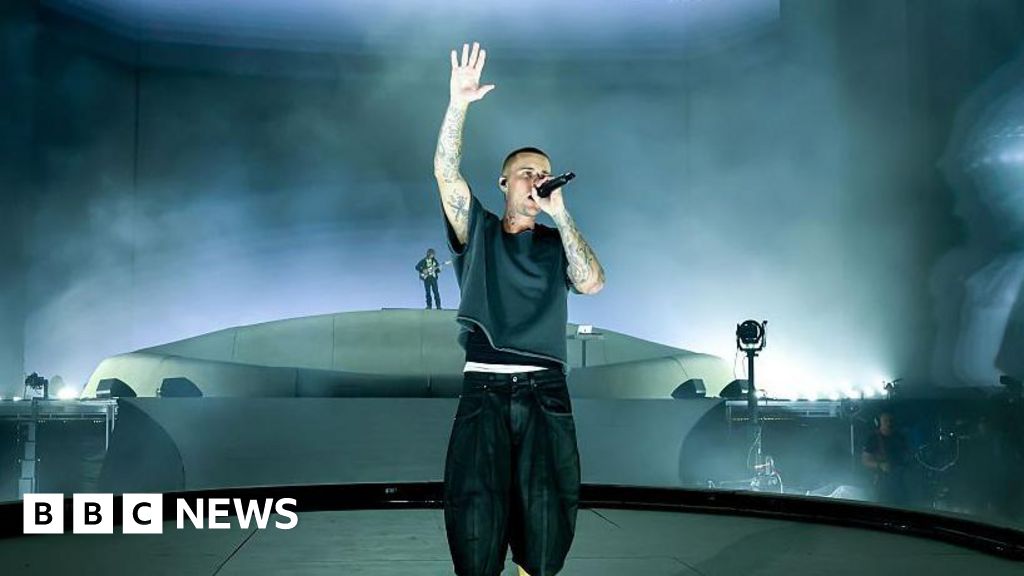
Dressed in a relaxed ensemble of a hoodie and shorts, Bieber’s performance style on the stripped-back stage exuded a comfortable authenticity, a far cry from the more elaborate productions of his past tours. This unpretentious presentation allowed the music and his connection with the audience to take center stage. His set was further amplified by a series of high-profile musical guests who joined him throughout the night. The electrifying energy of The Kid Laroi, the global rhythms of Wizkid and Tems, and the soulful contributions of Dijon all added unique textures and dynamic flourishes to Bieber’s performance, demonstrating his broad appeal and collaborative spirit within the music industry.
The presence of his wife, Hailey Bieber, in the crowd, alongside the celebrity power couple Timothée Chalamet and Kylie Jenner, added a touch of Hollywood glamour to the already star-studded event. Their visible support underscored the personal significance of this performance for Bieber, marking a pivotal moment in his public life.
Bieber’s return to such a monumental platform comes after a period of significant health challenges. In 2022, he was diagnosed with Ramsay Hunt syndrome, a complication of shingles that resulted in facial paralysis and necessitated the cancellation of his highly anticipated world tour. His candid discussions about his health struggles have resonated with many, fostering a deeper understanding and appreciation for his resilience. His surprise album "Swag" in July 2025 and his powerful performance at the Grammy Awards earlier this year signaled his determined re-emergence into the music scene, building momentum towards this momentous Coachella appearance.
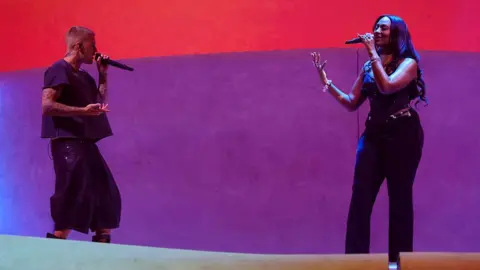
Coachella, renowned for its eclectic and expansive lineup, continued to showcase a diverse range of global talent. Following Bieber’s headline-grabbing performance, Colombian pop sensation Karol G was slated to close out the festival on Sunday, promising another unforgettable night of music and celebration. The iconic festival, held over two weekends in the sun-drenched landscape of the California desert, draws an immense crowd of over 100,000 attendees daily to Indio’s Empire Polo Club. Since its inception in 2002, Coachella has solidified its status as a cultural phenomenon, a melting pot of music, art, and fashion that continues to define the contemporary festival experience. The echoes of Bieber’s nostalgia-fueled set, however, were sure to linger long after the final notes faded, a testament to a career that has continually reinvented itself, connecting with new generations while cherishing the enduring legacy of its past.

 Nakalama John
 Ramos Leo
 Nana Banana