George Anjay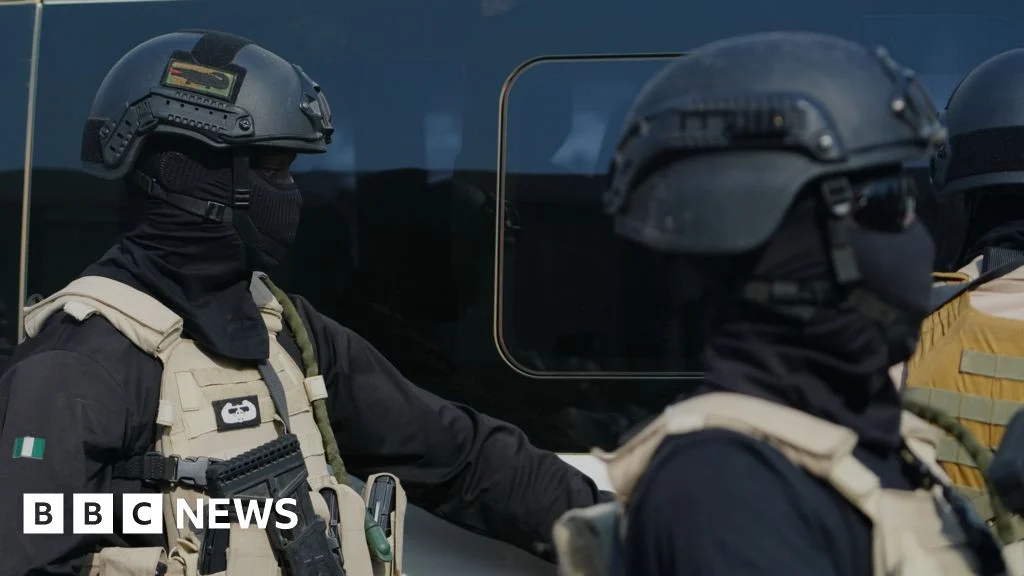
Civilians are feared to have died in a devastating air strike that reportedly hit a busy market in Nigeria’s restive north-east, according to conflicting reports emerging from the region. The incident, which occurred near the volatile border area between Yobe and Borno states, has sparked urgent calls for a thorough investigation and raised grave concerns about civilian protection amidst the ongoing counter-insurgency operations. While the Nigerian Air Force has confirmed conducting "mop-up" air strikes against identified terrorist locations in the Jilli axis of Borno State on Saturday, it has not explicitly confirmed striking the market or provided details on casualties.
The Jilli market, a vital hub for trade and commerce in the Gubio local government area of Borno State, is known to attract traders and buyers from numerous surrounding communities, making it a densely populated area. The reported strike took place while an aircraft was allegedly engaged in operations against Islamist militants in the vicinity, a region that has been the epicentre of the protracted Boko Haram insurgency for over a decade. This insurgency has wreaked havoc, displacing over two million people and claiming thousands of lives, pushing the region into a deep humanitarian crisis.
The Nigerian Air Force’s statement indicated that subsequent strikes on Saturday were intended to target "fleeing remnants and regrouping cells seeking to exploit the difficult terrain." However, the precise nature of these strikes and whether they inadvertently impacted civilian gatherings remains a critical point of contention.
Reports regarding the number of casualties vary dramatically, painting a grim and confusing picture of the incident’s severity. Citing a local councillor, Lawan Zanna Nur Geidam, from Yobe’s Geidam district, alongside three residents and an official from an international humanitarian agency, the Reuters news agency reported a staggering figure of at least 200 people killed. "It’s a very devastating incident," stated Zanna Nur Geidam, adding that the injured had been transported to hospitals in both Yobe and Borno states for urgent medical attention.
In stark contrast, Nigerian news outlets such as The Sun and Punch cited sources indicating a lower death toll, reporting that approximately 10 people had been killed and "several" others sustained injuries. Meanwhile, the newspaper Daily Trust quoted an eyewitness who claimed at least 56 people had died, with an additional 14 individuals hospitalised.
The Yobe State Emergency Management Agency acknowledged receiving "preliminary reports" of an incident at Jilli Market, which "reportedly resulted in casualties affecting some marketers." In a statement released on Facebook on Sunday, the agency confirmed that emergency response mechanisms had been "immediately evacuated" and assessment teams deployed to the area. However, it stressed that "details regarding the nature of the incident and the number of casualties remain unverified," highlighting the challenges in obtaining accurate and timely information from the remote and conflict-affected region.
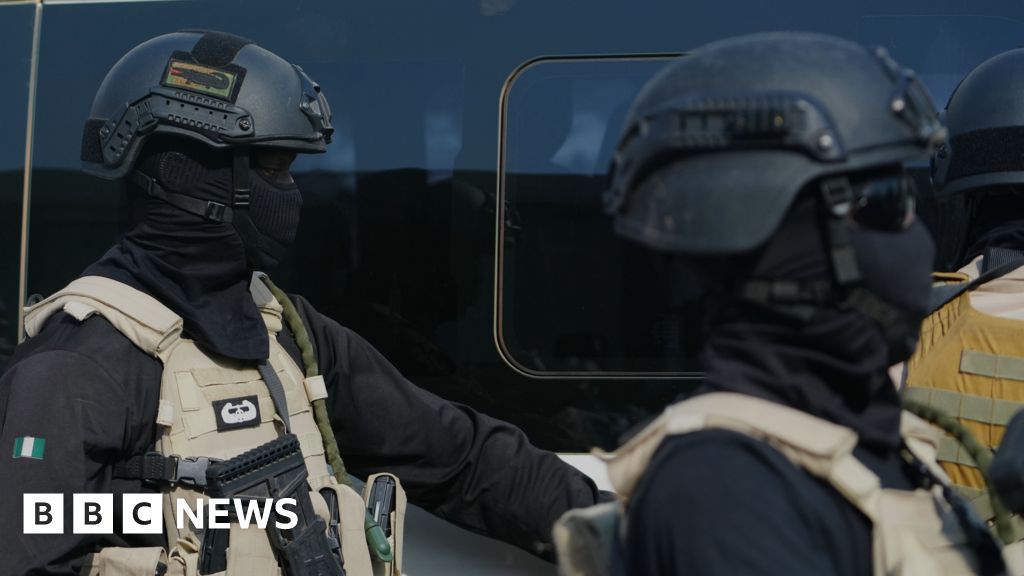
The government of neighbouring Yobe state also confirmed that some of its residents who had travelled to the market were "affected." Brigadier General Dahiru Abdulsalam, speaking on Facebook, stated, "Some people from Geidam LGA [local government area] bordering Gubio LGA in Borno state who went to the Jilli weekly market were affected."
Ahmed Ali, a 43-year-old market trader who spoke to Reuters, recounted his harrowing experience, stating he was injured in the blast. "I became so scared and attempted to run away, but a friend dragged me and we all lay on the ground," he said, offering a personal testimony of the chaos and terror that likely ensued.
Human rights organisation Amnesty International’s Nigeria branch has vehemently condemned the strike, estimating that "over 100 people" lost their lives. In a strong statement posted on X, the organisation declared, "Launching air raids is not a legitimate law enforcement method by anyone’s standard." They further condemned the "reckless use of deadly force" as "unlawful, outrageous and lays bare the Nigerian military’s shocking disregard for the lives of those it supposedly exists to protect."
This incident echoes a disturbing pattern of civilian casualties resulting from military air operations against Islamist insurgents in Nigeria’s north-east in recent years. Similar tragic events have occurred in villages, internally displaced persons (IDP) camps, and markets, raising persistent questions about intelligence gathering, target verification, and adherence to international humanitarian law by the Nigerian armed forces.
The complex and often opaque nature of the conflict, coupled with the challenging terrain and limited access for independent observers, makes it difficult to ascertain the exact circumstances surrounding such incidents. The presence of multiple militant factions, including Boko Haram and the Islamic State West Africa Province (ISWAP), further complicates military operations and increases the risk of unintended harm to civilians caught in the crossfire.
The reported strike at Jilli market underscores the urgent need for accountability and transparency in the Nigerian military’s counter-insurgency efforts. International human rights organisations and humanitarian agencies continue to call for an independent and impartial investigation into the incident to establish the facts, identify those responsible for any violations of international law, and ensure that appropriate measures are taken to prevent future tragedies. The protection of civilian lives must remain paramount, and any military action must be conducted with the utmost care to distinguish between combatants and civilians, in strict adherence to the principles of proportionality and precaution. The ongoing conflict in Borno and surrounding states demands a multifaceted approach that prioritises not only security but also the humanitarian needs and fundamental rights of the affected population. The recurring nature of such alleged civilian casualties also raises questions about the effectiveness of current military strategies and the need for greater emphasis on non-kinetic approaches and intelligence-led operations to minimise collateral damage. The international community continues to monitor the situation closely, offering humanitarian assistance while also advocating for adherence to international humanitarian law by all parties involved in the conflict.


 Nakalama John
 Ramos Leo
 Nana Banana