
 Ramos Leo
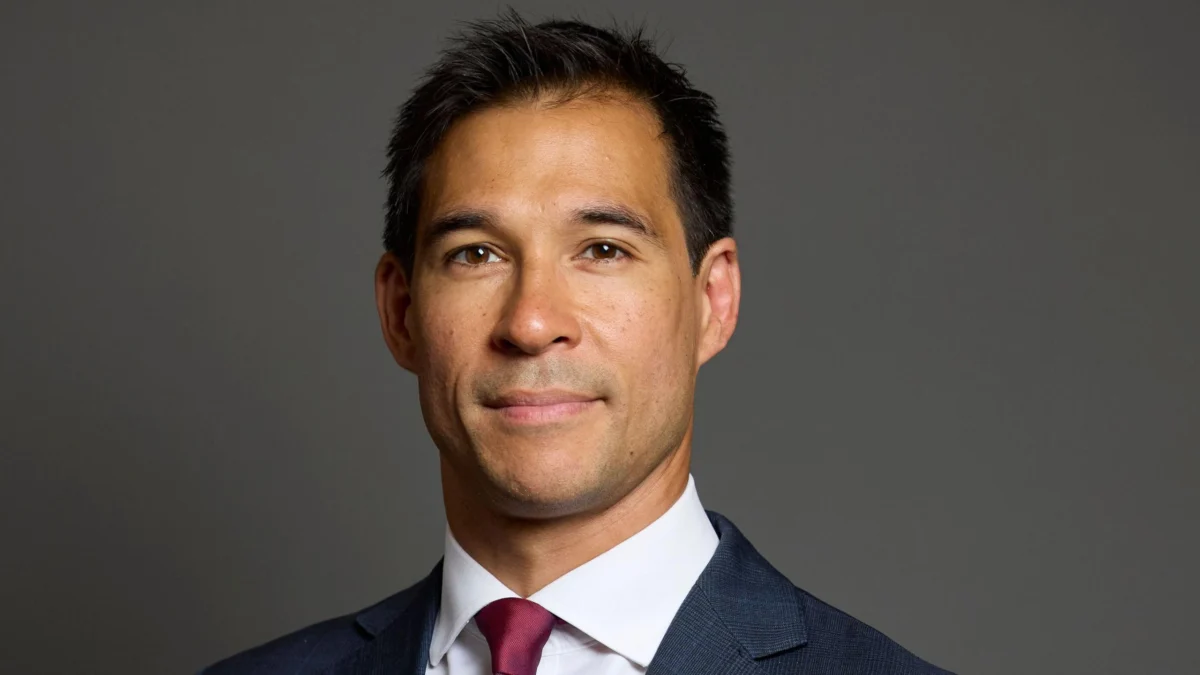
The catalyst for Vaughan’s public contrition was a detailed report published by the Independent Expert Panel (IEP), which confirmed findings initially made by the Parliamentary Commissioner for Standards. The Commissioner had investigated a complaint from a former constituency staff member who alleged that Vaughan had subjected her to "overbearing and belittling manner" over a period, creating an uncomfortable and unprofessional atmosphere. This incident highlights the robust, albeit often challenging, independent process established to address misconduct allegations against MPs, aiming to ensure justice for complainants and uphold the integrity of parliamentary standards.
During his address to the House, Vaughan accepted the findings against him without reservation. His voice, likely tinged with gravity, conveyed remorse as he articulated the profound impact of his actions. "As a result of these behaviours, my former colleague was upset and humiliated," he admitted, acknowledging the distress he had caused. He continued, "My behaviour had a real and continuing impact on her and her family, and I am truly sorry for this." This direct acknowledgement of the harm inflicted on an individual, rather than merely regretting the incident, marked a crucial aspect of his apology, signalling a recognition of the personal toll his conduct had taken.
The Labour Party, to which Vaughan belongs, promptly issued a statement reiterating its firm stance on ethical conduct. A spokesperson affirmed, "We expect the highest standards of conduct from all our members and elected representatives. We have robust processes in place to ensure those high standards are upheld." The party’s statement concluded by endorsing Vaughan’s apology: "It is right that Tony Vaughan has apologised following this independent process," implicitly confirming the party’s acceptance of the panel’s findings and the need for accountability. Such statements from political parties are vital in demonstrating a commitment to ethical governance and in reassuring the public that misconduct is taken seriously, irrespective of political affiliation.
The specific instances of misconduct outlined in the report painted a picture of a gradual erosion of professional boundaries and respectful interaction. Vaughan, who has represented his Kent constituency since 2024, was found to have engaged in several inappropriate behaviours. Among these was hugging the complainant without her consent at an office event, an act that, while seemingly minor to some, constitutes a clear breach of personal space and professional decorum in a workplace setting. More overtly, he took her personal mobile phone from her hand without permission to join an online meeting, an intrusive act that demonstrates a blatant disregard for personal property and autonomy. Additionally, he was cited for failing to provide adequate explanations for abruptly ending phone calls between them, contributing to a sense of uncertainty and disrespect. These actions, individually and collectively, created an environment where the staff member felt disrespected and undermined.
Following the initial findings by the Parliamentary Commissioner for Standards, Vaughan exercised his right to appeal to the Independent Expert Panel. The IEP, a body designed to provide an impartial and final adjudication on such matters, meticulously reviewed the evidence. While Vaughan challenged some aspects of the Commissioner’s findings, the IEP ultimately confirmed the majority of them, reinforcing the validity of the original complaint. The sub-panel of the IEP, in its detailed report, underscored the gravity of Vaughan’s actions, stressing that "oppressive and bullying behaviour towards [MPs’] staff members is wholly unacceptable." This declaration serves as a powerful reminder of the responsibilities inherent in holding public office and managing a team, especially in a high-pressure environment like Parliament.

Crucially, the panel’s report distinguished Vaughan’s actions not merely as "failures in management," but as "breaches of basic boundaries and courtesy" and, significantly, an "abuse of his power." This distinction is pivotal. Failures in management might imply incompetence or inexperience; an abuse of power, however, denotes a deliberate or negligent leveraging of one’s superior position to the detriment of a subordinate. In the context of Parliament, where MPs hold considerable authority over their staff, understanding and respecting this power dynamic is paramount. The panel’s finding highlights that the core issue was not just poor interpersonal skills, but a fundamental misunderstanding or disregard for the hierarchical nature of the relationship and the vulnerability of the employee.
Addressing this critical aspect, Vaughan told MPs during his apology that he was not "sufficiently alert" to the inherent power imbalances between him and his employee. This admission reflects a belated recognition of the professional context in which his actions occurred. He further acknowledged that his behaviour could, and indeed did, impact "someone who is vulnerable whether or not that is known." This statement points to a developing awareness that an employer’s actions can have disproportionate effects on staff, regardless of whether the employer perceives the staff member as "vulnerable." It underscores the responsibility of those in positions of authority to consider the potential ramifications of their conduct on others. "I made mistakes," Vaughan plainly stated, indicating a personal acceptance of fault rather than an attempt to deflect blame.
The 36-page report from the Independent Expert Panel meticulously documented the profound impact of Vaughan’s actions on the complainant, whose right to anonymity was rightly protected throughout the process. It revealed that she was left feeling "stressed, exhausted and offended" by his behaviour. The psychological toll of such experiences in the workplace can be considerable, leading to anxiety, reduced morale, and a significant disruption to one’s professional and personal life. The report emphasized that such emotional and mental distress is a direct consequence of bullying and harassment, and it validated the complainant’s experience. This aspect of the report is crucial for understanding the human cost of inappropriate behaviour in any professional setting, particularly in one as prominent as Parliament.
Despite the severity of the findings, the report also noted that Vaughan had "expressed genuine and thoughtful remorse." This assessment by the independent panel is important, as it suggests that Vaughan’s apology was not merely a performative act but stemmed from a deeper understanding of his failings and their impact. The panel’s recommendation for an "unreserved apology" to both the complainant and the House, delivered by way of a personal statement in the House of Commons Chamber, was carefully considered. They stated, "We consider that this achieves the appropriate balance and clear messaging required regarding the behaviour expected of MPs." This sanction aims to publicly acknowledge the wrongdoing, provide a measure of justice for the complainant, and serve as a deterrent for other MPs, reinforcing the standards of conduct expected from all members of Parliament.
In a further step towards remediation, Vaughan confirmed that he had undertaken additional training as a direct result of the incident. This commitment to professional development and self-improvement is a constructive outcome of the disciplinary process. Such training typically covers topics like respectful workplace conduct, understanding power dynamics, and effective communication, all of which are crucial for an MP managing a team. The undertaking of such training signals a willingness to learn from mistakes and to prevent similar incidents in the future, contributing to a healthier and more professional working environment within his office and, by extension, within Parliament.
The Vaughan case serves as a stark reminder of the ongoing efforts to transform Westminster’s workplace culture, which has historically faced criticism for fostering environments where bullying and harassment could persist. The establishment of independent bodies like the Parliamentary Commissioner for Standards and the Independent Expert Panel was a direct response to past controversies and a recognition that internal mechanisms were insufficient to address such complaints effectively. This incident underscores the effectiveness of these independent processes in holding even the most powerful individuals to account. It reinforces the message that no one, regardless of their position, is above the rules of respectful conduct and that those who serve the public must first exemplify the highest standards of professionalism and integrity in their own offices. The public apology from Tony Vaughan, delivered in the hallowed halls of the House of Commons, stands as a testament to the evolving standards of conduct in British politics and the unwavering commitment to protecting those who work within its complex ecosystem.


 George Anjay

 atisusanti

 Roy Suryo
 Nana Banana

 Nakalama John
