
 Ramos Leo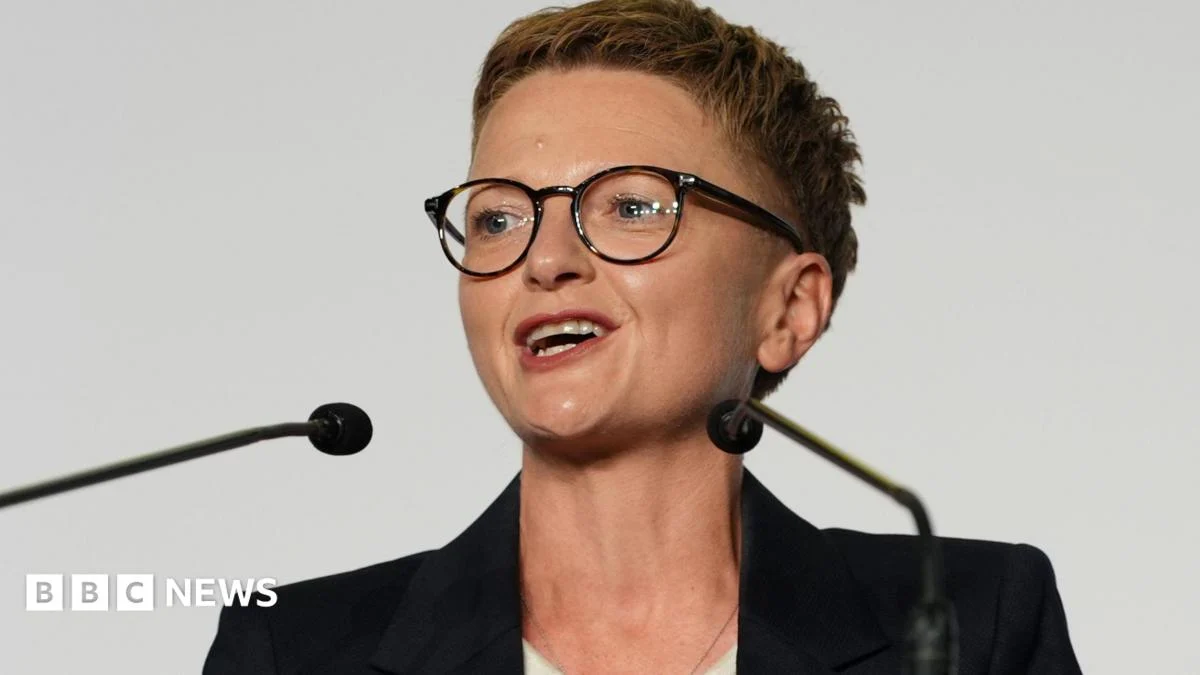
The election, conducted under the supplementary vote system, required a candidate to achieve over 50% of the vote, either in the first round or after second-preference votes were redistributed. In the initial round of voting, Craig, a prominent figure in Manchester politics, established a commanding lead, securing an impressive 47% of the total votes cast. Her closest challenger, Dan Astley of the Reform UK party, trailed significantly with 21%. Other candidates, including the Liberal Democrat, Conservative, and Green Party contenders, garnered smaller but notable shares, reflecting the diverse political landscape of the region.
The rules of the supplementary vote system then dictated that if no candidate reached the 50% threshold in the first round, the top two candidates would proceed, and the ballot papers from voters who did not select either of them as their first choice would be brought back into play. These papers were meticulously checked to ascertain if any second-preference votes had been cast for either the Labour or Reform candidate. Upon the redistribution and addition of these second-preference votes to the first-preference totals, Craig’s already significant lead expanded further, decisively cementing her mandate to govern Greater Manchester for the next term.
Despite the considerable importance of the mayoral election, overall turnout remained modest. More than two million eligible voters across Greater Manchester’s 10 diverse boroughs had the opportunity to participate, yet just under 25% exercised their democratic right. This figure, while consistent with previous regional mayoral elections, often sparks debate about voter engagement and the perceived impact of devolved leadership. Nevertheless, for those who did cast their ballots, Craig’s victory was clear and undeniable.
A detailed analysis of the voting patterns revealed the breadth of Craig’s support across the entire region. She topped the poll in the first round of voting in all 10 local authority areas that constitute Greater Manchester, demonstrating a unified mandate that stretches from the urban core to the more suburban and semi-rural fringes. While Astley secured second place in eight of these 10 areas, the Green candidate Geraldine Coggins notably came second in the city of Manchester itself, reflecting the Green Party’s growing influence in urban centres. Meanwhile, the Conservative candidate Phil Eckersley secured second position in Trafford, an area historically known for its more conservative leanings within the Labour-dominated region. This geographical breakdown highlights the varied political textures within Greater Manchester, even as it delivered a clear majority for Labour.
In her acceptance speech, delivered with conviction and a clear vision for the future, Bev Craig addressed the core challenges facing the region. "For too many people across our region, life is simply too hard," she stated, acknowledging the pervasive sense of economic struggle and social inequality. Her words resonated with the frustrations felt by many who perceive a breakdown in the traditional social contract. "The generational belief that we had, that if you work hard and do the right thing, your life will be better and the life of the community will be better, is something that many people just don’t feel at the minute." This sentiment speaks to the cost of living crisis, stagnant wages, and the increasing difficulty for families to secure their financial futures, issues that lie at the heart of her political agenda.
Craig further articulated her commitment to improving the quality of life for all residents, emphasizing foundational needs. "Everyone deserves a quality home in a good neighbourhood," she declared, pointing to the critical need for affordable housing, sustainable development, and thriving, safe communities. This vision encompasses not only the physical infrastructure of housing but also access to green spaces, reliable public transport, and local amenities that contribute to a high standard of living. She added that people should be empowered to plan for their future and for that of their children, a pledge that underscores her focus on education, skills development, and creating opportunities that foster social mobility and economic prosperity for the next generation. This involves investment in vocational training, supporting local businesses, and ensuring that young people have the pathways to secure fulfilling careers within the region.
Crucially, Craig also called for a more collaborative and unifying approach to governance. "We have to move away from divisive politics, and we’ll do it together," she asserted, signaling her intention to foster cross-party cooperation and community engagement. This commitment to collaborative leadership suggests a desire to bridge political divides and harness the collective energy of diverse stakeholders, from local authorities and businesses to community groups and individual citizens, in tackling Greater Manchester’s complex challenges. It is a promise to govern for all, irrespective of political affiliation, focusing on common goals that benefit the entire region.
Congratulations for Craig’s significant victory poured in from across the Labour Party and beyond. Among the first to offer her felicitations was Labour’s deputy leader, Lucy Powell, who also serves as the MP for Manchester Central. Powell took to X (formerly Twitter) to express her delight, posting: "Huge congratulations to @bevcraig our fantastic new Mayor of Greater Manchester. Thank you to our tireless activists who have worked so hard to help deliver this win." Powell’s message not only highlighted the importance of Craig’s victory for the regional Labour Party but also underscored the dedication of grassroots activists whose efforts are often instrumental in securing such electoral successes. This public endorsement from a senior national figure reinforces the significance of Greater Manchester within Labour’s broader electoral strategy and its role as a key Labour stronghold.
Bev Craig’s election marks a continuation of Labour leadership in Greater Manchester, following the popular tenure of Andy Burnham. However, her background as the former leader of Manchester City Council brings a distinct perspective and set of experiences to the mayoral office. During her time at the helm of the city council, Craig oversaw major regeneration projects, navigated the challenges of the COVID-19 pandemic, and championed initiatives aimed at addressing homelessness and promoting inclusive growth. This deep understanding of local governance and the specific needs of Greater Manchester’s urban core will be invaluable as she steps into the broader regional role.
Her immediate challenges will include addressing the ongoing cost of living crisis, tackling health inequalities that persist across the boroughs, and driving forward ambitious transport infrastructure projects aimed at creating a truly integrated public transport network. Furthermore, Greater Manchester has set ambitious climate change targets, and Craig will be tasked with accelerating the region’s transition to a greener economy while ensuring that the benefits of this transition are felt equitably. Attracting inward investment and fostering innovation will also remain high on her agenda, crucial for job creation and sustainable economic growth.
Craig’s leadership style is anticipated to be one of pragmatism and collaboration, building upon the foundations laid by her predecessor while injecting her own strategic priorities. She will need to forge strong working relationships with central government, regardless of the party in power, to secure vital funding and legislative support for Greater Manchester’s devolution agenda. Her long-term vision is expected to centre on creating a more equitable, sustainable, and prosperous Greater Manchester where every resident has the opportunity to thrive. Her victory, therefore, represents not just a change in leadership, but a renewed commitment to tackling the region’s most pressing issues with a fresh perspective and unwavering determination.

 George Anjay
 Nakalama John
 atisusanti
 Roy Suryo
 Nana Banana