
 Nana Banana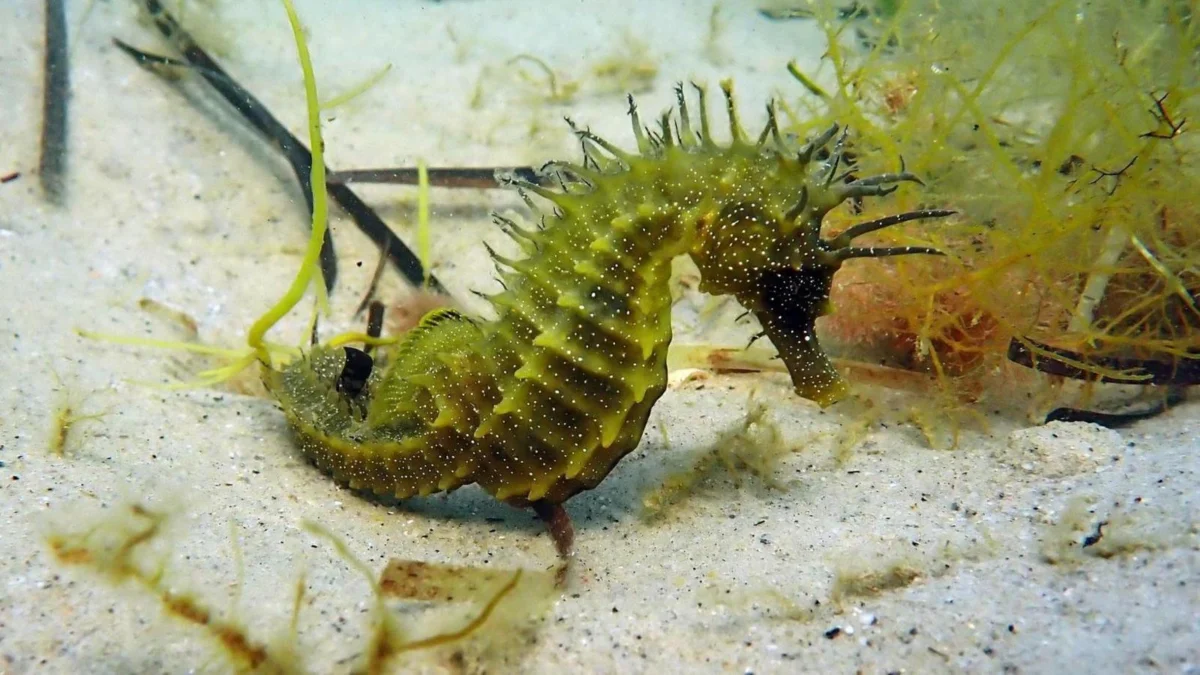
Seahorses in the UK are afforded stringent legal protection under the Wildlife and Countryside Act 1981, specifically listed on Schedule 5, which makes it an offence to intentionally kill, injure, or disturb them. Furthermore, it is illegal to possess, sell, or transport them without a valid license. This comprehensive legal framework underscores the importance placed on safeguarding these unique species within British waters. Consequently, any individual or group intending to seek out, observe, film, or photograph seahorses must first obtain a specific wildlife licence from the Marine Management Organisation (MMO). This requirement applies broadly, encompassing recreational divers, snorkellers, researchers, and even professional film and television production crews, all of whom must understand and comply with their legal obligations.
In response to a notable uptick in reported incidents, the Marine Management Organisation (MMO) has announced a significant intensification of its efforts to educate the public about these crucial legal provisions. The MMO, a non-departmental public body responsible for managing English seas, has observed a worrying trend, distinguishing between accidental encounters and deliberate attempts to interact with seahorses. Their spokesperson highlighted, "We have seen an increase in incidents where people have unintentionally encountered seahorses whilst in the water, or whilst crabbing. We’ve also seen people diving or snorkelling with the likely specific intention to film or photograph seahorses. This sort of intentional activity is likely to disturb seahorses, would potentially constitute an offence and would require a wildlife licence." This distinction is critical, as even unintentional disturbance can have detrimental effects on these sensitive animals.
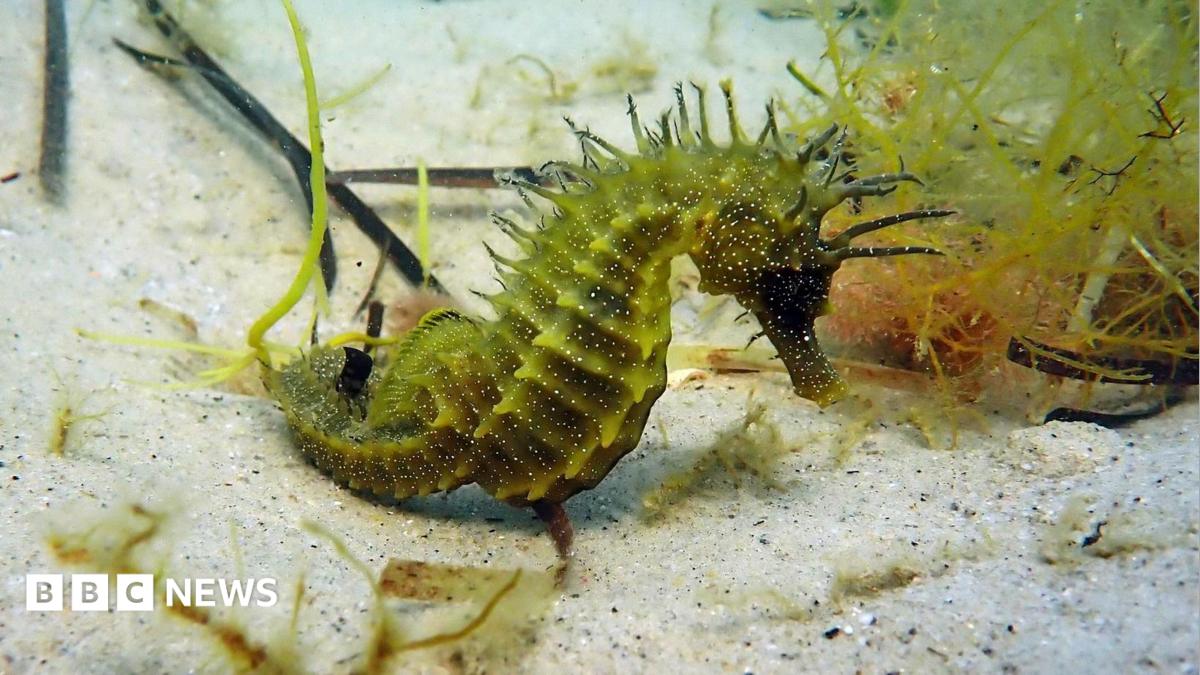
The focus of these enhanced educational activities is strategically concentrated around specific geographical hotspots known for their significant seahorse populations. These include the biodiverse waters of Poole Harbour and Studland Bay in Dorset, alongside Torbay in Devon. These areas are vital habitats for both the native Short-snouted seahorse (Hippocampus hippocampus) and the Spiny seahorse (Hippocampus guttulatus), which thrive amongst the extensive seagrass meadows found there. Seagrass beds serve as critical nurseries and foraging grounds, providing both shelter and abundant food for these camouflaged creatures. The ecological importance of these sites makes them magnets for both seahorses and, regrettably, human interaction.
Jess Churchill-Bissett, head of marine wildlife conservation at the MMO, articulated the organisation’s concern: "We can understand the fascination people have with our native seahorse species, however, they are incredibly vulnerable and fragile marine animals that are easily disturbed by human activities." She further stressed the potential repercussions for non-compliance, stating, "…intentionally disturbing seahorses without a wildlife licence could result in enforcement action. This applies to all divers, snorkellers, and TV and film production companies who should be aware of their legal obligations." Enforcement action can range from warnings to significant fines and even prosecution, depending on the severity and intent of the disturbance.
The surge in human activity around seahorse habitats is not merely a coincidence but is intrinsically linked to environmental factors and public awareness. Neil Garrick-Maidment, founder of the Seahorse Trust, a leading charity dedicated to seahorse conservation, attributed the rise in encounters to the recent period of "brilliant summer" weather, which has drawn "a lot more people… in the water, snorkelling and diving." He also pointed to increased publicity surrounding conservation initiatives, such as the implementation of eco-moorings and no-anchor zones in areas like Studland Bay. While these initiatives are crucial for protecting fragile seagrass habitats, they inadvertently "tempt people to go and look" for the very creatures they are designed to safeguard.
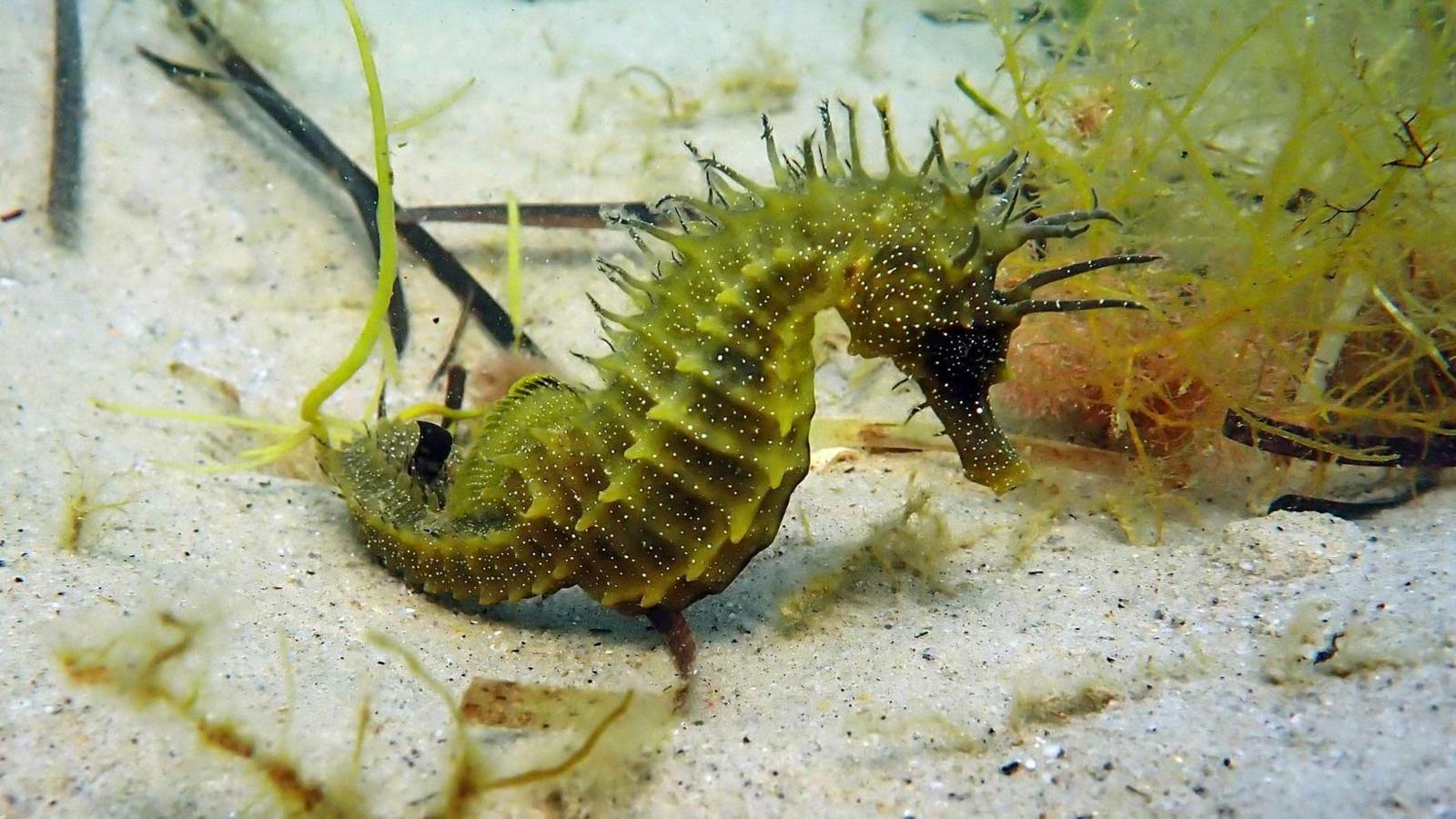
Seahorses are inherently delicate and sensitive animals, making them particularly susceptible to human interference. Their slow, upright swimming style and reliance on camouflage make them vulnerable to predators and environmental changes. When stressed, they can become disoriented, abandon their territories, or even struggle to feed and reproduce. Garrick-Maidment provided practical advice for those who might encounter a seahorse accidentally, such as during crabbing activities. He urged people to "act quickly, keep them out of the water for as little time as possible, take a brief photo, then gently return them to the water away from seagulls." The emphasis is on minimal handling and swift, safe release to mitigate stress and predation risk.
For divers and snorkellers who encounter a seahorse, even without specific intent, the advice is to "be calm and keep your distance, no flash photography." Flash photography can disorient and stress seahorses, impacting their delicate vision and natural behaviour. Maintaining a respectful distance ensures that their natural activities, such as foraging and courtship, are not interrupted. The Seahorse Trust strongly advocates for responsible wildlife observation, prioritising the animal’s welfare above human curiosity or photographic opportunity.
A cornerstone of seahorse conservation, championed by Neil Garrick-Maidment and the Seahorse Trust, is the diligent reporting of all seahorse sightings. These reports are crucial for populating the National Seahorse Database, a vital repository of information that helps scientists and conservationists track populations, understand distribution patterns, and identify critical habitats. "Knowledge of these precious animals is key to their protection," Garrick-Maidment asserted. Each sighting, no matter how brief or seemingly insignificant, contributes to a broader understanding that informs targeted conservation strategies and policy decisions. The database allows for the identification of areas needing enhanced protection, helps to monitor the effectiveness of existing measures, and highlights potential threats to seahorse survival.
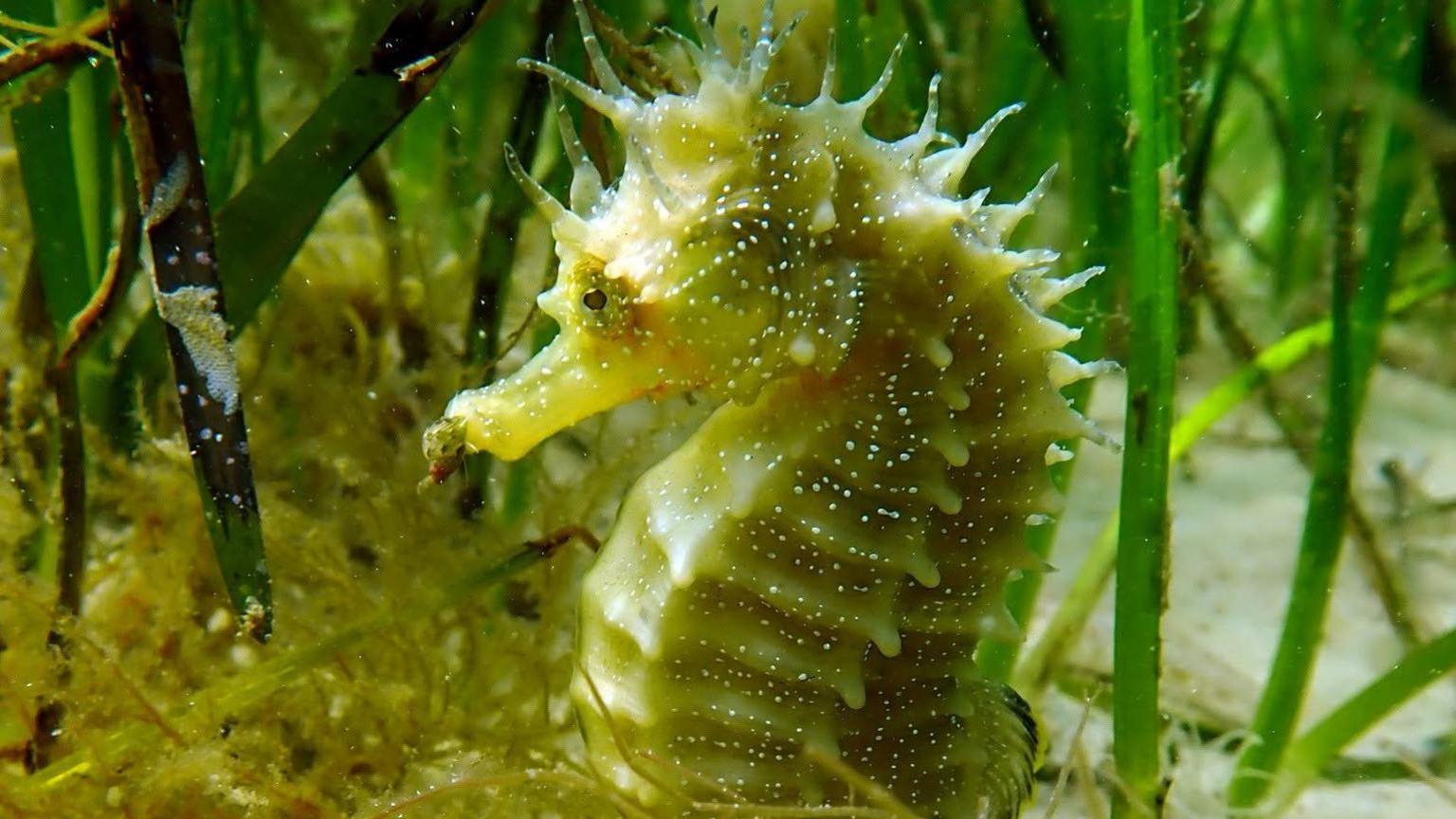
Beyond direct human disturbance, seahorses face a myriad of threats to their survival. Habitat loss, primarily the degradation of seagrass meadows due to coastal development, pollution, and traditional anchoring practices, remains a significant concern. Seagrass acts as the "lungs of the sea," providing oxygen, stabilising sediment, and offering refuge for countless marine species, including seahorses. The introduction of eco-moorings in sensitive areas like Studland Bay is a direct response to this, offering boat users an environmentally friendly alternative to traditional anchors that can rip through and destroy vital seagrass beds. These moorings typically consist of a helical anchor screwed into the seabed, connected to a buoy by a rope that floats above the seabed, preventing damage to the delicate ecosystem below.
Other threats include bycatch in fishing gear, illegal collection for the aquarium trade or traditional medicine markets, and the overarching impact of climate change. Rising sea temperatures and ocean acidification can disrupt seahorse breeding cycles, alter food availability, and make them more susceptible to disease. Therefore, protecting seahorses requires a multi-faceted approach that combines legal enforcement, public education, habitat restoration, and scientific research.
The increased vigilance by the MMO and the ongoing advocacy from organisations like the Seahorse Trust serve as a critical reminder of our collective responsibility towards marine biodiversity. The legal framework exists to protect these enchanting creatures, but its effectiveness hinges on public awareness, respect for marine ecosystems, and a commitment to responsible behaviour in coastal waters. As more people seek solace and recreation in the marine environment, the imperative to understand and abide by wildlife protection laws becomes ever more pressing. The future of the UK’s seahorse populations depends on it, urging all water users to act as custodians of our precious underwater heritage.


 atisusanti
 George Anjay
 Nakalama John

 Ramos Leo