
 Nakalama John
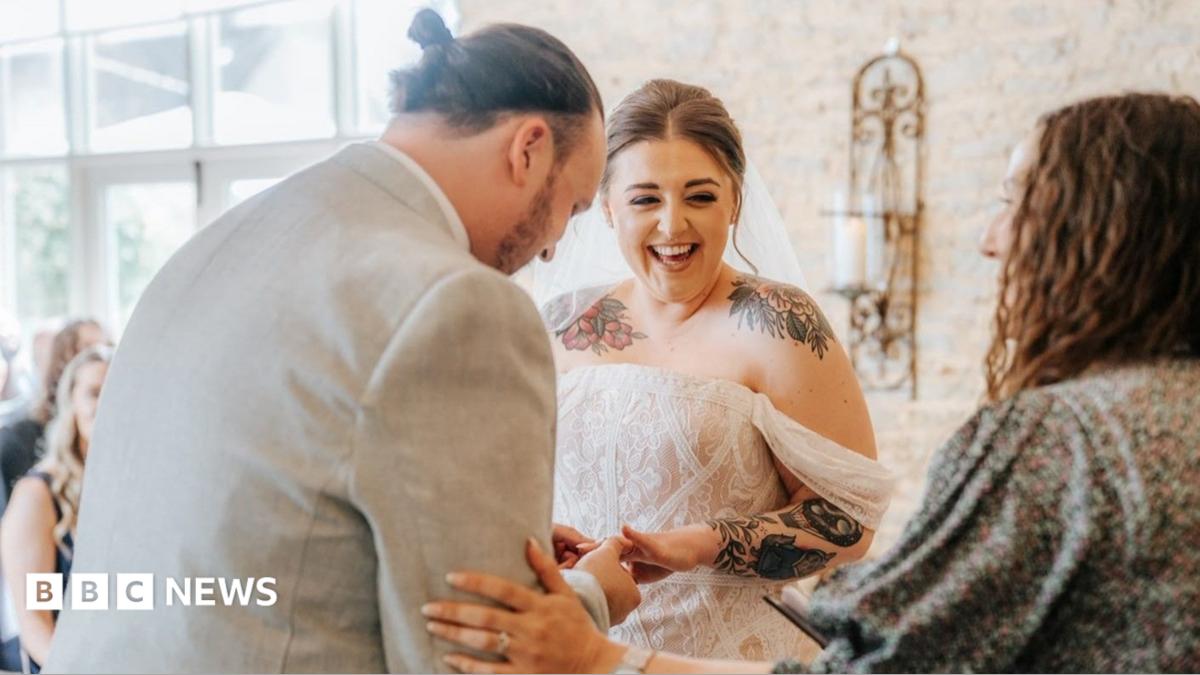
The day Sam and Courtney Scholey officially became husband and wife didn’t feel like their wedding day at all. It was a stark, almost transactional experience, devoid of the emotional resonance and personal touches they had envisioned for their union. There was no grand entrance down an aisle, no heartfelt exchange of rings, no elegant wedding dress, and certainly no cherished music to mark the occasion. For them, the legal act was merely a bureaucratic hurdle to clear.
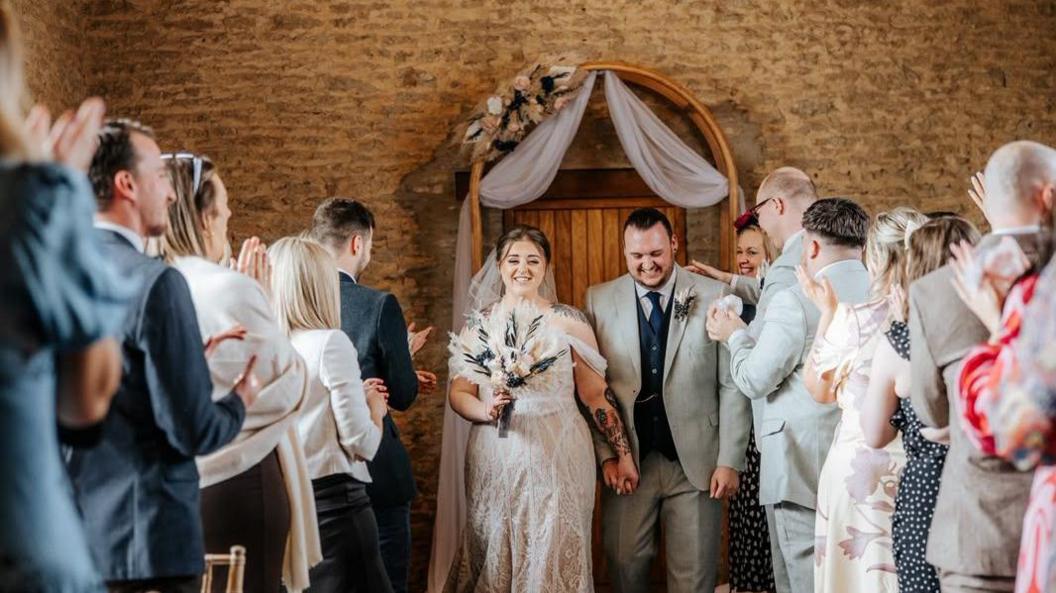
All the meaningful elements, the true celebration of their love, came several days later. This was when the couple hosted a bespoke ceremony, led by a celebrant who knew their story intimately, at a picturesque venue nestled in the Oxfordshire countryside. This was their dream wedding – vibrant, personal, and profoundly moving. Yet, under the archaic laws of England and Wales, this deeply significant event held no legal weight. Consequently, in April, they found themselves compelled to fork out hundreds of pounds for a quiet, almost clandestine signing of papers at a library in Buckingham. "For us, that day was as insignificant as possible," Courtney Scholey told the BBC, articulating the profound disconnect. "It was just the words we had to say to make it legally binding."
The Scholeys are far from alone. They represent a growing cohort of couples across England and Wales who feel increasingly alienated by the rigid, outdated rules governing marriage. These regulations, they argue, are making the process more stressful, significantly more expensive, and ultimately less meaningful than it should be. The necessity of separating the legal formality from the personal celebration often leads to a "double wedding" scenario, burdening couples financially and emotionally.
However, a monumental shift is on the horizon. Under new proposals announced this month – lauded by the government as the biggest shake-up of wedding laws in 200 years – couples in England and Wales could soon enjoy unprecedented freedom. The aim is to allow official marriage ceremonies to take place in a far wider array of unconventional and personally significant locations, from tranquil forests and sweeping beaches to private gardens and historic ruins. The key change is that the legality will depend on the location being approved by a registered officiant, rather than the venue itself holding a specific license.
This potential reform has been met with enthusiastic approval from many, including Nicky Brown, 57. She dreams of exchanging vows in a wildly picturesque corner of Wales, with just her mother and her partner’s mother as witnesses. "I’d be quite happy to get married in a field full of sheep," she shared with the BBC, highlighting a desire for simplicity and natural beauty over traditional grandeur.
Yet, not everyone welcomes the proposed changes. A vocal minority expresses deep concern, arguing that such flexibility risks diluting the sacred tradition of marriage and stripping it of its solemnity.
The Weight of Tradition vs. Modern Desires
Currently, for a marriage or civil partnership ceremony to be legally binding in England or Wales, it must adhere to strict guidelines. It must take place at an "approved venue," which typically means a licensed registry office, a place of worship, or a commercial premises specifically licensed for marriages. These venues often impose considerable control over various elements of the wedding, from the choice of vows and guest headcount to music selections, limiting a couple’s ability to personalize their special day.
Furthermore, there are tight restrictions on who can legally officiate a wedding. While authorised religious figures can conduct ceremonies, with very few exceptions, these must occur within their designated places of worship. Registrars can conduct civil weddings, but these are explicitly forbidden from containing any religious content. Crucially, independent celebrants – who often specialize in crafting highly personalized and meaningful ceremonies – currently hold no legal authority to marry people, forcing couples to perform a separate, often perfunctory, legal signing.
The stark inadequacy of these laws was laid bare in a comprehensive Law Commission report in 2022. The report concluded unequivocally that the existing marriage laws, largely dating back to the 18th and 19th Centuries (specifically referencing Lord Hardwicke’s Marriage Act of 1753 and the Marriage Act of 1836), were "complicated, inefficient, unfair and needlessly restrictive." These historical acts, designed for a very different society, no longer serve the diverse needs and beliefs of modern Britain.
David Lammy, then deputy prime minister, echoed these sentiments, stating that marriage laws in England and Wales had "not kept pace with the social and cultural changes that have shaped modern Britain." He further elaborated on the distress caused by the current system: "Some feel forced to pay for two different ceremonies, one legal and one belief-based. Some enter into a marriage that isn’t legally recognised. Others feel they have little choice but to marry in a way which doesn’t reflect their beliefs, marring what should be a joyous occasion."
The urgency for reform is highlighted by the fact that Scotland and Northern Ireland relaxed their wedding rules years ago, offering greater flexibility and choice to their citizens. The current public consultation, which runs until September, will determine the exact shape of the new regulations. The core principle, however, is clear: a shift from a "buildings-based" regulation model to an "officiant-based" one, granting greater autonomy to couples and trained officiants alike.
‘The laws are now, what, 200 years out of date?’
For individuals like Nicky Brown, the proposed changes are a lifeline. She and her partner had deliberately put off getting married because they couldn’t find a legal and affordable wedding option that truly reflected their personalities and values. Brown emphasized her desire for a simple, intimate affair, free from the traditional "bells and whistles" and the expectation of a costly wedding dress. "I just want somebody to marry us and in a beautiful setting that isn’t just going to cost the earth," she explained.
Her personal urgency is heightened by her mother’s health. Brown had been anxious that her 86-year-old, unwell mother might not live to see her wedding day. The prospect of these new rules has rekindled hope, offering a chance for a truly meaningful celebration before it’s too late. Her exasperation with the current system is palpable: "The laws are now, what, 200 years out of date?"
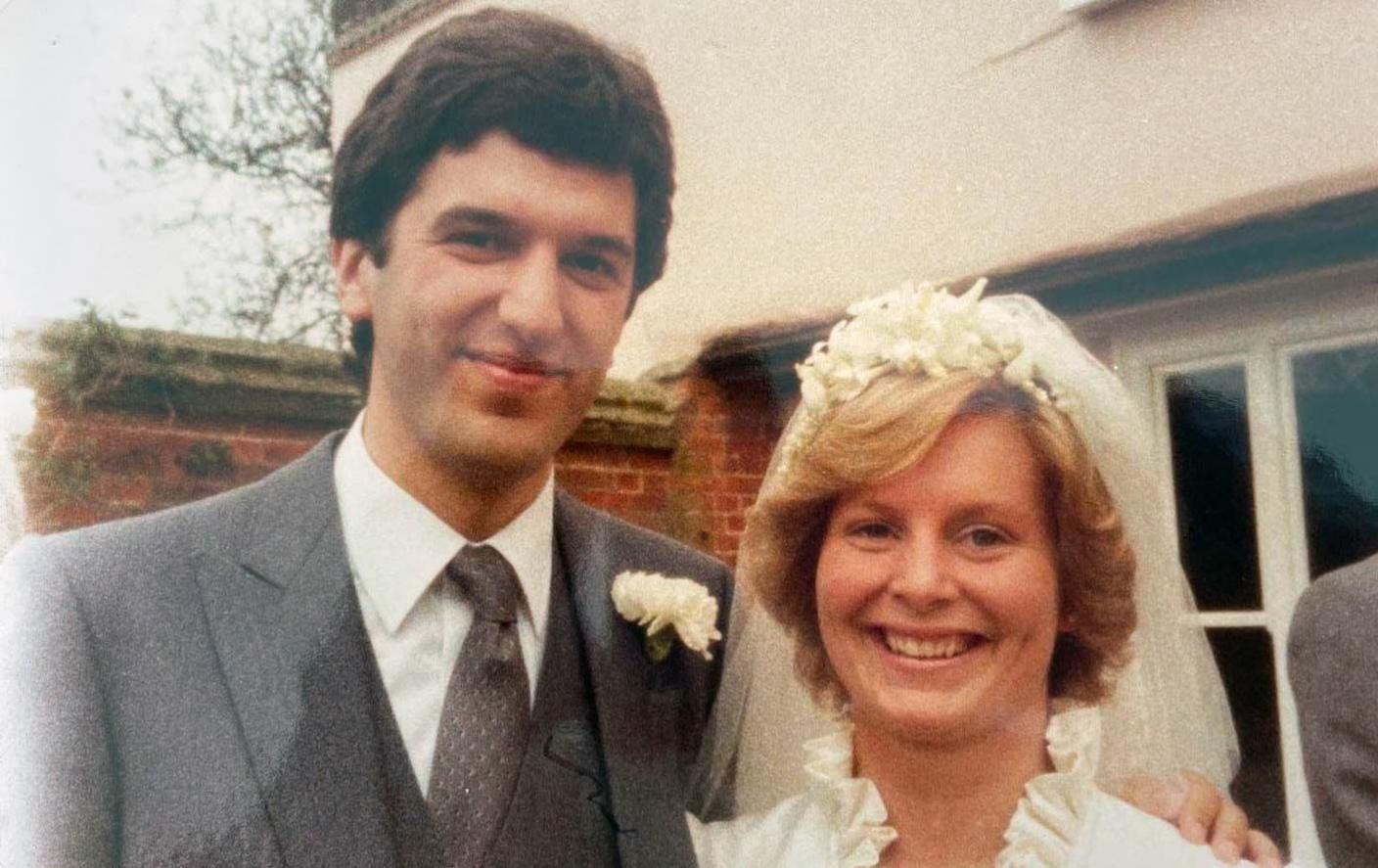
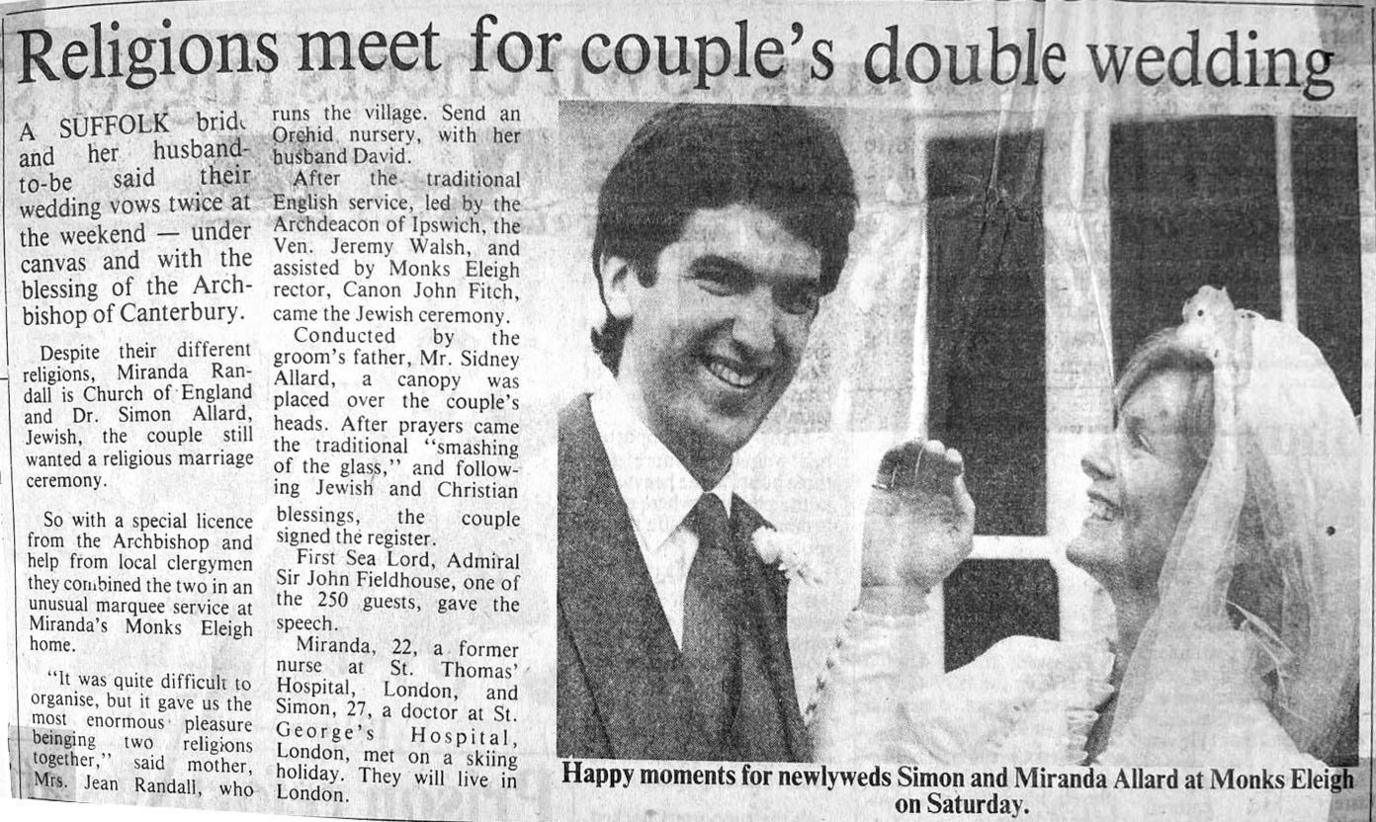
Miranda Allard, 66, resonates deeply with this sentiment, agreeing that change is long overdue. Forty years ago, when she married, she and her husband Simon faced significant obstacles to hold an interfaith ceremony in her parents’ garden. "We applied for a special licence… [and] explained how we did not want to put my Jewish mother-in-law through a church wedding," she recalled. "I, on the other hand, was brought up in a Christian family and would not ‘feel married’ if doing so in a registry office."
Their pursuit of a personalized ceremony was an arduous journey, requiring letters from themselves, their parents, the local bishop, the village vicar, and more, all to convince the authorities to grant permission. They eventually combined their legal Christian service with Jewish prayers and traditions, including the breaking of the glass – an act "totally unheard of then and ever since." Their unique nuptials even made the local paper, underscoring how unusual and groundbreaking their choices were at the time. Allard finds it astounding that couples today still confront similar hurdles.
Father John, who shared his views with BBC Your Voice, expressed his desire to perform such personally significant ceremonies himself. For him, "Marriage is about the lifelong commitment made before God… and for some couples the setting can make that sacred moment even more personal and memorable." The current restrictions often prevent religious figures from officiating in locations that might hold profound spiritual or personal meaning for the couple.
Brian Bracher, 65, from Chichester in West Sussex, voiced his disbelief that the UK is still debating these reforms. "It is ridiculous that, in this modern era, a small minority are still trying to exert control and make decisions about what is frivolous and not acceptable," he stated. "Just let people, that love each other, marry in a way that suits them."
The proposals are also seen as a welcome change for Christians within the LGBT community, as highlighted by 33-year-old Isabel Sinagola. She noted that these couples "currently cannot have the wedding they might want, as they cannot marry in the Church of England, but also cannot have religious content in the only option available to them: a civil ceremony." The new flexibility could allow for ceremonies that truly integrate their faith and identity, performed by an officiant in a setting of their choice.
‘We want to get married but won’t, as it costs too much’
Beyond personal meaning and inclusivity, many are hopeful that these reforms could lead to more affordable wedding options. Carl Jones shared his frustration, stating that he and his partner of 20 years haven’t married because even the simplest weddings are prohibitively expensive. "We want to get married but won’t, as it costs too much," he explained. "It’s cheaper if we just have two witnesses, but why should our [12-year-old] daughter not be allowed to attend… It’s wrong." The current system often forces couples into difficult choices between cost, guest count, and personalization.
However, sceptics caution that while the changes offer greater flexibility, they may do little to significantly lower the overall cost of weddings. According to wedding planner app Hitched, the average wedding cost has already jumped to an eye-watering £21,990. Reverend Tom Kennar argues that the legal act of marriage itself is not expensive; rather, it is the myriad "extras" that most modern couples choose to incorporate that drive up the price. "[It] is the costs of the reception, vehicles, booze, photographers, clothing, food, cars etc," he asserted, suggesting that venue flexibility alone won’t solve the underlying issue of consumer demand for elaborate celebrations.
Other critics of the proposal fear that introducing such flexibility will inevitably dilute the intrinsic significance of marriage. Donald Tosh, from Glasgow, wrote to BBC Your Voice, stating, "Marriage is a gift from God to secure society. Not an opportunity to set new standards and styles." This perspective views marriage as a divinely ordained institution with established norms, rather than a customizable event. Oliver, from Kent, echoed this concern, lamenting, "It’s now not a life decision, it’s a temporary decision. And now with this, a very temporary frivolous decision." These critics worry that making marriage too accessible or informal could diminish its perceived permanence and societal importance.
Modern Relationships Deserve Modern Ceremonies
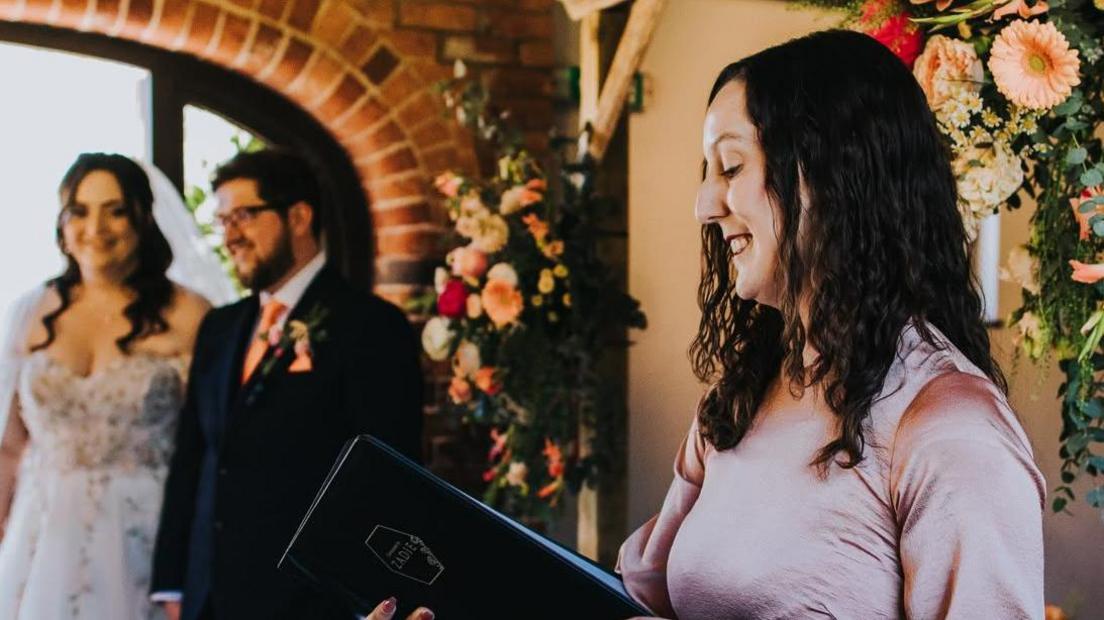
Despite these concerns, celebrant Zadie Ward firmly believes that the proposed changes will, in fact, enhance the meaning of a wedding for many couples. She challenges the notion that flexibility equates to frivolity: "[Critics] are saying it’s a solemn promise and it’s about the serious commitment, but how can you ask someone to make a serious commitment in words that mean nothing to them and ways that are meaningless to them?" Ward argues that a ceremony tailored to a couple’s unique story and values fosters a deeper, more authentic commitment.
She emphasizes that these reforms will not detract from those who still desire traditional weddings; instead, they simply provide more options for couples who don’t fit the conventional mold. "You’ve got blended families, mixed cultures, traditions that are changing even within those cultures," Ward noted. "Modern relationships deserve modern ceremonies." The changes acknowledge the evolving tapestry of relationships in the 21st century.
The government has been keen to stress that robust safeguards will be implemented to ensure the dignity and solemnity of marriage are preserved. Ceremonies deemed to be "gimmicks" that risk trivializing the legal act of marriage would not be permitted. Specific examples cited as falling "short of the standard" include activities such as "skydiving, white-water rafting, roller coasters or other amusement rides." The intention is to strike a balance between flexibility and respect for the institution.
As David Lammy eloquently summarized, "Every couple deserves to start their journey together with an unforgettable day that reflects their beliefs, their personalities and the lives they plan to build together." He concluded with a forward-looking statement: "This Government’s changes will bring weddings law into the twenty-first century." The ongoing public consultation offers a crucial opportunity for all voices to be heard, shaping the future of marriage in England and Wales. The debate continues: are these changes a long overdue modernization, a life-changing liberation for couples, or a frivolous erosion of a sacred tradition?
Additional reporting by Mary Litchfield and Rozina Sini




 Roy Suryo

 atisusanti
 Ramos Leo
