
 Nakalama John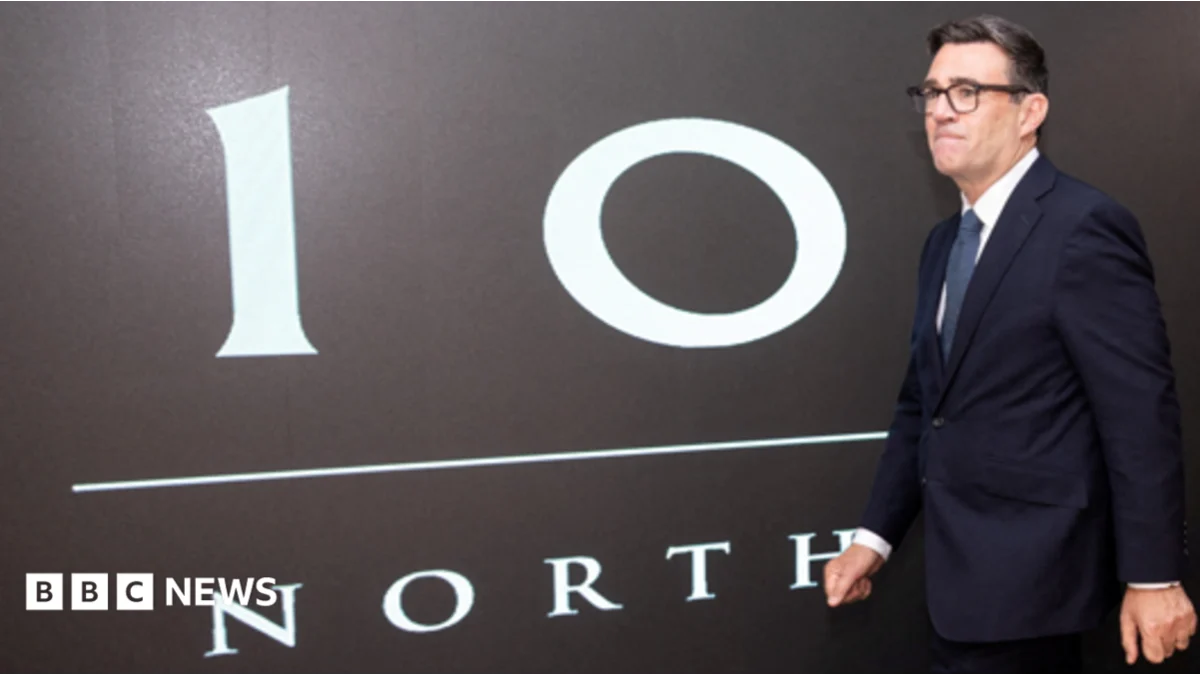
On his second day in office, Prime Minister Burnham, often dubbed the ‘King of the North’ due to his strong Northern mandate and perceived focus, wasted no time in unveiling his administration’s first major policy initiative. He announced an immediate cut to the VAT on electricity bills, a move his government projected would save a typical household approximately £45 annually. This measure, designed to offer some relief amidst a deepening cost-of-living crisis, immediately sparked debate, not least within Burnham’s own party, where questions arose regarding the funding mechanisms and the long-term fiscal implications of such a cut. Despite these internal murmurings, the initial reaction from voters in the South, where the BBC conducted interviews, was notably positive, suggesting a pragmatic welcome for any form of economic assistance.
The economic landscape into which Burnham stepped was one of significant strain, with soaring inflation, stagnant wages, and energy prices pushing household budgets to breaking point. For many, the £45 saving, while modest, represented a tangible gesture from a new leader. Connie Cole, a mother from Portsmouth, articulated this sentiment clearly. Speaking to the BBC, she underscored the desperate need for more support, particularly for vulnerable families and young parents struggling to make ends meet. "I think it’s better for young mums, people in need, to cut the VAT, cut the energy bills," she stated, reflecting a widespread desire for direct financial relief. While acknowledging the sum was not life-changing, she added, "It’s £45 [saving], I think we could get a little bit more maybe but [it’s] £45 we didn’t have. I think its something, it’s a start." Her words captured a cautious optimism, a hope that this initial step might be a precursor to more substantial interventions, rather than a definitive solution. The immediate relief, however small, was perceived as a welcome respite from relentless financial pressure, a sign that the new government was at least listening to the everyday struggles of its citizens.
Wednesday marked day three of the new government, and the Prime Minister was once again in the headlines with another significant announcement: a nationwide cap on bus fares at £2. This initiative, intended to make public transport more affordable and accessible, particularly for commuters and those in rural areas, was to be financed by "reprioritising government funds." The details of which budgets would be reallocated remained somewhat opaque, but the principle was broadly welcomed by individuals in the South consulted by the BBC. For many, public transport costs have become an increasing burden, impacting everything from commuting to work to accessing essential services. A fixed, affordable fare offers predictability and could encourage greater use of buses, potentially alleviating congestion and contributing to environmental goals. The policy resonated particularly with those on lower incomes, students, and the elderly, for whom travel expenses can significantly impact their disposable income. The perception was that Burnham was rapidly rolling out policies designed to have a direct, positive impact on the daily lives of ordinary people, irrespective of their geographical location.
By Thursday, Burnham’s focus had broadened to the business sector, with the announcement of a 20% cut to business rates specifically for pubs and small live music venues. This measure aimed to provide a lifeline to two industries that have faced immense pressure in recent years, from the lingering effects of the pandemic to soaring operating costs and changes in consumer habits. The cultural significance of these establishments, often serving as community hubs and vital platforms for local artists, made the announcement particularly pertinent. Aidan Lavin, co-owner of The Raven and Bine pub in Southampton, acknowledged the gesture but tempered his praise with a stark reality check. "It’s a promising start from the new prime minister, however, I fear it’s nothing even close to enough," he lamented. Lavin articulated the myriad pressures bearing down on businesses like his, citing "the increasing pressure from VAT to business rates to an increased minimum wage," which he described as feeling "like the walls are closing in from all angles." His candid assessment highlighted a critical concern across the South’s hospitality and entertainment sectors: that incremental relief, while appreciated, might be insufficient to stave off widespread closures. Lavin expressed a profound fear that without more comprehensive and aggressive measures, many cherished establishments across the South, particularly historic inns and taverns, would simply not survive, leading to an irreversible loss of community character and economic vitality.
Friday saw a symbolic and potentially transformative move by the new Prime Minister, as Burnham travelled north to Manchester to spend his first day working from No 10 North. This new regional branch of the Prime Minister’s office, located in Heron House in Manchester’s city centre, signifies a deliberate effort to decentralise power and influence away from the traditional corridors of Whitehall and into "every postcode" of the United Kingdom. The government proclaimed No 10 North as its new situation room for growth, a dedicated hub designed to bring the "levers of local economic growth and devolution together under one roof for the first time." This initiative is widely seen as a cornerstone of Burnham’s agenda to rebalance the national economy and address long-standing regional disparities, often referred to as ‘levelling up’. For decades, economic and political power has been heavily concentrated in London and the South East, leading to accusations of neglect and underinvestment in other regions. By establishing a permanent Prime Ministerial presence in the North, Burnham aims to send a powerful message about his commitment to regional development and to ensure that policy decisions are informed by diverse perspectives from across the country. While the practical impact remains to be fully seen, the symbolic weight of the Prime Minister spending a working day outside London, particularly in a Northern city, resonated strongly with the narrative of the ‘King of the North’ looking to reshape the traditional power dynamics of British politics.
The South’s reaction to Burnham’s whirlwind first week is a complex tapestry of pragmatism, cautious optimism, and lingering skepticism. While individual citizens like Connie Cole and business owners like Aidan Lavin expressed immediate relief or concern regarding specific policies, a broader sentiment suggests that Southern voters are largely evaluating the new Prime Minister on results, rather than solely on his Northern identity. The VAT cut and bus fare cap were welcomed as direct interventions to ease the cost of living, demonstrating a willingness to accept help regardless of its origin. However, the depth of the challenges faced by businesses, as highlighted by Lavin, underscores that these initial measures are perceived as just a start, not a solution. The establishment of No 10 North, while geographically distant, could be viewed by the South as a positive step towards a more unified and regionally aware government, provided it translates into policies that benefit all parts of the UK, not just the North.
Ultimately, the ‘King of the North’ faces the monumental task of governing for the entire nation. His early announcements suggest a leader keen to make an immediate impact on everyday struggles and to fundamentally shift the locus of power. While the South has shown a pragmatic openness to these initial overtures, the true test will be whether Burnham can deliver sustained economic improvement and a sense of shared prosperity that transcends historical regional divides. His early actions have set a tone of decisive intervention, but the long-term verdict from the South, and indeed the rest of the country, will depend on the tangible and lasting benefits these policies bring.




 Roy Suryo

 atisusanti
 Ramos Leo
