
 Roy Suryo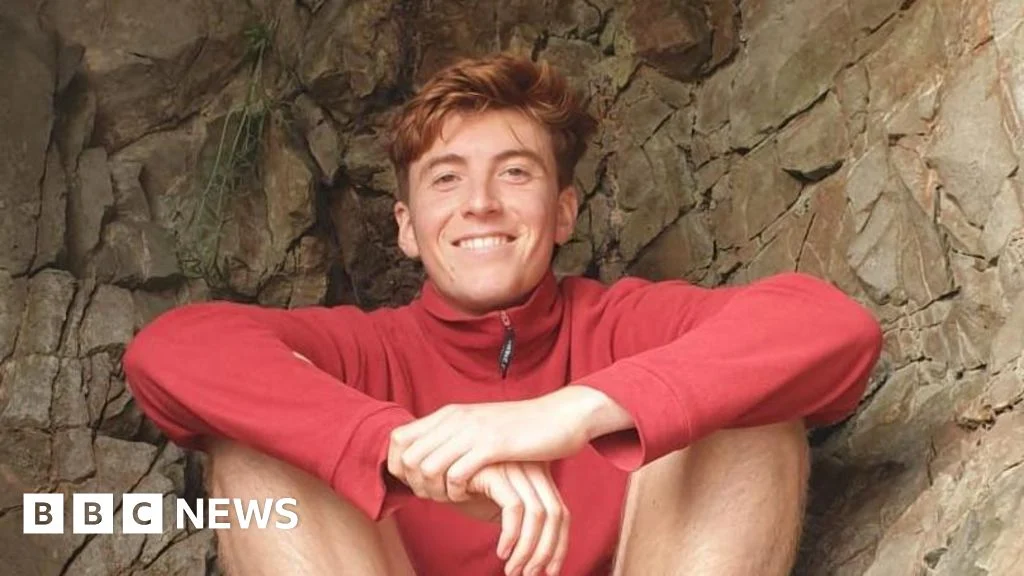
It is a parent’s worst nightmare to witness their once vibrant 28-year-old son confined to his bed, stripped of his ability to walk and communicate. This is the heartbreaking reality for Myfanwy and Charlie Sleep of Swansea, whose son, Tomos, is battling a severe form of Myalgic Encephalomyelitis (ME), a debilitating and often invisible illness. Tomos’s story shines a stark light on the struggles faced by thousands in Wales living with ME, a group campaigners describe as "invisible," with healthcare services for the most severely affected labelled as "a desert." While the Welsh government acknowledges the need for action and is "actively considering" proposals for national expertise and standards, the current reality for families like the Sleeps is one of profound neglect and despair.
"Tomos was an outdoor sort of bloke," Charlie reminisces, his voice tinged with sadness. "He enjoyed time with his mates." This image of a young man who loved the outdoors, relished physical activity, and was deeply connected to his social circle stands in stark contrast to the devastating reality he faces today. The swift and brutal progression of his illness has robbed him of the life he knew and loved.
The insidious onset of Tomos’s condition began subtly in 2019 with persistent dizziness. Over the subsequent years, his health spiralled downwards, culminating in a diagnosis of severe ME in 2023. This diagnosis came after he began experiencing significant mobility issues, a stark indicator of the illness’s relentless grip. The once active young man found himself struggling to walk, and his sensitivity to noise and light intensified, further isolating him from the world. "It was the year of 2023 when he really went downhill," Myfanwy recounts, her voice heavy with emotion. "He was struggling with washing and dressing."
The moment that forever altered their lives, Myfanwy explains, was when Tomos expressed a desire for a bath. "He came downstairs and he could barely walk. He’s been in bed ever since." This marked the beginning of a period of unimaginable suffering. Charlie and Myfanwy describe their son at his worst as appearing "paralysed." Myfanwy’s words paint a harrowing picture: "He couldn’t open his eyes, couldn’t talk, couldn’t move." The simple act of opening his eyes, a fundamental human expression, was beyond his capacity.
The family’s attempts to secure adequate care have been fraught with difficulty. They found that the presence of carers in their home, intended to provide support, often exacerbated Tomos’s condition. "He finds it very difficult to have other people in the room with him, to talk with him," Myfanwy explains, highlighting his profound sensory sensitivities. Even basic needs are communicated through subtle cues: "If he wants the window open, he’ll look at that. If he needs the toilet, he’ll look at the bedroom door." This silent communication, while a testament to his resilience, underscores the immense challenges of his condition and the lack of appropriate support systems.
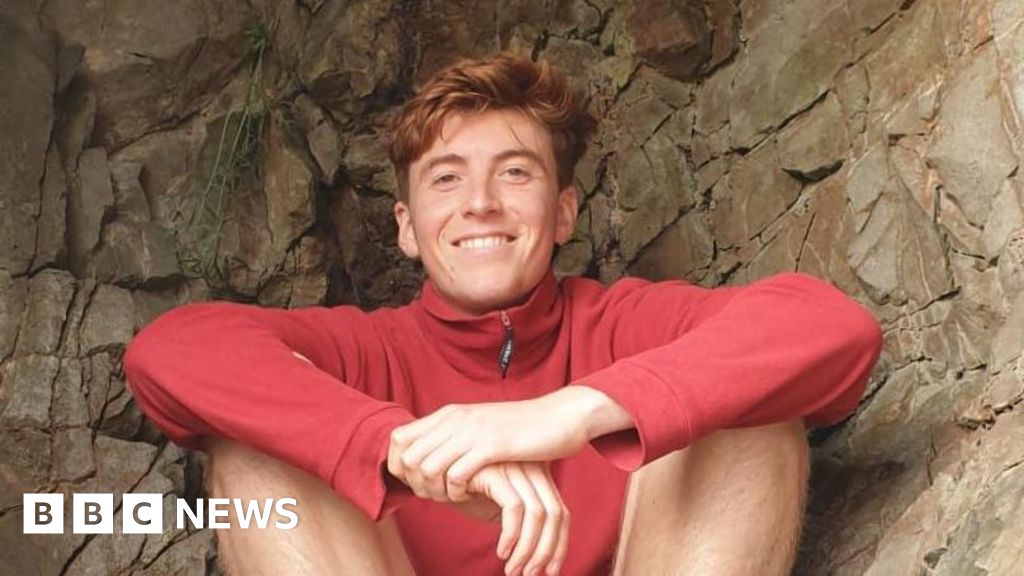
Charlie articulates the core of the problem: "The problem with having severe ME is that you can’t communicate. Because there’s no real treatment for it at the moment, and there isn’t a group of consultants that own the disease… people with ME are invisible." This invisibility, he argues, stems from a fundamental lack of understanding and dedicated medical expertise surrounding ME.
Understanding Myalgic Encephalomyelitis (ME)
ME, often referred to as Chronic Fatigue Syndrome (CFS), is a complex and multi-systemic chronic illness that affects individuals in profound and varied ways. Its hallmark symptom is extreme fatigue that is not alleviated by rest. A key characteristic of ME is post-exertional malaise (PEM), a debilitating phenomenon where even minor physical or mental exertion can lead to a severe and prolonged worsening of symptoms. This means that everyday activities, which most people take for granted, can leave individuals with ME completely debilitated, often requiring extended periods of recovery.
The severity of ME exists on a spectrum, typically categorised into mild, moderate, severe, and very severe. While the exact causes of ME remain a subject of ongoing research, potential triggers are believed to include infections or other illnesses. The impact of ME extends far beyond mere tiredness, profoundly affecting multiple bodily systems and significantly impacting an individual’s quality of life.
The Personal Toll of ME: Voices from Wales

The experiences of Tomos, Fflur Evans, and Alwen Davies underscore the devastating impact of ME on individuals and their families in Wales. Fflur Evans, a 39-year-old mother of two from Bala, Gwynedd, was diagnosed with ME two years ago. While her symptoms are classified as moderate, meaning she is not constantly bedbound, the condition has forced her to leave her career as a teacher. "I’m not the same person," she states, her voice filled with a sense of loss. "I’m stuck in this little bubble in the house."
Fflur describes the relentless nature of her symptoms: "It doesn’t matter how much I rest, sleep, it doesn’t help. I’m in pain every day." The illness has also heightened her sensory sensitivities: "Going up and down the stairs can make me dizzy. I can’t bear the sound of zips or cupboards closing." Her initial perception of ME as simply "tiredness" has been shattered by the harsh reality of its severity: "It’s so much more serious."
Alwen Davies, 46, from Denbighshire, received a diagnosis of moderate ME in 2023. She actively employs pacing techniques, a crucial strategy for managing ME by balancing rest and exertion to minimise PEM. However, like Fflur, she has also had to leave her job. On her worst days, Alwen finds herself confined to her bed in darkness, a stark illustration of the illness’s debilitating nature. "It’s just devastating. It sounds dramatic, but it’s life-changing," she says, likening the experience to a "grieving process." The loss of her former life, her health, and her independence has left a profound emotional scar.
A Call for National Action and Expert Care
Campaigners are vocal in their demand for a more comprehensive and coordinated approach to ME care in Wales. Rob Messenger, from Carmarthenshire, has become a passionate advocate after two of his children were diagnosed with ME in their teens. He highlights the critical need for a national expert group, an all-Wales clinical lead, and increased investment in ME research. "We’ve met lots of very caring professionals throughout the years, people who have wanted to help, who have done their best," Rob acknowledges. "But there is no specialist to turn to."
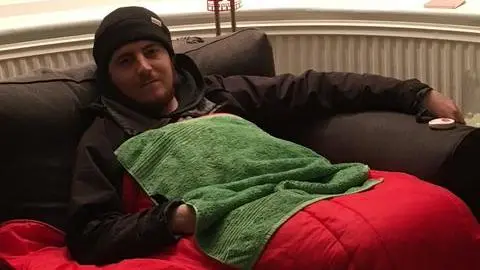
Rob explains that while the Welsh government has allocated some funding to the seven health boards to establish ME services, the lack of a unified national plan has resulted in a "postcode lottery" of care. For individuals with severe and very severe ME, the situation is even more dire, described by Rob as "pretty much a desert." This inequity in access to care means that the quality of support a person receives is often dependent on their geographical location.
Addressing the Gaps: Progress and Persistent Challenges
In North Wales, the Betsi Cadwaladr University Health Board has taken a step towards broader support by expanding its Long Covid service to include ME patients, utilising funding from the Welsh government’s Adferiad programme. Consultant physiotherapist Claire Jones stated that this initiative aims to provide "individualised support" to individuals with ME, regardless of the severity of their condition.
However, Dr. Binita Kane points out that ME services remain "patchy" across Wales and the wider UK. A fundamental barrier, she argues, is the lack of education within the medical community: "Doctors aren’t taught about this condition. The first thing we need is understanding." She emphasises the importance of early intervention: "If we do the right thing early in the illness, and support people with the right level of pacing, you can prevent that deterioration in a lot of cases." This suggests that proactive and informed medical guidance could significantly alter the trajectory of the illness for many.
Professor David Price from Cardiff University echoes the urgent need for increased funding for ME research, highlighting that understanding the underlying mechanisms of the disease is crucial for developing effective treatments.
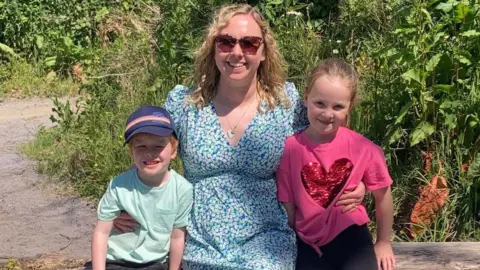
The Welsh government has stated that Wales is the first UK nation to extend Long Covid services to individuals with other infection-associated long-term conditions. "We recognise more needs to be done, particularly for people with more severe illness," a spokesperson commented. The government confirmed that "Proposals for an all-Wales specialist, an expert group and national standards are being actively considered as part of the service’s ongoing development." While these statements offer a glimmer of hope, the experiences of families like the Sleeps demonstrate the urgent need for tangible action and a swift implementation of these considered proposals to alleviate the suffering of those living with ME in Wales. The current reality for many remains one of profound isolation and a desperate search for adequate care and understanding.




 Nakalama John
 atisusanti
 Ramos Leo
