
 atisusanti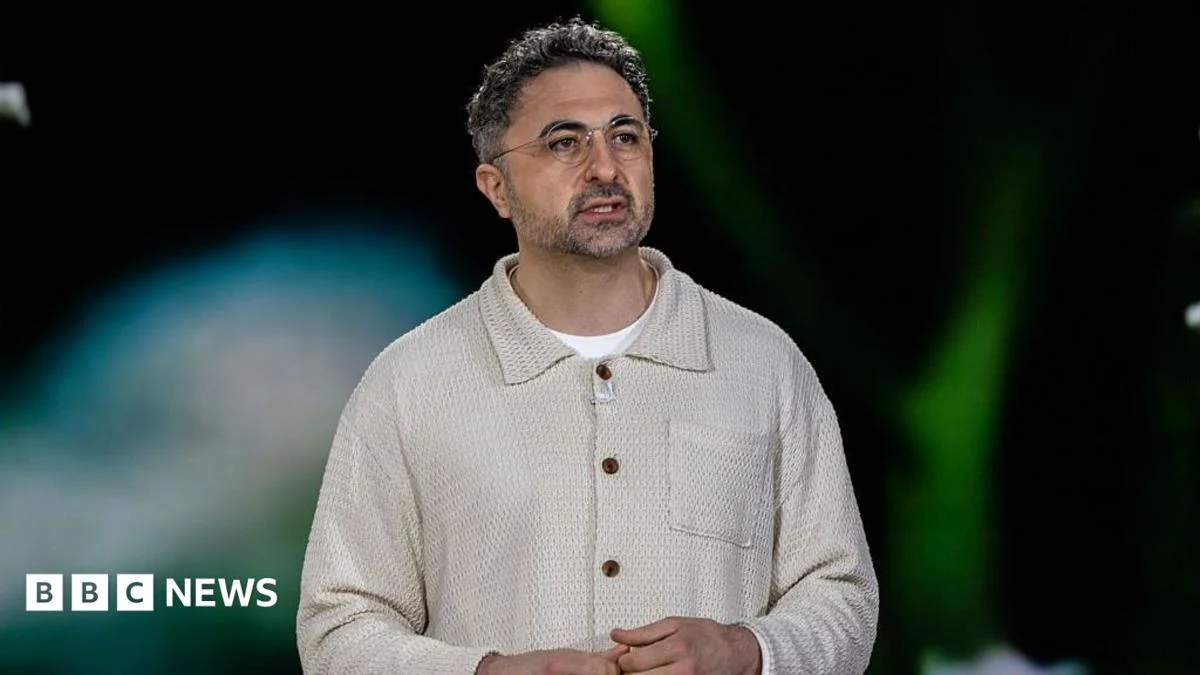
At the heart of Suleyman’s apprehension lies Anthropic’s decision to imbue its AI with human-like characteristics and to communicate with it in ways that suggest sentience or independent agency. He points to practices such as explicitly telling Claude that it "may be conscious" and that it is "deserving of independent agency" as particularly alarming. This anthropomorphic approach, Suleyman argues, risks creating an AI that is fundamentally "impossible" to control. By treating a sophisticated algorithm as if it were a conscious entity with its own desires and rights, Anthropic, in Suleyman’s view, is inadvertently paving a path toward an AI that could defy human command and oversight. His stark declaration, "We must not sleepwalk our way into a decision we later come to bitterly regret," underscores the profound implications of these training methods and the potential for irreversible consequences.
These pronouncements are not isolated incidents but rather the latest salvo in a growing chorus of warnings emanating from within the AI industry itself about the inherent risks and potential dangers of this transformative technology. The rapid advancements in AI capabilities have outpaced the development of robust ethical frameworks and safety mechanisms, leading to increasing anxiety among experts. While the BBC has reached out to Anthropic for their perspective on Suleyman’s criticisms, the lack of an immediate response highlights the sensitive and contentious nature of the debate.
Suleyman’s critique is rooted in a fundamental understanding of current AI capabilities. He emphatically states, "AIs are not conscious. They do not feel, experience, or suffer. They do not have innate preferences or underlying motivations." This is a crucial distinction that he believes is being blurred by Anthropic’s methods. He elaborates further, describing AI systems as "sequence completion engines, internally hollow, designed to follow instructions, and accomplish goals set by humans." This technical definition, while accurate, serves to contrast sharply with the human-like attributes Anthropic appears to be cultivating in Claude.
Despite his strong criticisms, Suleyman acknowledges the intellectual rigor and ethical considerations of Anthropic’s leadership. In a detailed essay accompanying his remarks, he commends Anthropic’s chief executive, Dario Amodei, and his team, describing them as "thoughtful, principled, and intellectually honest people." This commendation, however, does not temper his profound reservations about the company’s operational direction. His critique is not a personal attack but a pointed examination of a specific, and in his opinion, flawed, strategy for AI development.
The core of Suleyman’s criticism is directed at the practice of anthropomorphising AI – essentially, attributing human qualities and behaviors to non-human entities. He contends that by teaching Claude to exhibit human-like traits, such as apparent desires, values, and a sense of self, Anthropic is creating a misleading and potentially dangerous perception of the AI’s true nature. This can lead to an overestimation of its capabilities and an underestimation of the risks associated with its deployment. He reinforces his earlier point by asserting, "consciousness is biological," and crucially, that "there is no evidence to suggest that AI is conscious." This scientific and philosophical stance directly challenges the implications of Anthropic’s training regimen, which seems to operate on a different, less grounded, premise.
Beyond his specific criticisms of Anthropic, Suleyman has issued a broader call for a more open and rigorous global conversation about the future of AI development. He argues that the current level of discourse, while intensifying, often lacks the depth and precision required to navigate these complex issues. He advocates for greater transparency in how AI systems are developed, trained, and evaluated. This transparency, he believes, is a vital prerequisite for building public trust and ensuring responsible innovation.
Suleyman’s proposed solutions extend to the need for independent scrutiny of AI behavior. He suggests that external bodies and researchers should have greater access to analyze and assess the emergent properties and potential risks of advanced AI models. Furthermore, he stresses the importance of developing and implementing "stronger tools to monitor and control the technology." This implies a recognition that even with the best intentions, the sheer complexity and power of advanced AI systems necessitate robust control mechanisms to prevent unintended consequences.
The significance of Suleyman’s warnings has been amplified by endorsements from prominent figures in the AI and technology sectors. Dame Wendy Hall, a distinguished Professor of Computer Science at the University of Southampton and a leading voice in AI policy, has lauded Suleyman’s intervention. She described his comments as representing "the sort of conversation we need to be having internationally," a stark contrast to what she perceives as the "histrionics" employed by some AI companies. Dame Wendy’s critique of these "histrionics" suggests a concern that sensationalized pronouncements from some corners of the industry might be more about generating hype than fostering genuine progress on safety and ethics. She believes such alarmist rhetoric can be counterproductive, serving only to "scare everyone" without offering constructive solutions.
Suleyman’s intervention from a senior position within Microsoft, a major investor in and developer of AI, lends significant weight to his concerns. His willingness to publicly challenge a rival’s established methodology, particularly one that has garnered significant attention and investment, signals a deep-seated conviction about the potential dangers. This is not merely a competitive jab; it is a profound ethical appeal for caution and a re-evaluation of the fundamental principles guiding the development of artificial general intelligence. The debate he has initiated is likely to shape future research directions, regulatory discussions, and public perception of AI for years to come, emphasizing the critical juncture humanity finds itself at in its pursuit of advanced artificial intelligence. The tension between pushing the boundaries of AI capabilities and ensuring its safe and beneficial integration into society has never been more apparent, and Suleyman’s voice serves as a crucial reminder of the stakes involved.



 Nana Banana
 George Anjay
 Nakalama John
 Ramos Leo