
 Nakalama John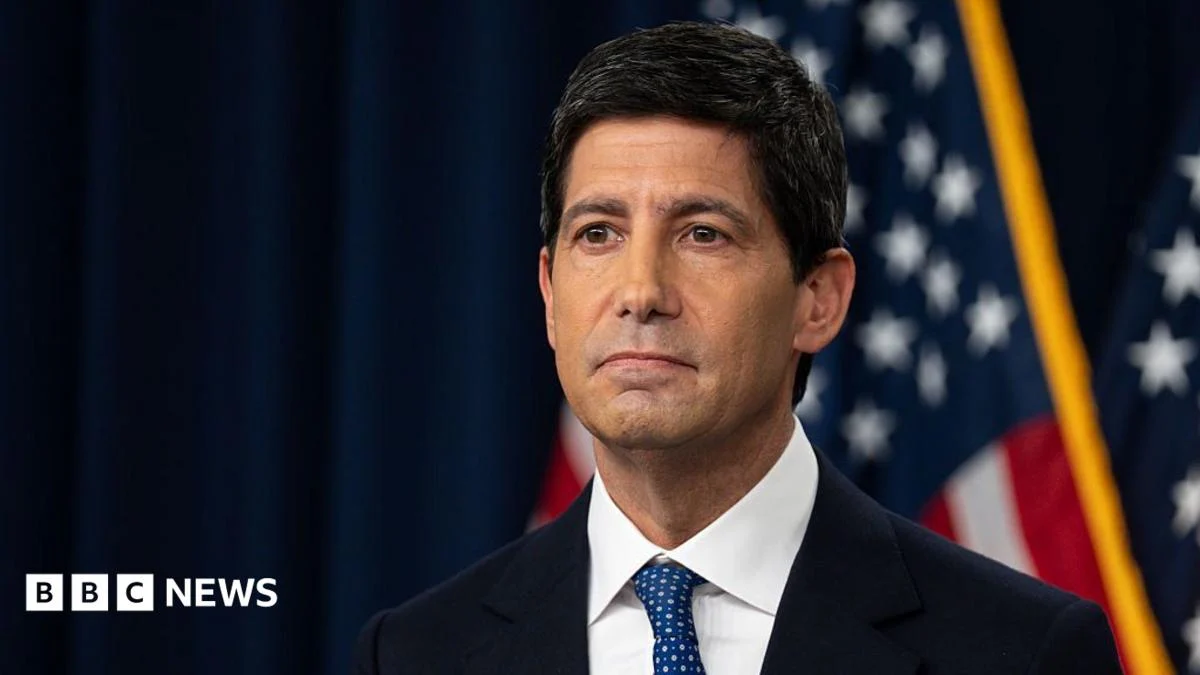
Fed Chair Kevin Warsh articulated the rationale behind the significant policy adjustment during a press conference following the decision. He stated unequivocally that "inflation is too high and has been for too long," emphasizing the necessity of the central bank’s intervention. Warsh characterized the decision as both "sober" and "responsible," highlighting the gravity of the economic situation and the Fed’s duty to address it. This increase marks the first upward adjustment in rates since July 2023, following a cut in December 2025, reflecting a dynamic response to evolving economic pressures.
The economic implications of higher interest rates are far-reaching. For consumers, borrowing becomes more expensive across the board. This directly impacts individuals seeking new loans for homes, cars, or education, as well as those relying on credit cards for everyday expenses. Mortgage rates, in particular, are expected to climb further, making homeownership less accessible for many prospective buyers. Conversely, higher rates generally lead to improved returns on savings accounts and certificates of deposit, offering a silver lining for savers who have endured years of historically low yields. This transfer of cost from borrowers to savers is a fundamental mechanism through which monetary policy influences aggregate demand.
Central banks globally typically employ interest rate hikes as a primary tool to curb inflation. The theory is straightforward: by making borrowing more expensive and saving more attractive, the Fed aims to reduce overall spending in the economy. This decrease in demand is intended to alleviate upward pressure on prices, thereby slowing the pace of inflation. However, this is a delicate balancing act. Aggressive rate hikes carry the risk of stifling economic activity, discouraging businesses from investing in expansion, hiring new employees, and innovating, which can ultimately lead to slower economic growth or even a recession. Warsh acknowledged the "attitude of optimism" within the Fed leadership regarding the broader economy, yet he maintained that inflation remained a pressing and unresolved problem.
The Federal Reserve, like many of its international counterparts, operates with a long-term inflation target, typically aiming for 2% or below. Warsh noted with concern that US inflation has persistently exceeded this target for "more than five years," a duration that necessitated decisive action. The current inflationary environment has been exacerbated by a confluence of factors. Domestically, a strong jobs market and robust consumer demand have contributed to price pressures. Globally, the ongoing "US-Israel war with Iran" has had a profound impact, particularly on energy markets. Global oil prices have surged since the conflict began, driving up the cost of petrol and diesel for consumers – with diesel prices hitting an all-time high and petrol averaging over $4 (£3) a gallon – and escalating transportation and production costs across virtually all sectors of the economy.
Addressing the specific drivers of inflation, Warsh clarified that the Fed’s monetary policy cannot directly influence "any individual price whether it be oil prices, whether it be food stuffs at the grocery store." Instead, the central bank’s mandate is to prevent these individual price surges from broadening into a generalized, sustained increase across the entire economy. He underscored that a strong labor market and a resilient broader economy provided the Fed with the necessary flexibility to prioritize price stabilization. Warsh also highlighted the distributive impact of inflation, emphasizing that those least well-off in society often bear the heaviest burden of rising prices, and thus have the most to gain from a return to lower, more stable inflation.
The decision to raise rates was not without significant political drama. President Donald Trump, a vocal critic of the Federal Reserve’s monetary policy during his previous term and since, vehemently opposed the hike. He had consistently called for interest rates to be cut, arguing they "should be 1%, or less, because we are the Best Credit in the World – BY FAR." Following Wednesday’s announcement, Trump took to social media to reiterate his demand, posting: "LOWER THE INTEREST RATES FOR THE UNITED STATES OF AMERICA, AND FAST!"
The tension between the White House and the independent Federal Reserve is a recurring theme in American politics. When asked about the message the decision sent to President Trump, Warsh reportedly chuckled before diplomatically stating, "I have got nothing for you on a discussion with the president." This seemingly lighthearted response underscored the Fed’s constitutional independence from political pressure. White House Press Secretary Kush Desai, while acknowledging the president’s right to voice his opinions, reiterated the White House’s "commitment to the independence of the Federal Reserve on numerous occasions" in an interview with Fox News. Warsh, for his part, succinctly summarized the Fed’s position at the press conference, stating that "part of the independence of the Federal Reserve is we stay in our lane." This commitment to its mandate, free from political interference, is considered crucial for the central bank’s credibility and effectiveness. Trump had notably appointed Warsh to succeed Jerome Powell as Fed chair earlier in the year, after being heavily critical of Powell for not cutting rates during his tenure.
The immediate impact of the Fed’s hike was felt swiftly in financial markets. Major US banks, including JP Morgan, KeyCorp, and BNY, quickly followed suit, raising their prime lending rates on Wednesday to 7% from 6.75%. This adjustment directly influences the interest rates charged on various consumer credit products, including credit cards, personal loans, and certain types of business loans. For the housing market, mortgage rates, which had already been climbing over the past year, are expected to continue their ascent. According to figures from Freddie Mac, the average rate for a 30-year fixed mortgage currently stands at 6.76%, while a 15-year fixed deal averages 6.09%. While many US homeowners benefit from 30-year and 15-year fixed-rate mortgages, which shield their monthly repayments from immediate changes, the hike will significantly affect those looking to secure new home loans or refinance existing ones.
Looking ahead, the Federal Reserve’s policymakers provided insights into their expectations for future rate movements. While Fed Chair Warsh declined to offer his personal forecast, the consensus among his fellow policymakers indicated a strong likelihood of further rate hikes before the end of the year, with a majority believing rates would reach between 4-4.25%. A smaller, though still significant, majority suggested that rates could climb further to 4.25-4.5% next year. However, the projections also offered a glimmer of hope for a future easing of monetary policy, with forecasts suggesting that rate cuts could begin in 2028 and 2029. This long-term outlook aligns with the Fed’s overall inflation forecast, which predicts a steady decline in price rises, with inflation expected to converge towards the central bank’s 2% target by 2029.
The US Federal Reserve is not alone in grappling with the inflationary pressures that have intensified globally since the onset of the Iran war. Central banks across the world are confronting similar challenges, reflecting the interconnectedness of the global economy. The European Central Bank, for instance, raised its own rates just last week, and the Bank of England is poised to make its decision on Thursday, indicating a synchronized global effort to bring inflation under control. These coordinated actions underscore the severity of the current economic climate and the determination of monetary authorities to restore price stability, even if it entails a period of tighter financial conditions. The path ahead remains uncertain, but the Fed’s recent action clearly signals its unwavering commitment to its dual mandate of maximum employment and price stability.


 atisusanti
 Nana Banana
 George Anjay
 Ramos Leo