
 Roy Suryo
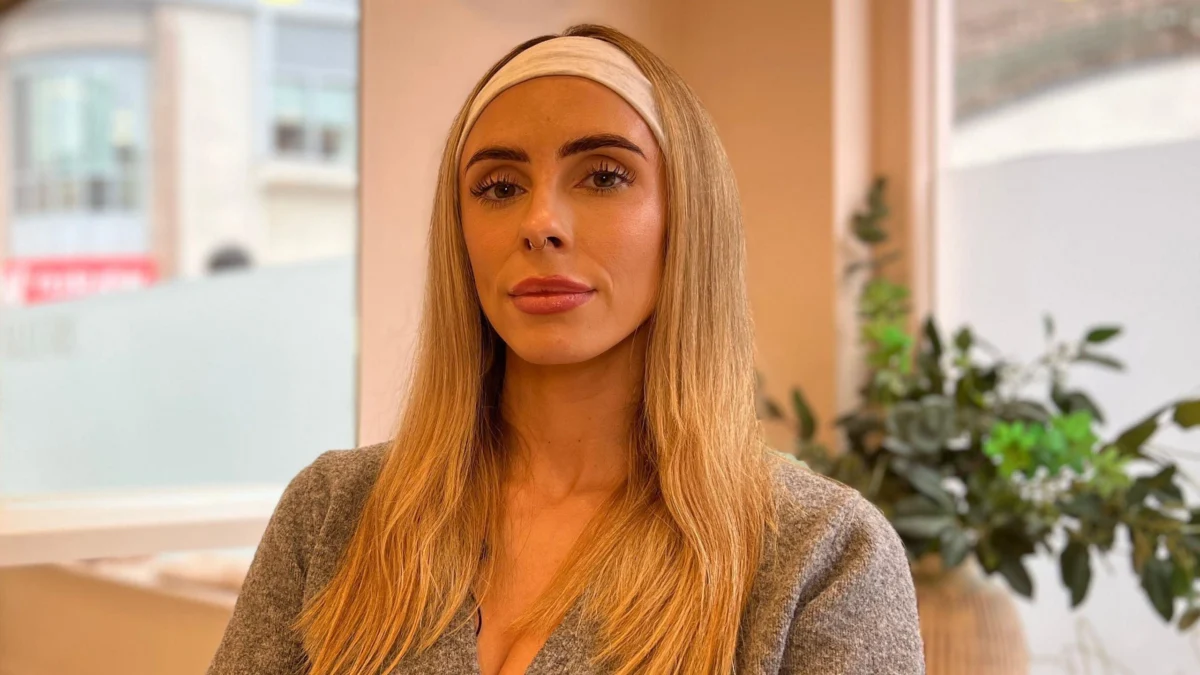
Meg Hamon, who found herself relying on a constant cycle of partying and drinking to navigate difficult emotions, has experienced a profound transformation in her self-confidence through the power of exercise and therapy. Her struggles intensified during the Covid-19 pandemic, exacerbated by a difficult breakup. It was only at the cusp of turning 30 that Hamon recognized the need for significant change, leading her to embrace a healthier lifestyle that has demonstrably improved her mental and physical well-being.
"Exercise has helped me massively with my confidence," Hamon shared, emphasizing its impact. "If I’m ever feeling low, a good gym session will always help." This sentiment underscores the tangible benefits she has experienced, transforming a perceived coping mechanism into a source of empowerment.
Hamon described a period where her struggles felt all-consuming. "I think my lowest was Covid," she recalled. "I think that was like a struggle for everyone, and I had just gone through quite a bad breakup. I was struggling with that, and I just think I’d never really processed my emotions. I really neglected myself mentally and physically… but I just never really noticed how unhappy I was until I started to make a change." This realization marked a pivotal moment, initiating a journey of self-discovery and healing.
The decision to prioritize her physical and mental health has yielded significant positive outcomes. "Even if I had just done the therapy – it would be incredible," Hamon stated, acknowledging the importance of professional support. "But I think the exercise side has just helped me massively with my confidence." The synergy between therapy and physical activity has been instrumental in her recovery, providing a holistic approach to well-being.
Hamon has courageously chosen to share her experiences on social media, hoping to inspire others facing similar challenges. "If it inspires one person to make a change, then I think it’s really important to do that as well," she explained. "If you get stuck in the same cycle… I just think you can find so many other things to do than going out and just drinking excessively." Her transparency serves as a beacon of hope, demonstrating that breaking free from unhealthy patterns is not only possible but can lead to a more fulfilling life.

The journey of recovery is often supported by professional guidance, and Hamon has found this in therapist Sally Agathangelou. Agathangelou specializes in helping individuals overcome destructive coping mechanisms. "It could be various issues; it can be drinking, it can be gambling, it can be drugs, it can be self-harm – but it’s all bridges for coping," Agathangelou explained, highlighting the underlying emotional needs that often drive such behaviors.
Agathangelou expressed optimism about the current generation’s willingness to seek help. "I’m really quite proud of this generation because they are very open to therapy," she remarked. "I’m very, very proud of them because I can support, but it’s down to them at the end of the day to make that change." This observation suggests a positive shift in societal attitudes towards mental health, with younger individuals being more receptive to professional intervention.
The narrative of Meg Hamon is a powerful testament to the transformative potential of embracing a healthier lifestyle. Her story illustrates that while the allure of escapism through partying and drinking may offer temporary relief, true and lasting confidence is cultivated through conscious effort, self-care, and the courage to seek and implement positive change. The integration of exercise and therapy has not only helped her overcome a challenging period but has also equipped her with the tools to build a more resilient and self-assured future. Her willingness to share her journey amplifies the message that recovery is achievable and that by prioritizing well-being, individuals can reclaim their lives and foster a profound sense of self-worth. The journey from relying on external validation through social events to finding inner strength through physical activity and mental exploration is a powerful one, offering a blueprint for others who may feel lost or stuck in similar cycles.
The initial phase of Hamon’s struggle was marked by a sense of emotional numbness, a common consequence of prolonged reliance on substances or activities for coping. The pandemic, a period of unprecedented global disruption and isolation, amplified these pre-existing vulnerabilities. For Hamon, the loss of routine and social connection, coupled with the pain of a broken relationship, created a void that she attempted to fill through a relentless pursuit of social engagement and alcohol. This created a feedback loop, where the temporary euphoria of partying masked deeper anxieties, only to be replaced by a more profound sense of emptiness and a diminished sense of self-worth once the effects wore off. The constant need for external stimulation and validation became a substitute for genuine self-acceptance, leading to a gradual erosion of her confidence.
The turning point, as she articulated, was the impending milestone of her thirtieth birthday. This significant age served as a stark reminder of the passage of time and the life she felt she was not fully living. The realization that she was not only unhappy but also actively neglecting her fundamental needs for physical and mental health was a critical catalyst for change. This introspective moment allowed her to confront the reality of her situation, moving beyond the immediate gratification of her coping mechanisms to acknowledge the long-term consequences.
The introduction of therapy provided a crucial space for Hamon to unpack the underlying issues that fueled her reliance on partying. As therapist Sally Agathangelou noted, these behaviors often serve as "bridges for coping," indicating that they are symptomatic of deeper emotional pain or unmet needs. Through therapy, Hamon was able to explore her emotions, understand the root causes of her anxieties, and develop healthier strategies for managing them. This process of emotional excavation is vital in dismantling the patterns that lead to destructive behaviors.

Complementing the therapeutic work, the integration of exercise into her routine proved to be a game-changer. The physical exertion of gym workouts and running provided an immediate endorphin boost, a natural mood enhancer that offered a stark contrast to the artificial highs of alcohol. More importantly, the consistent effort and discipline required for physical training fostered a sense of accomplishment and mastery. Each completed workout, each mile run, served as a tangible symbol of her progress and her growing self-efficacy. This physical strength began to translate into mental fortitude, reinforcing her belief in her ability to overcome challenges.
The impact on her confidence was not merely superficial; it was deeply ingrained. Hamon’s statement, "Exercise has helped me massively with my confidence… If I’m ever feeling low, a good gym session will always help," speaks to the profound and reliable nature of this benefit. It suggests that exercise has become a stable and dependable source of positive reinforcement, a reliable anchor in moments of emotional turbulence. This is a significant shift from relying on fleeting social interactions and the transient effects of alcohol.
Furthermore, Hamon’s commitment to sharing her story on social media underscores a desire to contribute to a broader cultural shift towards prioritizing mental health and well-being. By openly discussing her past struggles and her ongoing journey, she normalizes the experience of seeking help and offers encouragement to others who may be hesitant to do so. Her message, "If you get stuck in the same cycle… I just think you can find so many other things to do than going out and just drinking excessively," is a direct invitation to explore alternative avenues for fulfillment and happiness.
The insights from Sally Agathangelou add a crucial professional perspective. Her observation that younger generations are more "open to therapy" is an encouraging sign, suggesting a growing awareness and acceptance of mental health support. This openness is vital, as it reduces the stigma often associated with seeking professional help, making it more accessible and less daunting. Agathangelou’s pride in this generation highlights a positive evolution in how mental well-being is perceived and addressed.
In conclusion, Meg Hamon’s story is a powerful illustration of resilience and the profound impact of lifestyle changes on confidence and overall well-being. Her journey from a life dominated by partying and drinking to one centered on exercise and therapy demonstrates that overcoming challenges is possible with commitment, support, and a willingness to embrace a healthier path. Her courage in sharing her experience serves as an inspiration, encouraging others to prioritize their mental and physical health and to discover their own inner strength. The holistic approach she has adopted, integrating physical activity with therapeutic support, offers a comprehensive model for recovery and personal growth, proving that a more confident and fulfilling life is within reach.


 Nakalama John

 atisusanti

 Ramos Leo

 Nana Banana

 George Anjay
