
 Roy Suryo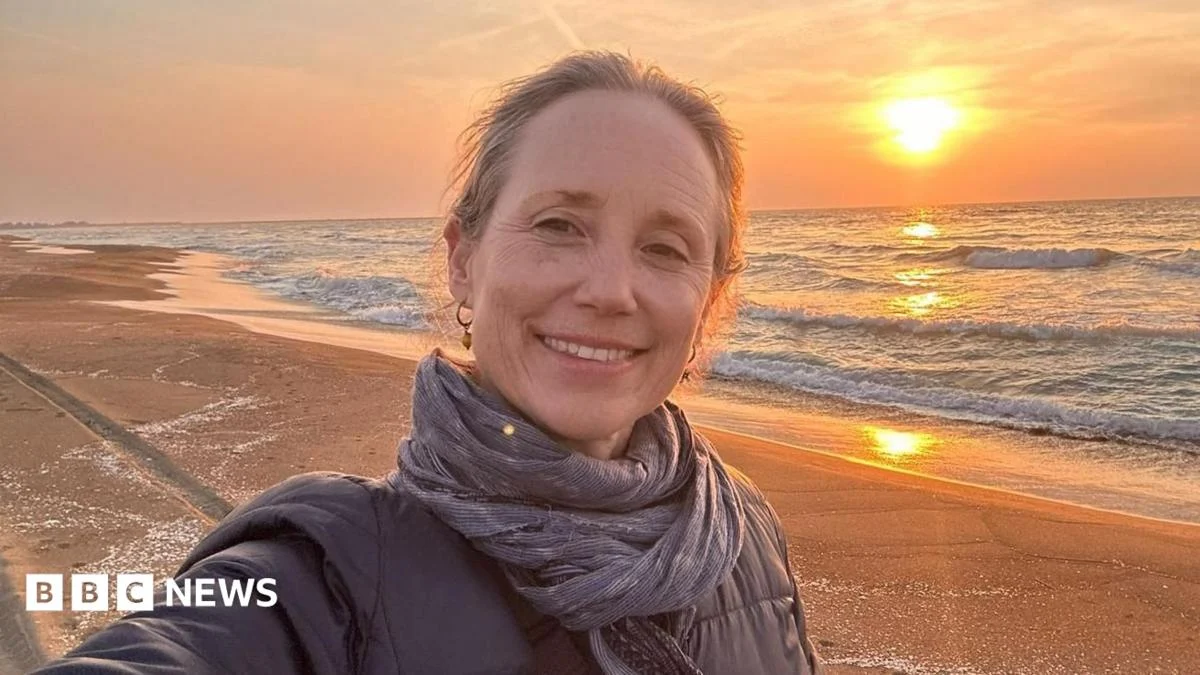
In a landmark decision that offers a vital lifeline to thousands of women battling a specific, aggressive form of breast cancer, the National Health Service (NHS) in England has finally approved access to Enhertu, a life-extending drug. Health Secretary Yvette Cooper hailed the development as "life-changing," stating, "this recommendation means NHS patients will finally be able to benefit from it." She further acknowledged the tireless efforts of those who championed this cause, remarking, "It is a tribute to the campaigners and charities who never stopped pressing for this." This crucial decision is set to impact approximately 1,000 women annually diagnosed with HER2-low metastatic breast cancer, a subtype characterized by the cancer cells having a low level of a protein called HER2.
The news, while celebrated as a significant victory, is also tinged with the profound sorrow of those who have suffered due to the prolonged delay in access. Claire Rowney, chief executive of the charity Breast Cancer Now, expressed a bittersweet sentiment, stating, "Today we can finally say we did it." However, she underscored the immense human cost, adding, "we can’t celebrate this momentous decision without remembering the devastating cost of this delay." The charity highlighted that countless individuals have been denied access to Enhertu, and tragically, many have succumbed to the disease during the intervening period.
Among those who intimately understand this complex emotional landscape is Kate Wills, a 51-year-old woman living with HER2-low metastatic breast cancer that has unfortunately spread to her bones and lungs. Despite the severity of her diagnosis, Kate’s vibrant spirit and full life belie her illness. A successful professional, devoted wife, and mother, her social media presence paints a picture of a life lived to the fullest, with only subtle hints of her ongoing medical journey. The emotional toll of knowing that a drug capable of extending her life existed, yet remained out of reach, has been "incredibly painful," Kate shared. The prospect of her life being cut short when a potential lifeline was so close, yet inaccessible, was a source of profound distress. Now, with the drug finally approved, she expressed the overwhelming relief and gratitude, stating, "To know that I can get it now is absolutely everything."
The protracted approval process for Enhertu has been a subject of intense scrutiny, particularly concerning the drug’s pricing. Investigations revealed that the pharmaceutical companies behind Enhertu, Daiichi Sankyo and AstraZeneca, had not significantly reduced their prices since the drug was initially rejected by the National Institute for Health and Care Excellence (NICE). This raises questions about the affordability of life-saving treatments and the complex negotiations involved in securing their availability on the NHS.
The pivotal shift in NICE’s decision-making appears to be largely influenced by a broader trade agreement between the UK and the USA. As part of this agreement, the UK government committed to a 25% increase in spending on medicines. This commitment has had a direct impact on NICE’s evaluation framework, specifically regarding the monetary threshold it assigns to a Quality-Adjusted Life Year (QALY). The QALY is a metric used by NICE to assess the value for money of new drugs, quantifying the benefit of a drug in terms of extending life and improving its quality. The upper threshold per QALY has been raised from £30,000 to £35,000. This upward revision in the economic valuation of improved quality of life has evidently made Enhertu a more economically viable option within the NHS’s budget.
Furthermore, in a move that reflects a more nuanced approach to assessing patient benefit, NICE introduced a new, more sophisticated method for measuring a patient’s quality of life at the end of August. This dual approach—the increased QALY threshold and the refined quality of life assessment—provided the necessary leverage to tip the scales in favour of approving Enhertu. While these systemic changes were instrumental, the sustained and passionate advocacy of patient groups and charities has undoubtedly played a significant role in bringing these issues to the forefront and influencing the decision-making process. The persistent campaigning for Enhertu, and indeed for other life-saving medications, has demonstrably contributed to the reform of these evaluation processes.
Both Daiichi Sankyo and AstraZeneca have expressed their welcome of NICE’s decision. However, AstraZeneca has also issued a call for "strong collaboration" across the entire healthcare system. This plea underscores the need for a more streamlined and efficient process to ensure "faster, more equitable patient access in the future." The pharmaceutical industry, while celebrating this breakthrough, recognizes the systemic challenges that continue to hinder timely access to innovative treatments.
Breast Cancer Now’s Claire Rowney echoed this sentiment, issuing a strong appeal to all stakeholders. "We are calling on the government, NICE, NHS England and the pharmaceutical industry to work together to fix this broken system," she urged. Her impassioned plea aims to prevent future situations where individuals battling incurable metastatic breast cancer are forced into protracted and emotionally draining campaigns for treatments that could offer them precious extra time. The focus is now on creating a more proactive and responsive system, rather than one that requires constant advocacy for every new therapeutic advancement.
Helen Knight, director of medicines evaluation at NICE, acknowledged the satisfaction in reaching a "commercial solution" that allows Enhertu to be made available on the NHS in England. However, she too recognized the poignant reality that for many, this decision arrives "too late." She reiterated NICE’s crucial role in ensuring that NHS spending on new medicines aligns with the tangible benefits they deliver, while simultaneously safeguarding valuable health resources for other essential patient services. This highlights the delicate balancing act NICE performs in allocating finite resources to maximize population health outcomes.
For Kate Wills, the personal victory of finally gaining access to Enhertu represents a profound turning point. The torment of facing her mortality with the knowledge of an almost-within-reach treatment that she couldn’t access has been immeasurable. The prospect of dying before her time, when a drug existed that could have prolonged her life, was a source of deep anguish. Now, with the assurance of receiving the treatment, her relief is palpable, encapsulated in her simple yet powerful declaration: "To know that I can get it now is absolutely everything." This sentiment underscores the immense value of life and the profound impact that timely access to innovative medicines can have on individuals and their families, offering not just extended life, but a renewed sense of hope and possibility.



 Ramos Leo
 Nana Banana
 Nakalama John
 atisusanti
 George Anjay