
 Nakalama John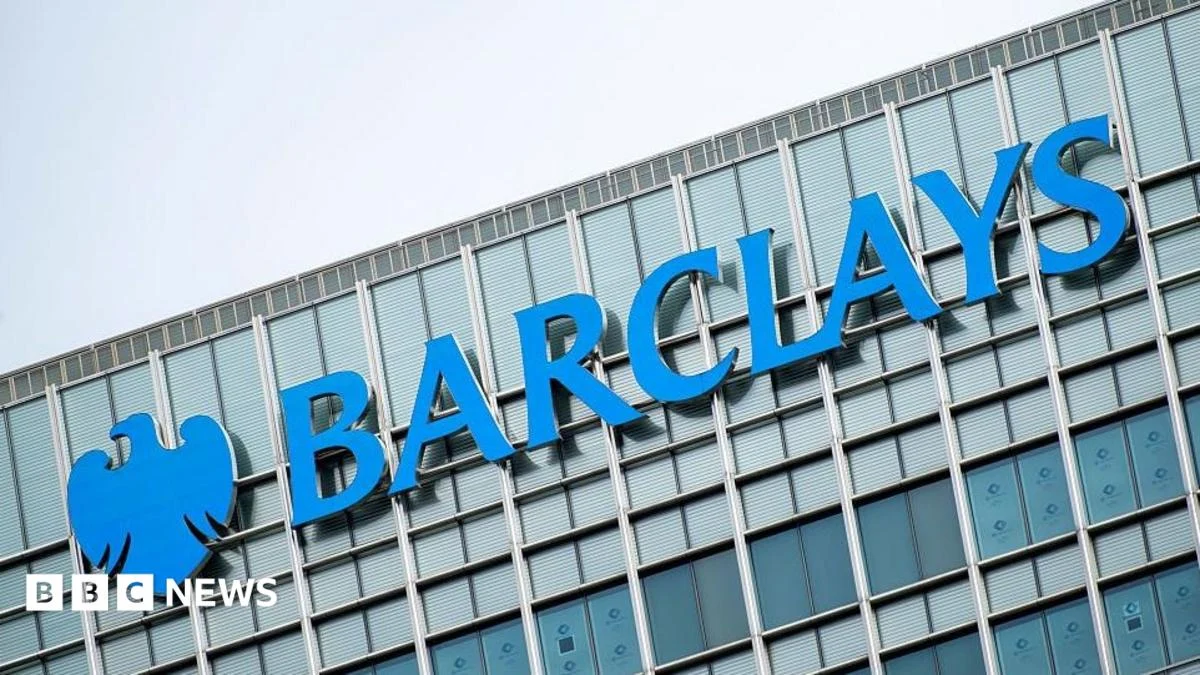
The core of the dispute revolves around a directive that will see staff, previously expected to be in the office for two days per week, now required to increase their in-office presence to at least three days a week starting next month. This change, outlined in a memo sent to staff in July, extends further for senior leaders, who are now expected to be in the office for a minimum of four days per week. The move has prompted a strong reaction, particularly from Unite, the union representing a substantial segment of Barclays’ workforce, estimated at around 36,000 staff members.
Unite has wasted no time in articulating its dissatisfaction, calling for Barclays to reverse its decision entirely. Beyond a complete reversal, the union is also actively pressing for a range of exemptions and financial offsets designed to mitigate the increased travel and childcare costs that employees will inevitably incur under the new regime. The union’s stance is that the bank is attempting to impose a solution where no problem exists, arguing that the current flexible working model has been demonstrably successful.
Barclays, for its part, has acknowledged the developing situation, stating that many employees already work in the office for three or more days, with the exact requirements often depending on specific business needs and departmental roles. The bank’s statement emphasized a recognition of "the benefits of balancing flexibility for colleagues with the importance of working together in our physical locations." However, this generalized response has done little to quell the rising tide of discontent among its employees.
The backlash against the proposed rules change was first brought to light by the Financial Times, highlighting the growing internal pressure Barclays faces. Rick Coyle, Unite’s national officer, has been a vocal proponent of the staff’s position, revealing that thousands of employees have already signed an open letter vehemently opposing the decision, with the number of signatories continuing to climb steadily. Coyle articulated the union’s view that Barclays is "trying to fix a problem that doesn’t exist" by making its working-from-home rules less flexible, implying that the current arrangements are not hindering productivity or performance.
The open letter itself, which has garnered widespread support, forcefully argues that workers have been delivering "strong financial results and improved customer services" under the existing working from home policy. This directly challenges any implicit suggestion from management that increased office presence is necessary for performance enhancement. The letter further outlines that thousands of workers have contributed suggestions, which Unite has meticulously condensed into a comprehensive series of demands presented to the bank’s leadership.
These demands, born from the practical realities and financial anxieties of the workforce, include several key provisions. Foremost among them is a call for a significant one-off cost-of-living payment. This payment would serve as immediate financial relief, directly addressing the anticipated surge in expenses related to commuting, such as public transport fares, fuel costs, and increased wear and tear on personal vehicles. Beyond this, staff are also seeking enhanced travel allowances or subsidies, which could take the form of improved season ticket loans, direct contributions towards fuel, or broader commuter benefits.
Childcare is another critical area of concern. The shift to more in-office days often disrupts established childcare arrangements, potentially leading to higher costs for extended care or the need for new, more expensive providers. Therefore, the demands include calls for subsidized childcare options or an increase in childcare vouchers, acknowledging the disproportionate impact on working parents. Furthermore, the union is pressing for greater flexibility for employees with specific needs, such as caregivers, individuals with disabilities, or those with particularly long commutes, advocating for a formal review process for individual circumstances to prevent undue hardship. A commitment to ongoing dialogue and transparency from Barclays leadership is also a key demand, alongside a formal recognition of the proven productivity and benefits associated with effective hybrid working models.
Barclays, in its official statement, maintained that its minimum time in office requirements "vary by business area, reflecting the nature of the work and the needs of the business." However, the bank declined to disclose precisely how many staff members would be impacted by these new rules. Reports suggest that the requirements indeed differ significantly across departments; for instance, investment bankers are understood to be expected in the office five days a week, indicating a tiered approach to the return-to-office strategy.
The broader context for this dispute is the dramatic shift in working patterns brought about by the coronavirus pandemic, which compelled many businesses to adopt widespread remote working. In the years since, there has been a noticeable trend of organizations attempting to re-establish a more traditional office presence, often despite mounting evidence suggesting that hybrid working models may offer the optimal balance of productivity, employee satisfaction, and operational efficiency. This return-to-office push is frequently driven by a desire to foster company culture, enhance collaboration, facilitate mentorship, and justify significant real estate investments, alongside concerns about management oversight and spontaneous innovation.
However, this push often clashes with the new expectations of employees who have grown accustomed to the flexibility and improved work-life balance offered by remote or hybrid arrangements. The current economic climate, marked by high inflation and a pervasive cost-of-living crisis, further exacerbates these tensions. For many, the additional day in the office translates directly into tangible, unavoidable costs that erode their disposable income at a time when household budgets are already stretched thin. This financial burden is precisely why a one-off payment and other financial concessions are at the forefront of the union’s demands.
Barclays is not alone in navigating these post-pandemic complexities. Numerous other major corporations have grappled with similar decisions. Amazon, Boots, and JP Morgan are prominent examples of organizations that implemented policies requiring head office staff to be in the office almost every day following the pandemic’s peak. Conversely, some companies have adopted different approaches. In June, digital bank Revolut announced a shift away from its "remote-first" policy for new recruits starting in 2027, but notably, this policy would not apply to its existing employees, allowing them to retain their current flexibility.
The debate also features passionate arguments from business leaders. Ewan Venters, the executive chair of fashion brand Paul Smith, recently told the BBC’s Big Boss Interview podcast that working from home "just doesn’t work" for young people, urging the government to refrain from interfering in corporate decisions regarding employee location. Such views highlight the diverse perspectives within the business world on what constitutes an effective and productive work environment in the modern era.
Ultimately, the dispute at Barclays underscores a critical juncture for corporate culture and employee relations in the financial sector. The outcome of these negotiations could set a precedent for how large institutions balance their operational needs with the evolving expectations and financial realities of their workforce. As thousands of staff stand firm in their demands for financial recognition and continued flexibility, the banking giant faces a significant challenge in maintaining employee morale and retaining talent in a competitive market, all while trying to redefine its post-pandemic working model.



 Ramos Leo
 Nana Banana
 Roy Suryo
 atisusanti
 George Anjay