
 Nana Banana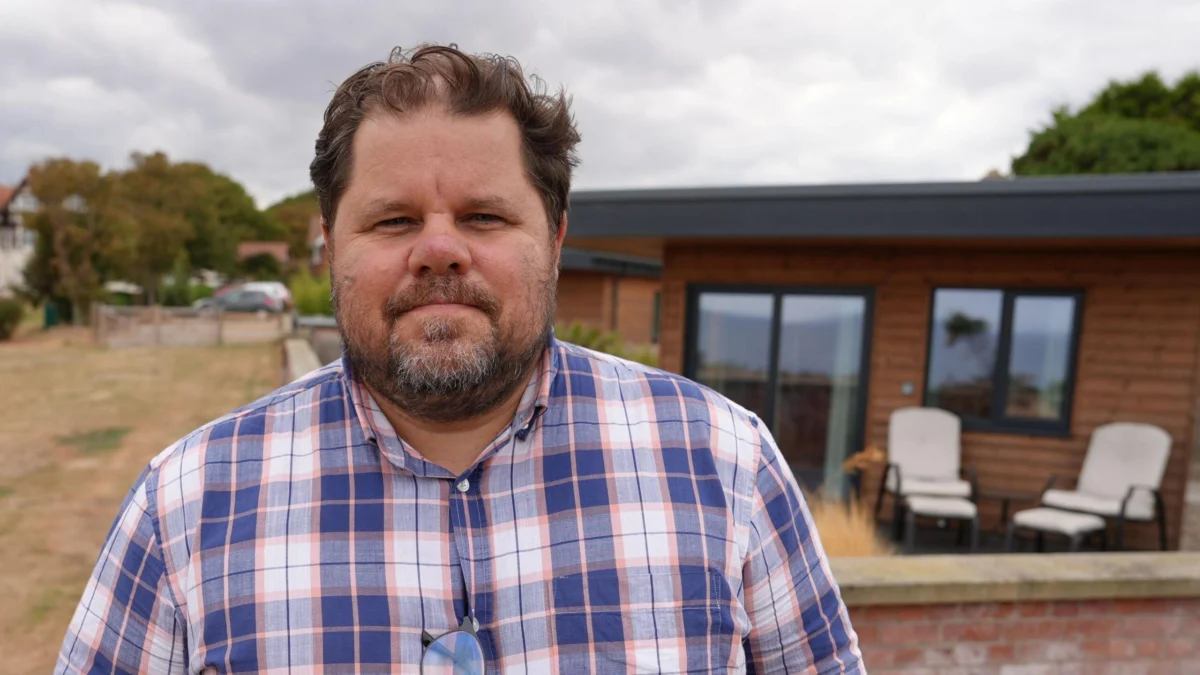
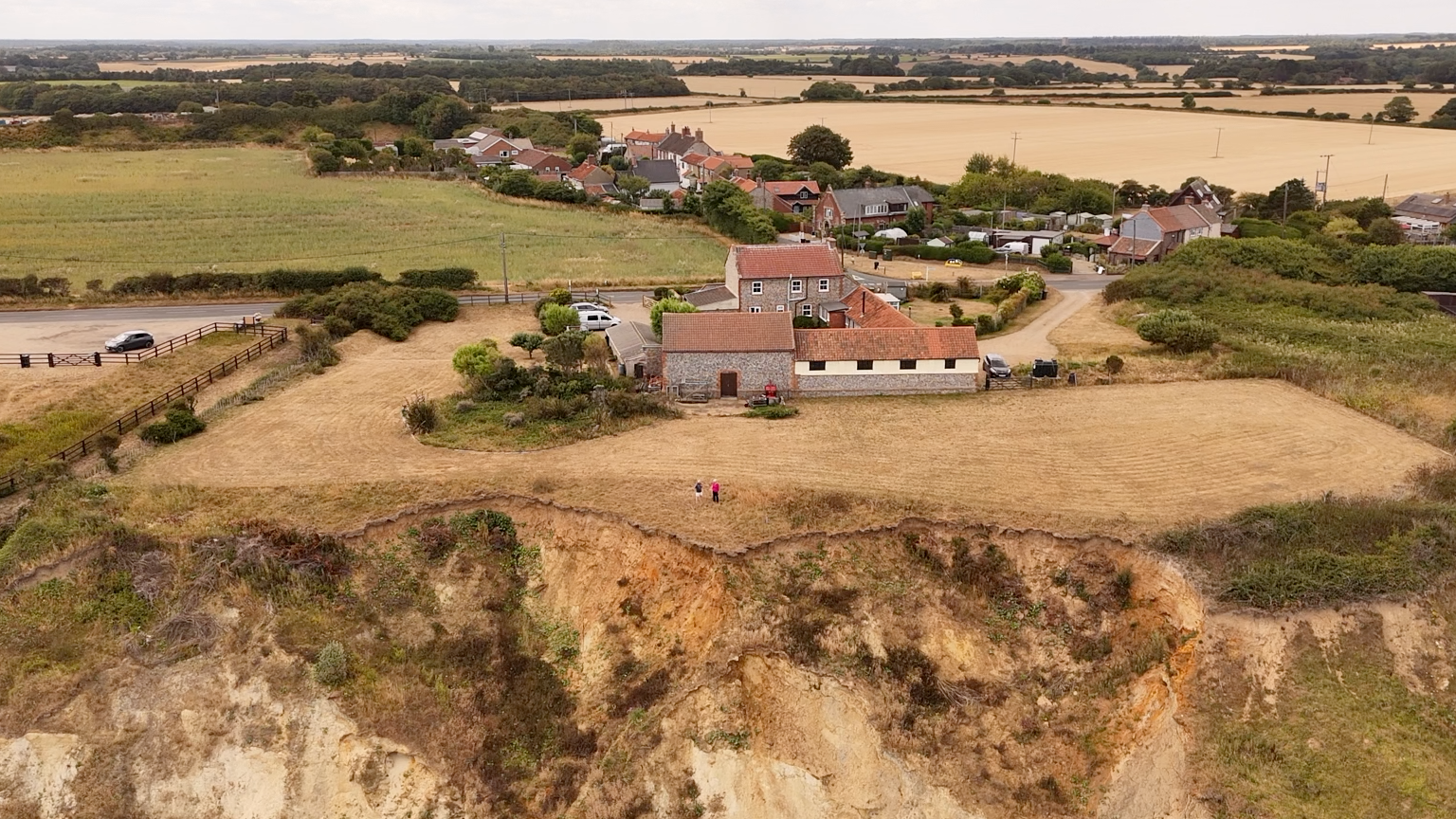
In the mere 13 years since their arrival, the couple has been forced to confront a dramatically revised timeline: their 1780-built home is now projected to be claimed by the sea in approximately 20 years. This accelerated prognosis reflects the intensifying battle between human habitation and natural forces that has already seen dozens of properties in Trimingham become uninhabitable over the past two decades, with the most recent demolition occurring in May 2024. Despite this looming threat, Bowler maintains a stoic perspective. "We’ve had to revise our opinions and our thoughts because of the coastal erosion, but it’s not something we think about every day – you would go mad otherwise," he reflects, highlighting a psychological resilience common among residents facing such existential challenges.
The physical transformation of the landscape around their home is stark. Bowler recalls a time when a gentle 45-degree slope allowed easy access to the water’s edge. Today, the cliff face bears the scars of dramatic collapses, looking, in his words, "as if a giant has taken two big bites" out of the land. This vivid imagery underscores the scale and speed of the erosion. Yet, even with this rapid change, Bowler counts himself and his neighbours fortunate compared to communities in Hemsby and Happisburgh, areas frequently highlighted for their more immediate and catastrophic erosion crises. Their relative "luck" stems from what they perceive as a slightly slower, albeit still significant, rate of erosion directly impacting their immediate vicinity, allowing a degree of psychological buffer.
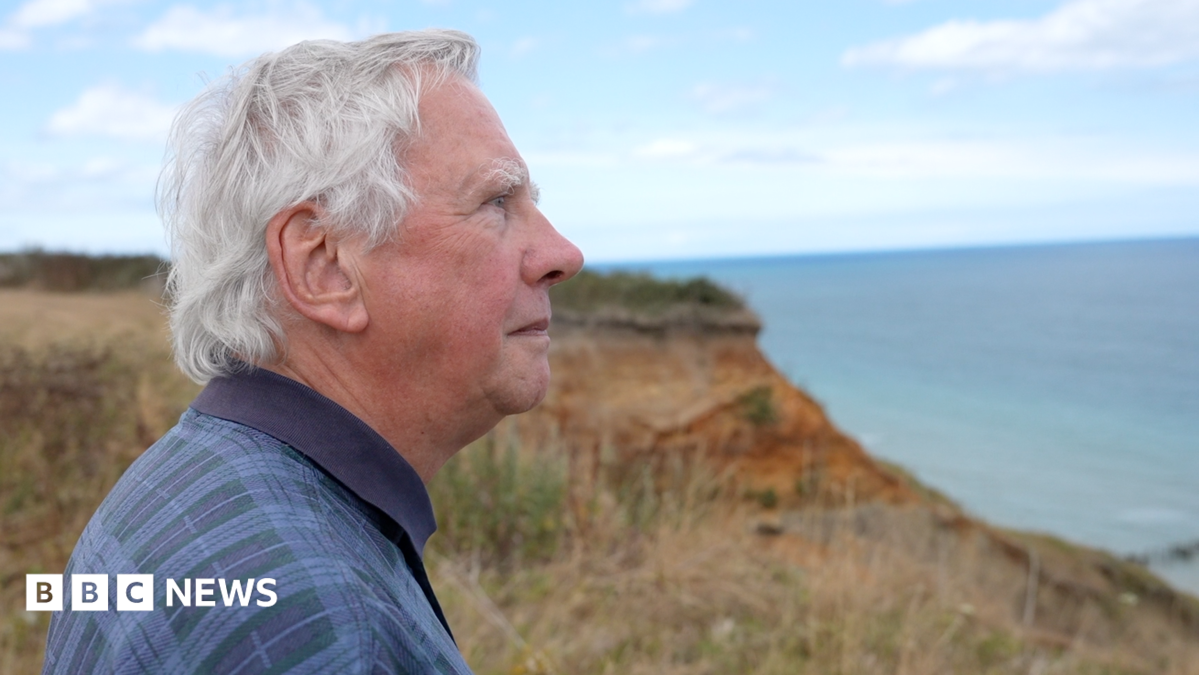
For the Bowlers, maintaining a "peace of mind" is paramount. "If we worry about that, we will never get a night’s sleep. Let’s just enjoy it while we can and when the time comes we’ll have to find something else," he states, embodying a philosophy of acceptance rather than futile resistance. This pragmatic outlook acknowledges the futility of fighting nature on such a grand scale. Bowler further emphasizes this point with a poignant thought: "Even if I was to win the Euro Lottery, you still can’t stop what’s happening from happening." He understands that some battles are unwinnable, no matter the resources, and that "everything has a lifespan." His hope now is merely to preserve the property long enough for his wife, Liz’s children, to perhaps experience it, a testament to enduring hope amidst inevitable change.
Rather than a direct confrontation, many villagers are adopting proactive, mitigating measures to give their properties and livelihoods a fighting chance against the inexorable creep of the sea. This approach demonstrates a shift from outright defense to strategic adaptation, focusing on resilience and community continuity.
The Village Hall: A Hub of Resilience
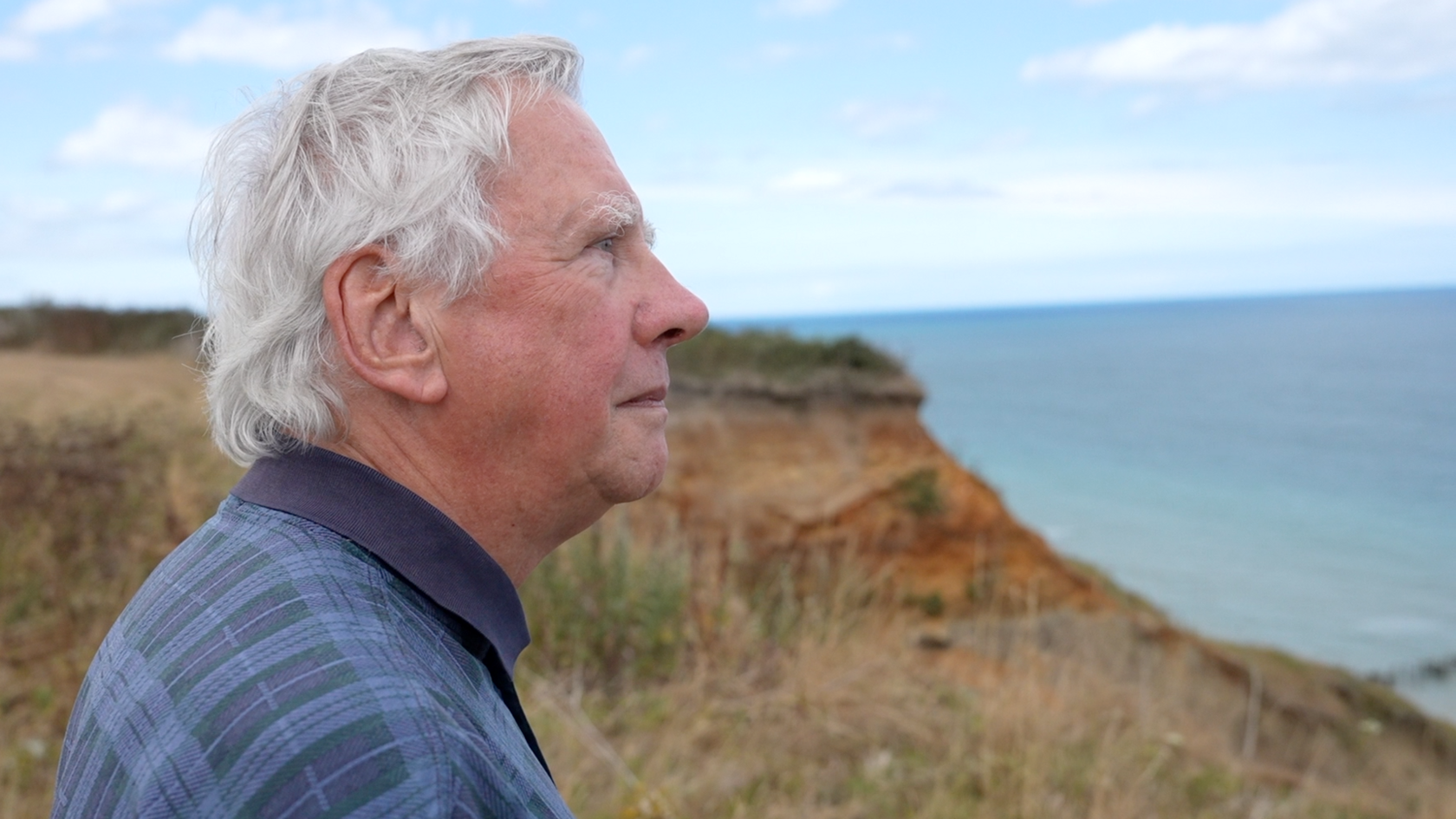
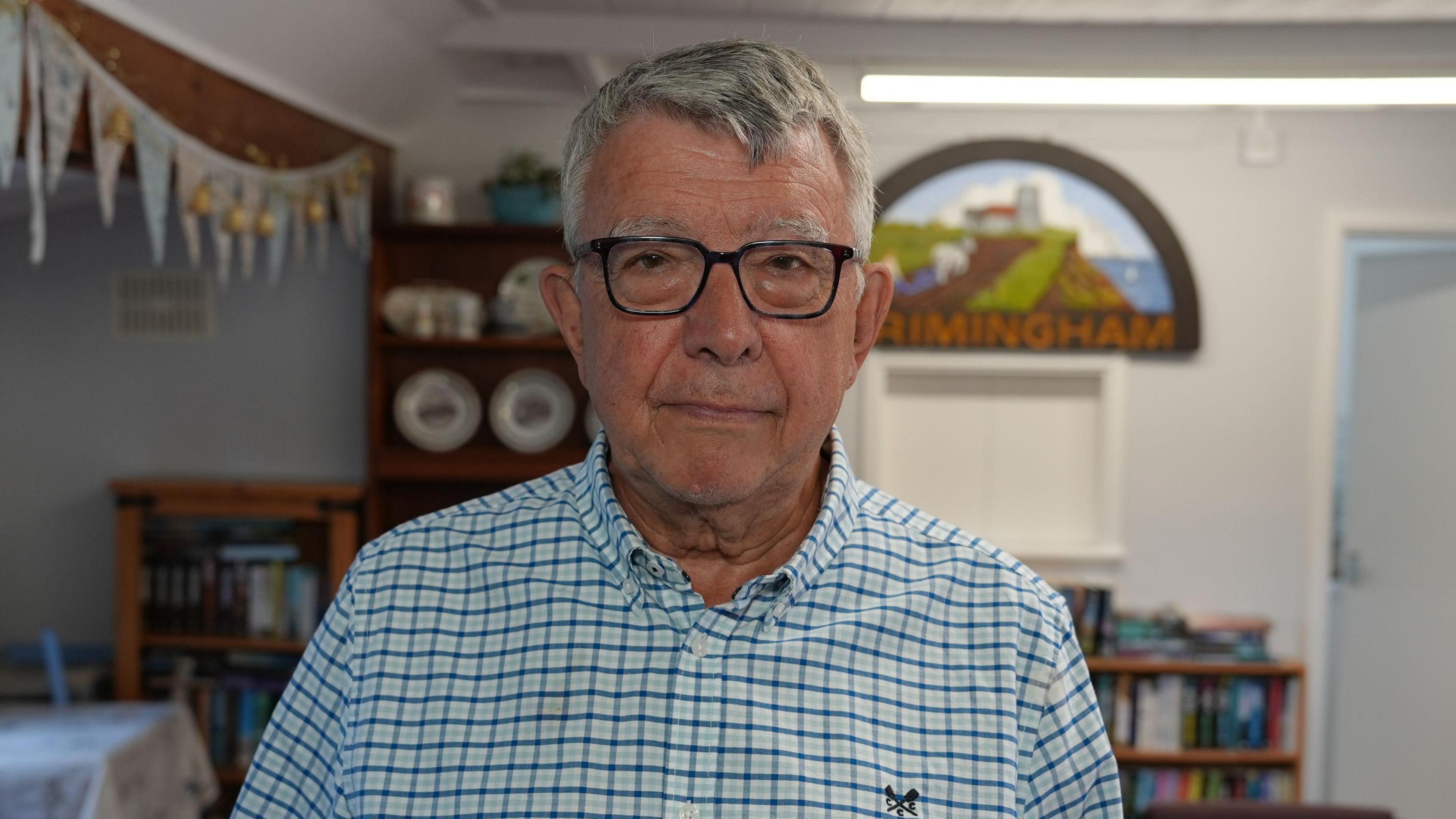
Terry Brown, who moved to Trimingham 17 years ago, purchased his home fully aware of the long-term coastal risks. His commitment to the community’s future is evident in the proactive efforts surrounding the village hall. When he arrived, the original village hall was given a lifespan of only 20 years before it, too, would be threatened by erosion. Rather than waiting for the crisis point, villagers embarked on an ambitious project to construct a new, more robust community hub further inland. While the cliff behind the old hall has, surprisingly, "barely receded" in recent years, Brown stresses the importance of acting before it’s too late. "We’ve got to make sure this village has a future and is able to roll back and continue to be," he asserts, highlighting the community’s forward-thinking approach.
The village hall, serving as the heart of Trimingham’s social life, hosts myriad activities from local meetings to celebratory gatherings, making its preservation or planned relocation crucial for the community’s identity and cohesion. Brown advocates for innovative solutions, such as building social housing within the village specifically designed for residents displaced by erosion. This proposal, however, faces complexities due to Trimingham’s location within the Norfolk Coast Area of Outstanding Natural Beauty (AONB), where development is typically restricted. Navigating these planning challenges while ensuring the social fabric of the village remains intact is a significant task for local leadership. Brown underscores the unpredictable nature of erosion: "Nobody knows how quickly it’s going to go. You come here because you like what you’ve got. You like the surroundings, you like being able to get on the beach, you like the people that live around you… You’ve got to be on your toes. We’ve had little movement through this part of the village but you could wake up tomorrow morning and suddenly you’re faced with something quite dramatic." His vision is for a dynamic community capable of "rolling back" with the coastline, ensuring future generations, including his grandchildren, can still call Trimingham home.
The Hotel: Adapting Business to the Coast
Just a short distance away, in Overstrand near Cromer, businesses are also innovating to withstand the coastal threat. Alex Ponting, the operations manager for the MacKenzie Hotel Group, candidly admits it would be "foolish" to undertake traditional, permanent construction in such an exposed location. This understanding led to a strategic decision two years ago to build five mobile sea-view lodges on the grounds of the Sea Marge Hotel.
These lodges represent a cutting-edge approach to sustainable coastal development. Crucially, they were "built off site and transported," offering an unparalleled degree of flexibility. Ponting explains their ingenious design: "If you take down the wooden cladding you can unbolt them and they are reusable somewhere else." This modular design allows the hotel to adapt its infrastructure as the coastline changes, protecting its investment and ensuring business continuity. For the 30 years the MacKenzie Hotel Group has operated the Sea Marge Hotel, the threat of coastal erosion has been a "constant" consideration. While the specific stretch of coastline directly in front of the hotel has remained remarkably stable, Ponting notes that "to the right and to the left of us there has been some erosion," making adaptive strategies like the mobile lodges not just prudent but essential. This innovative solution allows the hotel to continue offering desirable sea-view accommodations while preparing for the long-term uncertainties of coastal living.
The Sea Wall: Strategic Investment in Protection
Further along the coast, a more traditional, yet equally strategic, defense is underway in Overstrand. A significant investment of £1 million is being allocated to reinforce the existing sea wall, with the aim of safeguarding the village’s properties for another 30 to 40 years. Harry Blathwayt, the portfolio holder for coast at North Norfolk District Council, justifies this substantial expenditure by highlighting Overstrand’s unique characteristics. "Overstrand is a remarkably vibrant and economically viable community so we can actually say, ‘we need to expend this money’ because this is what we are protecting," he explains. This decision underscores a policy of "holding the line" where economic and social value warrants significant investment in hard coastal defenses, distinguishing it from areas where "managed retreat" might be the preferred strategy.
The geology of the Norfolk coast, characterized by soft cliffs of glacial till, sand, and clay, makes it particularly vulnerable to erosion, exacerbated by rising sea levels and increasingly frequent severe storms. Blathwayt acknowledges that sea levels are rising more rapidly than historical predictions suggested 50 years ago, making proactive infrastructure investment crucial. The steel panels and other reinforcements being installed are designed to buy precious decades for the community to plan and adapt further. Despite the ongoing threat, Blathwayt urges a balanced perspective among residents. "I would say there should be a level of concern. Everyone should know the risks they face, but there isn’t anything to stay awake about at night," he reassures. He emphasizes that the council’s strategy is not merely about survival, but about enabling communities to "thrive" amidst these environmental changes. "It’s not a survival issue, it’s how we best thrive and how North Norfolk District Council can support people thriving in this community," he concludes, illustrating the complex, multi-faceted approach required to live with an ever-changing coastline.
The stories from Trimingham and Overstrand collectively paint a picture of communities on the front lines of climate change, where the threat of erosion is a daily reality. From individual resilience and philosophical acceptance to innovative business models and strategic public investment, residents and authorities in Norfolk are demonstrating a dynamic approach to protecting their livelihoods and their way of life against the relentless forces of nature.



 atisusanti
 George Anjay
 Nakalama John

 Ramos Leo