
 George Anjay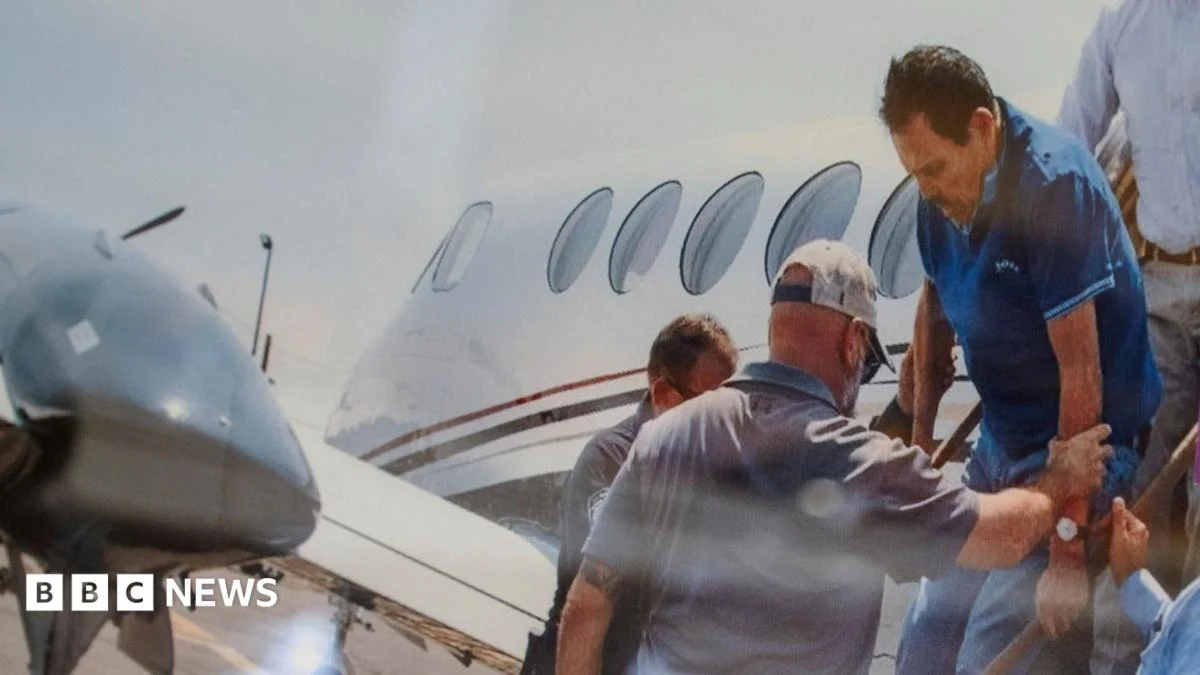
One of the most notorious figures in Mexico’s drug cartels, Ismael "El Mayo" Zambada, will spend the rest of his life in prison, a US judge has ruled, two years after the kingpin was lured to the US in an elaborate sting operation. The 76-year-old, who co-founded the Sinaloa Cartel with the infamous Joaquin "El Chapo" Guzmán, offered a somber apology in court and was also ordered to pay a staggering $15 billion in forfeiture. This landmark sentencing marks the culmination of decades of drug trafficking and violence orchestrated by one of the world’s most elusive and powerful criminal leaders.
The dramatic capture of Zambada, a man who had evaded law enforcement for nearly forty years, occurred in July 2024. In a meticulously planned sting operation, El Chapo’s son, Joaquin Guzmán Lopez, allegedly deceived Zambada into believing they were traveling to northern Mexico to inspect clandestine airstrips. Instead, their flight was rerouted, landing in Texas where Zambada was swiftly apprehended. This sophisticated maneuver, orchestrated by US authorities, finally brought the elusive cartel leader to justice.
Last year, Zambada entered into a plea agreement, admitting to charges of drug smuggling and conspiracy. This crucial decision allowed him to avoid the death penalty, a sentence that had loomed over many high-profile cartel figures. On Monday, US District Judge Brian Cogan formally imposed the life sentence during a hearing in Brooklyn federal court. The terms of his guilty plea mandated a life imprisonment sentence, effectively ending Zambada’s reign as a kingpin.
Speaking through a Spanish translator during the hearing, Zambada expressed remorse for his actions. "I am sorry for the harm I caused and for the example I set," he stated, his voice tinged with regret. He went on to implore future generations to "choose a different path," a stark acknowledgment of the destructive legacy of his criminal enterprise. "If there’s one thing I can say that has value today, it’s this: the violence must end," the former cartel boss declared. "In Mexico and elsewhere affected by this type of crime, too many lives are lost, too many families are destroyed, and too many young people are trapped in a cycle that leads only to prison or death."
The $15 billion forfeiture order represents the vast profits accrued from Zambada’s decades-long involvement in drug trafficking, according to the Department of Justice. This immense sum underscores the scale of the criminal enterprise he helped build and sustain. His capture and subsequent sentencing also cast a spotlight on the ongoing legal proceedings against other members of the Guzmán family. El Chapo’s son, Joaquin Guzmán Lopez, who was arrested in the same sting operation as Zambada, has also pleaded guilty to federal drug charges and is awaiting sentencing.
The plea deal formalized Zambada’s admission of guilt in establishing and leading the vast criminal network that has been responsible for flooding the United States with immense quantities of cocaine, fentanyl, and other illicit drugs since the Sinaloa Cartel’s inception in the late 1980s. US Attorney Joseph Nocella Jr. for the Eastern District of New York issued a forceful statement, asserting, "Ismael Zambada Garcia spent nearly four decades poisoning American communities to make billions of dollars in profit and ordering the murders of anyone who stood in his way. Today, that chapter closes for good."
Prosecutors had argued in their sentencing memo that Zambada was "one of the most—if not the most—prolific and powerful narcotraffickers in the world," as reported by CBS, the BBC’s US partner. His leadership was characterized by extreme violence and ruthlessness, a hallmark of the Sinaloa Cartel’s operations.
The impact of Zambada’s arrest and imprisonment has reverberated within the cartel itself. Since his capture, the Sinaloa Cartel has experienced internal strife, leading to a brutal internal war that has wreaked havoc across the Mexican state of Sinaloa. Reports indicate that hundreds of people have gone missing amidst the violent clashes between rival factions vying for control. This internal conflict mirrors the chaos that ensued after El Chapo’s arrest and extradition to the US in 2016. During that period, various factions within the cartel battled for territorial dominance while simultaneously defending against encroaching rival drug gangs who saw an opportunity to exploit the perceived weakness within the organization. El Chapo himself is currently serving a life sentence in a US prison.
A significant question that has emerged since Zambada agreed to plead guilty concerns the location of his incarceration. He has formally requested to be housed in a prison hospital, citing the need for medical care due to age-related health issues. Reports suggest that Zambada’s health has been in decline in recent years. However, federal prosecutors are advocating for a higher-security facility, arguing that Zambada still poses a significant security threat and could potentially continue to direct illegal drug operations from behind bars. The final decision regarding his placement will be made by the federal Bureau of Prisons, but it appears virtually certain that Zambada will die in US custody.
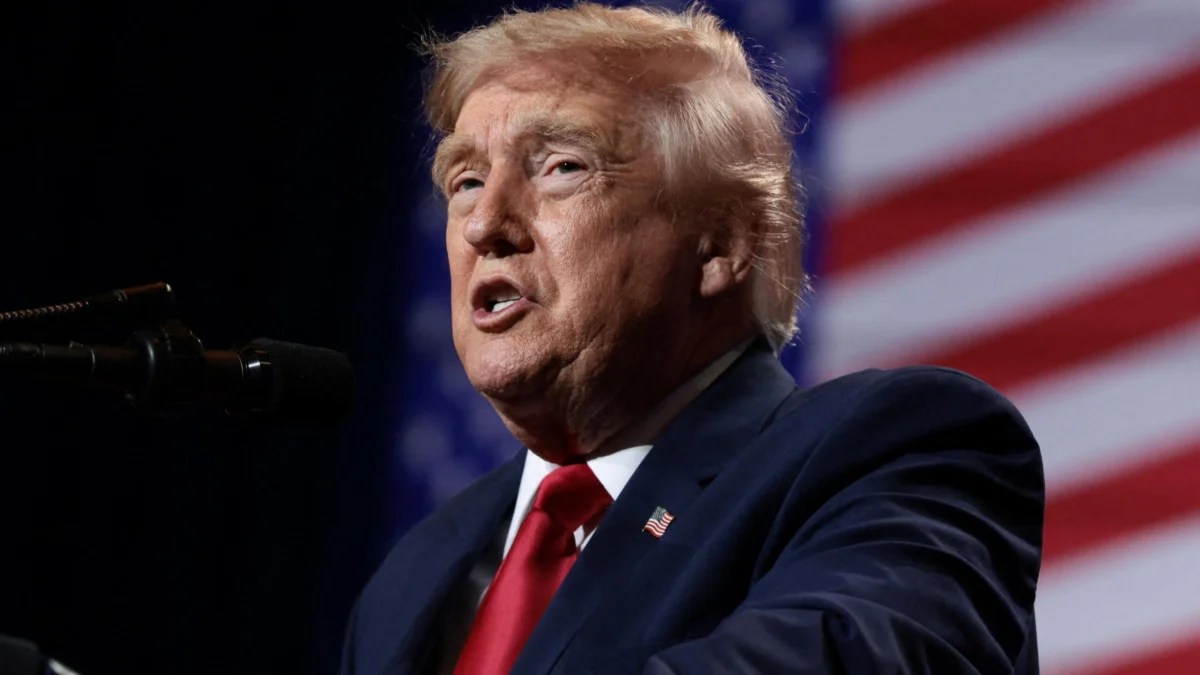
The administration of former US President Donald Trump had previously signaled a tougher stance on Mexican drug cartels. Upon taking office, Trump announced his intention to increase pressure on Mexico and its cartels, including exploring the designation of these criminal organizations as terrorist groups. The US also leveled accusations against the governor of Sinaloa, alleging his conspiracy with drug traffickers. In response, the Mexican government has also intensified its efforts against cartels, deploying thousands of troops to Sinaloa in an attempt to quell the pervasive violence.
The long-term implications of Zambada’s sentencing for the Sinaloa Cartel remain somewhat uncertain. In all probability, it will not fundamentally alter the existing power dynamics within organized crime in Mexico. The world of organized crime is known for its rapid adaptation and the swift emergence of new leaders. Zambada’s former subordinates have likely already adjusted to operating without his direct command. Furthermore, it is unlikely that this development will significantly disrupt the flow of cocaine and fentanyl into the United States. The persistent demand for these drugs and the inherent structure of the drug trade ensure that there will always be individuals ready to assume leadership roles, even from the position of such an influential figure as El Mayo Zambada. The cycle of drug trafficking and violence, unfortunately, is deeply entrenched, and the capture of one leader, however significant, rarely signals the end of the enterprise. The cartel’s infrastructure, its established routes, and its vast network of operatives are resilient. The void left by Zambada will, in all likelihood, be filled by another ambitious and ruthless individual, perpetuating the ongoing struggle against these powerful criminal organizations.



 Roy Suryo

 Nakalama John
 atisusanti
 Ramos Leo
