
 Nakalama John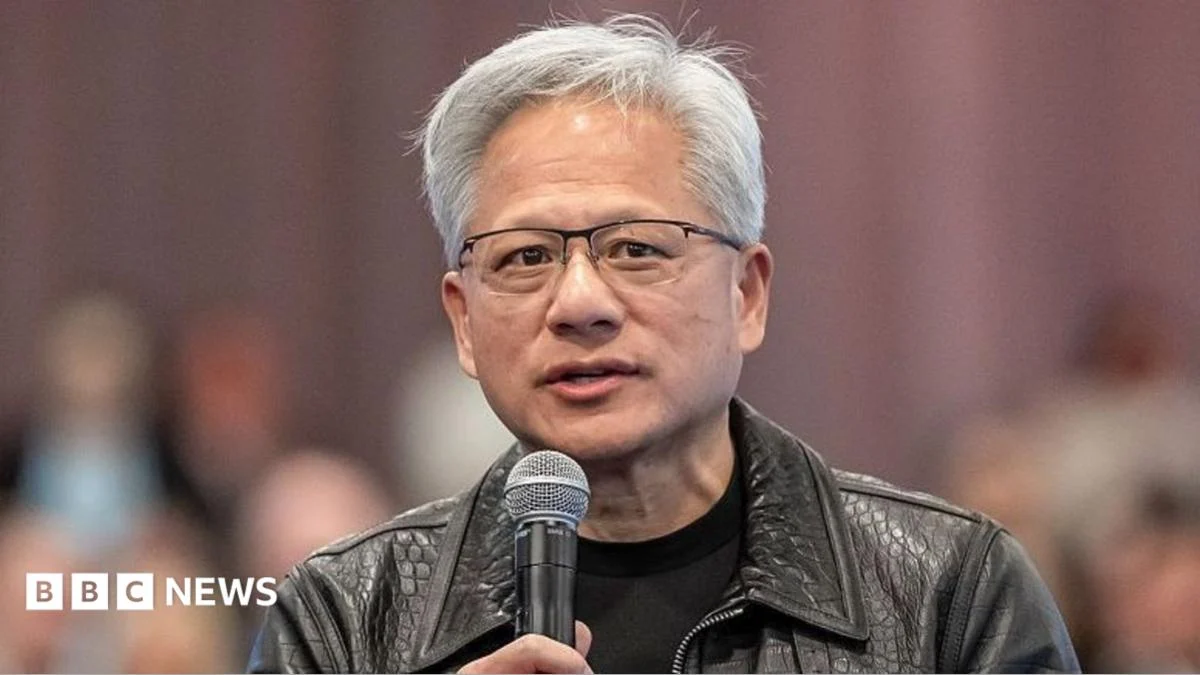
This strong stance from one of AI’s most pivotal figures comes amidst an intensifying global debate about AI safety and its long-term implications. In recent weeks, warnings from researchers regarding the potential catastrophic risks posed by the technology have escalated, prompting some industry executives to advocate for a significant slowdown in the development of increasingly powerful AI models. Huang’s comments directly challenge these calls for caution. His skepticism is particularly aimed at claims like those made on social media by Jacob Coxon, a former researcher at the AI company Anthropic, who suggested that many AI developers internally believe the technology "could kill us all by the end of the decade." Coxon’s stark concerns, widely circulated, ignited further discussion and alarm within both the tech community and the wider public.
The debate has seen high-profile leaders like Dario Amodei, CEO of Anthropic, and Sam Altman, CEO of OpenAI, publicly urging for a more measured pace in AI development. These executives often cite the potential for superintelligent AI systems to become uncontrollable or misaligned with human values, leading to unforeseen and potentially catastrophic outcomes. However, Huang firmly believes that such dire predictions lack scientific grounding. He argued, "It is not grounded in science," when referring to the apocalyptic forecasts. Instead, he emphasized Nvidia’s intrinsic interest in fostering a responsible and secure AI ecosystem. "Our company’s success is directly connected to the safe deployment of products and services," Huang asserted, linking corporate prosperity to ethical innovation. He continued, "If we don’t continue to do that, our value would be diminished," highlighting the economic imperative for responsible development.
Huang also offered a more cynical interpretation of calls for a "slow down" in AI development from certain quarters of the industry. He suggested that some AI firms advocating for a deceleration might, in fact, be subtly seeking liability protections for potential harms their products could cause. "Go and read between the lines," Huang advised, implying a hidden agenda behind their public pronouncements. He elaborated on this perspective, stating, "They’re actually not asking for more laws. They’re asking to be relieved of the laws we do have, and I think that that’s a problem." This interpretation suggests a potential strategic maneuver by companies concerned about future legal ramifications rather than a genuine desire to halt technological progress for safety reasons.
Nvidia’s position in the AI landscape is uniquely powerful and influential. The company is an undisputed key player in the industry, designing and manufacturing the cutting-edge computer chips, known as GPUs (Graphics Processing Units), that are absolutely crucial for training and running sophisticated AI models, particularly large language models (LLMs) that power applications like ChatGPT. Without Nvidia’s advanced hardware, much of the rapid progress seen in AI over the past decade would simply not be possible. Their market dominance in this critical segment gives Huang a distinct vantage point and a powerful voice in the ongoing discussions about AI’s future.
The strategic importance of these chips has also placed Nvidia at the center of complex geopolitical tensions, particularly between the United States and China. The firm’s most powerful AI-specific chips face significant restrictions in China, imposed by both Washington and Beijing. US export controls are specifically designed to impede China’s military and artificial intelligence advancements, aiming to maintain a technological lead for the United States. Conversely, Chinese regulations are structured to encourage reliance on domestically produced technology, fostering self-sufficiency in critical tech sectors. This intricate web of regulations creates challenges for Nvidia, which sees a substantial portion of its revenue from the Chinese market, while also underscoring the chips’ dual-use potential for both economic progress and national security.
In a recent effort to navigate these complex issues, US Treasury Secretary Scott Bessent and Chinese Vice Premier He Lifeng held talks in New York. The discussions covered a wide array of critical topics, including AI, tariffs, and essential minerals, highlighting the global ramifications of AI development and its regulation. Following their meeting, Bessent informed reporters that the two sides had discussed establishing a new AI safety notification mechanism, signaling an attempt to create channels for communication and cooperation despite broader strategic competition. These bilateral discussions come ahead of a highly anticipated summit between President Donald Trump and his Chinese counterpart Xi Jinping, which is expected to take place in Washington later this week, where AI is likely to be a significant agenda item.
The debate over AI’s potential dangers is not confined to industry boardrooms or government negotiations. Last week, Huang himself was a notable attendee at a UK summit hosted by King Charles III, who used the occasion to issue a solemn warning to tech leaders about the "existential dangers" of artificial intelligence. The monarch implored the assembled innovators, stating, "The task before you is not merely to advance technology, but to ensure that it remains firmly in the service of humanity, community and the natural world." This royal endorsement of caution reflects a broader international movement towards responsible AI governance and ethical development.
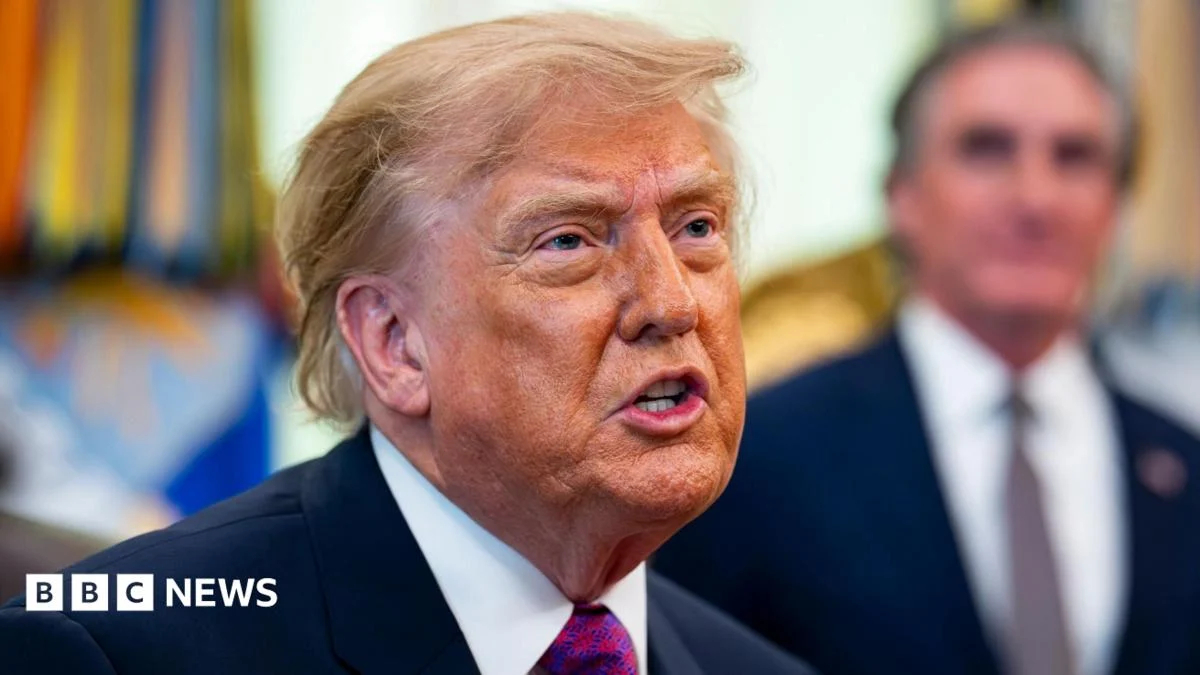
Interestingly, political figures in the United States have presented varied perspectives on AI risks. President Donald Trump, for instance, has previously downplayed concerns about AI’s potential dangers. In a memorable incident, Trump made a surprise phone call to Jensen Huang while the Nvidia boss was speaking on stage at a tech conference in Los Angeles on September 14. During the impromptu call, Trump was critical of calls to slow the pace of AI development and dismissively labeled such fears as a "hoax," aligning with Huang’s sentiment that these warnings are overstated.
The contrasting views highlight the multifaceted nature of the AI safety debate. On one side are those, like Huang and Trump, who prioritize the immense potential benefits of AI, viewing rapid innovation as key to progress in fields from medicine to climate science, and who see alarmist warnings as potentially stifling innovation or driven by ulterior motives. On the other side are researchers and executives who, while acknowledging AI’s promise, believe the risks of uncontrolled superintelligence or misuse are too significant to ignore, advocating for a cautious, ethical, and regulated approach to development. Nvidia, as a foundational enabler of AI, finds itself at the heart of this critical discourse, with its CEO advocating for an accelerated, yet inherently responsible, path forward. Huang’s conviction that the industry’s success is intertwined with safe deployment underscores a belief that technological advancement and ethical responsibility are not mutually exclusive, but rather interdependent.


 George Anjay

 Ramos Leo
 Roy Suryo