Nakalama John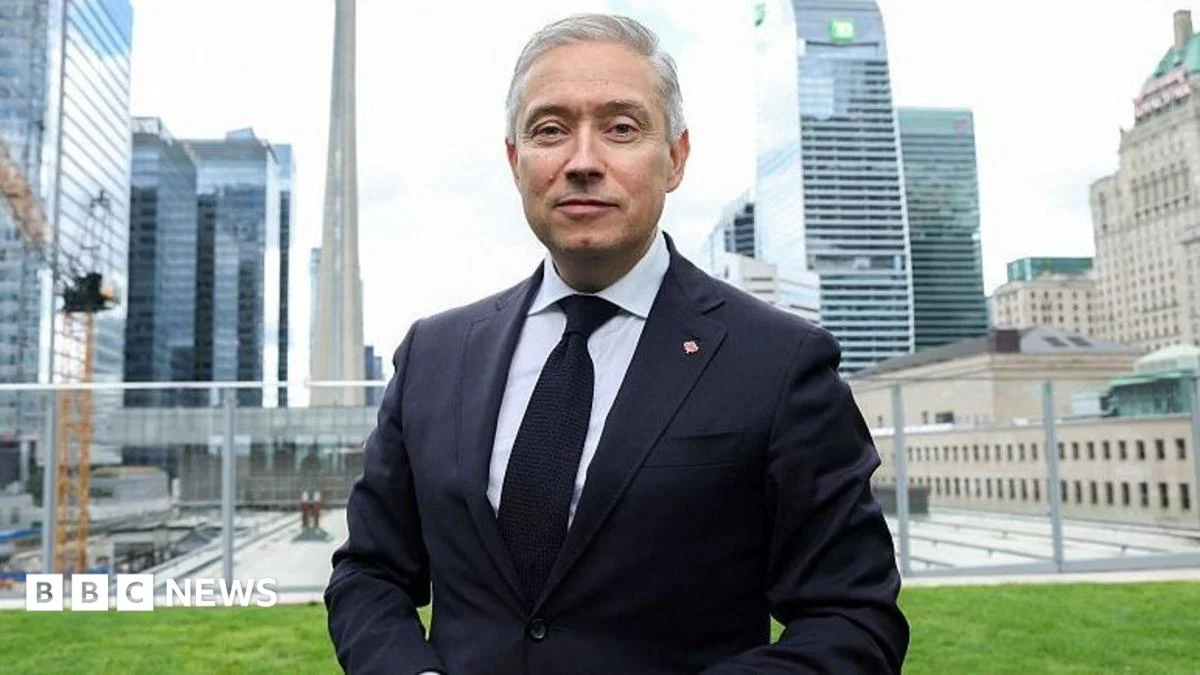
Canadian Finance Minister François-Philippe Champagne has strongly advocated for the United Kingdom to join a proposed economic alliance between Canada and Europe, framing it as a crucial strategic move in a rapidly evolving global landscape. "This is all about the substance, to build an alliance of the future," Champagne declared to the BBC, emphasizing the necessity for adaptation. "The world has changed. America has changed. So we need to change." His comments underscore a growing sentiment among like-minded nations that traditional geopolitical alignments are shifting, requiring innovative partnerships to safeguard economic interests and shared values.
Champagne’s remarks come at a pivotal moment, as Canada finds itself in an escalating trade dispute with the United States, a conflict that has compelled Ottawa to reassess its economic dependencies. The Canadian minister offered a candid assessment of the ongoing Canada-US trade war, which saw a potential deal collapse last month, leading to reciprocal tariffs. He affirmed Canada’s resolute stance, stating the country had "stood up for our industries, our workers, our country" by imposing tariffs in response to what it viewed as unwarranted protectionist measures. This assertive posture highlights a broader commitment to economic sovereignty and the protection of domestic sectors against external pressures.
The call for the UK to join this burgeoning alliance follows a significant proposal from European Commission President Ursula von der Leyen, who suggested "opening the door" to an associate EU membership for Canada. This unprecedented move for the bloc signals a potential reimagining of its external relationships, moving beyond traditional full membership models to forge deeper ties with strategic partners. The foundation for such an arrangement could build upon the existing Comprehensive Economic and Trade Agreement (CETA) between Canada and the EU, which has already fostered closer economic links.
Canadian Prime Minister Mark Carney’s recent visit to address the European Union in Strasbourg, shortly after von der Leyen’s proposal, was explicitly aimed at "building the alliance of the future," according to Champagne. Carney, a prominent figure known for his tenure as the former Governor of the Bank of England, has long championed the concept of an alliance of "middle powers." He envisions these nations working collaboratively on critical global challenges such as economic growth, resilience, and security, creating a bulwark against protectionism and geopolitical instability. This vision appears to be gaining traction as international trade tensions mount and the need for diversified partnerships becomes more acute.
Speaking to the BBC, Champagne highlighted the profound alignment in values between the UK and Canada, seeing this as a natural basis for a closer partnership. "We need to look at partnership in a different way, and the great thing is that when you look at Canada, and I would say the United Kingdom, we share the same values. We are very aligned in our vision of the world. Why don’t we team up?" he posed, emphasizing the mutual benefits. "We are independent and sovereign, but we are stronger together." This shared cultural heritage, democratic governance, and commitment to multilateralism provide a strong framework for deepening cooperation. Both nations are parliamentary democracies, members of the Commonwealth, and have long-standing ties that could be leveraged for a strategic alliance.
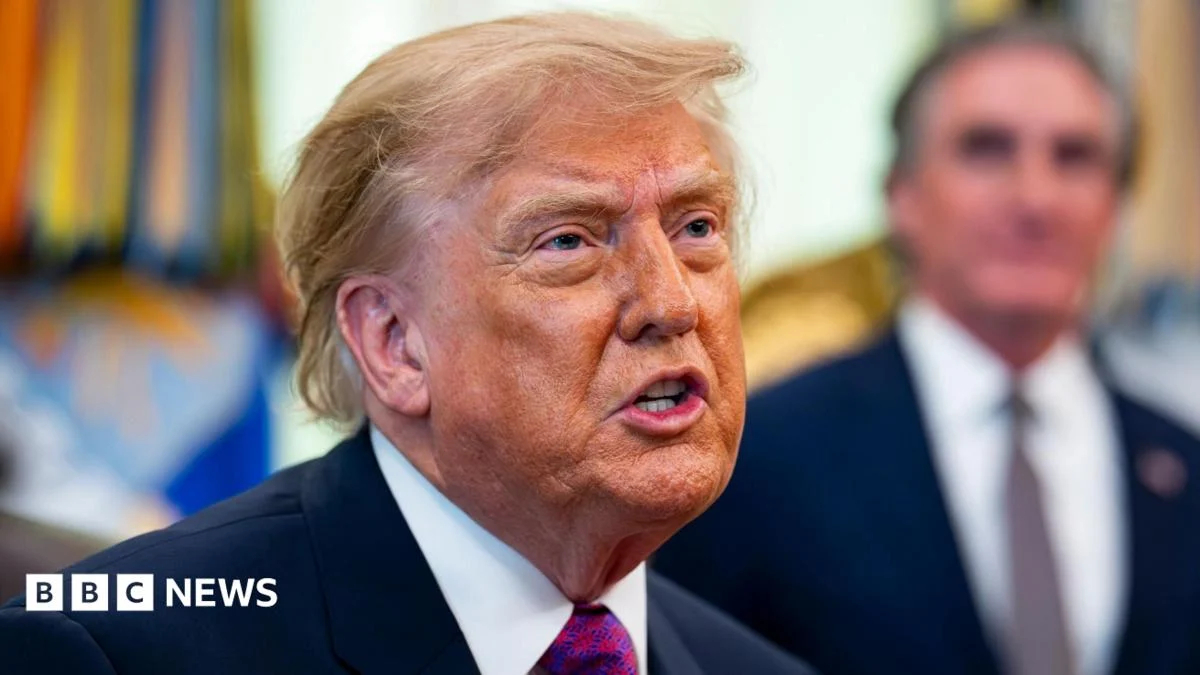
The backdrop to these discussions is a period of significant disruption in global trade. Following his return to the White House last year, US President Donald Trump implemented sweeping global tariffs, impacting even long-standing trade allies like the UK. While the UK successfully renegotiated a trade deal with the US in June of last year, the emerging Canada-EU alliance inevitably raises complex questions for the UK’s post-Brexit strategic positioning. It necessitates a careful balancing act between maintaining its "special relationship" with the US and forging new, robust ties with European partners and other global allies. Recent shifts in presidential rhetoric from the US regarding sensitive issues such as the Falklands and Irish unity have only added layers of complexity to the UK’s foreign policy considerations, underscoring the imperative for diversified alliances.
Adding to the diplomatic flurry, Prime Minister Carney met with UK Prime Minister Andy Burnham in Liverpool during his trip to Brussels and Strasbourg last week, signaling high-level engagement on these proposals. Concurrently, Canadian Finance Minister Champagne attended a meeting of EU finance ministers in Dublin, alongside UK Chancellor John Healey, further cementing the collaborative spirit. These meetings indicate a concerted effort to explore the practicalities and potential synergies of such an alliance.
The developing discussions around closer ties between the EU and Canada are directly influenced by Canada’s ongoing trade war with the US. Both sides have been engaged in imposing tit-for-tat tariffs after talks broke down at the last moment in August, with specific measures targeting key industries like steel and aluminum. This dispute has placed significant pressure on Canadian exporters and industries, prompting the government to explore alternative markets and alliances. President Trump has also publicly criticized the proposed Canada-EU associate membership, threatening further tariffs on the EU if the plan proved "hostile" to the US. He disparagingly called the idea "laughable" and labeled Canada a "terrible trading partner," reflecting his protectionist stance and skepticism towards multilateral economic blocs.
Champagne reiterated that the trade war was not a conflict chosen by Canada, but rather a necessary response to protect national interests. "We responded because at some stage you have to say ‘Enough is enough’. No one can infringe on our economic sovereignty… the world took notice," he asserted, signaling Canada’s determination to defend its economic autonomy. The minister emphasized that Canada does not seek escalation following its "measured, targeted and strategic… dollar for dollar, tariff for tariff" response. He indicated a willingness to "reengage at the right time" with its southern neighbor, while simultaneously reassuring affected industries that they would be supported "as long as it takes and whatever it takes."
Champagne argued that Canada’s strong fiscal position provides a solid foundation for its resilience during economic disputes. Furthermore, he framed the dispute with the US as a "golden opportunity" for Canada to strategically diversify its economy and reduce its reliance on a single trading partner. This strategic imperative forms the core of the "alliance of the future" between Canada and the EU, and the compelling invitation for the UK to join this expanded partnership. It represents a proactive strategy to build economic security through broadened trade relationships and shared technological development.
In a related diplomatic move, UK Prime Minister Burnham is scheduled to meet President Trump for the first time this week at the UN General Assembly in New York, providing another platform for discussions on international trade and alliances. This meeting will be closely watched for any implications it might have for the UK’s relationship with both the US and the emerging Canada-EU bloc.
Last year, in a move widely interpreted as a symbolic rebuff to Trump’s repeated suggestions that Commonwealth Canada could become part of the US, Prime Minister Carney invited King Charles to open the Canadian Parliament in Ottawa. This gesture underscored Canada’s commitment to its independent sovereignty and its historical ties, distinct from its relationship with the United States.
While the detailed specifics of the EU’s offer to negotiate "associate membership" for Canada are yet to be formalized, Champagne characterized this period as "a moment of great opportunities" to strengthen the existing robust relationship between Canada and the EU. Prime Minister Carney, during his recent visit, highlighted several potential areas of cooperation. These include Canadian membership in EU university, scientific research, artificial intelligence (AI), and defense funding schemes, fostering deeper collaboration in innovation and security. He also envisioned programs for young Canadians and Europeans to "cross the ocean and be able to study and live," enhancing cultural exchange and talent mobility. Economically, Carney emphasized Canada’s potential to supply critical minerals and gas to Europe, while seeking access to European advanced technologies, creating a mutually beneficial exchange.
Both Canada and the EU reportedly view this initiative as a potential template for a process allowing other like-minded nations, which may not ever seek full membership, to forge closer ties with the bloc. This includes countries such as Australia, indicating a broader vision for a network of democratic, market-oriented economies cooperating on a range of issues, from trade and technology to security and climate change. This flexible approach to international alliances reflects a pragmatic response to the challenges of the 21st century, prioritizing shared values and strategic interests over rigid institutional frameworks.



 Roy Suryo
 George Anjay