Nakalama John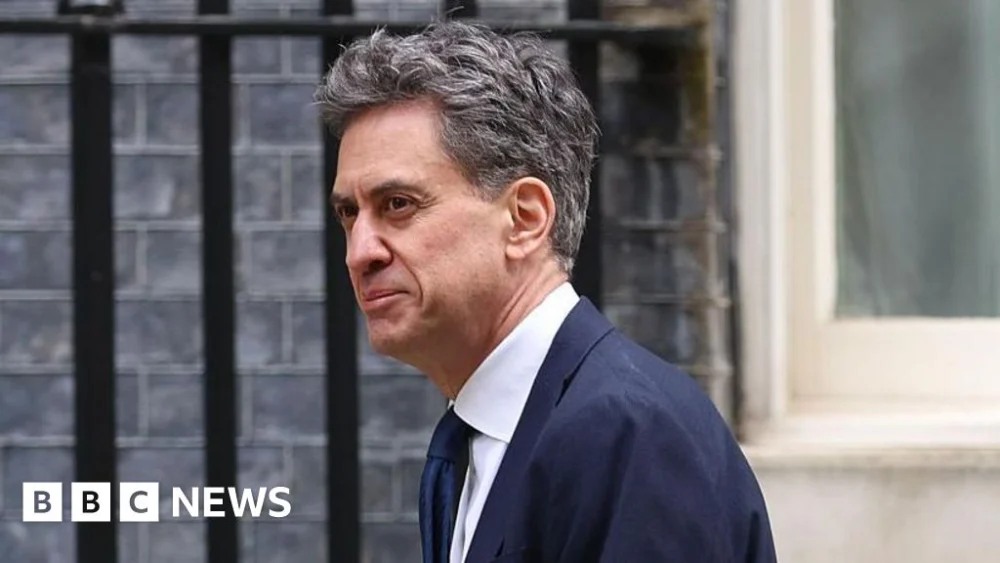
The government has issued a stern warning to energy companies, declaring that it "will not tolerate" any firm seeking to exploit the current volatility in global oil markets for undue profit. Energy Secretary Ed Miliband, speaking to the BBC, emphasized that the Competition and Markets Authority (CMA) stands ready to intervene swiftly to prevent what he termed "rip-offs" at the petrol pump and in heating oil markets. This decisive stance comes amidst widespread public concern over soaring energy costs, which are directly impacting household budgets as the price of crude oil rockets due to escalating conflict in the Middle East.
The ongoing geopolitical instability in the Middle East, particularly the effective embargo in the critical Straits of Hormuz – a choke point through which a significant portion of the world’s oil supply passes – has sent shockwaves through global energy markets. This has translated rapidly into higher prices for consumers, with households reliant on heating oil already grappling with substantially increased bills, and petrol pump prices seeing noticeable rises across the country. The government is under immense pressure to demonstrate a clear strategy to shield consumers from these external shocks, both in the immediate term and through more robust long-term energy security measures.
Miliband did not rule out the possibility of direct financial support for households or an extension of the current freeze on fuel duty, should the conflict and its ripple effects on oil prices persist. Such measures would aim to alleviate the immediate burden on families and businesses already contending with broader cost-of-living pressures. The current fuel duty freeze is slated to expire in September, and its potential extension or even further cuts are now firmly on the government’s agenda for review. However, the shadow transport secretary, Richard Holden, was quick to criticize the government’s approach, accusing Chancellor Rachel Reeves of a lack of decisive action to ease the financial strain on consumers. Holden argued that the Chancellor "could cancel the fuel duty rise, she could cut the taxes piled on to energy, she could stop piling costs on to the price of fuel – but she isn’t doing anything because she doesn’t have the backbone." He highlighted the impact a 5p-per-litre duty increase would have on commuters, families, and small businesses already facing significant economic pressure.
Beyond immediate financial relief, the crisis has also reignited the debate surrounding the UK’s long-term energy strategy and its commitment to net zero targets. Miliband staunchly defended the government’s current trajectory, pushing back against calls to alter its net-zero course. He argued passionately that the UK must break free from the "fossil fuel rollercoaster" by embracing "clean, homegrown power that we control." For Miliband, this strategy represents the "biggest long-term lesson of this crisis," offering genuine energy independence and stability. He reiterated that new exploration licenses in the North Sea, advocated by some energy companies and industrialists as a response to the current oil price shock, would not translate into "a penny off people’s bills" and would detract from the imperative to develop sustainable, domestic energy sources. The government’s existing strategy, he affirmed, involves continuing to produce oil and gas from currently operating fields, but not permitting new ones, aligning with both energy security and climate change objectives.
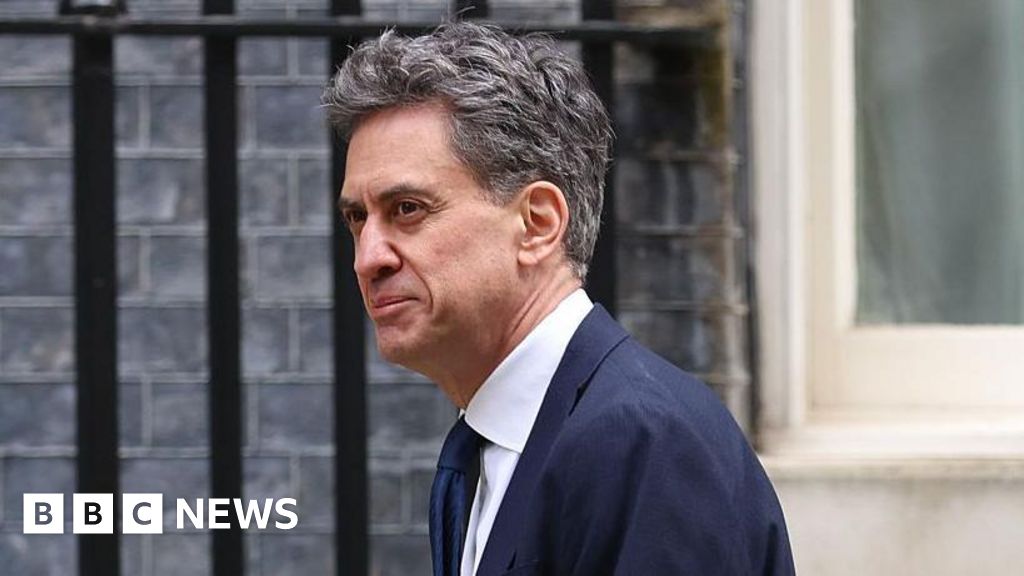
In a tangible step towards bolstering long-term energy security, Miliband is scheduled to launch a fast-track process for the construction of new nuclear power stations on Friday. Historically, nuclear projects in the UK have been plagued by significant delays, spiralling costs, and extensive bureaucratic red tape. This new initiative aims to streamline approvals and accelerate development, recognizing nuclear power’s crucial role in providing reliable, low-carbon baseload electricity. However, the urgency of the current situation demands more immediate action, particularly concerning rising petrol and heating oil prices. To address this, Miliband and Chancellor Reeves are due to meet with petrol retailers later in the day.
During this crucial meeting, the ministers will deliver a clear message to the industry: the Competition and Markets Authority (CMA) is on "high alert" for any unjustifiable price increases. Reeves previously highlighted significant discrepancies in petrol prices, noting variations between £1.27 per litre and £1.80 per litre on different forecourts, raising concerns about potential market inefficiencies or exploitative practices. Miliband expressed deep concern over these disparities, confirming that he and the Chancellor had already met with the CMA earlier in the week to specifically discuss the markets for heating oil and motor fuels. "They’re looking at the situation carefully. They are willing to intervene," Miliband stated, adding unequivocally, "We will not tolerate unfair practices, price gouging."
The CMA possesses a robust array of powers, including the authority to impose substantial fines on firms found to be engaging in anti-competitive or exploitative behaviour. Miliband reinforced this, asserting, "It’d be completely unacceptable for anyone to use this crisis, to rip people off. And we will fight people’s corner to stop that happening." He underscored the government’s commitment to ensuring fair play in the market, particularly when consumers are most vulnerable to external economic shocks.
Looking ahead, Miliband indicated that any further government steps to support households financially would be contingent on the duration and intensity of the Middle East conflict. He pointed to the Chancellor’s "willingness to intervene" demonstrated in previous budgets, citing moves in November to ease energy bills with additional, targeted financial support for vulnerable households. This suggests a precedent for intervention if conditions warrant. However, the political pressure continues to mount, with Richard Holden reiterating the Conservative shadow minister’s call for the Chancellor to reconsider the planned fuel duty rise. Holden warned that the "latest developments in the Middle East make it even more important that the Chancellor thinks again," emphasizing the need for proactive measures to protect the public from further economic strain. The government, therefore, faces the delicate balancing act of managing an immediate cost-of-living crisis exacerbated by global events, while simultaneously driving forward its long-term strategy for a secure and sustainable energy future.



 Roy Suryo
 George Anjay
 Ramos Leo