Ramos Leo
A sweeping initiative to fundamentally restructure local government across England has been abruptly put on hold, as the government announced a comprehensive review in the wake of new, significant legal advice. The dramatic pause means that ambitious proposals aimed at merging smaller councils into larger, unitary authorities in key regions – specifically Essex, Hampshire, Norfolk, and Suffolk – have been immediately withdrawn. Furthermore, the future of reorganisation plans for an additional fourteen areas, which were on the cusp of implementation, will now also be subject to an intensive review and temporary suspension. This widespread halt signals a significant policy U-turn and introduces a period of considerable uncertainty for countless local authorities and the communities they serve.
The only exception to this nationwide pause is the reorganisation process in Surrey, where councillors for two newly formed unitary authorities were already elected in May. Due to these advanced stages of implementation and democratic mandate, the changes in Surrey will proceed as planned, unaffected by the broader governmental review. For the rest of the country, the immediate implication is that local elections scheduled for May 2027 will now proceed on the existing council boundaries, shelving any previously anticipated redrawings or consolidations.
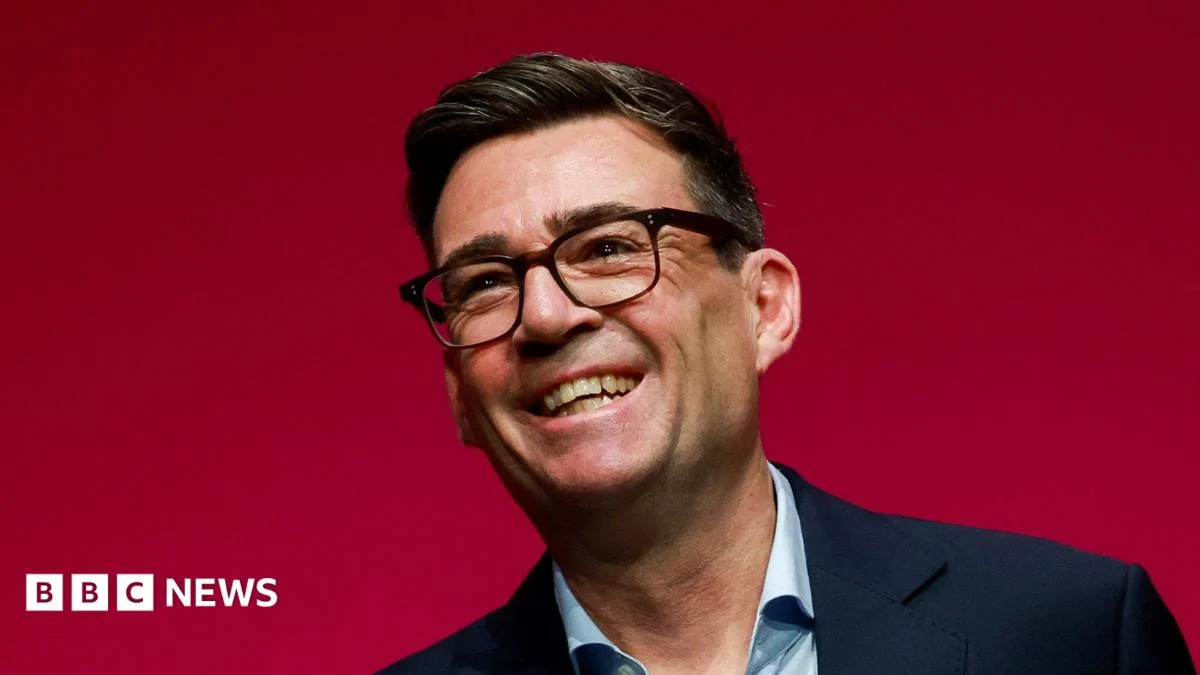
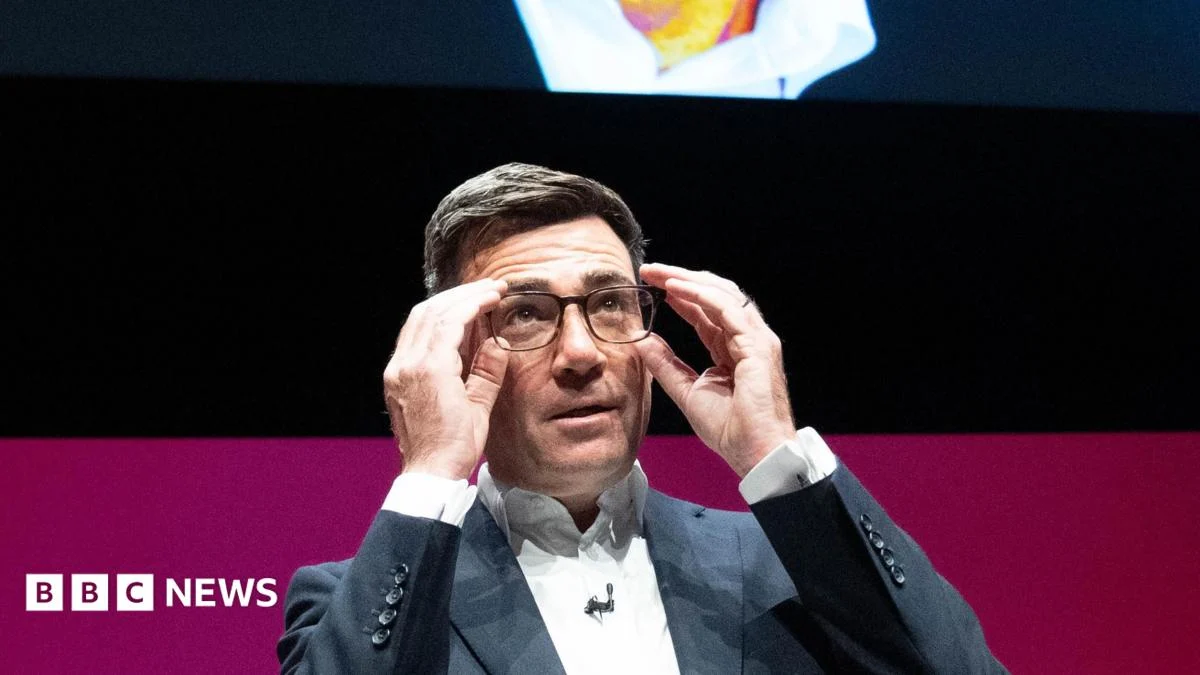
Confirming the review to a packed Parliament, Local Government Secretary Angela Rayner articulated the government’s rationale, stating that "in light of legal advice, I want to satisfy myself firstly that the right process is in place, that it is robust, and of course complies with the law." This pointed reference to legal compliance suggests serious concerns about the legality or procedural integrity of the previous plans. Rayner further elaborated on the broader strategic shift, adding: "And secondly, I want to fully test whether our proposals for local government reorganisation meet the priorities of a new administration and a new prime minister and any additional considerations." This statement unequivocally links the review to the recent change in leadership, with new Prime Minister Andy Burnham’s stated commitment to devolving power closer to communities being a key guiding principle.
Rayner acknowledged the announcement would undoubtedly be "disappointing" for many stakeholders, particularly those who had invested significant time and resources into the previous proposals. However, she was quick to reaffirm the government’s underlying ambition, insisting that they were "determined more than ever to devolve power closer to the people we represent" – a cornerstone priority of the new Prime Minister Andy Burnham’s agenda. This suggests that while the current mechanism for reorganisation is under scrutiny, the broader aim of empowering local communities remains firmly on the government’s radar, albeit potentially through different means.
The now-halted plans trace their origins back to the administration of former Prime Minister Sir Keir Starmer. At that time, Angela Rayner herself held the portfolio of local government secretary, initially spearheading the drive towards widespread unitary councils. She was later replaced in the role by Steve Reed, who continued to champion the proposals. This historical context underscores the political shift, as a policy initiated and vigorously pursued by one government is now being re-evaluated under a new leader, even if from the same party. Indeed, the government had already been facing a growing wave of legal challenges pertaining to its proposals for council reorganisation in the aforementioned counties of Essex, Hampshire, Norfolk, and Suffolk.
The severity of these challenges became apparent in June, when Reform-led councils in Essex, Norfolk, and Suffolk collectively launched judicial reviews against the government’s plans. Almost simultaneously, the Conservative-led administration in Hampshire initiated its own legal proceedings, indicating a broad cross-party opposition at the local level. These legal actions sought to challenge the legality and procedural fairness of the government’s approach, effectively creating a legal minefield that the administration was forced to navigate.
The political reaction to the government’s climbdown was swift and largely critical. Nigel Farage, leader of Reform UK, wasted no time in claiming credit for the government’s retreat. "Reform UK not only argued that this government’s plans for local government reorganisation were an unmitigated disaster, but we once again put our money where our mouth is," Farage declared, highlighting his party’s proactive legal challenge. He added, "Thanks to our judicial reviews in affected Reform-led councils, the government has backed down on their plans yet again," framing the decision as a direct victory for his party and local democracy.
Conservative shadow local government minister David Simmonds did not hold back, branding the entire episode a "humiliation" for the government. Simmonds asserted, "Ministers are only backing off because they have been found out in the face of relentless Conservative opposition to their gerrymandering." His use of the term "gerrymandering" suggests an accusation that the reorganisation plans were politically motivated, designed to reshape local electoral landscapes to the government’s advantage.
Liberal Democrat local government spokeswoman Zöe Franklin echoed the sentiment of disarray, characterising the situation as an "embarrassing and chaotic climbdown." Franklin further criticised the government for the financial implications of their policy reversal, stating that it "has resulted in already cash-strapped councils wasting huge sums on plans the government told them were legally watertight." This highlights the significant public expenditure and wasted effort by local authorities who were following governmental directives.
Representatives from local government bodies, however, expressed a more nuanced, albeit generally positive, reaction. Sean Matthews, from the County Councils Network, welcomed the decision, stating, "Many of our members will be relieved that the decisions they viewed as damaging to local services and financially unsustainable have been withdrawn or are being reviewed." This suggests that many existing county councils felt the proposed changes would have been detrimental to their ability to deliver essential services and maintain fiscal responsibility.
A spokesperson for the Local Government Association (LGA), the national body representing councils across England, acknowledged the diverse views held by local authorities regarding the reorganisation plans. However, the spokesperson unequivocally stated, "there is no excuse for the government’s mishandling of this process." The LGA spokesperson further warned that Rayner’s announcement "will have caused significant uncertainty, after councils have invested scarce public money and countless hours" in the reorganisation programme, underscoring the disruption and resource drain experienced by local authorities.
Local government in England is, notoriously, a complicated and varied patchwork of administrative arrangements, which the original proposals sought to simplify. In some areas, a two-tier system prevails, where responsibility for local services is shared between county councils – which typically manage larger, strategic areas like social care, education, and highways – and district councils, which cover smaller geographical areas and are responsible for services such as bin collections, planning applications, and leisure facilities.
In contrast, other regions, particularly larger towns and many cities, operate under "unitary" authorities. These councils combine the responsibilities of both county and district councils, offering a single point of contact for residents and a more integrated approach to service delivery. Adding another layer of complexity, regions surrounding major cities are increasingly governed by directly elected regional mayors and multi-council "combined" authorities. These combined authorities possess greater devolved powers in critical areas such as transport policy, strategic planning, economic development, and housing, reflecting a trend towards regional governance.
The original vision for this major overhaul was outlined in late 2024, when Angela Rayner, then as local government secretary, announced ambitious plans to transition towards unitary councils across the entirety of England. This initiative envisioned a comprehensive redrawing of council boundaries and the abolition of smaller district councils, aiming for a more streamlined and ostensibly efficient system. The government at the time argued that these proposals would simplify the convoluted local government structure, generate substantial savings through economies of scale and reduced administrative overheads, and ultimately make the delivery of public services more efficient. Crucially, the plans were also presented as a mechanism for handing new powers from Westminster to regions across the country, aligning with a broader devolution agenda.
However, these plans were not without their detractors. Critics vehemently argued that the proposed reorganisation would, contrary to government claims, fail to generate significant savings and would instead divert already scarce resources from crucial front-line services. Concerns were also raised that the creation of larger, more remote unitary authorities would lead to councils becoming more distant and less accountable to their local communities, potentially diminishing local democracy and citizen engagement.
Under Sir Keir Starmer’s premiership, the government had been pushing ahead with these proposals with considerable momentum. In a particularly notable development in July – just days before Andy Burnham assumed the role of prime minister – Rayner’s successor as secretary of state, Steve Reed, had announced specific plans for new councils in fourteen additional areas. The timing of this announcement, so close to a change in leadership, underscores the speed at which the policy trajectory has now shifted, leaving a trail of uncertainty and a significant policy void in its wake. The comprehensive review now underway will determine the future direction of local governance, with all eyes on how the new administration intends to reconcile its commitment to devolution with the practicalities of a complex and politically charged landscape.


 Roy Suryo