George Anjay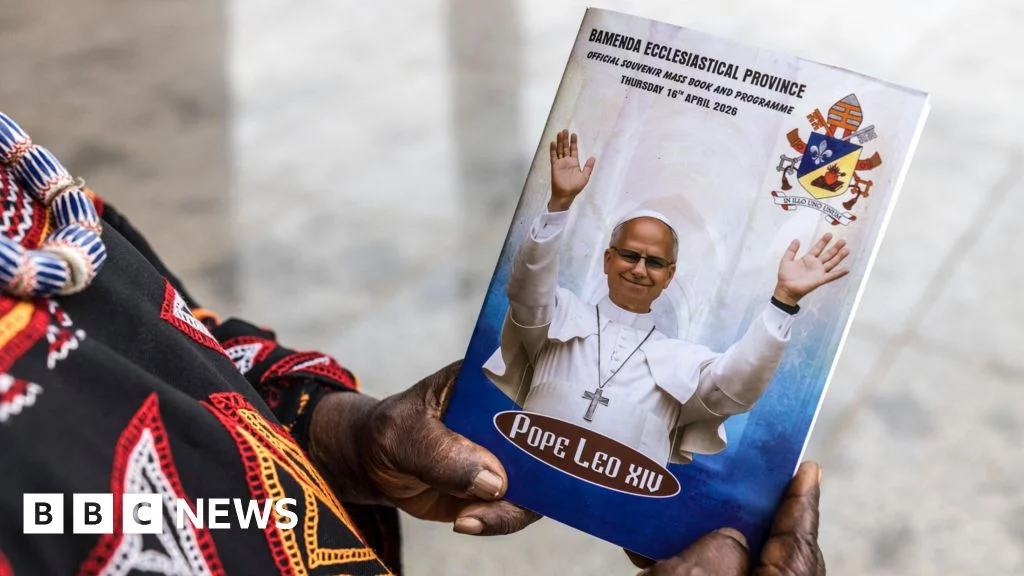
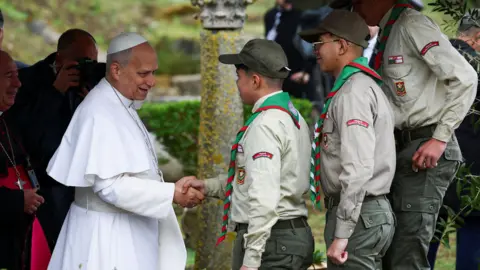
In a move that has generated a flicker of hope amidst a protracted and brutal conflict, Anglophone separatists in Cameroon have announced a significant unilateral cessation of hostilities. This three-day "safe travel passage" measure, set to commence immediately, is a direct response to the impending visit of Pope Leo XIV, who is scheduled to arrive in the conflict-torn nation later this week. Leaders representing several armed secessionist groups have collectively declared this pause in fighting, citing the "profound spiritual importance" of the papal visit and a paramount need to safeguard civilian lives during this sensitive period. The announcement, issued through the Unity Alliance, a coalition that unifies these disparate factions, explicitly states their commitment to facilitating the movement of individuals participating in the Pope’s engagements. The Cameroonian government has yet to issue an official statement on this development, leaving a degree of anticipation regarding their response.
The Anglophone crisis, which has now festered for nearly a decade, has inflicted immense suffering upon the English-speaking regions of Cameroon. The violence has resulted in a tragic loss of life, with at least 6,000 individuals confirmed dead, and has displaced countless others, turning them into refugees within their own country. This humanitarian catastrophe has drawn the attention of the international community, and the Pope’s visit is widely seen as a crucial opportunity for dialogue and the potential for a de-escalation of the conflict.
Pope Leo XIV is currently on an extensive 11-day tour of the African continent, a journey that underscores the growing significance of Catholicism in Africa and the Vatican’s commitment to engaging with its burgeoning faithful. His itinerary includes visits to Algeria, Cameroon, Angola, and Equatorial Guinea. Peace has been identified as a central theme of this ambitious pastoral mission, and his presence in Cameroon, particularly in the volatile North-West region, is imbued with symbolic weight.
The pontiff’s African sojourn began in Algeria, a predominantly Sunni Muslim nation, where his visit marked a historic first for any Pope. This stop held particular resonance as Algeria is the birthplace of St. Augustine, a towering figure in Christian theology, and Pope Leo XIV himself hails from an order that deeply reveres Augustine’s teachings. In Annaba, the city where St. Augustine once served as bishop, Pope Leo XIV participated in a significant Mass celebrated at the Basilica of Saint Augustine, a powerful moment of interfaith dialogue and historical reflection. He also visited the archaeological site of the ancient Hippo Regius, further connecting with the spiritual heritage of the region.
Cameroon represents the second leg of this momentous African tour. The Pope’s planned visit to Bamenda, the capital of the North-West region, places him directly at the epicenter of the Anglophone conflict. Bamenda has become a focal point of the ongoing hostilities between the Cameroonian state forces and the Anglophone separatists, who are fighting for an independent state they call "Ambazonia." The violence in these two English-speaking regions has defied previous attempts at resolution, including a national dialogue initiated by the government in 2019, which ultimately failed to bring lasting peace.
The decision by the Unity Alliance to pause fighting is a carefully worded statement that aims to frame their actions within a context of moral responsibility. They stated that their decision "reflects a deliberate commitment to responsibility, restraint, and respect for human dignity, even in the context of ongoing conflict." This suggests a strategic move to align themselves with the Pope’s message of peace and to present a more unified and peace-seeking image to the world. Furthermore, the separatists have issued a stern warning against any attempts to politicize the Pope’s visit, emphasizing that its nature should remain strictly "spiritual" and "pastoral." This is a delicate balancing act, as the conflict itself is deeply political, and the separatists are keen to leverage the Pope’s presence to highlight their grievances without allowing the Holy See to be perceived as taking sides in a political dispute.
While the Cameroonian government, which is largely francophone-dominated, has remained reticent in its public response to the separatists’ announcement, official sources indicate that comprehensive security measures are being implemented in all cities slated to host the pontiff. This suggests a heightened state of readiness and a commitment to ensuring the safety of the papal delegation and the attendees of his events. The Catholic Church, through this visit, is making a significant symbolic effort to foster peace and reconciliation in a region scarred by years of violence. Pope Leo XIV is expected to preside over a special prayer service for peace at the Saint Joseph’s Cathedral in Bamenda, a location that has witnessed the brunt of the conflict. Authorities have also assured that all venues designated for the Pope’s itinerary will be accessible to the public free of charge, underscoring the inclusive nature of the planned events.
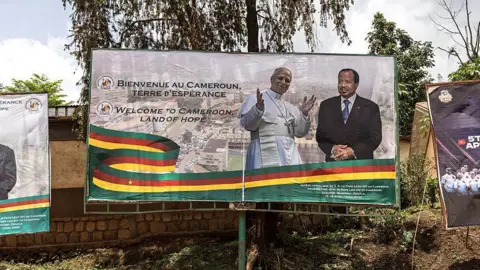
Pope Leo XIV’s extensive tour of Africa, encompassing 11 cities across four nations, is his second major international visit since assuming the papacy last year. This focus on Africa is not merely symbolic; it reflects the undeniable demographic shift in global Catholicism. Africa is now home to a substantial and rapidly growing Catholic population, representing more than a fifth of the world’s Catholics, with figures estimated at 288 million as of 2024. This demographic reality underscores the strategic importance of the continent for the Catholic Church and the Vatican’s dedication to supporting and engaging with its African adherents. The Pope’s visit to Cameroon, therefore, is not just an act of spiritual outreach but also a recognition of the continent’s burgeoning influence within the global Catholic community. The hope is that his presence, and the ensuing ceasefire, however temporary, can serve as a catalyst for deeper dialogue and a lasting resolution to the devastating conflict plaguing the Anglophone regions. The world will be watching to see if this brief respite can pave the way for enduring peace.


 Nakalama John
 Ramos Leo
 Nana Banana