
 Ramos Leo
In his inaugural address as Prime Minister, Andy Burnham has pledged to provide the British public with much-needed "breathing space" to navigate the persistent pressures of the cost of living crisis. Policies designed to deliver on this promise are anticipated to be unveiled on Tuesday, marking his first full day in office and setting the tone for his premiership. The urgency of this issue is paramount for Burnham, who has frequently articulated the profound impact of financial strain on everyday lives, citing how many people are currently unable to afford simple pleasures like a Friday pint, family outings, or even a modest holiday.
The cost of living has not merely been a dominant feature of household budgets in recent years; it has fundamentally shaped the political landscape. Alleviating this pressure has proven to be an immense challenge for successive governments. Should Prime Minister Burnham choose to implement significant interventions in areas such as energy bills, transport costs, and adjustments to tax thresholds that allow individuals to earn more before taxation, alongside initiatives to make childcare and housing more affordable, he will inevitably confront difficult decisions regarding their funding. These ambitious moves will necessitate careful management of trade-offs, and it will often fall to his Chancellor, widely speculated to be Rachel Reeves, to articulate these changes and detail the mechanisms for their payment. The delicate balance between delivering on promises and maintaining fiscal responsibility will be the defining tightrope of this new administration.
Haven’t we heard this before?
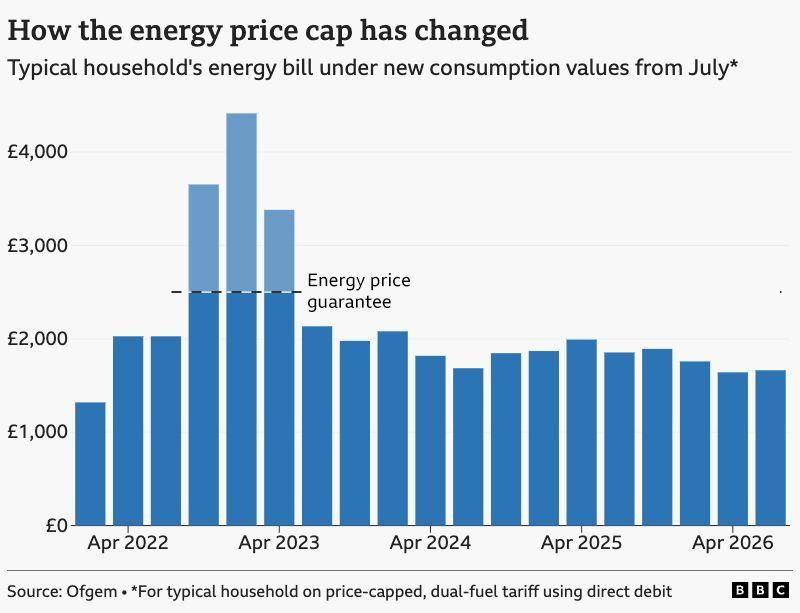
The rhetoric of prioritising the cost of living is far from new. Phrases like "every minute not talking about the cost of living is a wasted minute" from a prime minister, or a chancellor declaring it their "number one focus," echo familiar sentiments. However, these particular words were not uttered by the incoming PM and Chancellor, but by Sir Keir Starmer and Rachel Reeves themselves, as recently as January of this year. Their administration did implement measures, such as removing £150 from a typical annual domestic energy bill in April by adjusting levies and shifting others onto general taxation. Yet, the relief proved to be short-lived. Energy bills soon surged again, as did the cost of food and mortgages, largely due to the unforeseen ripple effects of global events, such as the US-Israeli strikes on Iran. These geopolitical incidents can have an instant and extreme impact on even the most meticulously crafted economic plans, highlighting the inherent volatility of the global economy. As Adam French, a senior analyst at the financial information service Moneyfacts, aptly observes, "A more volatile world is a more expensive world." Supply chain disruptions, commodity price fluctuations, and geopolitical instability continue to pose significant threats to domestic financial stability, underscoring the formidable task ahead for Burnham’s government.

Will taxes go down (or up)?
A significant area of focus for Prime Minister Burnham is the possibility of adjusting income tax thresholds, specifically by raising the personal allowance – the amount individuals can earn before they begin paying income tax. Speaking shortly after taking office, he acknowledged that making such a change would be "difficult" given the prevailing economic climate. Under the current government policy, income tax and National Insurance thresholds are frozen until April 2031 across England, Wales, and Northern Ireland. This policy, often referred to as "fiscal drag," means that as wages rise due to inflation, more people are pulled into higher tax brackets, and existing taxpayers pay a greater proportion of their income in tax. This generates substantial revenue for the Treasury, making any reversal a costly endeavour. Partially unwinding this policy would necessitate finding equivalent funds from other sources, increasing government borrowing, or implementing cuts elsewhere. Burnham has also subtly hinted at "asking for a little bit more" in tax from certain segments of the population.
Crucially, the new Prime Minister is expected to adhere to the core Labour manifesto pledge of not raising the main three taxes: income tax, National Insurance, and VAT. However, as recent political history has shown, other taxes can still be altered, often provoking a strong public and political backlash. Changes to inheritance tax affecting family farms, for instance, have previously led to vociferous responses. Potential areas for additional revenue generation could include reforms to capital gains tax, adjustments to corporation tax for large profitable companies, or the introduction of new environmental levies. Any such reforms would undoubtedly take time to implement and would inevitably create both "winners" and "losers" within the economy. Past attempts by previous administrations to enact significant tax changes, even with substantial parliamentary majorities, have often been met with internal party dissent and subsequent U-turns, demonstrating the political fragility of such moves.
Burnham and his Chancellor are also anticipated to maintain the government’s self-imposed fiscal rules, a framework that guides government tax and spending decisions. Opinion remains sharply divided on the efficacy of these rules. Proponents argue they provide sensible building blocks for economic stability, fostering investor confidence and allowing living standards to improve over time. Critics, however, contend that they represent a "dysfunctional" economic straitjacket, unnecessarily restricting government investment and public spending during periods of need. Rachel Vahey, head of public policy at investment platform AJ Bell, comments, "The [resulting] rummage down the back of the sofa for loose change has hit personal finances hard, changed the tax landscape, and makes it more challenging for people to save for their future." The debate over these rules will undoubtedly shape the scope and ambition of Burnham’s fiscal policy.
Can energy and other essentials get cheaper?

A key component of Labour’s platform, and one that remains under intense scrutiny, is the much-debated general election promise to cut household energy bills by £300 by 2030. In his address from Downing Street, Prime Minister Burnham explicitly stated his intention to "bring essentials under public control" to make them more affordable. While the specifics of this pledge are yet to be detailed, it hints at significant interventions in key sectors. There have been clear indications regarding efforts to reduce energy bills, a complex challenge given that these are primarily dictated by the volatile wholesale cost of gas – a factor largely beyond any single government’s direct control.
One prominent option, widely championed by energy charities and the regulator Ofgem, is the introduction of a social tariff. This mechanism would provide discounted energy bills to the most vulnerable households, with the cost potentially offset by slightly higher bills for better-off customers or through general taxation. While offering targeted relief, its implementation would require careful consideration to ensure fairness and minimise the burden on other households.
Beyond future bills, the existing burden of unpaid energy debt is a colossal concern. The amount of money owed to energy suppliers by customers has reached an alarming record high of £4.79 billion, representing a staggering 15% increase within a single year. Debt charity Citizens Advice highlights the severity of the situation: "Although average bills have dropped back from their peak, they are still far higher than they were five years ago. But incomes and bill support mechanisms have not kept up. Households are left with mounting energy debts, forced to choose between heating and eating." This stark reality underscores the urgency of addressing not just future energy costs but also the legacy of past financial struggles. The strain is further exacerbated by escalating costs for other essential services, including water, food, and broadband, all contributing to the pervasive pressure on household budgets.
Are transport fares a priority, like in Manchester?
Much of Andy Burnham’s political reputation and capital derives from his transformative actions as Mayor of Greater Manchester, particularly concerning the region’s public transport network. His successful implementation of bus franchising and a £2 cap on bus fares (now £2.50) has provided a blueprint for more affordable and integrated transport. Announcements regarding national bus fares are expected this week, but the inherent complexities of devolution mean that his direct control largely extends only to England.
Currently, a £3 cap on bus fares in England, outside of London, is in place until March next year. However, this scheme remains voluntary, meaning not all bus companies have opted to participate, leading to an inconsistent experience for passengers across the country. Expanding and mandating such a cap nationally would require significant government funding and cooperation from private bus operators. Similarly, rail fares in England were frozen for the first time in 30 years until March 2027, covering season tickets, some off-peak long-distance journeys, and flexible tickets in major cities. The sustainability of these fare freezes and caps will be a key fiscal consideration for the new government, balancing the desire for affordable public transport with the need to ensure the long-term viability of transport operators.
Will there be help for first-time buyers and housing costs?
Addressing the housing crisis is a stated priority for Prime Minister Burnham. He told The Times that without "sufficient homes for people that they can afford, you chase rent through the benefits system in the private rented sector," indicating a holistic view of the housing challenge. His plan, articulated in his first speech, includes a commitment to building more council homes, a policy designed to increase the supply of genuinely affordable housing. This initiative runs in parallel with the government’s existing ambitious home-building targets, which have consistently lagged behind schedule.
However, simply increasing the number of homes built does not automatically guarantee affordability. Factors such as land values, construction costs, and persistent demand can keep prices high. For first-time buyers, the challenge of accumulating a sufficient deposit remains formidable. While some lenders are introducing schemes offering home loans with smaller deposits, the informal "Bank of Mum and Dad" continues to be one of the largest – and often unacknowledged – lenders in the housing market. Building societies, with their mutual ethos, are expected to lobby for less stringent regulatory rules on their lending practices, potentially allowing them to offer more flexible options to a wider range of borrowers. Ultimately, the cost of a mortgage, and therefore housing affordability, will also be significantly influenced by how financial markets perceive Prime Minister Burnham and his Chancellor’s economic plans. Investor confidence, bond yields, and the Bank of England’s monetary policy decisions will all play a crucial role.
What else does the new PM face?

Beyond the immediate financial concerns, Prime Minister Burnham faces a myriad of other profound and complex policy challenges. He will need to make massive decisions regarding the structure and provision of sickness and disability benefits, including who receives them and at what level, alongside concerted efforts to integrate young people into the workforce. The intricate web of welfare reform demands a delicate balance between providing adequate support for those in need and ensuring fiscal sustainability.
A personal ambition for Burnham is to reform the social care system, a policy area that has historically proven to be a political graveyard for previous administrations due to its immense complexity and prohibitive costs. Tackling this long-standing issue will require innovative funding solutions and broad cross-party consensus. Furthermore, by adhering to the current Labour manifesto, his government will uphold the state pension triple lock, a commitment that sees the state pension increase annually in line with the highest of inflation, average wage growth, or 2.5%. While popular with pensioners, the long-term fiscal implications of this guarantee will continue to be scrutinised.
Finally, as with all previous administrations, the ultimate impact on people’s pockets may well be determined by how a Burnham-led government reacts to unforeseen events beyond its direct control. Geopolitical conflicts, global economic shocks, climate-related disasters, or new pandemics could all derail domestic policy and significantly alter the financial landscape, presenting continuous tests for the new Prime Minister and his team. The promise of "breathing space" is a weighty one, and delivering it amidst such a volatile world will be the defining challenge of his premiership.



 Roy Suryo

 Nakalama John
 atisusanti
