Ramos Leo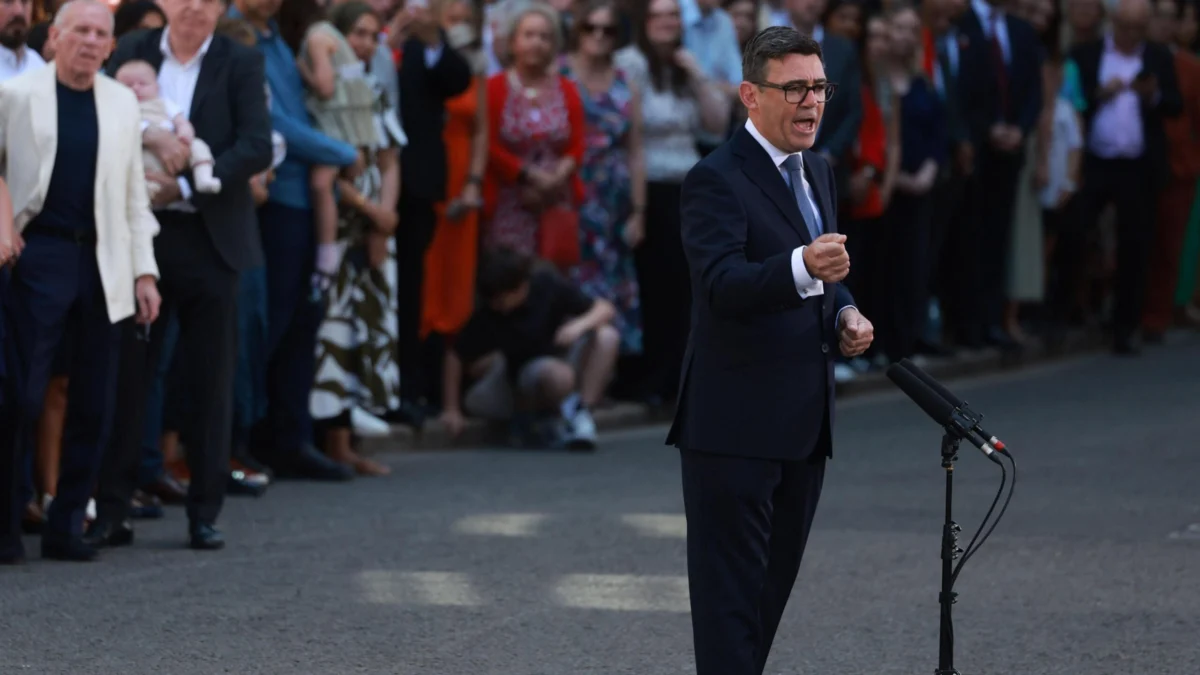
Andy Burnham has officially taken the reins as the UK’s Prime Minister, succeeding Sir Keir Starmer, a transition that marks a significant shift in British politics and concludes a turbulent period for the Labour Party. The former Mayor of Greater Manchester ascended to the nation’s highest office after a swift Labour leadership contest last week, following Sir Keir Starmer’s unexpected resignation. His appointment on Monday, July 20, 2026, makes him the country’s fourth prime minister in just five years and the seventh since 2016, underscoring a persistent era of political volatility that has left many citizens yearning for stability and long-term vision.
Burnham’s path to Number 10 has been distinct, forging a reputation as a powerful voice for regional devolution and social justice during his tenure as Mayor of Greater Manchester. His victory in the Labour leadership race, triggered by Starmer’s decision to step down after a challenging two years in office despite a landslide general election victory in 2024, signals a potential recalibration of the party’s priorities and direction. Political analysts suggest that Starmer’s resignation, despite an initial strong mandate, was prompted by a combination of internal party dissatisfaction over policy direction and a perceived failure to decisively tackle pressing national issues. Burnham, having previously served as an MP and held cabinet positions under Gordon Brown, brings a blend of parliamentary experience and executive leadership from his mayoral role, positioning him as a figure capable of uniting disparate factions within the Labour movement.
Burnham Sets Out Ambitious Priorities: Rough Sleeping, Cost of Living, and a New Economic Vision
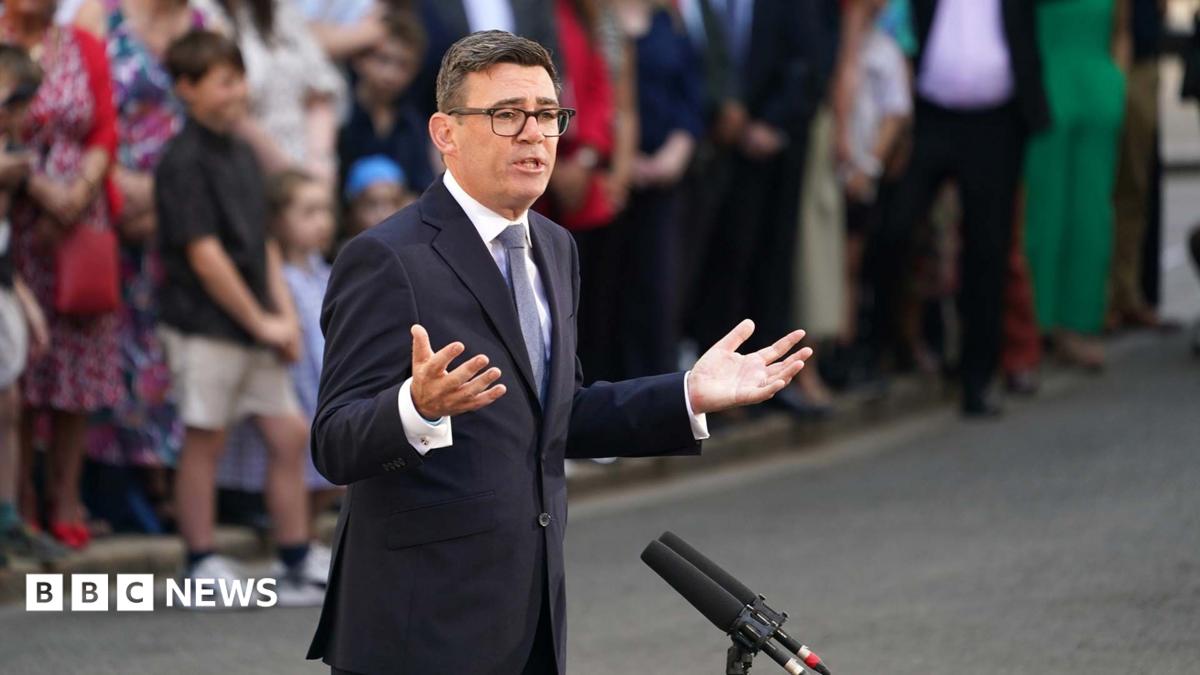
In his inaugural address from the steps of Downing Street, Andy Burnham wasted no time in articulating his government’s immediate and long-term ambitions. His speech, delivered with characteristic directness and without the customary lectern, immediately honed in on what he termed "the great injustices of our time." Top of his agenda was an unequivocal pledge to "end rough sleeping in our country," a bold promise backed almost immediately by a Downing Street press release detailing an additional £340m commitment to the cause over the next five years. This funding, it is understood, will target a multi-pronged approach, including increased provision of emergency shelter, long-term supportive housing, and comprehensive wrap-around services for individuals experiencing homelessness, addressing underlying issues such as mental health, addiction, and unemployment. The policy aims to not only provide immediate relief but also to implement preventative measures and ensure sustainable pathways out of homelessness, potentially involving collaborations with local authorities and third-sector organisations, drawing on lessons from his mayoral initiatives in Manchester.
Beyond immediate crises, Burnham unveiled a more expansive vision for the nation, promising a "new 10-year plan for Britain," details of which are expected to be unveiled later this year. This long-term strategy is anticipated to provide a clear roadmap for national development across key sectors, signalling a departure from short-term policy cycles and aiming to instill confidence and direction for the future. A cornerstone of this plan will be the commitment to "build a new economy, putting life’s essentials back under public control." This statement resonated deeply with sections of the Labour party and the public, hinting at potential renationalisation or increased public oversight of vital services such as water, energy, and public transport, which have been subjects of public discontent over pricing and service quality. Such a move would represent a significant ideological shift, moving away from market-driven solutions towards a more interventionist state, reflecting Burnham’s long-held beliefs in collective provision and social ownership.
Acknowledging the immediate pressures faced by households, Burnham stressed that while long-term reforms were crucial, people also needed "breathing space now." Consequently, he announced that a series of urgent measures to tackle the pervasive cost of living crisis would commence on Tuesday. These announcements are widely expected to include targeted financial support for low-income families, potential caps on energy prices, and measures to stabilise food costs, though the specific mechanisms remain to be detailed. The emphasis on immediate relief alongside structural change aims to demonstrate a responsive government attuned to the daily struggles of ordinary Britons.
Further policy outlines included a commitment to reforming the education system, specifically geared towards equipping young people with the skills necessary for the modern workforce and facilitating smoother transitions into employment. This could involve an overhaul of vocational training, increased apprenticeships, and a greater emphasis on practical skills development. The new government also pledged to address the chronic housing shortage by building more council homes, a direct response to rising rents and declining homeownership rates. Importantly, Burnham reassured allies and defence planners by affirming his government’s intention to honour existing commitments to fund defence, while simultaneously pledging to adhere to the UK’s established spending and debt rules. This balancing act – ambitious social spending alongside fiscal prudence – will be a defining challenge for his Chancellor.
A New Cabinet Takes Shape Amidst Departures
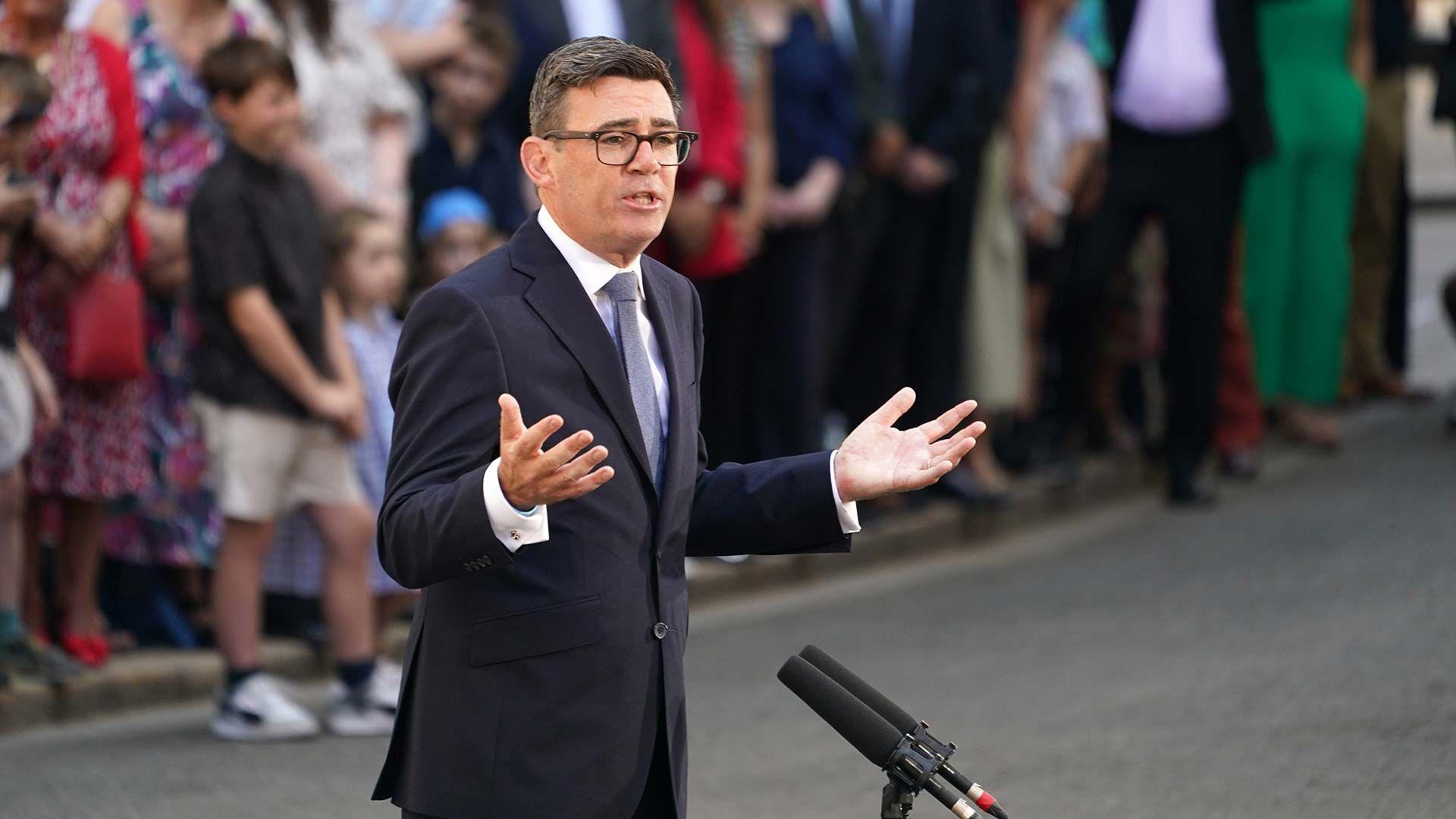
The formation of Burnham’s cabinet has already begun, with some surprising appointments and notable departures signalling a clear break from the Starmer era. The most striking appointment saw John Healey named as Chancellor of the Exchequer, a choice that has reportedly caught Westminster by surprise. Healey, a veteran Labour MP with a background in social housing and local government, is seen as a more traditional Labour figure compared to his predecessor. His selection suggests a potential shift towards a more fiscally conservative but socially interventionist economic policy, contrasting with the more centrist approach often associated with Rachel Reeves. Reeves herself had confirmed her departure from the role earlier and explicitly stated she would not be serving in Burnham’s government, turning down offers of other cabinet positions, indicating a principled stand or a desire to distance herself from the new leadership’s direction.
Louise Haigh, a prominent ally of Burnham and instrumental in overseeing his preparations for Number 10, is widely expected to be appointed to the powerful role of Minister for the Cabinet Office and First Secretary of State. This position would place her at the heart of government operations, coordinating policy implementation and acting as Burnham’s de facto deputy, signifying the trust and reliance he places in her. Her expected appointment underscores the importance of a loyal and efficient team as the new government seeks to implement its ambitious agenda.
The transition has also seen a host of other cabinet ministers from the Starmer government confirm their departure, including Peter Kyle, David Lammy, and Richard Hermer. These high-profile exits are indicative of a comprehensive reshuffle, as Burnham seeks to stamp his authority and build a team aligned with his political philosophy and vision. The incoming cabinet is expected to feature a mix of experienced figures and rising stars, potentially drawn from both the party’s left and centrist wings, but with a strong emphasis on those who share Burnham’s commitment to his core policy platforms. The appointments will be closely scrutinised for their implications on foreign policy, justice, and social care, among other critical areas.
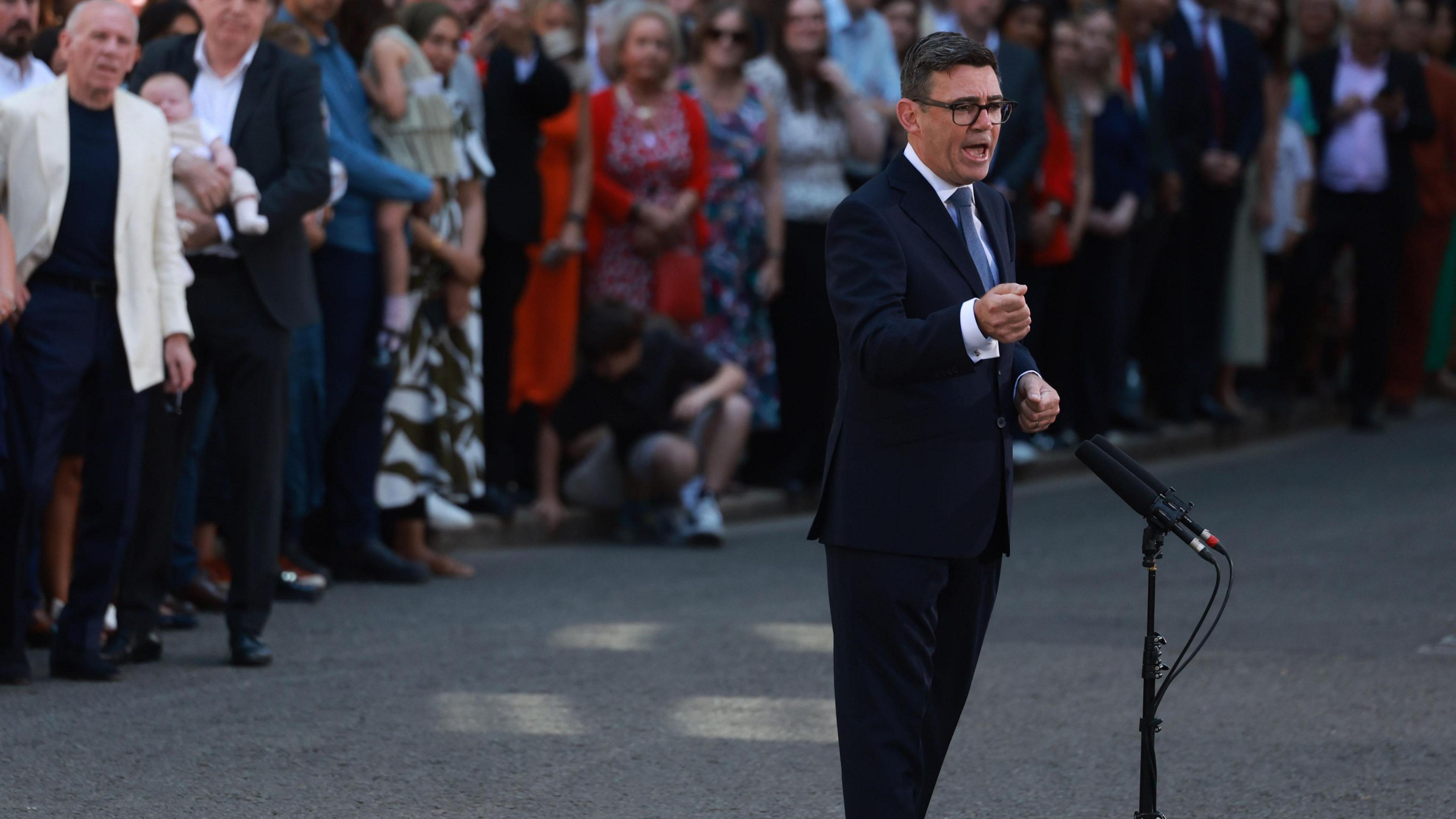
A New Style for Downing Street
Beyond policy, Burnham’s first appearance outside Number 10 was marked by a deliberate symbolic gesture. In a break from recent tradition, he delivered his address without the aid of a lectern or visible notes. This subtle yet significant departure was, as he later implied, a conscious effort to differentiate his leadership from the "lectern moments" that have become synonymous with the UK’s political instability in recent years. By eschewing the formal podium, Burnham aimed to project an image of directness, humility, and accessibility, perhaps suggesting a less performative and more substantive approach to governance. He explicitly acknowledged the "acutely conscious" churn in the office behind him, stressing the nation’s urgent need to regain stability. He called upon politicians across the spectrum to "make politics work better" and "raise our game and rise to the new challenge," setting a tone of earnest responsibility and a desire to restore public trust in political institutions.
The Enduring Rituals of State
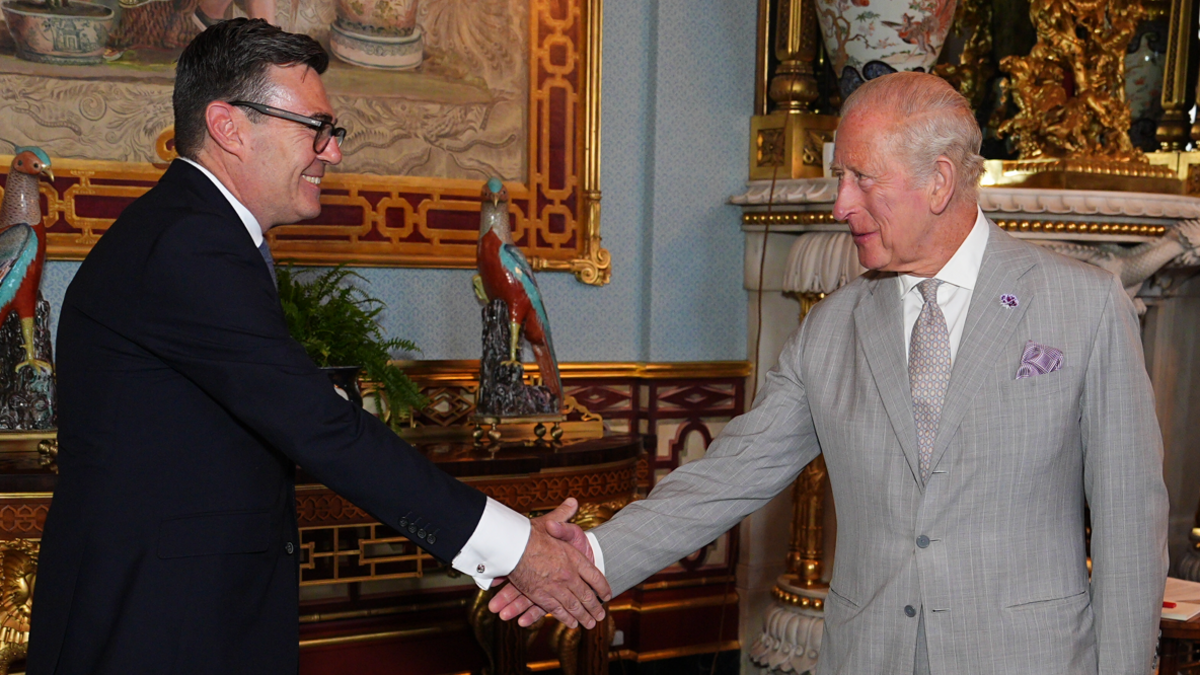
The day’s events also featured the timeless rituals of British constitutional monarchy, providing a thread of continuity amidst political change. King Charles III, fulfilling his role as head of state, bid farewell to Sir Keir Starmer in a final private audience at Buckingham Palace. Shortly after, the monarch formally greeted and appointed Andy Burnham as his new Prime Minister. This short audience, historically known as "kissing hands," is the ceremonial act that formally confers the authority to form a government. While the literal act of kissing hands is largely symbolic in modern practice, with male premiers typically bowing and shaking hands, the ritual underscores the constitutional bedrock of the UK’s parliamentary democracy, ensuring a smooth and legitimate transfer of power even during periods of intense political upheaval. The King’s consistent presence serves as a unifying element, transcending partisan shifts.
Starmer’s Dignified Departure
Earlier in the day, Sir Keir Starmer delivered a short, dignified departure speech in Downing Street, surrounded by his supporters. He reiterated key themes from his June resignation speech, reflecting on his efforts to revitalise the Labour Party and his commitment to lowering child poverty during his tenure. Despite leaving office just two years after leading Labour to a significant victory in the 2024 general election, Starmer insisted he was proud of his record, asserting that Britain was "now stronger and fairer" as a result of his government’s work. "I go with good grace, I go with a smile," he declared, projecting an image of calm acceptance despite the premature end to his premiership. His departure was punctuated by a warm embrace with Rachel Reeves, his Chancellor and Downing Street neighbour, a poignant moment highlighting personal bonds amidst political upheaval. Starmer’s legacy will likely be debated for years, remembered for steering Labour back to power after years in opposition, yet ultimately unable to cement his own long-term leadership.
As Andy Burnham settles into Number 10, the challenges facing him are immense. From navigating the economic pressures of the cost of living crisis to uniting a nation weary of political instability and delivering on his ambitious social agenda, his premiership will be closely watched. The coming days and weeks will provide further clarity on the composition of his government and the concrete steps he intends to take to fulfill his promises and usher in what he hopes will be a new, stable, and prosperous chapter for Britain.



 Roy Suryo
 Nakalama John
 atisusanti