Ramos Leo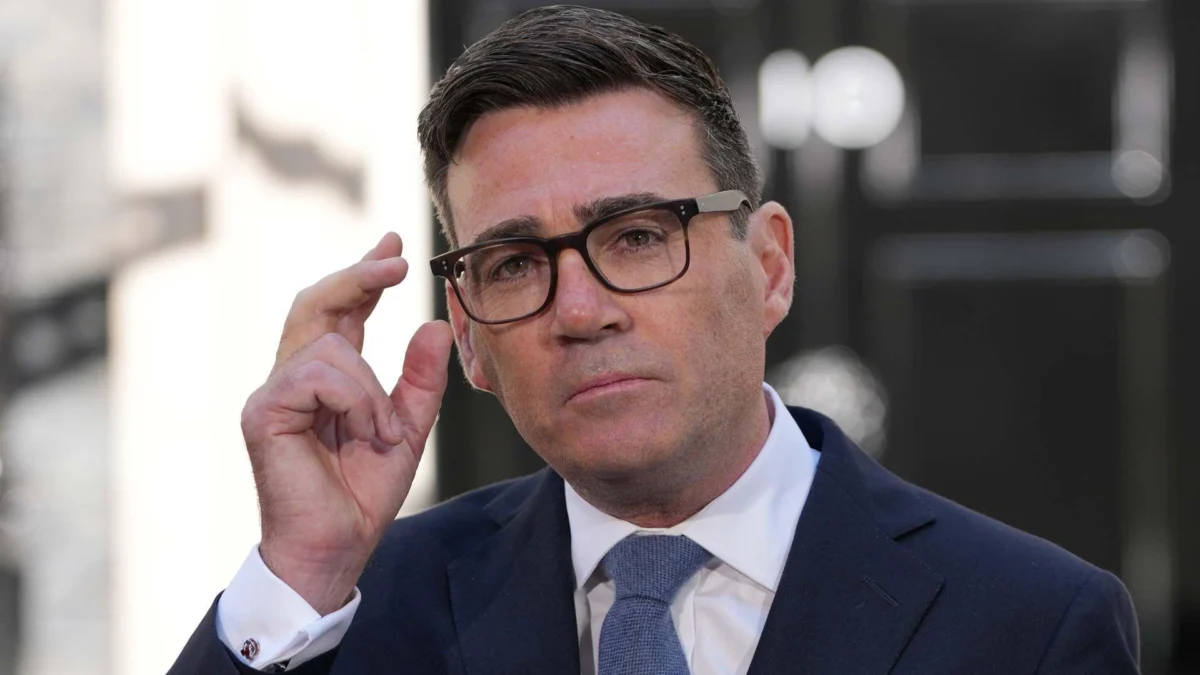
Andy Burnham has ascended to the pinnacle of British politics, taking the keys to No 10 Downing Street as the new UK Prime Minister. His appointment on Monday, July 20, 2026, marks a significant shift in the nation’s leadership, making him the fourth prime minister in five turbulent years. Having only become leader of the Labour Party on the preceding Friday, Burnham’s rapid rise from Mayor of Greater Manchester to national leader underscores a dramatic period of political realignment and public dissatisfaction that culminated in the ousting of his predecessor, Sir Keir Starmer. His arrival ushers in a new era for Labour, with a clear mandate to address pressing domestic concerns and restore a sense of stability to the country.
What does Burnham plan to do as prime minister?
While Andy Burnham has historically been meticulous in his policy pronouncements, his initial steps as Prime Minister signal a clear focus on the immediate challenges facing the UK. His overarching aim is to provide "people breathing space on the cost of living," acknowledging the severe economic pressures households have endured for years. This commitment suggests a more interventionist approach to economic management, likely prioritising public welfare over strict fiscal austerity, at least in the short term. His background as a vocal advocate for the North of England also suggests a continued, if not intensified, commitment to regional rebalancing and devolution.
Cost of living: Beyond the general promise of "breathing space," insiders anticipate a suite of measures designed to alleviate financial strain. These could include targeted energy bill support schemes, potentially extending beyond winter months, or even exploring mechanisms to cap essential utility costs. Food inflation, a persistent concern, may be tackled through supply chain interventions or subsidies for staple goods. Burnham’s administration is also expected to look at wage growth initiatives, potentially through public sector pay reviews or by encouraging higher private sector wages, aiming to ensure that incomes keep pace with, or even outstrip, rising expenses.
Digital ID: In a significant departure from previous government plans, Burnham has unequivocally committed to scrapping proposals for a government-issued digital ID for all British adults. This decision, communicated by his office, is framed as an attempt to pivot the government’s focus squarely onto "the daily priorities facing people across the country." The move is also likely influenced by concerns over civil liberties, privacy, and the potential for a surveillance state, issues that have been debated extensively since the initial digital ID proposals emerged. Burnham’s stance suggests a preference for less intrusive governance and a greater emphasis on individual freedoms.
North Sea oil: The new prime minister is poised to announce plans concerning new oil and gas drilling in the North Sea. Crucially, BBC News understands that this initiative is likely to focus on supporting and maximising output from existing licences rather than issuing entirely new ones. This nuanced approach aims to balance the immediate need for energy security and the economic benefits of domestic production with the UK’s long-term climate commitments. It will undoubtedly spark debate among environmental groups, who advocate for a rapid transition away from fossil fuels, and industry representatives, who stress the importance of maintaining a secure energy supply and supporting thousands of jobs.
Thames Water: Burnham has consistently expressed a desire for "greater public control" over critical sectors such as water and energy. While he has stopped short of advocating for full-scale nationalisation, his rhetoric suggests a move towards a more hybrid model, potentially involving public-private partnerships, stricter regulatory oversight, or even partial state ownership. The current financial woes of Thames Water, the country’s largest water company, have brought this issue into sharp focus. Lenders to Thames Water are reportedly bracing themselves to challenge any attempts by the new government to nationalise the company, setting the stage for a potential high-stakes battle over the future ownership and management of essential utilities.
Taxes: On the contentious issue of taxation, Burnham has indicated "some room" for manoeuvre. A notable suggestion, articulated in an LBC interview, involves increasing business rates on large warehouses to fund tax cuts for pubs and certain high-street businesses. This policy aims to revitalise struggling local economies and shift the tax burden away from traditional community hubs towards the burgeoning e-commerce sector. However, he has pledged to adhere to Labour’s 2024 general election manifesto commitments not to raise VAT, income tax, or National Insurance. Despite these assurances, he has pointedly "not ruled out a wealth tax," hinting at the possibility of introducing levies on significant personal fortunes or assets to address wealth inequality and fund public services. The specifics of any such tax would be crucial, including thresholds, rates, and exemptions, as they could significantly impact the UK’s economic landscape.
Local power: A cornerstone of Burnham’s political philosophy, heavily influenced by his tenure as Mayor of Greater Manchester, is the devolution of power from Westminster to local councils and regional authorities. This initiative aims to empower local leaders with greater control over areas such as housing, transport, and potentially even local health and social care services. The vision is to enable more tailored and responsive policy-making that better reflects the unique needs of different communities. A concrete manifestation of this commitment is the plan to establish another No 10 team, located over 150 miles north of London in Manchester. This move is both symbolic, demonstrating a genuine shift in focus, and practical, creating a direct link between central government and regional priorities, fostering a more distributed and less London-centric approach to governance.
Who could be in his cabinet?
The formation of a new cabinet is always a delicate balancing act for any incoming prime minister, and Andy Burnham is no exception. He faces the challenge of assembling a team that is not only competent but also representative of the Labour Party’s diverse factions, ensuring geographical and gender balance, and rewarding loyalty while bringing in fresh talent. His decision-making has been kept tightly under wraps, intensifying speculation.
The most intense focus has undoubtedly been on the appointment of the new Chancellor of the Exchequer, replacing Rachel Reeves. Energy Secretary Ed Miliband, a veteran politician and former Labour leader, was initially considered the front-runner, bringing significant experience and intellectual heft to the role. However, in a surprising turn, Home Secretary Shabana Mahmood has emerged as a strong contender. Her appointment would signal a commitment to diversity at the highest level and potentially a more pragmatic, less ideologically driven approach to economic policy.
Beyond the Treasury, other key cabinet positions will reveal much about Burnham’s priorities. The Foreign Secretary, Home Secretary, and Secretary of State for Health will be crucial appointments. While specific names remain undisclosed, the emphasis will be on individuals who can effectively implement Burnham’s agenda for international engagement, public safety, and health service reform. An all-male lineup in the most senior cabinet roles would certainly draw criticism and be seen as a misstep, indicating that gender representation will be a significant consideration.
In terms of his inner circle, Burnham has already made a pivotal appointment, bringing in James Purnell as his Chief of Staff. Purnell, a close friend and ally from Burnham’s previous stint in government, will play a critical backroom role, acting as a gatekeeper, strategist, and key advisor. This choice underscores Burnham’s reliance on trusted confidantes. Additionally, former transport secretary Louise Haigh, who played a crucial role in managing Burnham’s by-election campaign, is widely expected to be given a ministerial role within his Downing Street operation, further cementing his core team.
Who is Andy Burnham’s wife and do they have children?
Andy Burnham is married to Marie-France van Heel, his long-time partner. Their relationship began in 1989 when they were both students at Fitzwilliam College, University of Cambridge, where Burnham studied English. They have been together for over three decades, eventually marrying in the early 2000s.
Marie-France van Heel has carved out a successful career in marketing and strategy, with notable experience at major corporations such as Sky. Her professional portfolio also includes involvement in high-profile branding projects, including the logo designs for the BBC and England Rugby, showcasing her expertise in corporate communications and brand identity. As the Prime Minister’s spouse, she is expected to maintain a relatively private profile, though she may occasionally appear at official functions alongside her husband.
The couple has three children: Jimmy, Rosie, and Annie. Their family life has often been kept out of the public spotlight, reflecting a desire for privacy despite their father’s high-profile career.
What did he do before becoming prime minister?
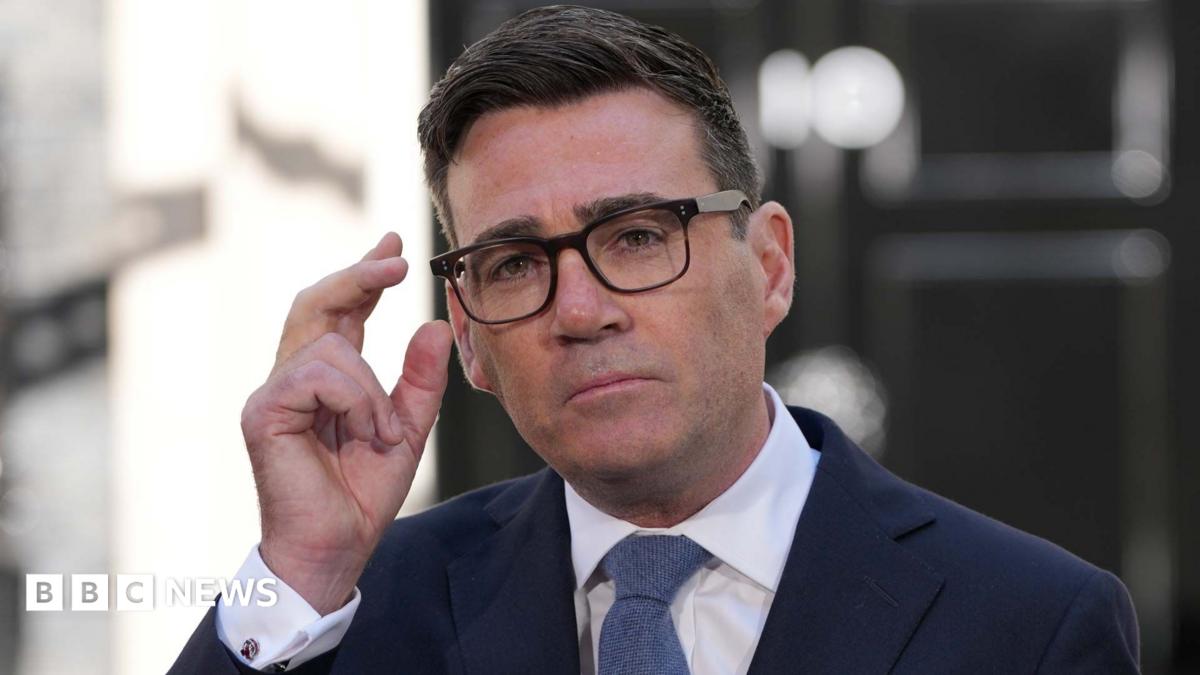
Andy Burnham was born in Liverpool in 1970, and his formative years were spent growing up in the nearby county of Cheshire. A passionate and lifelong supporter of Everton Football Club, his keen interest in sports has been a consistent aspect of his public persona.
His academic journey led him to the University of Cambridge, where he studied English at Fitzwilliam College. After graduating, he initially embarked on a career in journalism in his early 20s, gaining experience in media and communication before transitioning into politics.
Burnham’s parliamentary career began in 2001 when he was first elected as the Member of Parliament for Leigh. He quickly rose through the ranks, holding various cabinet roles during former Prime Minister Gordon Brown’s Labour government. These included Chief Secretary to the Treasury, Secretary of State for Culture, Media and Sport, and most notably, Secretary of State for Health. During his time in Parliament, he developed a reputation as a thoughtful and articulate politician, often challenging conventional wisdom within his own party.
He twice sought the leadership of the Labour Party, first in 2010 after Gordon Brown’s resignation, and again in 2015 following the general election defeat. On both occasions, he was unsuccessful, losing to Ed Miliband and Jeremy Corbyn respectively. These experiences, though defeats, honed his political skills and deepened his understanding of the party’s internal dynamics.
Burnham eventually stepped down as an MP in 2017 to pursue a new political ambition: becoming the first Mayor of Greater Manchester. He held this prominent regional role until just last month. As mayor, he garnered widespread praise for his transformative work on the region’s transport system, notably spearheading the "Bee Network" vision for integrated public transport. He also gained a formidable reputation as a powerful and independent voice for the North of England, particularly during the COVID-19 pandemic, when he frequently challenged central government policies and advocated for greater support for his region. This period as mayor is widely seen as crucial in shaping his public image as a decisive, community-focused leader ready for national leadership.
What have other world leaders said about Burnham?
The international community’s reaction to Andy Burnham’s sudden elevation to Prime Minister has been varied, with many leaders adopting a cautious "wait and see" approach, reflecting the UK’s recent political volatility.
US President Donald Trump, known for his direct and often unpredictable commentary, has not offered extensive remarks on Burnham so far. However, he has publicly stated his suspicion that Burnham is "extremely liberal." This assessment, while brief, suggests a potential ideological divergence between the two leaders, which could impact the "special relationship" between the US and UK, particularly if their respective administrations pursue significantly different domestic and international agendas. Areas of potential friction or cooperation will emerge as their policies unfold.
From Moscow, the Russian government has indicated that it does not anticipate a significant change in its already poor relations with the UK under Burnham’s leadership. Bilateral ties have been severely strained in recent years, primarily due to British support for Ukraine following Russia’s invasion and Russia’s persistent hostility towards the UK on various fronts, including cyber warfare and alleged espionage. The statement suggests Russia perceives UK foreign policy as relatively stable regardless of who occupies No 10.
In Ukraine, there is understandable concern regarding the risk of political instability in Britain, a crucial ally in its defence against Russian aggression. The continuity of robust UK support is paramount for Kyiv. Sir Keir Starmer, in his final days, was quick to reassure Ukraine that the UK’s commitment "will not waver" under the new prime minister. Burnham is expected to reiterate and uphold this pledge, ensuring that military, financial, and humanitarian aid continues without interruption, though the specifics of his approach to the conflict will be closely watched.
The only official statement from a French official came from Foreign Minister Jean-Noël Barrot, who offered his well wishes to Burnham and expressed hope for "as much stability as possible" in the UK. This sentiment reflects a broader European desire for a steady hand in London, particularly given the ongoing complexities of post-Brexit relations, economic ties, and cooperation on shared challenges such as climate change and security. European capitals will be keen to understand Burnham’s approach to the European Union and whether he seeks to mend or further strain relations.
How did Burnham become PM?
Andy Burnham’s path to becoming Prime Minister was a dramatic and rapid one, triggered by a profound crisis within the Labour Party just two years after Sir Keir Starmer had led them to a landslide general election victory. Initially, Starmer’s government enjoyed strong public backing, but a series of perceived policy mis-steps and U-turns gradually eroded public confidence. While the specific missteps are not detailed, they generally involved instances where the government appeared indecisive or abandoned key manifesto pledges, leading to accusations of a lack of clear direction.
The tipping point for many Labour MPs came with the local elections in May, where the right-wing party Reform UK made significant gains. This performance sent shockwaves through the Labour ranks, as many MPs began to fear that Reform leader Nigel Farage posed a serious threat to their electoral prospects at the next general election, potentially splitting the anti-Conservative vote and paving the way for a Reform victory. The panic this generated led to an urgent reassessment of Labour’s leadership.
Burnham, who had long harboured ambitions to lead the Labour Party, had previously been unable to challenge for the top job as he was not a sitting Member of Parliament. However, just a month before the leadership change, he made a strategic return to Parliament via a by-election. His decisive victory in this contest, notably over the Reform candidate, proved to be a powerful signal. It convinced a significant majority of Labour MPs that he possessed the necessary popular appeal and strategic vision to counter the threat posed by Reform UK and revitalise the party’s fortunes.
Crucially, other senior Labour figures, such as former health secretary Wes Streeting, who themselves had leadership aspirations, chose to abandon their own ambitions and throw their support behind Burnham. This rapid consolidation of support, combined with the overwhelming backing of the party’s MPs, created an unstoppable momentum. As a result, Andy Burnham became the Labour leader without the need for a formal leadership contest, a rare occurrence reflecting the urgency and unity within the party to install new leadership.
It is important to remember that in the United Kingdom’s parliamentary system, prime ministers are not directly elected by the public. Instead, the prime minister is the leader of the political party that commands the majority of seats in the House of Commons. This constitutional arrangement means that the UK can, and frequently does, change prime ministers without holding a general election, a phenomenon that has become increasingly common in recent years due to internal party dynamics and leadership challenges.
Do you have questions about Andy Burnham’s policies or his new administration?


 Roy Suryo
 Nakalama John
 atisusanti