Ramos Leo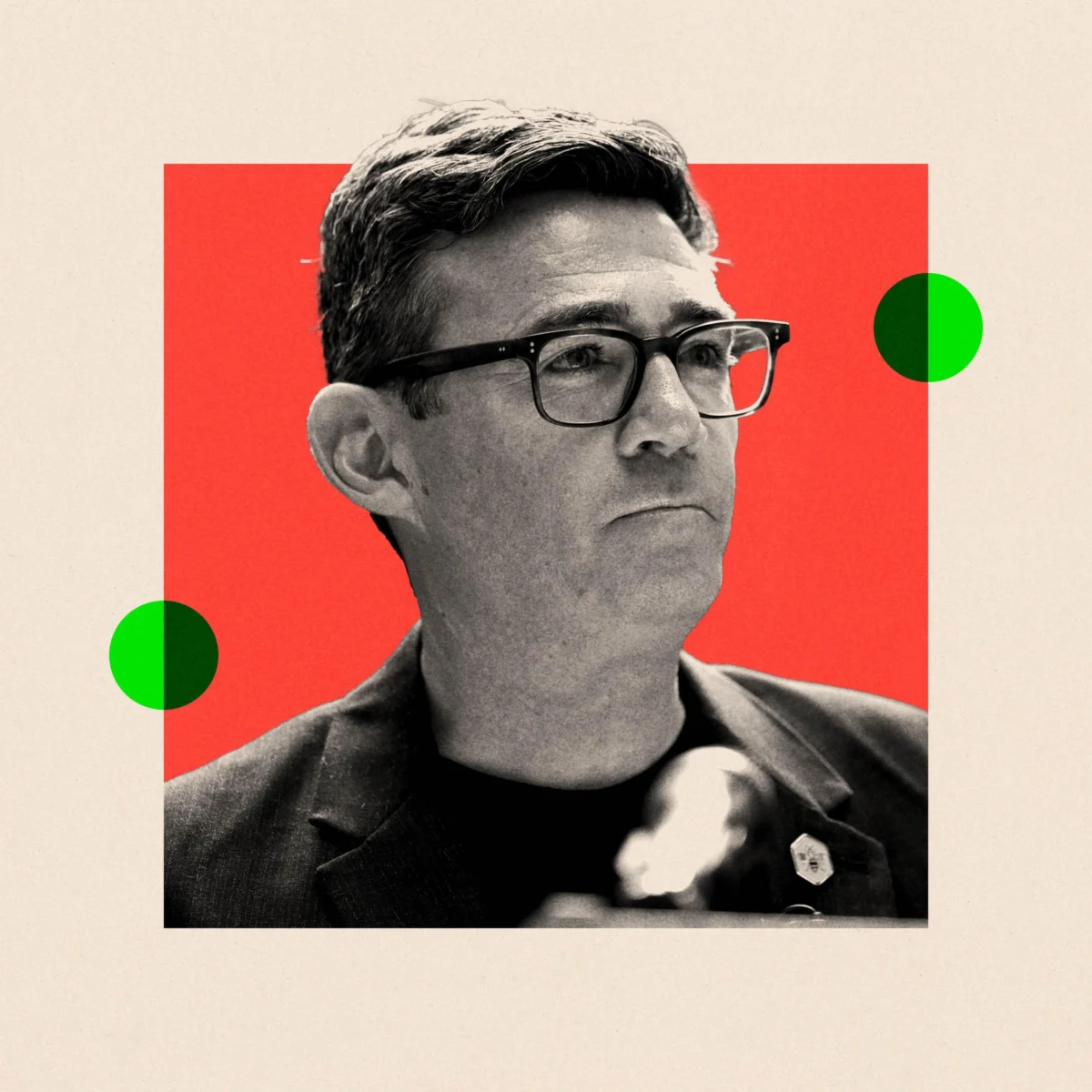
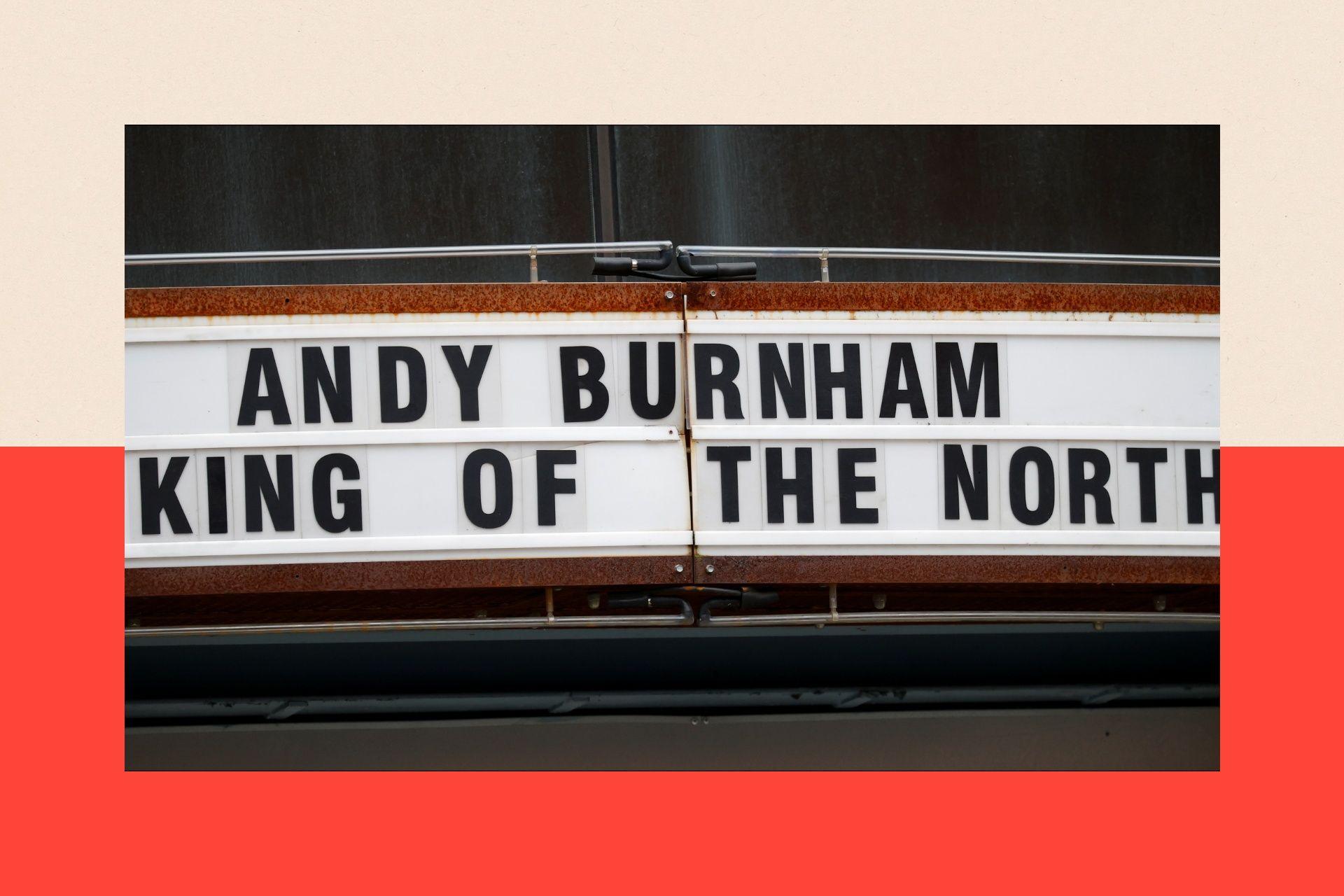
Who exactly is Andy Burnham? The political landscape offers a multitude of labels to describe the man poised to become the 59th Prime Minister on Monday. To some, he is the undisputed "King of the North," the immensely popular and widely admired Mayor of Greater Manchester, a figurehead of regional pride and ambition. Yet, to others within the Westminster bubble, a more chilling moniker applies: a "ruthless plotter," the strategic mind behind the shadow revolt that ultimately unseated the incumbent prime minister. Beyond the political battlefield, he’s a self-confessed gig-goer and an ardent Everton season ticket holder, famously expressing a desire to still catch matches from the stands even while running the country. He’s a poetry lover, an experienced former cabinet minister, and a Cambridge graduate, showcasing both intellectual depth and a grounded cultural identity.
However, his political journey has not been without its detractors, who brand him a "flip-flopper," a charge frequently hurled by his critics to suggest a lack of consistent conviction. Conversely, he is seen as a deeply proud family man and the archetypal "centrist dad," unafraid to display his now-famous dance moves to New Order’s "True Faith" – a track he deliberately chose for the event celebrating his Labour Party takeover. At 56, Burnham stands on the cusp of power. To truly grasp the essence of this complex figure, this article draws on insights from over 20 individuals who have worked closely with him over the past decades: old friends, political rivals, and current and former cabinet ministers alike, all offering a mosaic of perspectives on the man who will soon lead the nation.
Burnham presents a fascinating anomaly in the often-cutthroat world of politics. Even colleagues who express profound anger over his role in ousting Sir Keir Starmer readily admit he possesses an affable and fundamentally decent personal character. This raises a crucial question: does this amiable nature, combined with his extensive experience, translate into the necessary skills to galvanise Labour, lift its morale from its current nadir, and effectively tackle the nation’s profound challenges? One long-time friend candidly ponders, "He is a lovely bloke, genuinely, but I just don’t know if he is up to it – that is the honest question we all face." In this confusing and brutal political era, simply being "Mr. Nice Guy" is rarely sufficient for an effective premiership.
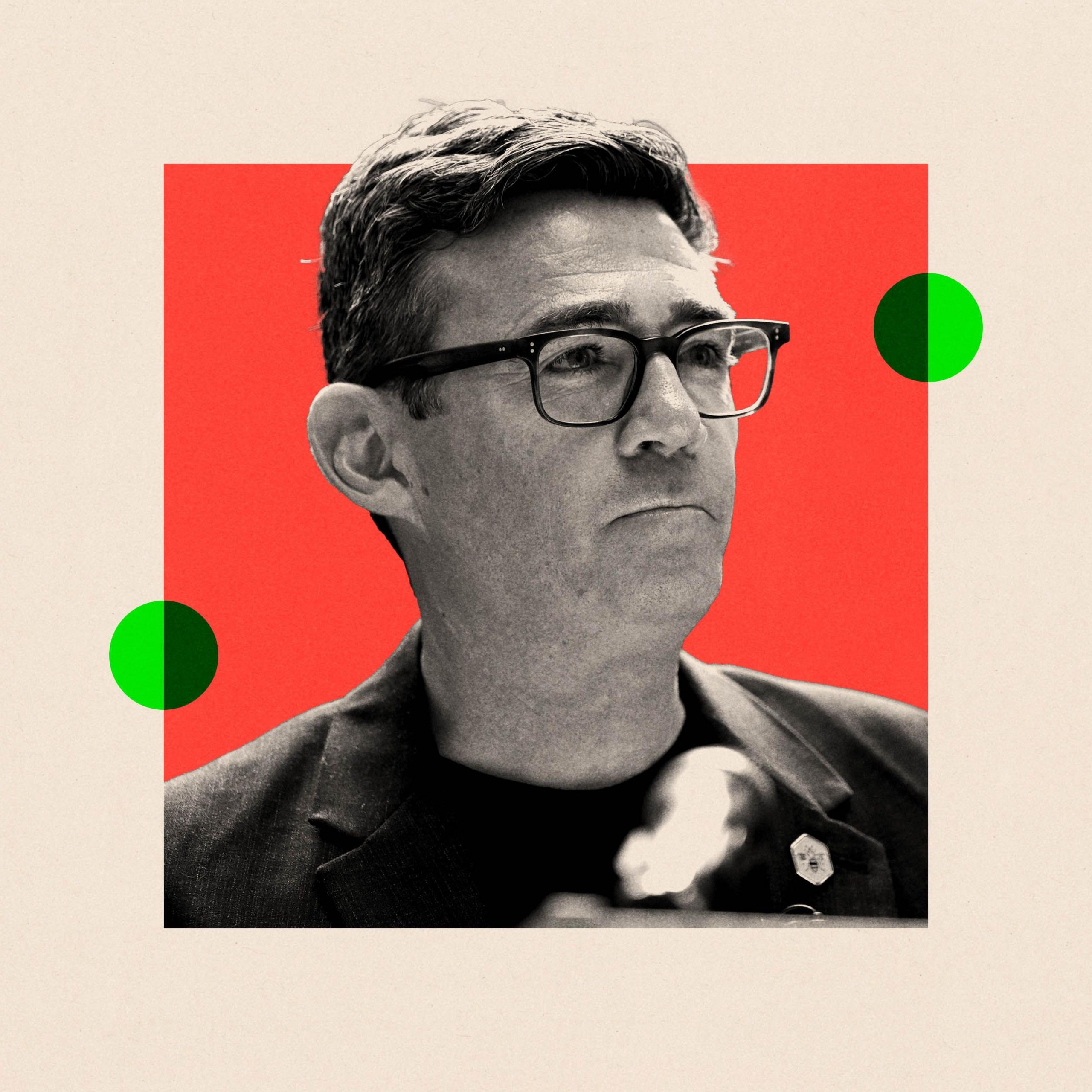
Yet, appearances can be deceptive. Burnham’s amiable exterior may well conceal a steelier, more ruthless streak. He is certainly willing to heed advice from one of the most effective, albeit controversial, leaders of recent decades – not a prime minister, but Sir Alex Ferguson, the legendary former manager of Manchester United. The anecdote goes that Ferguson once bumped into Burnham and engaged him in a surprisingly intense political discussion. The football manager expressed his bewilderment at the persistent bad blood and internal briefing between Tony Blair and Gordon Brown, stating emphatically that if he had been Blair, he would have "got him in a room, and said, you’re either with me, or you can sod off." The actual phrasing, as discreetly noted by sources, was considerably more colourful. This powerful lesson in uncompromising leadership clearly resonated with Burnham. A close ally confirms the sentiment, telling me, "We might need the Ferguson hairdryer – this is our moment, and we might have to tell people, if you’re not with me, well bye, and thanks for your time." This suggests a decisive, potentially confrontational approach when necessary, underlining that his friendly demeanour can coexist with a firm hand.
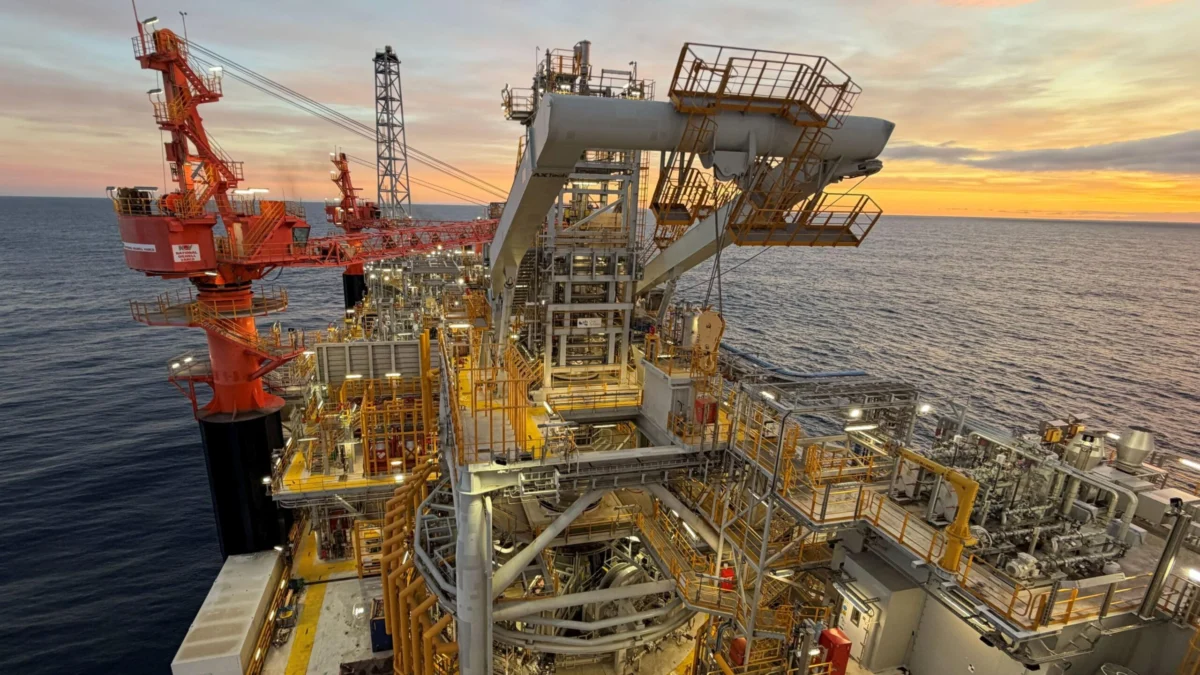
Another colleague goes further, asserting that Burnham is absolutely determined to dictate the direction of his new government. "He will be all over everyone and everything," they reveal, "and there will only be room for his agenda." This iron will is starkly exemplified by what appears to be an early, highly controversial decision: to permit new drilling for oil and gas in the North Sea. This move stands in direct opposition to the known desires of current Energy Secretary Ed Miliband, a key cabinet minister who instrumentalised Burnham’s ascent by informing Sir Keir that his time was up. Highlighting this strategic manoeuvre, the same source commented, "Burnham is ruthless in every way – Ed helped lever him in – and the first keynote policy is a slap in the face – he looks cuddly to the public but he is a total hammer." This incident reveals a leader prepared to assert his authority and vision from day one, even at the cost of immediate internal discord.

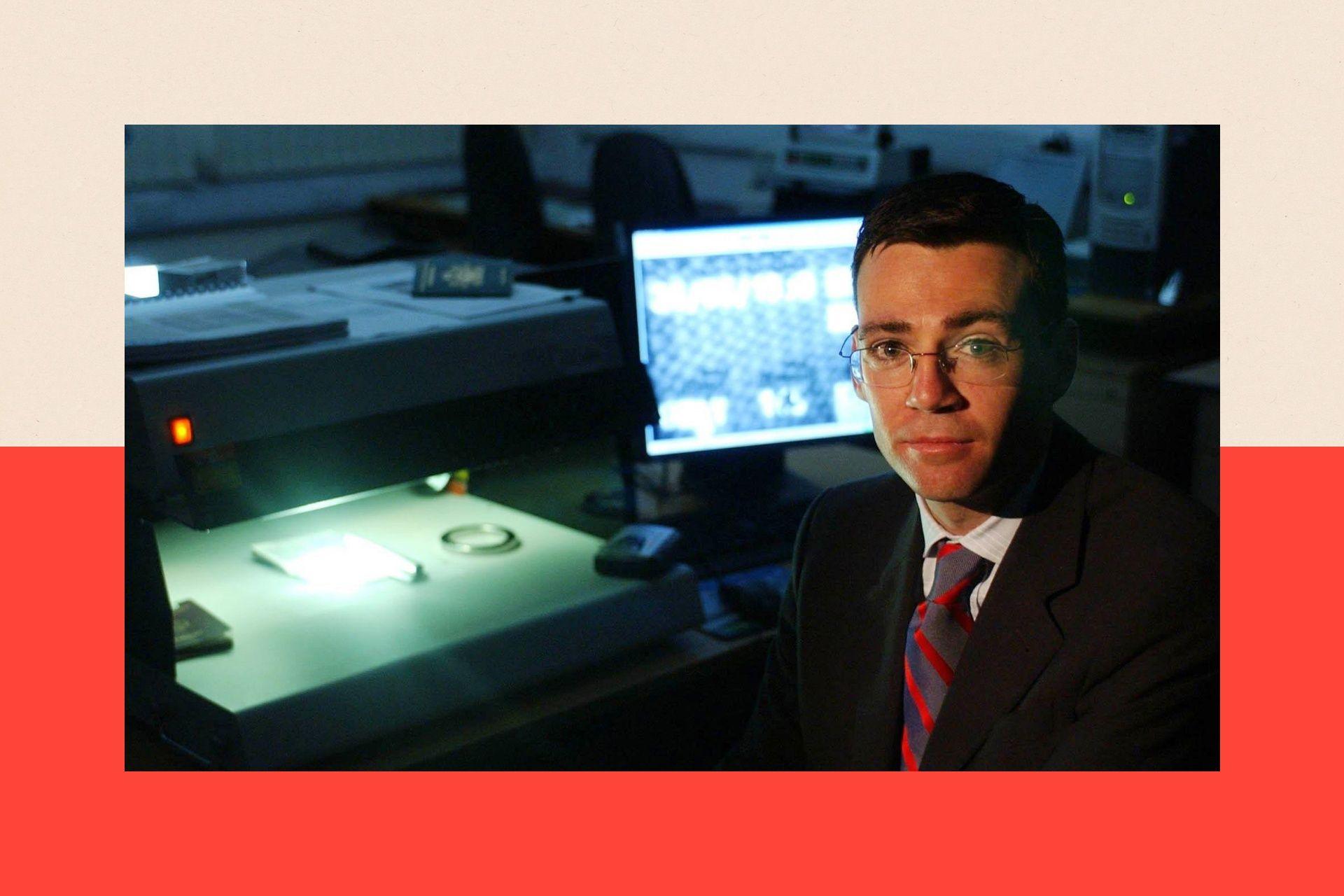
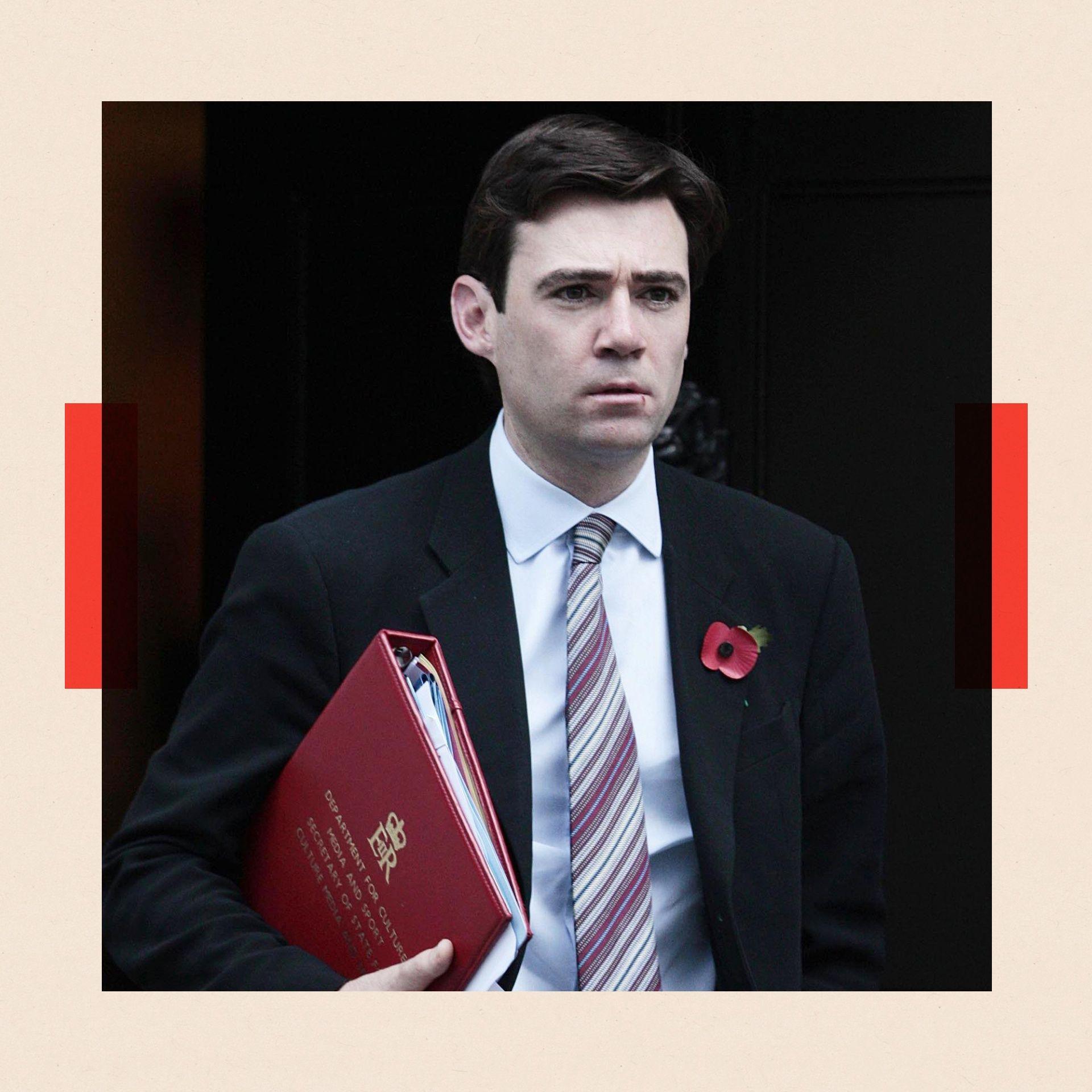
Despite the happy vibes and the much-talked-about "dad dancing" at yesterday’s Labour event, there remain genuine doubts within the party about Burnham’s ultimate fitness for the highest office. His career began in Westminster decades ago, following a brief stint as a journalist for trade magazines, including one uniquely named "Tank World." He entered Parliament as a researcher for former minister Tessa Jowell, before becoming an MP himself. His rise was swift, progressing to junior minister and then ascending to the cabinet in 2007 as Chief Secretary to the Treasury. While generally popular, Burnham didn’t always feel entirely at home in the Westminster ecosystem.
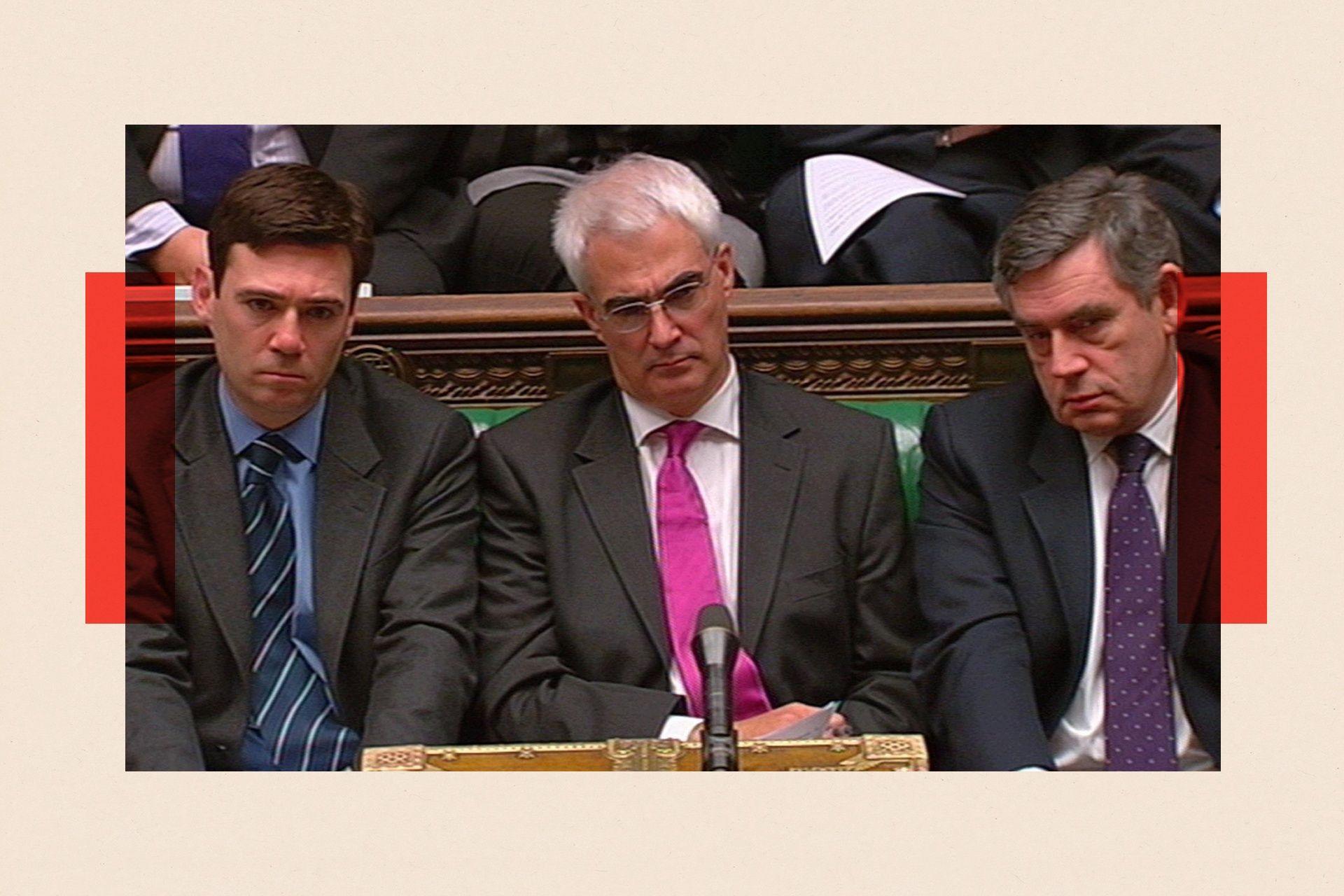
One old friend fondly recalls that era of Labour success and burgeoning opportunities for a new generation: "We were northern hicks who bizarrely found ourselves in the crazy Westminster world – it was a heady time." However, despite his popularity, some within the party viewed him as somewhat flimsy, possessing plenty of charm and rhetoric but lacking profound substance. Alistair Darling, the Chancellor during the 2008 financial crisis and one of Burnham’s former bosses, famously described him, with a mixture of affection and frustration, as "like a lorry on ice," implying his thinking could swerve erratically. An ally concedes, "He has that strong sense of self – but it does waver sometimes." This concern is echoed by a current cabinet minister who worries that Burnham might "wobble" when confronted with truly tough decisions.
This cabinet minister also highlighted Burnham’s apparent desire to be liked: "He enjoys being liked in a way that Keir was never that bothered about. There will be a strength in that because he’ll take seriously the need to connect, but wanting to be liked when you are prime minister can be a distraction because it can be destabilising when the inevitable happens and you are not popular." The inherent conflict between seeking public approval and making unpopular but necessary decisions is a significant leadership challenge.
However, claims that Burnham lacks conviction or "flip-flops" are a source of irritation to others. One source passionately argues: "Flip-flop Burnham did my head in, it wasn’t flip-flopping; when things were changing from five years earlier, he had the courage to change." This perspective suggests a pragmatic adaptability rather than a weakness of character. Crucially, many agree that Burnham’s real transformation occurred during his time in Manchester. There is a palpable difference in how colleagues describe him, depending on whether their recollections stem from his Westminster years or from "Burnham 2.0" in the North West of England.
Leaving Westminster after two unsuccessful bids for the party leadership was a monumental decision, a significant gamble for a career politician with unfinished business. Yet, many who know him credit this move as a profound liberation. One cabinet minister elaborates: "Whether people believe it or tease him about it, it’s true that leaving being an MP to go to Manchester meant he could be himself – people forget the New Labour world where there was such conformity." As Mayor of Greater Manchester, wielding considerable powers over transport, health, skills, and education, Burnham was able to build upon the foundations laid by previous council leaders, fostering a tangible sense of progress and regional identity.
While his record in Manchester, perhaps, doesn’t always fully align with the most excitable hype, his political success there has been remarkable. More importantly, it has instilled in him a concrete set of beliefs: that what truly matters is "where you live, not how you vote." Expect to hear the mantra "place not party" frequently from his new government. An ally describes this as one of Burnham’s defining trademarks, highlighting his capacity as a "brilliant leader of teams, and that included Conservative and Lib Dem council leaders." They assert, "He can do that in government with a cabinet of all the talents. He is not factional in the party, and he wants to work cross-party with the others too. He is just not tribal."
He has also pledged to listen more closely to Labour MPs, promising to avoid playing favourites or privileging one faction of the party over another. Another ally confirms: "He means it when he wants a different approach in the party – he doesn’t want a narrow clique." It is true that for many years, he publicly strived to remain aloof from Labour’s internal wrangling, styling himself as a loyalist – a stance that wasn’t always well-received. During his first leadership bid in 2010, at an event in Northern Ireland, he declared: "I am not a factional politician. I was loyal to Tony Blair. I was loyal to Gordon Brown. I am a loyalist." A member of the audience memorably piped up, "you might want to rethink that line over here."
Burnham now inherits a Labour Party that is fractured and fractious, and the task of reunification is immense. The current atmosphere is undeniably hopeful, with one senior figure noting that the optimism around Burnham "feels like a family wedding, but it depends what happens after. Andy can’t just give the love to everyone." Another cautioned: "MPs have to be committed to this and keep their eyes on their seats, not their egos." The threat to Labour from Reform UK is stark, and his allies hope that by constantly reminding Labour of the gravity of the challenge, he can maintain party unity.
What, then, will be his leadership approach? One supporter insists, "it won’t be ‘you have to be an Andy Burnham clone’ – or an Andy supporter, but what he will expect is that even if you do have different views, you have to get behind the leader of the team." He has demonstrated success in leading teams before, and his confidence as a politician is absolute. His core beliefs are clear. Yet, translating those beliefs into specific, actionable decisions on a national scale remains an unknown.
One current cabinet minister observes that Burnham is "replete with political and relationship skills. But on his political project? We’re still learning." Another confessed: "You can’t say with any certainty what kind of politics he is going to pursue." More bluntly, a party insider spluttered that his team has "no clue" what they are going to do across many different government departments. It’s worth remembering that Burnham initially sought to move into No. 10 in September, which would have afforded him considerably more time for preparation.
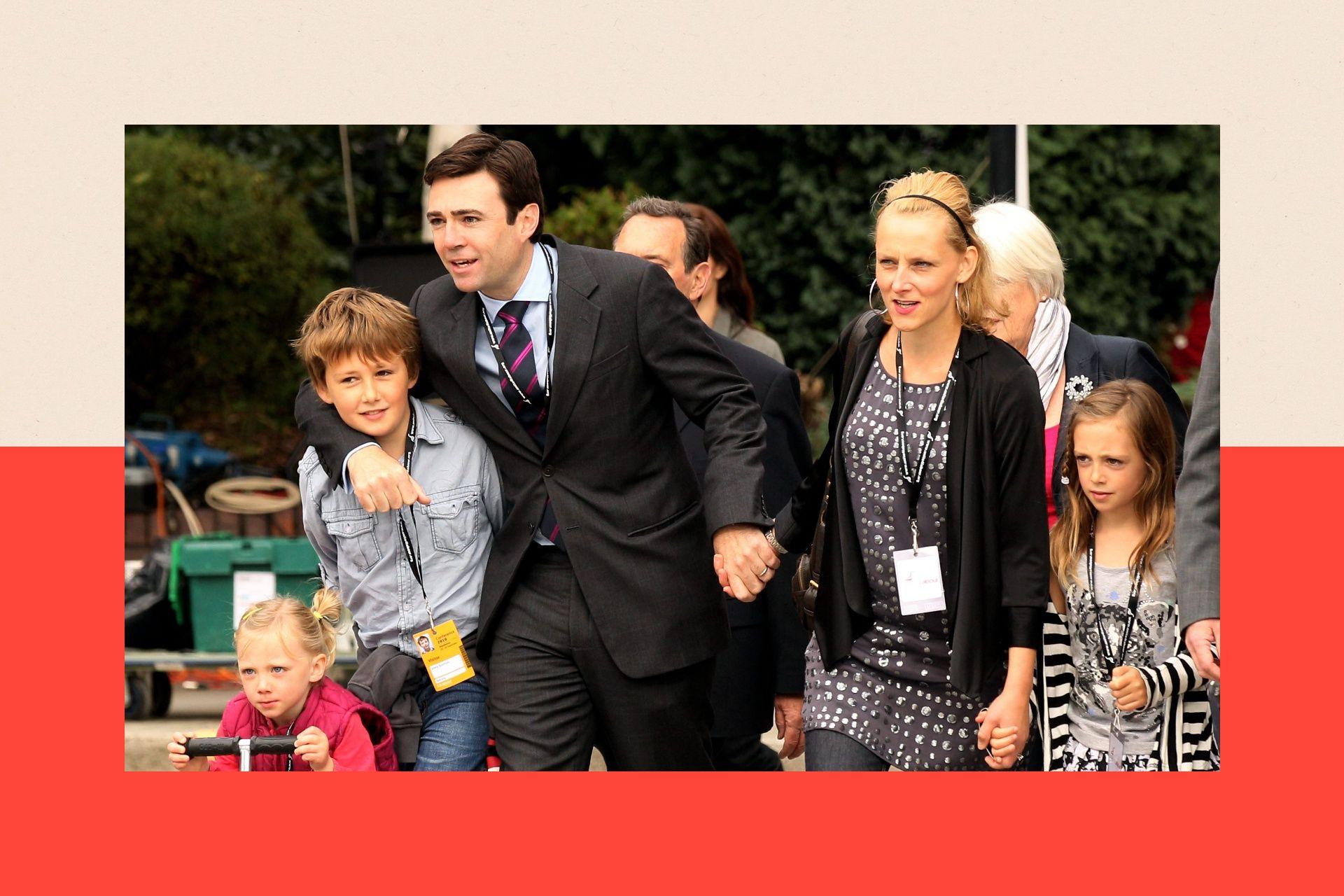
We know the kind of politician Andy Burnham is: a leader who thrives on human contact, is relaxed in the public eye, possesses extensive experience in diverse roles, and holds a strong set of personal convictions. But none of this guarantees he will lead Labour to a lasting recovery, let alone successfully navigate the enormous task of helping a disillusioned country thrive. A former minister highlights the vast gulf between any of his previous roles and the challenges awaiting him on Monday: "As a mayor and cabinet minister, Andy is used to taking decisions, the difference is the scale, variety, and above all else, the pace at which they come at a prime minister."
Another party insider warns: "We just don’t yet know if he can find more gears to transcend mayoral politics, take on a spluttering, post-Brexit economy, and turn it into a global competitor able to fund the kind of social programmes Labour voters expect." The economic landscape is undeniably tough. A cabinet minister predicts that "what he’ll find hard is the fiscal situation – there are a set of winners and losers with every decision, and people’s expectations are so high." His team is acutely aware that public patience is thin, and disillusionment with Labour runs deep: "We have six, maybe eight months where people might take another look."
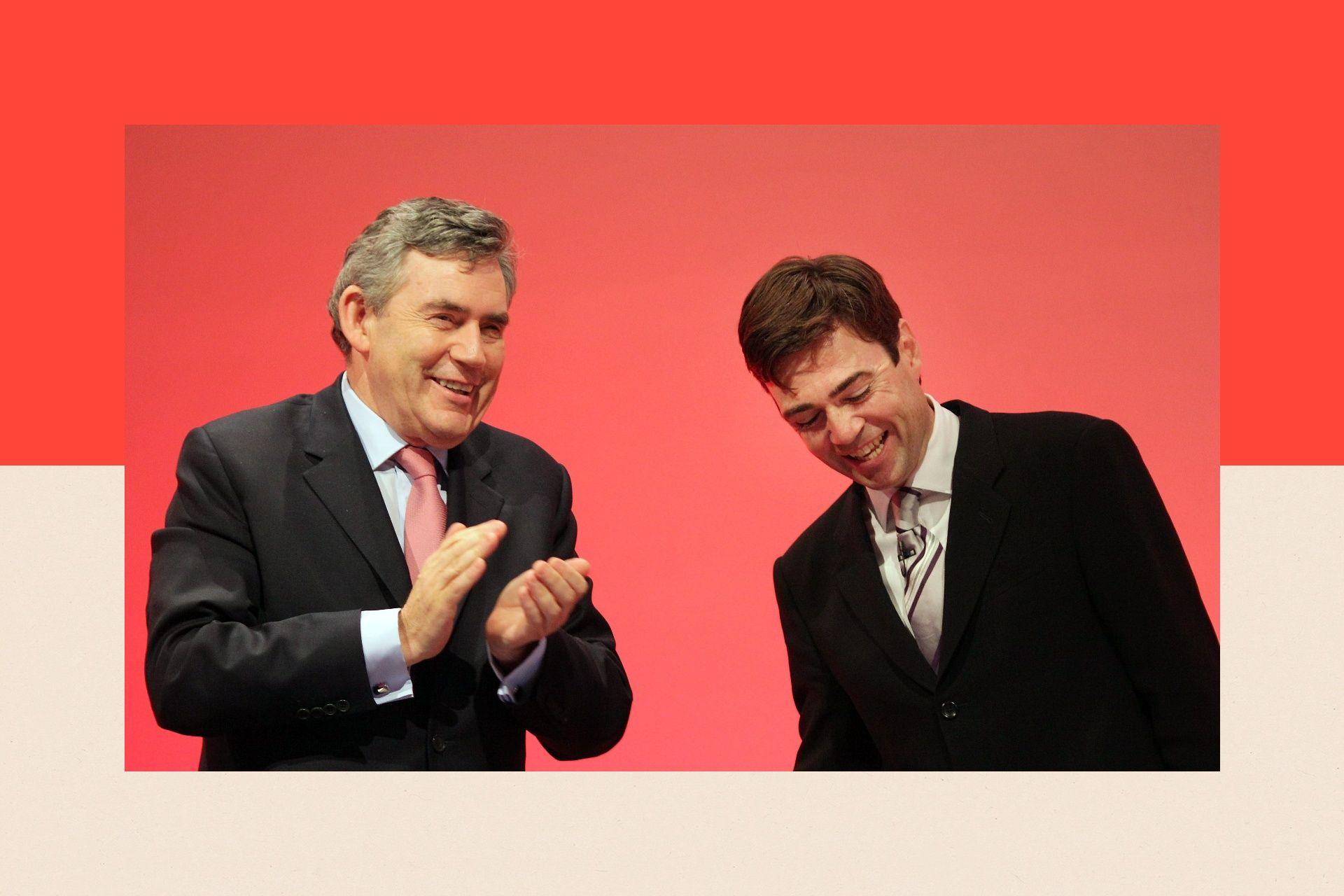
A lingering worry amongst some ministers is that the swift removal of Sir Keir Starmer has set a dangerous precedent, making "a distinct possibility there’ll be another leader before the next general election." This perspective suggests that by setting the bar so low for removing Starmer over bad poll ratings, Burnham has now "set expectations too high for himself – that’s his strategy – he has always made a grand entrance." Andy Burnham’s actual entrance into No. 10 is now only days away. Inevitably, much remains unknown, not least the precise composition of his cabinet or indeed whether Axel, the Burnham family dog, will move into No. 10 to provide a new rival for Larry the cat. But as the removal vans rev up once more in Downing Street, Burnham’s arrival offers Labour a crucial "second chance to make a first impression," according to one minister. It is an opportunity he has craved for decades, marking the dawn of yet another prime minister for us all.


 Nakalama John
 George Anjay
 atisusanti
 Roy Suryo