
 Ramos Leo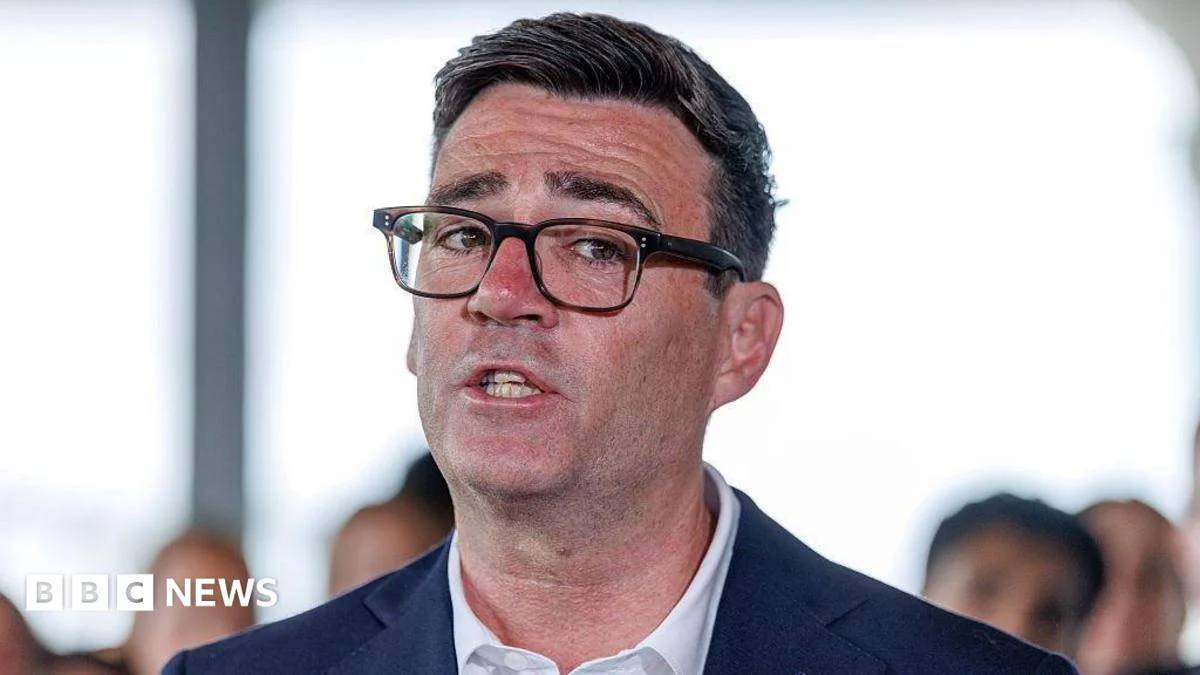
The digital ID scheme, which has been a source of considerable debate and public apprehension, was initially championed by Sir Keir Starmer, then a prominent figure within the Labour party, ahead of the party’s conference last year. Starmer had argued passionately for the mandatory implementation of digital ID for workers, asserting that such a system would be instrumental in making it significantly easier to clamp down on immigrants working illegally within the UK. Beyond its immigration enforcement capabilities, he also posited that a comprehensive digital ID system was a crucial step towards modernising the state itself, streamlining bureaucratic processes and enhancing efficiency.
Proponents of the scheme, including Starmer, highlighted its potential to empower citizens by providing a universally recognised and easily accessible method to prove their identity, thereby simplifying access to a wide array of key public and private services. The vision was one where individuals would no longer need to scramble to "hunt for utility bills" or other physical documents to verify their identity for essential transactions, from opening bank accounts to accessing healthcare. Instead, a single digital credential would suffice, offering unparalleled convenience and security in a rapidly digitising world.
However, the ambitious programme was not without its critics, particularly concerning its financial implications. The independent Office for Budget Responsibility (OBR) had, in its November forecast, estimated that the development and rollout of the digital ID scheme would incur a substantial cost of £1.8 billion over a three-year period. This figure immediately drew scrutiny and was promptly rejected by Downing Street at the time, indicating a pre-existing tension surrounding the project’s financial viability and value for money.
The initial proposals for a mandatory scheme also triggered a significant public backlash, culminating in a parliamentary petition that garnered nearly three million signatures opposing its introduction. This groundswell of public opinion, fuelled by concerns over privacy, data security, and potential government over-reach into personal lives, proved to be a critical turning point. In January of this year, in response to the widespread dissent, the then-government was compelled to significantly alter its approach. Ministers ultimately ditched the compulsory element of the scheme, opting instead to relaunch it as a voluntary initiative. The revised vision pitched digital IDs as a versatile tool that could eventually allow people to manage everything from their childcare arrangements to completing their tax returns seamlessly through a single, convenient "one-stop" app.
Despite the shift to a voluntary model, the initial handling of the policy continued to draw sharp criticism. Dame Karen Bradley, Chair of the influential Home Affairs Committee, weighed in soon after the changes, asserting that while the government was fundamentally right in its strategic decision to introduce digital ID, its execution of the launch was "nothing short of a fiasco." In a damning report detailing the committee’s investigation into the policy’s troubled inception and subsequent amendments, Dame Karen lambasted attempts to set out the plans, stating they had "raised fears of government over-reach into people’s lives," thereby eroding public trust and undermining the very premise of the modernisation effort. Her report underscored the importance of clear communication and robust public engagement when introducing such transformative technologies.
Burnham’s definitive announcement comes as he prepares to meet with King Charles III on Monday, a customary formality preceding his assumption of the highest office. His office made it clear that "one of the first things this government will do is put its focus where people need it right now," leaving little doubt about the immediate priorities of his administration. Scrapping the digital ID, a spokesperson elaborated, is not merely about cancelling a project; it signifies a strategic redirection of the substantial resources previously earmarked for the scheme. These funds will now be channelled towards addressing "people’s everyday priorities," a phrase consistently used by Burnham to encapsulate his government’s overarching agenda, which includes tackling inflation, supporting household incomes, and bolstering public services.
The decision has naturally elicited strong reactions from across the political spectrum. Reacting for the Conservative party, Shadow Technology Secretary Julia Lopez wasted no time in accusing Burnham of "trying to pretend he’s riding to the rescue" after, she claimed, Labour had already "wasted millions of pounds on this project" during its initial phases of development and consultation. Lopez went further, challenging Burnham to clarify the true state of affairs: "After pressure from the Conservatives, mandatory ID was already apparently off the table. Andy Burnham now needs to explain whether that was untrue, or whether he is simply claiming credit for a decision that had already been taken." Her comments suggest a narrative that the Conservatives had already forced the government’s hand on the compulsory aspect, implying Burnham’s announcement is more political posturing than genuine policy shift.
Meanwhile, Liberal Democrat MP Lisa Smart expressed a sense of relief, stating that people would be "hugely relieved to know they are no longer set to be forced to hand over their data just to go about their daily lives." Smart, a vocal critic of the scheme from its inception, reiterated her party’s long-held position: "We have long said the obscene sums earmarked for digital ID would be a huge waste of taxpayers’ money, and it’s a relief that Burnham has woken up to that," she declared in a formal statement. The Liberal Democrats have consistently championed individual privacy and prudent spending, aligning their stance closely with public concerns surrounding the digital ID initiative.
This update on digital IDs is not the only significant policy announcement from Burnham’s nascent administration. It follows closely on the heels of news that he will also announce plans for new oil and gas drilling in the North Sea after he becomes prime minister. This particular decision marks another notable deviation, or at least a nuanced interpretation, of previous Labour commitments. The Labour Party’s 2024 manifesto, which the new leader had publicly pledged to follow, had explicitly stated a commitment to not issue new oil and gas licences, though it did promise to honour existing ones.
While the precise details of the incoming prime minister’s oil and gas plans remain somewhat unclear, the expectation is that he will uphold the spirit of the manifesto commitment by focusing on existing operations. This means that the Labour leader could, for instance, pledge to accelerate existing plans to drill more in the North Sea, where a considerable number of oil and gas licences already approved in recent years remain largely undeveloped due to a variety of factors, including economic viability, regulatory hurdles, and fluctuating market conditions. Such a move would allow Burnham to argue he is boosting domestic energy security and creating jobs without issuing new licenses, thus navigating the tension between environmental pledges and immediate economic needs, particularly in the context of energy prices.
As Burnham meticulously prepares to take office on Monday, the political temperature continues to rise. Conservative leader Kemi Badenoch offered a sharp critique of his government’s nascent plans, dismissing them as "airy fairy" in an interview for Sunday with Laura Kuenssberg. Badenoch accused Burnham of being out of touch, suggesting he was "not aware of what the country’s priorities are." She further stressed the imperative for the country to have a leader ready to "take tough decisions," implying that Burnham’s early policy moves might be more about popular appeal than robust, long-term governance. Her comments set the stage for a period of intense political scrutiny and debate as the new Labour government begins its term, facing a complex array of economic, social, and environmental challenges. Burnham’s initial policy announcements suggest a government determined to project an image of pragmatism and responsiveness to immediate public concerns, even if it means revisiting previously held positions.




 Nakalama John
 atisusanti
 Roy Suryo
 Nana Banana
 George Anjay