
 George Anjay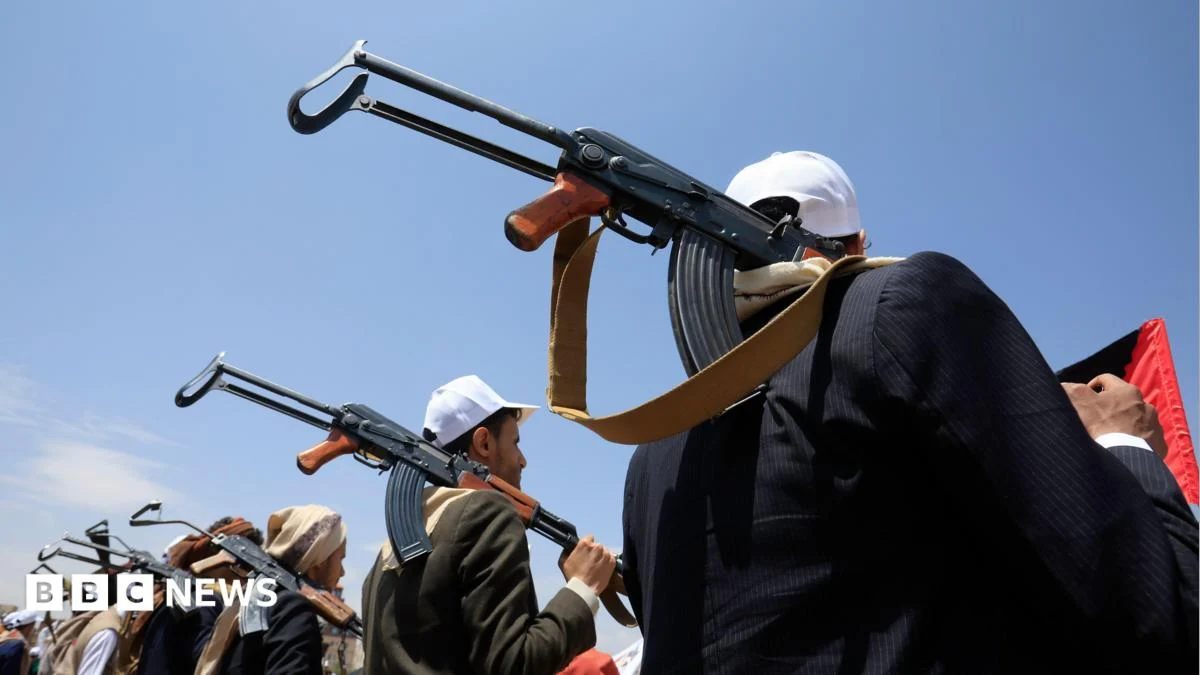
The escalating tensions in the Middle East have ignited a dangerous cycle of retaliatory strikes, with the Iranian-backed Houthis in Yemen claiming a missile attack on Saudi Arabia on Saturday, following a barrage of Saudi air strikes on Houthi targets in Yemen’s Hodeida port city and a nearby island on Friday. This volatile exchange occurred against a backdrop of a significant shift in regional military activity, marking the first time in two weeks that neither the United States nor Iran reported overnight air strikes.
Early on Saturday, the Houthis’ Ansarollah media outlet announced on Telegram that a "Yemeni missile strike" had successfully ignited fires in the Saudi city of Jizan, prompting emergency alerts for the surrounding province. This assertion of an offensive capability comes as a direct response to Friday’s aerial bombardment by Saudi forces, which the Houthis have vowed to retaliate against. The group’s statement emphasized that the Saudi targeting of civilian facilities in Hodeida and Kamaran island constituted a "dangerous escalation" and vowed that these "recent crimes will not go unanswered." Saudi authorities have yet to issue an immediate response to these latest claims and accusations.
The cessation of daily US strikes on Iran, which had been ongoing for thirteen consecutive nights, represents a notable pause in direct military engagement between Washington and Tehran. During this period, Iran had also engaged in drone strikes against US military facilities and bases throughout the Middle East. This brief lull in overt conflict, however, belies the underlying fragility of the situation and the potential for renewed confrontation.
Adding another layer of complexity to the already volatile regional dynamics, a delegation from Oman arrived in Tehran, Iran’s capital, for crucial talks concerning the Strait of Hormuz. Oman, strategically positioned controlling the strait’s southern coastline, plays a pivotal role in regional diplomacy. The Strait of Hormuz, a vital chokepoint for global oil shipments, has become a focal point of international concern and a potential flashpoint for wider conflict.
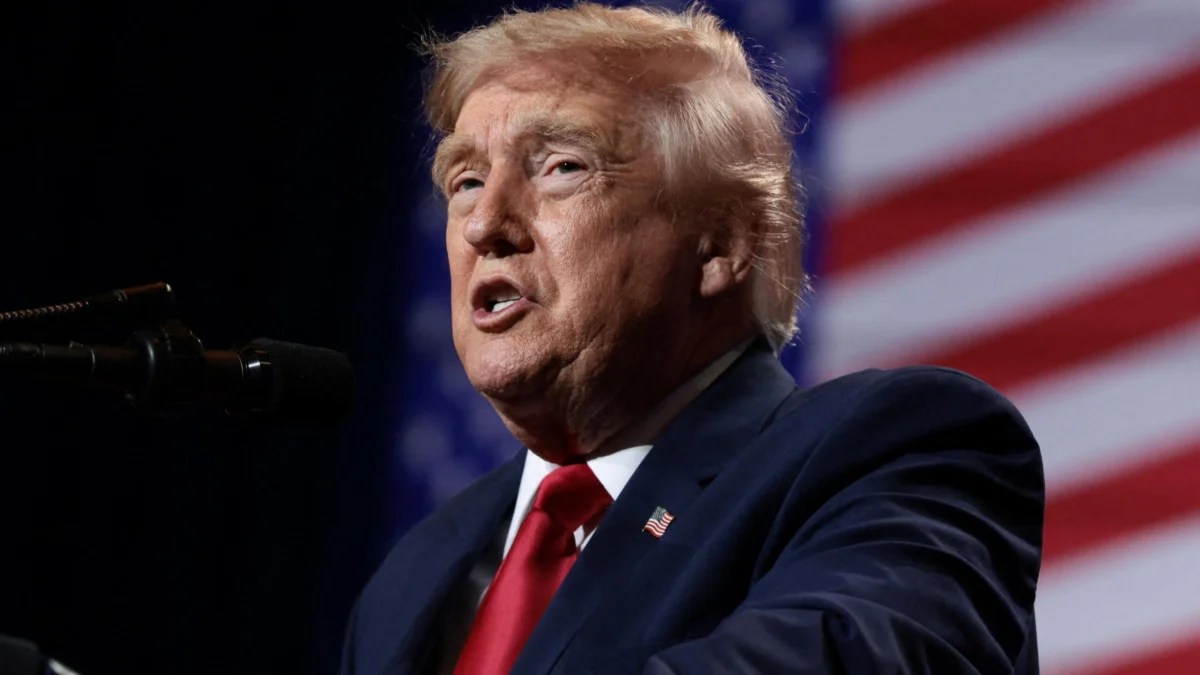
Earlier in the week, amidst this escalating geopolitical landscape, US President Donald Trump reiterated his administration’s tough stance on Iran, simultaneously threatening further attacks while acknowledging ongoing negotiations. Speaking to reporters at the White House on Friday afternoon, Trump stated, "We are talking to them. I think they’re being serious. I think… they are being by far the most serious that we’ve seen them, but that doesn’t mean we get there." When pressed about an exit strategy from the Iran conflict, Trump outlined two potential paths: a prolonged military engagement that would "keep going just the way we are, and we can even make it a heavier dose, and it’s knocking out everything they have," or a "smarter strategy that you make a deal." Despite the talk of negotiations, Trump concluded with a stark warning: "We’re locked and loaded. We’re ready to go."
The simmering tensions manifested in a direct confrontation in the Strait of Hormuz on Friday, when the US military announced it had fired upon and disabled a tanker ship in the Gulf of Oman. The US military stated that the vessel was attempting to evade the American blockade on Iranian ports. This incident marks the second commercial ship disabled by the US since the reimposition of its blockade earlier this month. Navy Captain Tim Hawkins, spokesperson for US Central Command, elaborated on the encounter, telling AFP, "We disabled the tanker after the crew attempted to run the blockade at least four times prior." He added, "The crew was repeatedly warned, didn’t comply, and US forces on scene disabled the ship after firing into its engine room. The ship is no longer transiting to Iran."
The persistent threats to maritime security, particularly the growing concern over new threats to shipping in the Red Sea emanating from Yemen’s Houthi rebels, have had a tangible impact on global energy markets. This week, the price of crude oil surged back above $100 a barrel, reaching its highest level since May, reflecting market anxieties about potential supply disruptions. However, by Friday afternoon, Brent futures saw a decline of more than $4, settling just over $96 a barrel. According to Reuters, this drop occurred after two Chinese-chartered supertankers successfully navigated the Bab el-Mandeb Strait, a key maritime route connecting the Red Sea to the Gulf of Aden.
In a significant diplomatic development, the United States and the United Kingdom are scheduled to convene a conference in London next week to discuss the critical issue of the Strait of Hormuz. The BBC has learned that US Defense Secretary Pete Hegseth and Chairman of the Joint Chiefs of Staff Dan Caine are expected to attend this conference, which was initially reported by Axios. This international gathering underscores the global implications of the ongoing tensions and the urgent need for coordinated strategies to ensure freedom of navigation.
Adding to the diplomatic calendar, Israeli Prime Minister Benjamin Netanyahu is slated to meet with President Trump at the White House on Tuesday, a meeting that is likely to address regional security concerns, including the Iranian threat.
The current volatile situation stands in stark contrast to an agreement reached in June between the US and Iran. At that time, the two nations reportedly agreed on a 14-point Memorandum of Understanding (MOU) aimed at halting military operations, reopening the Strait of Hormuz, and ultimately reaching a comprehensive agreement to end the war within 60 days. However, barely three weeks after its signing, President Trump declared the ceasefire "over," citing Iranian attacks on ships in the strait and subsequent US retaliatory strikes. This historical context highlights the cyclical nature of engagement and conflict between the US and Iran, and the inherent challenges in achieving lasting de-escalation. The current events, therefore, represent a dangerous escalation in a long-standing and complex geopolitical struggle, with significant implications for regional stability and global energy security. The ongoing exchanges of fire between Saudi Arabia and the Houthis, coupled with the US military’s assertive actions in the Strait of Hormuz, paint a grim picture of a region teetering on the brink of wider conflict.



 Roy Suryo

 Nakalama John
 atisusanti
 Ramos Leo
