Nana Banana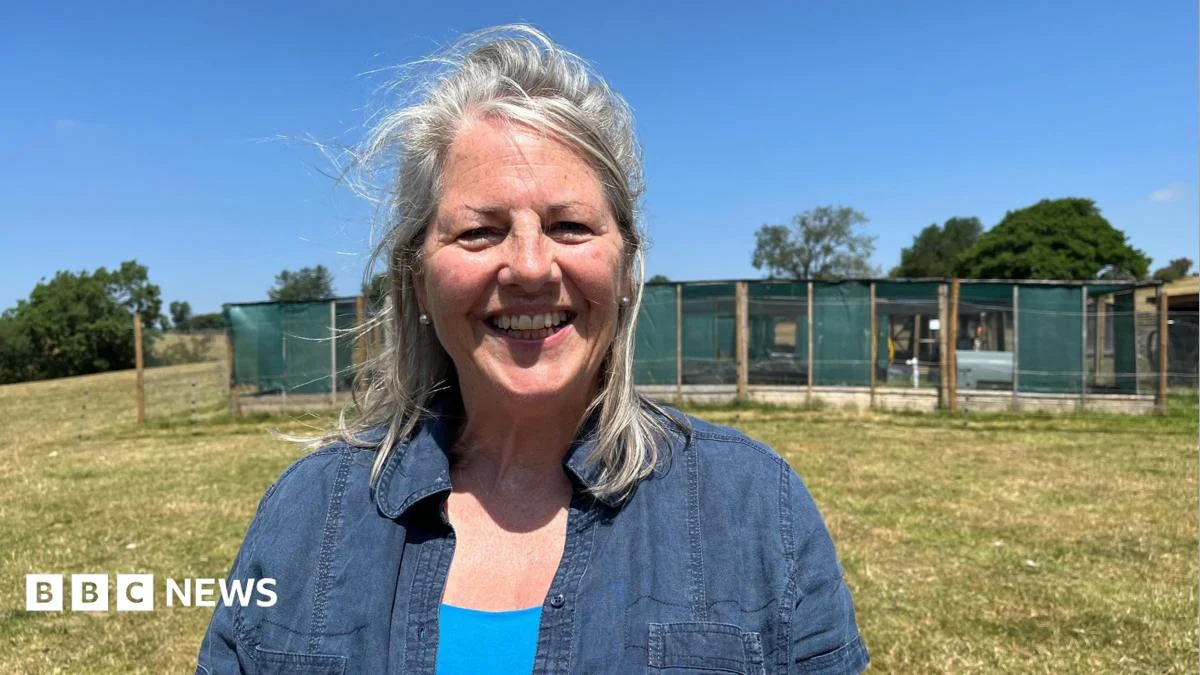
Forty-eight young curlews have been successfully released back into their natural habitat within the Shropshire Hills and Welsh Marches, marking a critical step in concerted efforts to protect this rapidly declining species. This significant intervention, spearheaded by the dedicated non-profit organisation Curlew Country, aims to bolster the local population of the Eurasian curlew, an iconic wading bird whose melancholic call is increasingly rare across the British landscape. The species has suffered such precipitous declines that it now holds a place on the UK’s Red List of highest conservation concern, signifying a dire need for urgent action.
The Eurasian curlew (Numenius arquata), easily identifiable by its distinctive long, down-curved bill, mottled brown plumage, and slender legs, is a charismatic and integral part of the Shropshire ecosystem. Its presence is traditionally associated with damp grasslands, moorlands, and agricultural pastures, particularly during the breeding season. However, decades of habitat loss, intensified agricultural practices, increased predation, and climate change have severely impacted its numbers. Across the UK, curlew populations have plummeted by an estimated 60% since the 1980s, making it one of the country’s most threatened breeding birds. In some regions, including parts of England, declines have been even more drastic, with certain areas witnessing losses of over 80%.
Curlew Country, a beacon of hope for this beleaguered bird, operates with a clear mission: to reverse the fortunes of the curlew in its core operating area. Led by the passionate conservationist Amanda Perkins, the organisation has been at the forefront of innovative strategies to improve the chances of Shropshire’s curlews, ensuring the young birds receive the best possible start in life amidst a challenging environment. Perkins notes that while the project has "started to stabilise the population, it’s not the long-term solution," underscoring the complexity and ongoing nature of the conservation challenge.
The primary method employed by the team, known as "headstarting," involves a meticulous and resource-intensive process. This technique begins with the careful collection of eggs from wild nests that have been identified as being at extremely high risk of failure. These nests are often located in areas vulnerable to agricultural operations, livestock disturbance, or high predator activity. Under strict licensing from Natural England, the eggs are then transported to a specially constructed rearing facility. Here, they are incubated in controlled conditions, mimicking the warmth and humidity of a natural nest, until they hatch.
Once hatched, the vulnerable curlew chicks are raised in secure, predator-proof pens designed to replicate elements of their natural environment while offering protection from the myriad threats they would face in the wild. The pens provide ample space for the chicks to grow, forage for natural insect prey, and develop crucial survival skills. The Curlew Country team employs strict protocols to minimise human interaction, preventing imprinting and ensuring the young birds retain their natural wariness and wild instincts. This delicate balance is crucial for their successful reintegration into the wild. The chicks are cared for until they are strong enough to fledge – developing their flight feathers and becoming independent enough to survive on their own.
The rationale behind headstarting is starkly supported by alarming data collected by Curlew Country’s extensive monitoring efforts. "Our monitoring […] showed that no chick survived to fledging from any of the nests we looked at," Amanda Perkins revealed, highlighting the dire situation that necessitated such an intervention. In the wild, curlew nests and chicks face an onslaught of threats. Agricultural machinery, such as mowers and cultivators, can inadvertently destroy nests or kill young birds. Livestock, particularly cattle and sheep, can trample eggs and chicks. However, perhaps the most significant challenge comes from predation. Generalist predators like foxes, badgers, stoats, weasels, and corvids (crows, magpies, jays) thrive in human-modified landscapes and often exert immense pressure on ground-nesting birds like curlews. Weather events, too, can play a role, with prolonged periods of rain or cold being particularly detrimental to young chicks.
Perkins candidly describes the headstarting process, which is rigorously licensed by Natural England, as "a sort of sticking plaster." This analogy perfectly encapsulates the project’s immediate goal: to prevent the collapse of the local population by artificially boosting chick survival rates, thereby buying precious time. It is a desperate but necessary measure to "hold the situation" until more sustainable, long-term solutions can be implemented to address the fundamental issues preventing natural breeding success. "In the wild, these chicks aren’t surviving," she reiterates, underscoring the urgency and necessity of this intensive intervention.
While headstarting offers a vital lifeline, Curlew Country is acutely aware that it is not a panacea. The ultimate goal is to establish conditions where curlews can successfully breed and fledge their young without human intervention. This requires a multi-faceted approach that extends far beyond the rearing pens. Central to this long-term vision is extensive habitat restoration and creation. This involves working closely with landowners and farmers across the Shropshire Hills and Welsh Marches to create and manage curlew-friendly habitats. These efforts include the restoration of wet grasslands, traditional hay meadows, and rush pastures – environments rich in the invertebrates that curlew chicks need to thrive and offering the necessary cover for nesting. Re-wetting peatlands and ensuring sensitive grazing regimes also play a crucial role in enhancing the landscape for these birds.
Furthermore, Curlew Country actively engages in farmer outreach and education, promoting curlew-friendly farming practices. This can involve delaying mowing dates in fields where curlews are known to nest, creating uncultivated margins, and managing ditch lines to provide safe foraging areas. Recognising the economic pressures on farmers, the organisation also helps facilitate access to environmental stewardship schemes and provides advice on how to integrate conservation measures with agricultural productivity. Such collaborative efforts are vital, as farmers are often the frontline custodians of the landscapes curlews depend on.
Predator management is another complex but essential component of the long-term strategy. While headstarting protects chicks in their early, most vulnerable stages, wild nests still face significant threats. Curlew Country, in collaboration with licensed professionals, implements ethical and targeted predator control measures in specific areas where predation pressure is demonstrably impacting curlew breeding success. This is done under strict guidelines and aims to create safe havens for nesting birds without widespread, indiscriminate culling.
Beyond the immediate actions, ongoing research and monitoring are fundamental to Curlew Country’s work. The released headstarted birds are often fitted with lightweight leg rings or even small transmitters to track their movements, understand their dispersal patterns, identify key breeding and wintering sites, and assess their survival rates. This invaluable data informs future conservation strategies, helping to refine techniques and allocate resources most effectively. Understanding the birds’ behaviour post-release is crucial for measuring the success of the headstarting programme and for identifying any unforeseen challenges.
The project also places significant emphasis on public awareness and engagement. Educating local communities, visitors to the Shropshire Hills, and the wider public about the plight of the curlew and the importance of its conservation is paramount. This includes explaining how people can help, whether through responsible countryside use, reporting sightings of curlews, volunteering with the organisation, or contributing financial support. The iconic status of the curlew makes it a flagship species, and its survival can inspire broader efforts to protect other threatened wildlife and habitats.
The release of these 48 young curlews represents a moment of cautious optimism for the species in Shropshire. While Amanda Perkins’ description of headstarting as a "sticking plaster" highlights the severity of the situation and the temporary nature of this particular solution, it also underscores the dedication and innovation required to prevent extinction. The ultimate success will be measured not just by the immediate survival of these released birds, but by the establishment of a robust, self-sustaining wild curlew population, once again filling the Shropshire skies with their evocative calls and signifying a healthy, balanced landscape for generations to come. This ambitious goal requires continued commitment, collaboration, and a deep understanding of both the birds and the environment they inhabit.



 Roy Suryo