George Anjay
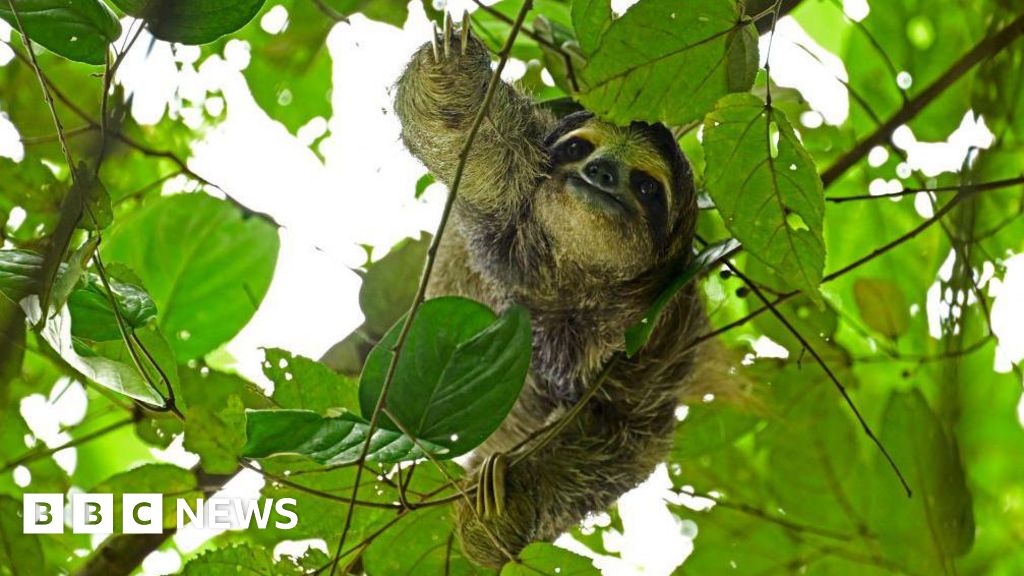
A planned Florida attraction called Sloth World is facing severe scrutiny after it was revealed that 31 sloths intended for exhibition died before the facility could even open its doors to the public. The tragic loss of these animals, documented in a report by the Florida Fish and Wildlife Conservation Commission (FWC), raises serious questions about animal welfare standards and the oversight of wildlife attractions. Sloth World, advertised as Orlando’s premier "slotharium" with a "rainforest-inspired habitat designed exclusively with sloth well-being in mind," is now embroiled in controversy, with its owner denying the allegations and attributing the deaths to a virus.
The FWC report, obtained by the BBC, details two separate incidents leading to the sloths’ demise. The first occurred in December 2024, when a shipment of 21 sloths from Guyana perished due to inadequate conditions at a Florida warehouse. Investigators found that the animals were subjected to cold temperatures, a stark contrast to their native tropical rainforest environment where temperatures typically range between 70°F and 86°F (21°C – 30°C). Historical weather data for the week following their arrival on December 18, 2024, showed temperatures dropping as low as 46°F (7°C). According to the report, the warehouse lacked proper heating, and space heaters that were purchased tripped a fuse and shut down, leaving the sloths exposed to the cold for at least one night.
The second incident, in February 2025, involved a shipment of 10 sloths from Peru. Two of these animals arrived in Florida already deceased, while the remaining eight "appeared emaciated" and subsequently died from "poor health issues."
Ben Agresta, the owner of Sloth World, has strongly refuted the FWC’s findings, stating that "so much false and inaccurate information out there right now." He asserted that the sloths had succumbed to a virus with minimal, undetectable symptoms, even after necropsy. Despite these claims, the FWC investigation points to a confluence of factors, including environmental conditions and the health of the animals upon arrival, as contributing to the deaths.
Peter Bandre, identified online as the attraction’s vice-president and described in promotional materials as "one of the most respected sloth experts in the world," informed FWC investigators that the warehouse was not adequately prepared to receive the animals. He admitted it was "too late to cancel the shipment" and attributed the deaths to "cold stun." The FWC report also noted that in two instances, sloths under Bandre’s care were housed in cages that did not meet captive wildlife requirements, resulting in a verbal warning being issued.
The FWC concluded its investigation into the animal deaths without issuing written warnings or citations. However, the agency confirmed that other regulatory bodies are conducting their own inquiries. The Orange County’s Building Safety’s office has since posted a stop-work order at the warehouse, citing alleged violations of state building codes and county rules.
The opening of Sloth World, located in a popular tourist area of Orlando, remains uncertain. While the FWC states that the owner possesses a valid permit for exhibiting or selling wildlife, the mounting concerns have led to criticism from lawmakers and animal rights advocates.
Florida state Representative Anna Eskamani highlighted a "major gap" in wildlife permit regulations, noting that the FWC is not automatically notified of animal deaths. She emphasized the importance of "everyday people who care and reported these deaths," suggesting that without such vigilance, the FWC might not have learned about the fatalities promptly.
Organizations such as the Sloth Conservation Foundation and The Sloth Institute had previously expressed reservations about Sloth World’s planned opening. Sam Trull, executive director of The Sloth Institute, elaborated on the inherent risks associated with removing sloths from their natural habitat and transporting them internationally. He explained that such a transition often leads to severe health complications due to changes in diet and exposure to artificial environments, frequently resulting in death for captured sloths.
Adding to the unfolding situation, local media reports indicate that more than a dozen remaining sloths destined for Sloth World are now under the care of another zoo in Central Florida, highlighting the ongoing efforts to ensure the welfare of the surviving animals.
The case of Sloth World underscores the critical need for stringent regulations and enforcement concerning the welfare of exotic animals intended for public display. The tragic loss of 31 sloths serves as a stark reminder of the potential dangers faced by these sensitive creatures when subjected to inadequate care and unsuitable environments. As investigations continue, the public will be watching closely to see how these issues are addressed and what measures will be put in place to prevent similar tragedies in the future, ensuring that the pursuit of animal attractions does not come at the cost of animal lives. The future of Sloth World, and indeed the ethical considerations surrounding such ventures, hang precariously in the balance.



 Nakalama John
 Ramos Leo
 Nana Banana