Nana Banana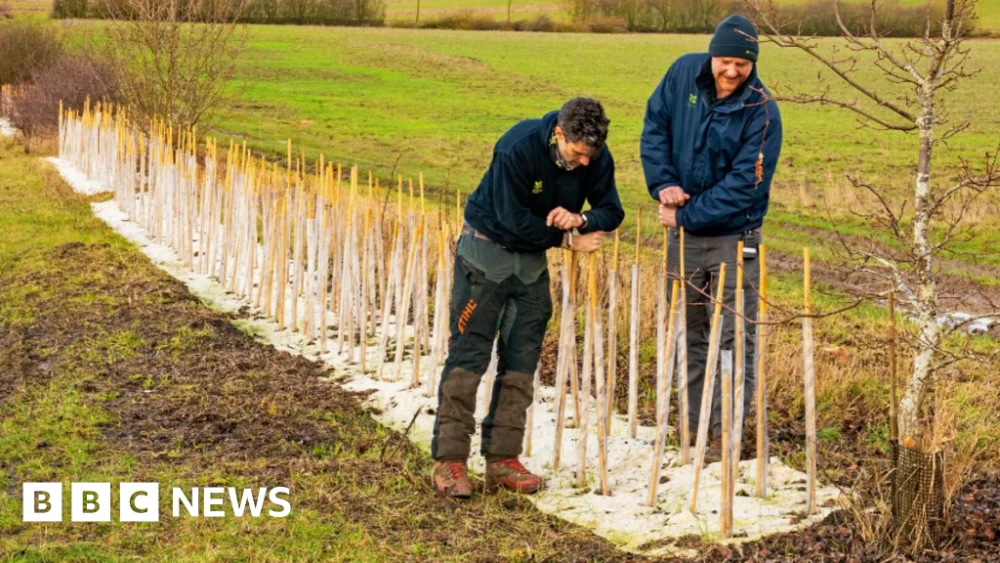
A monumental 10-year hedgerow restoration programme, spearheaded by the National Trust, is now well underway at its expansive Wimpole Estate in Cambridgeshire. This ambitious initiative represents a significant commitment to enhancing biodiversity, improving landscape resilience, and supporting sustainable farming practices across the 1,000-hectare (approximately 2,500-acre) historic estate. The project aims to rejuvenate, restore, and expand the vital network of hedgerows that crisscross the landscape, ultimately planning to plant or restore an impressive 23 kilometres (around 14 miles) of these crucial ecological features. This long-term commitment underscores the National Trust’s dedication to nature conservation and its holistic approach to land management, recognising hedgerows as fundamental components of a healthy and productive rural environment.
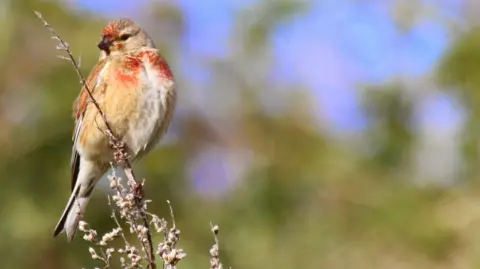
Hedgerows are far more than mere field boundaries; they are linear oases of biodiversity, serving as critical habitats and wildlife corridors in agricultural landscapes. The National Trust’s vision for Wimpole extends beyond simply replacing what was lost; it seeks to create a robust and interconnected network that will thrive for generations. These flourishing hedgerows will provide essential food sources, shelter, and breeding grounds for a diverse array of flora and fauna, from insects and small mammals to a multitude of bird species. The project specifically aims to support rare farmland birds, such as the charming linnet, which relies heavily on dense hedgerows for nesting sites and foraging opportunities, feasting on seeds from various hedgerow plants. By increasing the density and diversity of these habitats, Wimpole Estate will become a more vibrant haven for wildlife, contributing significantly to regional and national biodiversity targets.
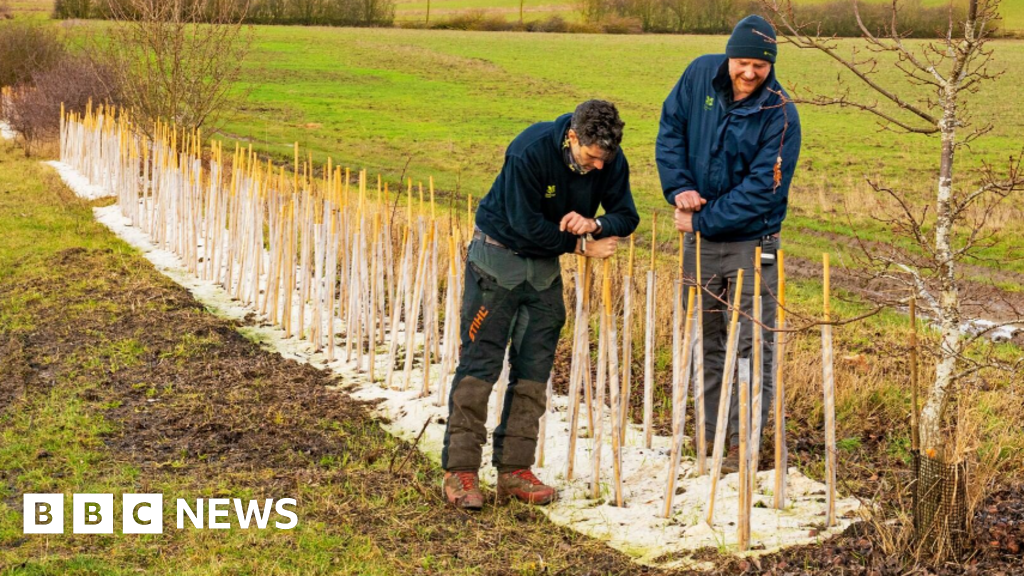
Beyond their ecological value, the restoration of these hedgerows is strategically designed to provide substantial benefits to the working farm at Wimpole. In a changing climate, robust hedgerows act as natural firebreaks, helping to mitigate the spread of potential wildfires, a growing concern in drier periods. Their dense root systems are incredibly effective at preventing soil erosion, particularly on exposed arable land, by binding the soil and reducing the impact of wind and rain. Furthermore, hedgerows play a crucial role in water management, slowing down runoff and improving water infiltration into the ground. They also support beneficial insect populations, acting as natural pest control agents for crops, thereby reducing the need for chemical interventions. This multi-functional approach highlights how ecological restoration can be integrated seamlessly with productive agriculture, creating a resilient and sustainable farming model.
Dave Hassall, Wimpole’s dedicated farm and countryside manager, articulated the profound impact of the project, stating, "Each section of hedge that we restore makes the whole network bigger and better." He emphasised that this incremental restoration significantly improves "how the landscape functions as a connected system and making it more resilient to our changing climate." His vision highlights the interconnectedness of natural systems, where the health of individual hedgerows contributes to the overall ecological integrity and robustness of the entire estate. This resilience is vital in an era of increasing environmental variability, allowing the landscape to better withstand extreme weather events and ecological pressures.
Wimpole Estate itself is a cherished jewel in the National Trust’s portfolio, encompassing not only a magnificent mansion but also sweeping parkland, meticulously maintained gardens, and a thriving working farm. The estate’s landscape has evolved over centuries, with hedgerows historically playing a crucial role in demarcating fields, containing livestock, and providing resources. However, like many agricultural landscapes across the UK, Wimpole’s hedgerows have suffered from decline, with many becoming gappy, overgrown, or even disappearing entirely due to changing farming practices and lack of maintenance. The long-term programme, which was meticulously developed throughout 2023, directly addresses this historical decline, aiming to re-establish the health and extent of these vital green arteries.

The initial phase of the restoration, carried out over the past winter, has already seen remarkable progress thanks to the combined efforts of National Trust staff and a dedicated team of volunteers. During this intensive period, an impressive 30,000 young native trees and shrubs were carefully planted, laying the groundwork for future hedgerow sections. Simultaneously, 2.3 kilometres (approximately 1.4 miles) of existing hedgerows underwent significant restoration through traditional techniques such as coppicing and hedgelaying. This hands-on work by the community and experts alike underscores the collaborative spirit driving the project, with volunteers gaining valuable skills and a deeper connection to the landscape they are helping to restore.
Hedgelaying is an ancient craft that rejuvenates and strengthens existing hedgerows, transforming gappy, straggly lines into dense, stock-proof barriers. The technique involves partially cutting the main stems of the hedgerow plants near their base, bending them over horizontally, and weaving them together with stakes. This process, while seemingly drastic, stimulates vigorous new growth from the base of the plant, creating a thick, impenetrable barrier at ground level and encouraging a profusion of flowering and fruiting branches along the length of the hedge. As Dave Hassall noted, "Laying and coppicing hedgerows can seem quite extreme, but the hedges quickly grow back bigger and better than before," producing a dense, healthy structure that provides superior shelter and food for wildlife and livestock.
Coppicing is another traditional woodland management technique applied to older, overgrown hedgerow sections. This involves cutting the woody stems of trees and shrubs down to ground level. Rather than killing the plant, this encourages multiple new shoots to emerge from the stump, creating a dense, multi-stemmed bush. Coppicing not only revitalises the plant, extending its lifespan, but also provides a sustainable source of wood products and creates varied habitat structures that are beneficial for ground-nesting birds and small mammals seeking refuge. Both hedgelaying and coppicing are ecological interventions that work with nature’s regenerative power, ensuring the long-term health and vitality of the hedgerow network.
The comprehensive 10-year plan details a systematic approach to hedgerow recovery across the estate. Approximately 10% of the farm’s existing hedges are slated for coppicing to promote dense, healthy regrowth. A significant 6.7 kilometres (4.1 miles) of hedgerows will undergo traditional hedgelaying, restoring their structural integrity and ecological function. Crucially, 13.8 kilometres (8.6 miles) of entirely new hedgerow will be planted, connecting fragmented sections and extending the network into new areas. This ambitious planting programme will involve approximately 83,000 native trees and shrubs, carefully selected for their ecological value and suitability to the Cambridgeshire landscape. Species such as hawthorn, blackthorn, field maple, hazel, dog rose, and elder will form the backbone of these new and restored hedges, ensuring a diverse and resilient plant community.
This extensive hedgerow restoration at Wimpole Estate is more than just a local project; it reflects the National Trust’s broader commitment to nature recovery across its properties. By revitalising these essential landscape features, Wimpole is not only securing a future for its own unique ecosystem but also contributing to wider national efforts to reverse biodiversity decline and build a more resilient natural environment. The project serves as a powerful example of how heritage conservation and sustainable land management can converge to create lasting benefits for both nature and people, ensuring that Wimpole Estate remains a thriving natural and cultural asset for generations to come.

 Ramos Leo
 atisusanti
 Roy Suryo
 George Anjay