
 atisusanti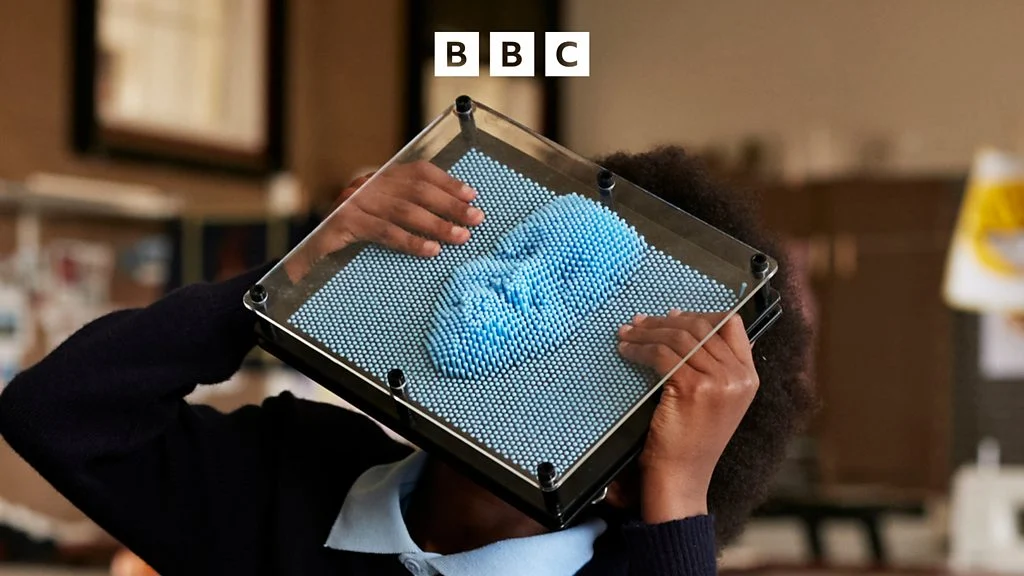
A chilling new threat is emerging for educational institutions: the weaponization of student photographs for malicious deepfake AI content, leading to potential ransoms and severe reputational damage. The BBC Sounds program "Tech Life" on World Service, presented by Chris Vallance and produced by Imran Rahman-Jones, delves into this disturbing trend in its episode "School deepfake ransoms," aired on August 11, 2026. The episode, available for over a year, highlights the alarming ease with which publicly shared images of children can be manipulated to create distressing deepfake material, posing a significant risk to students, parents, and the schools themselves.
Traditionally, schools have relied on sharing photographs of their pupils online for a variety of legitimate purposes, including celebrating academic and extracurricular achievements, showcasing school events, and as a vital marketing tool to attract prospective students and engage the wider community. However, the very accessibility of these images, often posted with the best intentions, has inadvertently created a fertile ground for criminals. These perpetrators are now exploiting these readily available visual assets to generate sophisticated deepfake AI images, which can then be used for extortion, harassment, or other nefarious purposes. The episode features an interview with the founder of a company claiming to have developed a solution to combat this growing menace, offering a glimmer of hope in a landscape increasingly fraught with digital peril.
The implications of this evolving threat are far-reaching. For students, the creation of deepfake content can lead to profound emotional distress, reputational harm, and even cyberbullying. The images, often fabricated to depict them in compromising or offensive situations, can have a lasting impact on their mental well-being and social standing. Parents are understandably concerned about the safety and privacy of their children in the digital realm, and the rise of deepfake technology exacerbates these anxieties, leaving them feeling vulnerable and ill-equipped to protect their offspring from such sophisticated forms of abuse.
Educational institutions, too, face a significant crisis. The potential for deepfake content to tarnish a school’s reputation is immense. Allegations or fabricated imagery associated with a school or its students can lead to public outcry, a loss of trust from parents and the community, and potentially a decline in enrollment. The administrative and legal burdens of dealing with such incidents can also be substantial, diverting valuable resources and attention away from core educational objectives. The episode underscores the urgent need for schools to implement robust digital safety policies and to proactively address the risks associated with the online sharing of student imagery.
The company featured in the "Tech Life" episode claims to offer a technological solution to this problem. While the specifics of their approach are not detailed in the episode summary, it is implied that their technology aims to either detect or prevent the misuse of student images for deepfake creation. This could involve advanced image recognition algorithms, digital watermarking techniques, or perhaps even proactive monitoring of online platforms for manipulated content. The involvement of a company dedicated to developing such countermeasures suggests a growing industry response to the emerging threats posed by AI-generated misinformation and malicious content.
Beyond the central theme of deepfake ransoms, the "Tech Life" episode also explores other fascinating advancements in technology. It highlights the incredible ways graphene, a revolutionary material, can be used to augment human senses. This includes its potential application in developing sophisticated diagnostic tools capable of detecting diseases by analyzing subtle changes in scent, a concept that opens up new avenues for early detection and personalized medicine. This exploration of graphene’s potential underscores the rapid pace of innovation and the transformative power of cutting-edge materials science.
Furthermore, the program shines a light on the ingenuity of a student with dyslexia who developed their own technological solution to overcome academic challenges. This narrative serves as an inspiring testament to the power of individual innovation and the ability of technology to level the playing field for those with learning differences. It highlights how personal struggles can be a catalyst for creative problem-solving, leading to the development of practical and effective tools that can benefit not only the individual but potentially many others. This segment emphasizes the importance of fostering an inclusive environment where diverse learning needs are met with tailored technological support.
The episode’s presenter, Chris Vallance, is a seasoned broadcaster known for his ability to demystify complex technological topics for a broad audience. His co-producer, Imran Rahman-Jones, brings a wealth of experience in producing engaging and informative audio content for the BBC World Service. Together, they have crafted an episode that not only raises awareness about a critical emerging threat but also offers insights into the broader landscape of technological innovation and its impact on society.
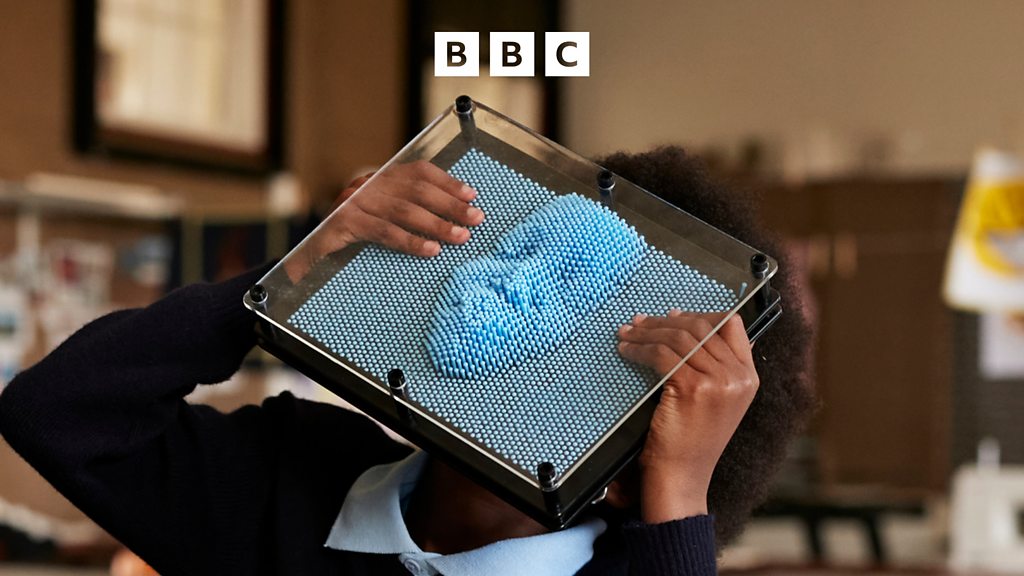
The image accompanying the episode, depicting a child pressing a metal pin impression toy over their face to obscure their identity, serves as a poignant visual metaphor for the vulnerability of children in the digital age and the urgent need for protective measures. It encapsulates the core concern: how to shield young individuals from the potential harms of an increasingly interconnected and technologically advanced world. The "School deepfake ransoms" episode of "Tech Life" is a crucial listen for educators, parents, and anyone concerned about the ethical implications of artificial intelligence and the future of online safety. It serves as a stark reminder that as technology advances, so too must our vigilance and our commitment to safeguarding the most vulnerable among us. The availability of this episode for over a year indicates its enduring relevance and the persistent nature of the challenges it addresses.



 Nana Banana
 George Anjay
 Nakalama John
 Ramos Leo