
 atisusanti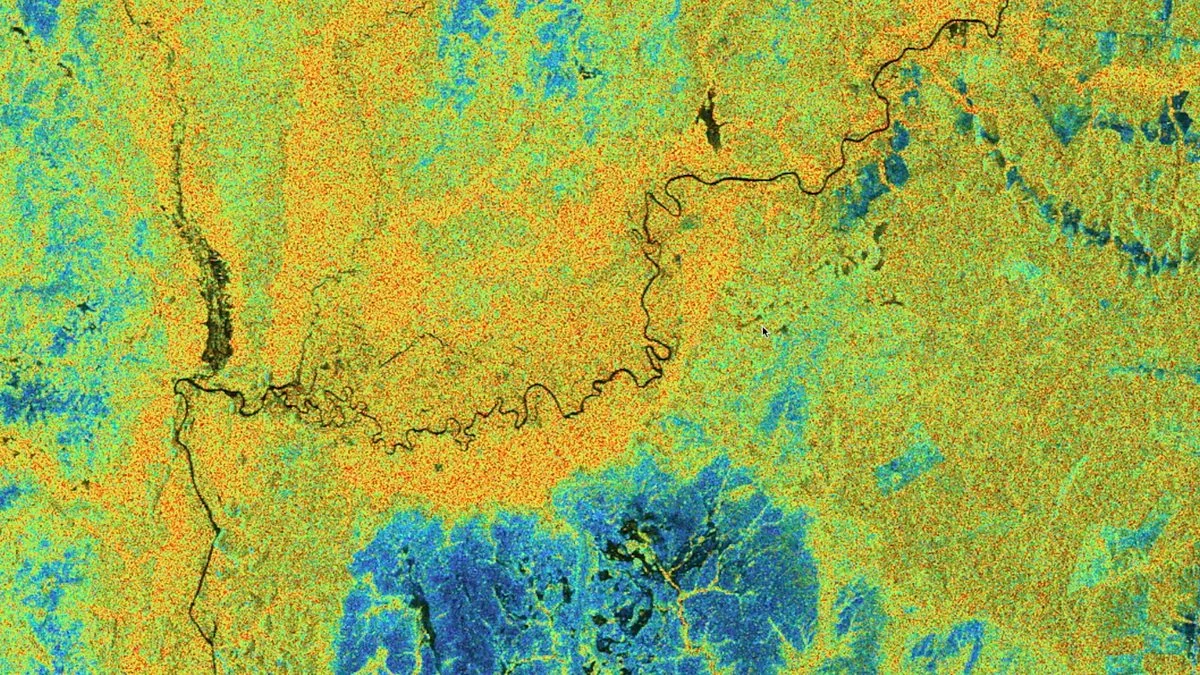
The urgent need to safeguard our planet’s vital rainforests is increasingly being met by an unprecedented wave of technological innovation. From the dense canopies of the Amazon to the ancient forests of Borneo, a silent revolution is underway, employing cutting-edge tools to monitor, understand, and ultimately protect these invaluable ecosystems. Yasmin Morgan-Griffiths delves into this burgeoning field, exploring how new technologies are enabling us to measure and analyze the world’s forests with a granularity previously unimaginable, while Suranjana Tewari offers a fascinating glimpse into the heart of a robotics factory in Beijing, a hub of innovation where the machines that could become our forest guardians are being brought to life.
Historically, forest monitoring has been a labor-intensive and often dangerous undertaking. Ground-based surveys, while valuable, are limited in scope and can take years to cover vast tracts of land. Satellite imagery has provided a broader perspective, but its resolution often struggles to capture the intricate details crucial for effective conservation. Now, a confluence of advancements in artificial intelligence (AI), remote sensing, drone technology, and data analytics is transforming our ability to track deforestation, monitor biodiversity, and even predict threats before they escalate.
One of the most significant breakthroughs lies in the realm of AI-powered image analysis. High-resolution satellite imagery, coupled with aerial photography from drones equipped with sophisticated sensors, can now be processed by AI algorithms to identify individual trees, classify species, and detect subtle changes indicative of illegal logging or agricultural encroachment. These algorithms can be trained to recognize patterns, such as the distinctive spectral signatures of healthy versus unhealthy vegetation, or the geometric anomalies that signal the presence of logging roads. This allows for near real-time monitoring, enabling conservationists and authorities to respond rapidly to emerging threats. For instance, projects like Global Forest Watch utilize AI to analyze satellite data, providing publicly accessible alerts on deforestation hotspots, empowering local communities and policymakers to take immediate action.
Drones, in particular, are proving to be indispensable tools in this new era of forest monitoring. Equipped with an array of sensors – including high-definition cameras, LiDAR (Light Detection and Ranging), and thermal imaging – drones can navigate dense forest canopies, providing incredibly detailed 3D maps of the forest structure. LiDAR, for example, can penetrate the canopy to measure the height and density of trees, assess biomass, and even identify individual tree crowns. This data is crucial for understanding forest health, carbon sequestration potential, and the impact of climate change. Furthermore, drones can be deployed to plant seeds in remote or inaccessible areas, aiding reforestation efforts, and to monitor wildlife populations using thermal or acoustic sensors. The cost-effectiveness and agility of drones make them a more accessible alternative to traditional aerial surveys for many conservation organizations.
Beyond visual and structural data, acoustic monitoring is emerging as another powerful technological frontier. Networks of low-power acoustic sensors can be deployed throughout rainforests to capture the rich soundscape of these ecosystems. AI can then be trained to identify the calls of specific animal species, providing invaluable data on biodiversity and population trends. This passive monitoring approach can reveal the presence of elusive species and detect changes in animal behavior that may indicate environmental stress. The unique sound signatures of a healthy forest can serve as a baseline, allowing scientists to identify deviations that signal ecological decline.
The sheer volume of data generated by these technologies presents its own challenges, and this is where advanced data analytics and cloud computing play a pivotal role. Sophisticated platforms are being developed to ingest, process, and visualize this vast amount of information, making it accessible and understandable to a wider audience. Machine learning models can predict future deforestation patterns based on historical data, socio-economic factors, and environmental variables, allowing for proactive conservation strategies. For example, by analyzing road construction patterns and commodity prices, AI can help anticipate areas at high risk of deforestation.
The integration of these technologies is not without its hurdles. The cost of some advanced sensors and the computational power required for processing large datasets can still be a barrier for some organizations, particularly in developing countries where many rainforests are located. Ensuring data security and privacy, especially when dealing with sensitive information about illegal activities, is also a critical concern. Furthermore, the ethical implications of widespread surveillance, even for conservation purposes, need careful consideration.
However, the potential benefits far outweigh these challenges. The ability to monitor forests with unprecedented accuracy and speed empowers governments and conservation groups to enforce environmental laws more effectively, combat illegal logging, and hold corporations accountable for their supply chains. It also enables a deeper understanding of the intricate ecological processes that underpin rainforest health, informing more targeted and effective conservation interventions.
The robotics factory in Beijing, as highlighted by Suranjana Tewari’s report, represents the cutting edge of the hardware that will underpin these technological solutions. Here, engineers are developing advanced robots capable of performing complex tasks in challenging environments. While these robots might not yet be directly planting trees in the Amazon, they are building the sophisticated sensors, the processing units, and the communication networks that will enable our forest monitoring efforts. The precision manufacturing and miniaturization achieved in such factories are critical for creating robust, reliable, and cost-effective tools that can withstand the rigors of tropical environments. These advancements in robotics are not just about building machines; they are about creating the infrastructure for a technologically driven approach to conservation.
The future of rainforest protection hinges on our ability to harness these technological advancements effectively. Collaboration between technologists, scientists, conservationists, local communities, and policymakers is paramount. By embracing innovation and fostering partnerships, we can equip ourselves with the tools and knowledge necessary to stem the tide of deforestation and ensure the survival of these indispensable natural wonders for generations to come. The data being collected today, from the rustling leaves captured by acoustic sensors to the precise height of a distant canopy measured by LiDAR, is painting a clearer picture than ever before, revealing not just the threats to our rainforests, but also the pathways to their salvation. The technological revolution in forest monitoring is not just about observing; it’s about empowering action, driving change, and ultimately, protecting the lungs of our planet.




 Nana Banana
 George Anjay
 Nakalama John
 Ramos Leo